
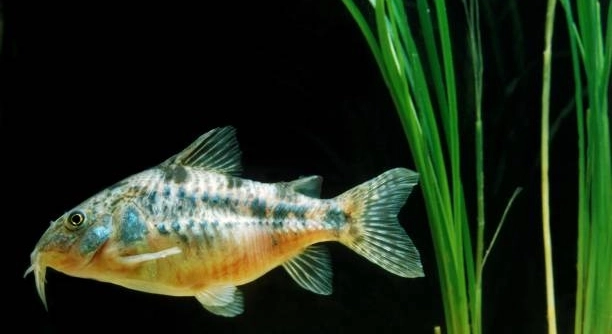
Have you recently moved your Corydoras catfish to a new tank and noticed they seem a little off or stressed? Tank moves can be tough on these gentle bottom dwellers, even when everything seems just right.
The best way to reduce stress for Corydoras catfish after a tank move is by keeping water parameters stable, providing hiding spots, and minimizing handling. These small changes create a more secure and calming environment for them.
Simple steps can make a big difference in helping your Corydoras feel safe again, and we’re breaking them down one by one.
Keep Water Parameters Stable
After a tank move, water quality is the most important thing for your Corydoras. Sudden changes in temperature, pH, or hardness can stress them out quickly. Even if the new tank is clean and looks perfect, your fish might still struggle to adjust. Use a water testing kit to check ammonia, nitrite, nitrate, and pH regularly. Try to match the new tank’s water to what they were used to before the move. This includes temperature, which should stay around 72–78°F. Perform partial water changes slowly and avoid making big adjustments too fast. Corydoras have sensitive barbels, so clean, soft substrate helps prevent infections. A stable, well-maintained tank allows them to rest and recover faster from any stress. If needed, use products like water conditioners or bacterial supplements to support the cycling process without shocking their system.
Maintaining consistency helps your fish stay healthy and calm while they adapt to their new surroundings.
They may take a few days to adjust, but clean water gives them the best chance to settle in without added pressure or discomfort.
Add Hiding Spots and Cover
Corydoras are shy by nature and feel safer when they have places to hide, especially in a new tank.
You can use plants, driftwood, or small caves to provide cover. Live or artificial plants work well, especially those that reach the bottom of the tank where Corydoras like to stay. Arrange decorations in a way that blocks open areas, giving your fish some privacy. Avoid overcrowding the tank, but give enough shelter so they can retreat whenever they feel uncertain. Tank mates that move quickly or chase others can make things worse, so peaceful company helps too. Hiding spots not only lower stress, but also encourage normal behaviors like foraging and resting. When Corydoras feel secure, they come out more often and explore with confidence. A quiet, shaded tank space allows them to relax and recover after being moved. Over time, you’ll notice better appetite, smoother swimming, and more social activity.
Limit Sudden Movement Around the Tank
Fast movements near the tank can scare Corydoras, especially right after a move. Try to keep the space calm and quiet for a few days. Avoid tapping the glass, moving decorations too often, or doing sudden water changes during this time.
Stress from sudden movement can cause Corydoras to dart around, bump into glass, or even hurt themselves. Place the tank in a low-traffic area where they won’t be startled by people walking by constantly. If you have kids or pets, ask them to be gentle around the aquarium. Try to keep lighting consistent too—turning lights on and off quickly can also spook them. Keeping everything calm and routine helps them relax. Over time, they’ll get used to the environment and feel more confident swimming around during the day, instead of hiding or staying still near the bottom.
It’s okay to check on them, just move slowly and avoid reaching into the tank unless needed. When doing maintenance, approach the tank gently. Use tools like long-handled nets or siphons to avoid putting your hands directly in the water unless absolutely necessary. It may seem like a small thing, but less disruption gives them a better chance to settle in peacefully.
Feed Them Gently and Consistently
Feeding time can either be comforting or stressful, depending on how it’s done. After a move, use familiar foods and feed them at regular times each day to create a sense of routine.
Stick to food they were already eating before the move—sinking pellets or wafers are great options for Corydoras. If they aren’t eating right away, don’t panic. Give them a few days and remove uneaten food to keep the water clean. Feed in the same area of the tank so they learn where to look. Avoid overfeeding; too much food can lower water quality and add stress. You can also supplement with treats like bloodworms or blanched veggies once they’re more comfortable. Keep feeding sessions calm—don’t turn the lights on and off quickly or tap the tank to get their attention. Consistent feeding routines help them feel safe, and over time, they’ll start eating normally again.
Avoid Rearranging the Tank Too Soon
Once your Corydoras are in their new home, it’s best to leave the layout alone for a while. Moving decorations or plants can make them feel like they’re in a brand-new space again, which adds unnecessary stress.
Let them get used to one setup before making changes. If you need to adjust something, try doing it slowly over time rather than all at once.
Use a Gentle Filter Flow
Corydoras prefer calm water with a light current. A strong filter flow can tire them out or make it hard for them to rest at the bottom. Use sponge filters, flow adjusters, or baffles to reduce the strength of the current. Place decorations or plants in areas where the water moves more quickly to help break it up. Watch your fish closely—if they seem to struggle against the flow or avoid certain spots, it might be too strong. A gentle, quiet flow makes it easier for them to move around and feel secure. It also helps keep the water well-oxygenated without overwhelming their space.
Keep the Tank Lights Low
Bright lighting can stress Corydoras, especially after a tank move. Try using a dimmer light or placing floating plants to soften the brightness and create shaded areas.
FAQ
What should I do if my Corydoras isn’t eating after the move?
If your Corydoras isn’t eating after the move, don’t worry immediately. It’s common for them to feel a bit off for a few days as they adjust. Check the water parameters to make sure everything is stable, as poor water quality can be a big factor. If the water is fine, try feeding them small amounts of their usual food. Offer sinking pellets or wafers, as they prefer food at the bottom of the tank. If they don’t eat right away, remove the uneaten food after 24 hours to prevent water contamination. Keep the feeding routine consistent, and give them time. In some cases, it can take a week for them to fully adjust. Also, ensure the tank has enough hiding places, as stress can also affect their appetite.
How can I tell if my Corydoras is stressed?
Stressed Corydoras often show signs like hiding more than usual, staying still at the bottom, or swimming erratically. If they are darting around the tank or rubbing against objects, that’s also a stress signal. You might notice them breathing faster or looking less active. If they have cloudy eyes or damaged fins, this can be a sign of stress leading to health issues. Additionally, stress might cause them to lose their usual social behavior, like swimming with tank mates or foraging. It’s important to address the root cause quickly by checking water parameters, reducing disturbances, and adding enough cover for security.
Can I use any type of filter for Corydoras?
Corydoras are sensitive to strong currents, so it’s best to use a gentle filter. Sponge filters are a great option because they create minimal water movement while still providing good filtration. If you’re using a more powerful filter, consider installing a flow reducer or baffle to lessen the current. The key is to have clean water without making the fish work too hard to swim. It’s also important to avoid filters that suck in the fish, as Corydoras are bottom dwellers and may come too close to the intake. A filter that’s designed for peaceful, low-flow tanks will be ideal for Corydoras.
How do I set up the tank for my Corydoras after a move?
After moving your Corydoras, it’s important to make the tank as stable as possible. Start by testing the water for ammonia, nitrites, nitrates, and pH to ensure the environment is safe. Add soft substrate like fine gravel or sand, as Corydoras like to dig and forage in it. They prefer areas with hiding spots, such as rocks, driftwood, or plants, where they can feel secure. Ensure the temperature is between 72–78°F and keep the water flow low. Corydoras are also social, so if you’re keeping just one, consider adding a few more to help them feel more at ease. Lastly, avoid any sudden changes, and let the tank settle for a few days before making any adjustments.
Is it okay to put other fish with Corydoras?
Yes, Corydoras are peaceful and generally do well with other calm fish. Avoid aggressive species that might chase or nip at them. Corydoras do best with other bottom-dwelling fish or mid-level swimmers that won’t disrupt their space. Species like tetras, guppies, and other peaceful community fish can live harmoniously with Corydoras. However, it’s important not to overcrowd the tank, as this can increase stress for everyone. Always ensure that any new tankmates are compatible in terms of size, temperament, and water requirements. Monitor the tank after introducing new fish to make sure your Corydoras aren’t being stressed by their new neighbors.
What should I do if my Corydoras gets injured?
If your Corydoras gets injured, first ensure the water quality is top-notch. Poor water conditions can make healing more difficult. You can also add a small amount of aquarium salt to the water to help with recovery, but be sure to follow the recommended dosage. Keep an eye on the injury to see if it’s healing properly. If it’s not improving or showing signs of infection, such as swelling or a change in color, you might need to treat with a fish-safe antiseptic or isolate the fish in a quarantine tank. Make sure the tank is calm, and don’t move the injured fish unless necessary. Stress can slow healing, so reducing disturbances will help.
How long does it take for Corydoras to adjust after a tank move?
Corydoras usually take a few days to a week to adjust to a new tank. During this time, they may be less active or hide more than usual. It’s important to keep water parameters stable, avoid sudden changes, and give them time to acclimate. Their behavior should gradually return to normal as they get comfortable in their new environment. If you see continued signs of stress, such as lack of appetite, excessive hiding, or erratic swimming, it could indicate a problem with the tank setup or water conditions. Patience is key—most Corydoras will adjust once they feel secure.
Can I add plants to my Corydoras tank after moving them?
Yes, adding plants can be beneficial for Corydoras, as they provide hiding spots and a more natural environment. However, it’s important to choose plants that don’t interfere with their swimming space or clog the filter. Live plants like Anubias, Java Fern, and Amazon Sword work well, as they thrive in similar water conditions to Corydoras. If you add plants after the move, do it slowly to avoid sudden changes in the tank. Plants can also help maintain good water quality, as they absorb excess nutrients. Keep in mind that some plants might need additional care or proper lighting to thrive.
Do Corydoras need a specific type of substrate?
Corydoras prefer fine, soft substrates like sand or small-gravel, which allow them to forage and dig without damaging their barbels. Rough or sharp substrate can cause injury to their sensitive whiskers. Sand is often the best option since it won’t get stuck in their gills, and it provides a more natural environment. If using gravel, ensure it has smooth edges, as jagged pieces can scratch or irritate their delicate skin. Corydoras spend a lot of time at the bottom of the tank, so a soft, smooth substrate will help them stay healthy and comfortable.
Final Thoughts
Moving a Corydoras catfish to a new tank can be a stressful experience for both the fish and the owner. However, with the right care, your Corydoras can adjust smoothly and feel comfortable in its new environment. The key is to focus on stability—keeping water parameters consistent and avoiding sudden changes. Make sure to monitor the water quality closely, especially during the first few days after the move. This helps to reduce stress and allows your Corydoras to get accustomed to its new surroundings. A stable environment with proper temperature and pH levels is essential for their well-being.
Along with water quality, providing hiding spots and reducing disturbances is important. Corydoras are naturally shy fish that feel more secure when they have places to hide. You can use plants, driftwood, or caves to create these spots. Also, avoid sudden movements around the tank. Moving too quickly or tapping the glass can stress your fish, making it harder for them to settle in. It’s best to keep the tank in a quiet area, away from heavy traffic, to give your Corydoras the peace it needs to feel safe. With a bit of patience, your fish will gradually adapt to the changes and become more comfortable in its new home.
Finally, remember that every fish is different. Some Corydoras may take longer to adjust than others, and it’s important not to rush the process. Keep their routine consistent, feed them gently, and avoid any sudden changes in the tank. Over time, as they feel more secure, you’ll notice them becoming more active and social. Ensuring they have a calm, well-maintained tank will lead to a happier, healthier Corydoras. Just like any pet, they thrive when provided with the right environment and care, and with time, they’ll recover from the stress of the move.

Hello,
If you enjoy the content that we create, please consider saying a "Thank You!" by leaving a tip.
Every little bit helps us continue crafting quality advice that supports the health, happiness, and well-being of pets around the world, for pets of all shapes, sizes, and species.
We really appreciate the kindness and support that you show us!