
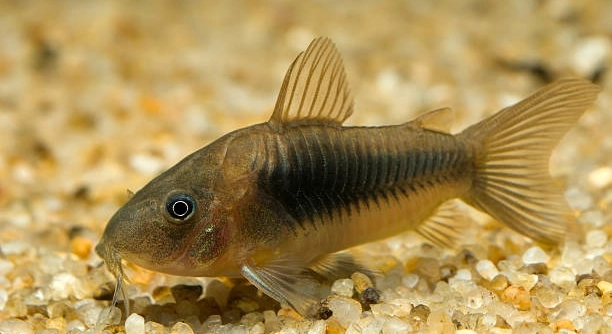
Corydoras catfish are active little creatures, often showing bursts of energy throughout the day. If you’ve noticed your fish swimming around more than usual, there could be several reasons behind this extra activity.
The main reasons your Corydoras catfish might be extra energetic include changes in water conditions, increased feeding, or even their natural behavior. Stress, environmental shifts, or the presence of tankmates can also influence their energy levels.
Understanding the factors affecting your catfish’s behavior will help you maintain a balanced aquarium environment. Keep reading to explore the different causes and how to address them.
Changes in Water Conditions
Corydoras catfish are sensitive to changes in their water environment. Fluctuations in water temperature, pH levels, or oxygen concentration can cause them to become more active. If the water quality deteriorates, they may swim around trying to find a more comfortable area. Sudden shifts, such as adding new water or changing the filter, can also prompt this behavior.
When maintaining an aquarium, it’s important to monitor the water quality regularly. Keep the temperature stable and ensure good filtration. Consider using a thermometer and water test kits to check for fluctuations. This consistency helps keep your Corydoras in a calm state.
Additionally, changes in the lighting schedule can impact their activity. If you recently altered the duration or intensity of the tank lights, your catfish might respond by becoming more active, as they try to adapt to the new cycle.
Increased Feeding or Tankmates
Corydoras often get extra energetic when their food intake increases or when there are new tankmates. When you feed them more, their energy levels rise as they seek out the food. If you’ve recently added more fish or shrimp to the tank, it could also spark more movement.
New tankmates, especially those that are more active, may cause Corydoras to swim more. Their curiosity and instinct to interact with the new arrivals can lead to bursts of energy. Make sure to watch for any signs of aggression or stress in the tank to ensure harmony.
Stress from Tank Environment
Corydoras catfish can become extra energetic due to stress from their environment. This stress could stem from noisy surroundings, overcrowding, or changes in the aquarium layout. When stressed, they might swim around more in search of safety or comfort.
Overcrowded tanks limit the space Corydoras need to move freely, making them more likely to become stressed. If you’ve recently added more fish or altered the tank, it may have disrupted their comfort zone. A proper balance of fish and hiding spots can help reduce stress.
Constant changes in water flow, especially from filters or aerators, can also cause agitation. Corydoras prefer a gentle current, so if the water flow is too strong, they may become restless. Reducing the water flow or providing more calm areas can ease their stress.
Hormonal Changes or Breeding Behavior
Corydoras are known to exhibit heightened activity during breeding periods. When they are ready to spawn, they often display bursts of energy. Their behavior becomes more erratic as they swim around in search of a mate or suitable conditions.
Breeding behavior can be triggered by changes in water temperature or quality. Corydoras tend to breed more in slightly warmer temperatures, which encourages them to become more active. They may swim in circles or even dart around quickly as part of their mating ritual. If you see this behavior, it’s likely that your catfish are gearing up to reproduce.
It’s also essential to ensure your catfish have plenty of space to breed. A crowded tank can lead to frustration or aggression. Offering plants or hiding spots can encourage natural breeding activity, making them feel more comfortable.
Tank Size and Space
If your Corydoras catfish have less space to move, they may become more active. A cramped tank limits their natural behaviors, and they might swim around more to find room. A spacious tank allows them to explore comfortably.
A tank with enough swimming space reduces stress and helps keep your catfish calm. Overcrowding can also cause aggression or hinder their ability to find food, further increasing their activity. Ensure your aquarium has adequate space for both the fish and their hiding spots.
Temperature Fluctuations
Corydoras are sensitive to changes in temperature. If the water temperature fluctuates, they may become more energetic. Temperature changes can occur if the heater is malfunctioning or if the room temperature varies too much.
Ensure that the water stays within the appropriate range for your catfish, usually between 72-78°F (22-26°C). Use a reliable aquarium thermometer to monitor and maintain a consistent temperature. Keep in mind that sudden changes may cause stress, leading to erratic swimming behavior.
Unusual Lighting
Light can affect the behavior of Corydoras. If there’s a sudden change in the lighting schedule, your fish may become extra active. Corydoras are often more active during dawn and dusk, so bright or irregular light could cause confusion.
Having a consistent light cycle can reduce erratic behavior. Consider using a timer to control the lighting schedule and maintain a stable environment for your fish. Avoid sudden changes in light intensity to prevent disrupting their natural rhythm.
FAQ
Why is my Corydoras swimming at the surface?
Corydoras catfish are bottom dwellers, so seeing them at the surface could indicate a problem. They may be gasping for air if the oxygen levels in the tank are low. Ensure the water is well-aerated with a filter or air pump. Low oxygen levels can happen if the water temperature is too high or if the tank is overcrowded.
It’s also possible that your catfish is exploring due to boredom or a lack of hiding places. Corydoras like to explore their environment, but if they can’t find comfort at the bottom, they may swim higher. Adding more plants or rocks can help provide a secure environment and encourage them to stay closer to the bottom.
Is it normal for Corydoras to be more active at night?
Yes, Corydoras are nocturnal by nature. They are most active during dawn and dusk, which means they may seem extra energetic at night. During the day, they tend to rest and hide in darker areas of the tank. This behavior is completely normal and part of their natural rhythm.
If you notice they’re overly active during the night, it may also be due to changes in lighting or temperature. Ensure that the tank has a consistent light cycle to mimic their natural habitat. Providing hiding spots can help them feel more secure and reduce unnecessary movement.
Can stress make my Corydoras swim in circles?
Yes, stress can cause Corydoras to swim in circles. If the water quality isn’t ideal, or if there’s aggression from other tank mates, your fish might start swimming erratically as a sign of stress. It’s essential to keep the tank conditions stable and ensure there’s enough space for each fish.
Aggressive behavior or sudden changes in the environment can lead to this type of activity. Reducing stress factors like overcrowding and maintaining good water quality can help your catfish settle down. Pay attention to the other fish in the tank as well to make sure they’re not stressing out your Corydoras.
What temperature should my Corydoras be kept at?
Corydoras thrive in water temperatures between 72-78°F (22-26°C). Too much fluctuation outside this range can cause them to become stressed or overly energetic. If the temperature is too high, they may swim near the surface, gasping for oxygen. If it’s too low, they may become sluggish.
It’s important to keep the water temperature consistent to avoid putting unnecessary strain on your fish. Using a reliable aquarium heater and thermometer will help maintain the ideal temperature. If you notice any irregular behavior, it’s a good idea to check the temperature and adjust if needed.
Why are my Corydoras swimming more after a water change?
After a water change, Corydoras might swim more actively as they adjust to the fresh water. New water can contain different minerals or have slight changes in temperature, pH, or oxygen content, which can cause them to be more energetic while they adapt.
To help reduce stress after a water change, always match the temperature and pH of the new water with the existing water in the tank. Gradual water changes are best to avoid shocking the fish. If the behavior continues for more than a few hours, check the water parameters to ensure everything is in the proper range.
Why do my Corydoras sometimes swim upside down?
Corydoras occasionally swim upside down due to an issue with their swim bladder or as a sign of stress. If the fish continues to swim upside down or floats sideways, it may indicate a health issue, such as a bacterial infection or poor water quality.
Check your water parameters to ensure that the ammonia, nitrite, and nitrate levels are within acceptable ranges. If the behavior persists, it’s best to observe your fish closely and possibly separate the affected fish to prevent the spread of illness. Make sure to treat any underlying issues promptly.
Do Corydoras need a specific diet to maintain energy?
Corydoras are omnivores and require a balanced diet to maintain their energy. Their food should include high-quality sinking pellets, frozen or live food like bloodworms, and occasional vegetable matter like blanched spinach. A varied diet helps keep them active and healthy.
Overfeeding can lead to poor water quality and unnecessary energy expenditure, so it’s essential to feed them small amounts twice a day. You can also provide occasional treats, but avoid giving them too much protein or fatty foods. A well-balanced diet will support their natural energy levels and overall health.
Can Corydoras get too much exercise?
While Corydoras are naturally active, they can become stressed if they are constantly swimming or if the tank conditions are unfavorable. Overcrowding, poor water quality, and high stress can lead to excessive movement. A well-maintained tank with proper water conditions will allow them to swim as much as they need without causing harm.
If you notice your catfish is swimming excessively or seems overly fatigued, it could be a sign of an underlying issue. Take steps to address the environmental factors, such as adjusting the water flow, adding more hiding spots, or reducing the number of fish in the tank.
Final Thoughts
Corydoras catfish are generally calm and peaceful creatures that enjoy exploring the bottom of the tank. However, there are times when they become more energetic than usual, and understanding the cause of this increased activity is important for maintaining a healthy environment. Whether it’s changes in water temperature, lighting, tank size, or their diet, many factors can influence how active your catfish are. Paying attention to these factors can help ensure your fish remain healthy and comfortable in their tank.
Maintaining a stable environment with proper water quality is key to reducing stress and keeping your Corydoras at ease. Regular water changes, proper filtration, and avoiding overcrowding can prevent many common problems. Ensure your fish have enough space to swim and explore, and that the tank is equipped with hiding spots and plants to make them feel secure. Being mindful of their natural behaviors, such as their nocturnal activity, will help you better understand when they are simply being themselves and when something might be wrong.
If you notice changes in your Corydoras’ behavior, like increased swimming or strange movement patterns, it’s essential to check their environment for any issues. Temperature fluctuations, poor water quality, and sudden changes in lighting can all cause them to behave differently. Addressing these issues promptly and adjusting their environment accordingly will help keep your Corydoras healthy and reduce unnecessary stress. Regular observation and care are the best ways to ensure they stay active, happy, and thriving in your aquarium.

Hello,
If you enjoy the content that we create, please consider saying a "Thank You!" by leaving a tip.
Every little bit helps us continue crafting quality advice that supports the health, happiness, and well-being of pets around the world, for pets of all shapes, sizes, and species.
We really appreciate the kindness and support that you show us!