
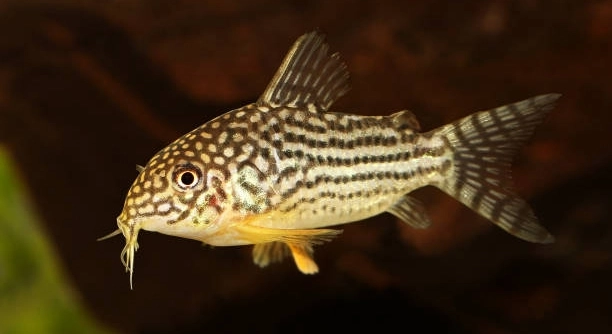
Corydoras catfish are popular freshwater fish known for their peaceful nature and active scavenging. However, sometimes these little guys stop eating, which can be concerning. There are several factors that could be causing this sudden behavior change.
A sudden lack of appetite in Corydoras catfish can result from stress, poor water quality, illness, or environmental changes. Understanding the underlying causes, such as temperature fluctuations or inadequate diet, is crucial for resolving the issue.
Learning about the reasons behind your Corydoras’ behavior can help restore their health and happiness.
Stress and Anxiety in Corydoras Catfish
Stress is a leading cause of a Corydoras catfish suddenly stopping eating. This can happen for several reasons, such as sudden changes in their environment, tank mates that are too aggressive, or overcrowding. A stressed fish may show other signs like hiding, darting around the tank, or exhibiting abnormal swimming patterns. These stress factors make it difficult for the fish to feel comfortable enough to eat.
Stress can also be triggered by loud noises, excessive lighting, or handling. It’s important to minimize disturbances in the tank to create a calm and stable environment for your catfish.
You can reduce stress by ensuring a peaceful tank setup, adding plants or hiding spots, and providing a consistent feeding schedule. Keeping the tank environment quiet and stable is essential in preventing stress and encouraging your catfish to eat regularly.
Water Quality Issues
If your Corydoras is refusing to eat, water quality is another factor that could be at play. Poor water conditions, such as high levels of ammonia, nitrites, or nitrates, can cause distress in your fish. Dirty water can lead to health problems, affecting their appetite. Even slight imbalances can be harmful.
Checking the water parameters regularly with a testing kit can help you maintain proper levels. Corydoras require stable, clean water with a pH of 6.5-7.5 and a temperature between 72-78°F. Performing regular water changes and using an efficient filtration system will help ensure these conditions remain optimal.
Keeping the water conditions within the proper range will not only promote your catfish’s health but also encourage them to eat. Fresh, clean water supports their overall well-being and provides a comfortable environment for feeding.
Illnesses and Health Concerns
Illness is another reason why a Corydoras might stop eating. Fish can be affected by a variety of diseases, including parasites, bacterial infections, or even internal injuries. Symptoms of illness may include lethargy, clamped fins, or visible signs of infection like spots or lesions. Any of these issues can result in a decreased appetite.
If you suspect your Corydoras is unwell, it’s important to take action quickly. Isolating the sick fish, adjusting water conditions, or consulting with a vet specialized in aquatic life can help. If your fish shows signs of a specific disease, treating the tank with appropriate medications is essential for their recovery.
Once the illness is treated, your catfish will likely regain their appetite and return to their normal behavior. Monitoring the health of your fish regularly can help you identify any problems early.
Tank Temperature Fluctuations
If the water temperature fluctuates too much, your Corydoras may stop eating. They thrive in a stable environment, and sudden changes in temperature can stress them out, affecting their appetite. Keeping the water temperature consistent between 72-78°F is essential.
Investing in a reliable aquarium heater with a built-in thermostat can help maintain the right temperature. Corydoras can be sensitive to drastic changes, so make sure to adjust the heater and monitor the water temperature regularly. A thermometer inside the tank will help you ensure the temperature stays within the desired range.
Extreme temperature shifts can lead to health issues, making your Corydoras less inclined to eat. If the water is too cold or too hot, their metabolism slows down, and they might not feel like eating. Keeping the environment stable supports their appetite and overall health.
Improper Diet
Feeding your Corydoras a poor diet is another reason why they may stop eating. They are bottom feeders and need a varied diet that includes sinking pellets, frozen or live food like bloodworms, and the occasional vegetable. Without proper nutrition, they can become sluggish or lose interest in food.
Make sure the food you provide is specifically designed for bottom-dwelling fish, as regular flakes or large pellets may be too hard for them to eat. A varied diet ensures they receive the nutrients they need, promoting a healthy appetite. You can also offer fresh vegetables, like blanched zucchini, to add variety.
Improper diet can cause digestive issues and loss of appetite. Corydoras need food that suits their natural feeding habits. Regularly changing up their meals will keep them interested in eating and help maintain a healthy feeding routine.
Tank Mates
The behavior of tank mates can significantly impact your Corydoras’ appetite. If there are aggressive or overly active fish in the tank, it can stress your catfish and make them reluctant to eat. Corydoras are peaceful creatures that thrive in calm environments.
If your tank mates are too aggressive, consider rearranging the tank or separating them if necessary. Corydoras do best with peaceful species like tetras or other bottom dwellers. Providing enough hiding spots will also help reduce stress and encourage your catfish to feed.
Overcrowding
Overcrowding can lead to competition for food, which may cause your Corydoras to stop eating. A crowded tank creates stress and disrupts their natural behavior, affecting their feeding habits. It’s important to maintain an appropriate fish-to-tank ratio.
Ensure there’s plenty of space in the tank for your Corydoras to move around freely. Keeping the number of fish in check will reduce stress and allow your catfish to focus on eating. More space also means better water quality and less competition for food, making your Corydoras feel more comfortable.
Inadequate Lighting
Excessive or improper lighting can cause stress in Corydoras, making them lose their appetite. They are nocturnal feeders, preferring dim lighting to feel secure. Too much bright light can cause them to hide and become inactive.
Ensure your lighting setup mimics natural day-night cycles. Provide dim or shaded areas in the tank, such as plants or decorations, so your Corydoras can feel comfortable and feed without fear. Proper lighting will reduce stress and make your catfish feel safe, encouraging them to eat.
FAQ
Why isn’t my Corydoras eating?
If your Corydoras isn’t eating, there could be several reasons. Common causes include stress, poor water quality, illness, and improper diet. First, check the water parameters for any imbalances in pH, temperature, and ammonia levels. Stress from aggressive tank mates or sudden environmental changes can also affect their appetite. Make sure you’re providing the right type of food, and avoid overcrowding in the tank, as competition for food may discourage them from eating.
Can Corydoras survive without food for a few days?
Corydoras can survive without food for a few days, but it’s not ideal. They are scavengers and can manage for a short time by feeding on algae or leftover food in the tank. However, prolonged fasting can weaken their immune system and overall health. It’s important to address the underlying cause of their lack of appetite rather than letting them go without food for too long.
How often should I feed my Corydoras?
Corydoras should be fed once or twice a day, but the exact amount depends on their size and activity level. Ensure you’re offering enough food to meet their nutritional needs without overfeeding, which can pollute the water. Typically, small portions that they can finish within a few minutes are best. If you’re unsure, start with a small amount and adjust according to their appetite.
Is my Corydoras sick? How can I tell?
If your Corydoras isn’t eating, it could be a sign of illness. Look for symptoms such as sluggish behavior, clamped fins, abnormal swimming, or visible lesions on their body. If you notice any of these signs, it’s essential to check the water quality and see if it’s contributing to their illness. If the problem persists, consulting with a vet or an aquarium expert may help diagnose the condition.
How do I reduce stress for my Corydoras?
Stress can be a major reason your Corydoras isn’t eating. To reduce stress, ensure they have a peaceful environment. Avoid aggressive tank mates and provide hiding spots like plants or caves where they can retreat. Also, keep the lighting moderate and maintain stable water temperature and quality. Minimizing sudden changes in the tank can help your Corydoras feel safe and more willing to eat.
Can Corydoras eat regular fish flakes?
While Corydoras can nibble on regular fish flakes, they do better with food designed for bottom-feeding fish. Flakes tend to float on the surface, making it difficult for Corydoras to get to them. Instead, opt for sinking pellets, live or frozen food like bloodworms, or vegetables like blanched zucchini. A varied diet will ensure they get the right nutrients.
Why are my Corydoras hiding all the time?
If your Corydoras is hiding, it may be stressed, feeling unwell, or reacting to environmental changes. Corydoras prefer calm and dimly lit areas, so they may hide to feel secure. If this behavior is new, check the tank for potential stressors, such as aggressive tank mates, poor water quality, or inadequate hiding spaces.
Should I be worried if my Corydoras is not swimming much?
Lack of movement in Corydoras can be a sign of illness, stress, or poor water conditions. These fish are typically active and enjoy scavenging the bottom of the tank. If your Corydoras is staying still, check the water quality and look for signs of disease. If the problem persists, it may be worth consulting an expert for advice.
Can Corydoras eat too much?
Yes, Corydoras can overeat if given excessive food. Overfeeding can lead to health problems like bloating, poor water quality, and excessive waste production. It’s important to feed them in moderation, offering only as much as they can consume in a few minutes. This will keep their digestive system healthy and prevent uneaten food from fouling the water.
How can I improve my Corydoras’ appetite?
Improving your Corydoras’ appetite starts with addressing the root cause of the problem. Ensure that their environment is stable, with clean water, a consistent temperature, and peaceful tank mates. Offer a variety of foods, including sinking pellets, frozen food, and fresh vegetables. Make sure the lighting is dim and calming to encourage feeding during their more active hours.
What is the best water temperature for Corydoras?
Corydoras prefer water temperatures between 72-78°F. Temperatures outside this range can cause stress and lower their appetite. It’s important to monitor the tank temperature regularly, especially if you’re experiencing fluctuations. A stable, comfortable environment will help your Corydoras feel secure and encourage healthy feeding habits.
How do I deal with Corydoras not eating after a water change?
Corydoras may not eat immediately after a water change due to the disturbance caused. The sudden shift in water parameters, temperature, or cleanliness can stress them. Give them some time to adjust to the new conditions before offering food again. Make sure the water quality is ideal, and avoid sudden changes to prevent further stress.
Final Thoughts
Corydoras catfish are resilient creatures, but like any fish, they can face challenges that affect their eating habits. From stress caused by aggressive tank mates to water quality issues, several factors can lead to a sudden loss of appetite. It’s important to pay attention to these signs early, as a healthy Corydoras will actively forage for food and swim around the tank. By identifying the root cause, you can help restore their appetite and improve their overall well-being.
Water quality plays a huge role in the health of your Corydoras. Keeping the water clean, with stable pH levels and proper filtration, is essential. If you notice your catfish isn’t eating, check the ammonia and nitrate levels, as poor water quality can make them feel uncomfortable and stressed. Regular water changes and maintaining a proper filtration system will keep your tank in good condition, making it a safe environment for your Corydoras and all other inhabitants.
Lastly, always ensure that your Corydoras have a comfortable environment. Overcrowding, aggressive tank mates, or inappropriate lighting can cause unnecessary stress and prevent them from eating. By creating a peaceful and secure environment, your Corydoras will thrive and feel more at ease. When everything is in balance, your catfish will be much more likely to eat regularly, stay healthy, and continue to be an active, engaging part of your aquarium.

Hello,
If you enjoy the content that we create, please consider saying a "Thank You!" by leaving a tip.
Every little bit helps us continue crafting quality advice that supports the health, happiness, and well-being of pets around the world, for pets of all shapes, sizes, and species.
We really appreciate the kindness and support that you show us!