
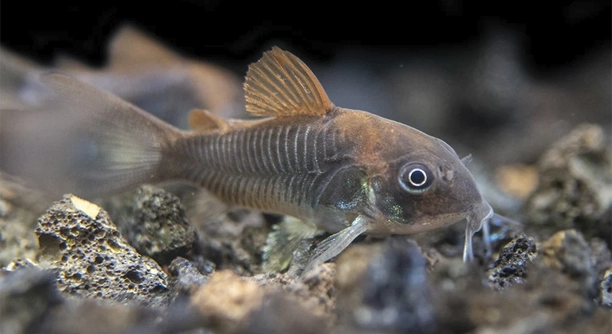
Corydoras catfish are often seen swimming with certain tank mates, leading to curiosity about their behavior. This phenomenon can be puzzling, especially when they seem to prefer following specific fish over others.
The primary reason your Corydoras catfish follows certain tank mates is due to social and environmental factors. Corydoras are naturally social animals and may feel more secure when swimming alongside species they are familiar with or that exhibit calming behaviors.
Understanding the reasons behind this behavior can help improve the overall harmony in your tank. Knowing these explanations will ensure both your Corydoras and other tank inhabitants thrive in a stress-free environment.
Why Corydoras Catfish Are Social Creatures
Corydoras catfish are naturally social and feel most comfortable when they have other fish around them. In the wild, they often swim in groups for safety and companionship. This social nature is reflected in their behavior in the tank as well. They may follow specific tank mates, either because they feel secure or because they’re familiar with those fish. The presence of tank mates that are calm, non-aggressive, and of similar size can make your Corydoras feel more at ease, leading them to stay close. These fish are not solitary; they thrive when surrounded by others.
The social behavior of Corydoras isn’t just about finding companionship. It’s also about establishing a sense of safety in their environment. Tank mates that are peaceful and non-threatening can help create a more secure space for your Corydoras, allowing them to act naturally without fear.
When it comes to tank mates, Corydoras are known to form bonds with fish that share their calm demeanor. Species like peaceful tetras, rasboras, or livebearers tend to get along well with Corydoras. These fish, while not forming tight social bonds like Corydoras, contribute to a peaceful and secure environment. By keeping other fish that share the same temperament, Corydoras will be more comfortable and less likely to feel stressed. This can lead to them swimming together and following each other more often.
Tank Layout Can Influence Behavior
The layout of your tank plays a huge role in how Corydoras interact with other fish. If there are plenty of hiding spots or caves for them to explore, they may feel more secure.
Corydoras are bottom-dwellers that like to sift through substrate and hide when they feel threatened. A well-planted tank with structures like rocks or driftwood provides safe spaces for these catfish. When they are in such an environment, they are less likely to feel stressed and more likely to explore their surroundings. These safe spots are important because they allow the Corydoras to retreat when needed, which helps maintain their peaceful demeanor.
Adding plants and decorations also helps keep the tank environment stimulating. Corydoras are curious creatures, and they enjoy having areas to explore and hide in. This behavior is often seen when they follow other fish that are comfortable with their surroundings. By offering a rich environment for your Corydoras, you’ll see them become more confident and interactive with their tank mates. This can lead to more bonding and social behavior.
Their Need for Safety
Corydoras catfish feel more comfortable when they’re around tank mates that make them feel secure. This security can come from peaceful species or fish that are of a similar size. When they are stressed or threatened, they seek the protection of others.
When your Corydoras follow specific tank mates, it’s often because they find comfort in their presence. In nature, Corydoras live in schools for protection, so they naturally gravitate toward tank mates that give them a sense of security. Fish that move calmly and aren’t aggressive can help reduce the stress level of Corydoras. If the environment is calm and peaceful, your Corydoras will follow their companions around with greater ease, feeling safe in their presence.
Corydoras also tend to stick with tank mates that help reduce their anxiety. Peaceful species, such as small tetras or rasboras, create a calm atmosphere that helps Corydoras feel at ease. By sticking with these fish, Corydoras avoid the stress caused by more aggressive or territorial fish. Tank mates with similar energy levels provide them with an environment where they can act naturally without fear, which is why following them can become a common behavior.
Their Curiosity About Tank Mates
Corydoras are curious fish, always exploring their surroundings. This curiosity often leads them to follow specific tank mates to observe their behavior.
Curiosity drives Corydoras to follow other fish as they move around the tank. These catfish are not only social but also interested in what other fish are doing. This natural curiosity helps them learn more about their environment. By following other fish, Corydoras can observe their movements and behavior, which may help them feel more connected to their tank mates. This curiosity is a key factor in why they are often seen swimming close to certain fish, especially those that are active or exhibit interesting behaviors.
However, Corydoras are more likely to follow fish they feel are worth observing. For instance, active species that move around the tank often attract Corydoras. The constant motion catches the attention of these catfish, who are eager to learn from their tank mates. Over time, they develop a habit of following those who capture their interest. This behavior can help them adapt and become familiar with the other fish in their environment, strengthening their social interactions in the tank.
The Influence of Tank Conditions
The conditions in the tank can also impact how Corydoras interact with tank mates. Poor water quality or an overcrowded tank may make your Corydoras feel more vulnerable. When these conditions are not ideal, they may stick closely to certain fish for comfort.
Water quality is critical for Corydoras, as poor conditions can cause stress. When the water is clean and stable, they feel more secure and are more likely to interact peacefully with other fish. Overcrowding, on the other hand, increases stress, causing your Corydoras to cling to fish that make them feel safer. Maintaining ideal tank conditions encourages natural, calm behavior.
Their Natural Instincts
Corydoras are instinctively bottom-dwellers, preferring to stay near the substrate. This tendency influences how they interact with other fish in the tank. They are more likely to follow tank mates that also spend time on the bottom or swim close to the substrate.
Their natural behavior to stay near the bottom is driven by instinct, as they search for food and shelter in the substrate. Tank mates that occupy similar areas of the tank help provide the Corydoras with a sense of comfort and security. By following these fish, they ensure they’re not isolated.
FAQ
Why do Corydoras catfish follow other fish in the tank?
Corydoras catfish follow other fish primarily because they are social creatures. They feel more secure when swimming alongside other species, especially those that are calm and peaceful. These fish tend to stick to their tank mates to reduce stress and create a sense of safety. The behavior often stems from their need for companionship and security, which is natural in both the wild and in captivity. By following certain tank mates, they replicate their natural tendency to form schools for protection.
Can Corydoras form bonds with specific tank mates?
Yes, Corydoras can form loose bonds with specific tank mates. While they are not known for forming strong bonds like some other fish species, they can develop preferences for certain tank mates that make them feel safe. If a tank mate is calm and non-aggressive, the Corydoras may choose to stay near them more often. Over time, this preference may be due to familiarity and comfort rather than a deep bond. However, it’s important to note that Corydoras are generally peaceful and will get along well with a variety of species as long as the overall tank environment remains calm.
Can Corydoras follow tank mates that are much larger than them?
Corydoras may follow tank mates that are larger, but it’s often based on the behavior of the larger fish rather than their size. If the larger fish are calm and non-aggressive, Corydoras may feel more comfortable near them. This could be because the larger fish act as a shield, providing a sense of security. However, it’s important to ensure that the larger fish do not pose a threat to the Corydoras, as aggressive or overly dominant tank mates could stress them out.
Do Corydoras prefer to follow active or calm tank mates?
Corydoras typically prefer calm tank mates. These catfish thrive in a peaceful environment and feel most comfortable when surrounded by fish that do not display aggressive or territorial behaviors. While Corydoras are curious and may follow active tank mates to observe their behavior, they are more likely to form lasting preferences for species that exhibit calm, non-threatening behavior. Active, but peaceful fish are ideal companions because they help keep the atmosphere of the tank relaxed and enjoyable for the Corydoras.
Can tank size affect how Corydoras interact with their tank mates?
Yes, tank size can influence how Corydoras interact with their tank mates. In a larger tank, Corydoras may feel more comfortable exploring and following certain tank mates, as there is more space to establish territories and find hiding spots. In a smaller tank, however, overcrowding can increase stress, and the Corydoras may become more dependent on certain tank mates for security. Ensuring the tank is spacious enough for all inhabitants can reduce stress and allow Corydoras to interact naturally with their companions.
Do Corydoras catfish follow tank mates to find food?
Corydoras are bottom feeders, and they are often seen following tank mates to find food. They use their barbels to search for food in the substrate, and tank mates that stir up food particles or swim near the bottom can lead the Corydoras to potential feeding areas. This behavior can make it seem like they are following specific tank mates just for food. In some cases, they might be more inclined to stay close to fish that help uncover food, although they will also search for food on their own if necessary.
Do Corydoras feel more comfortable in groups?
Yes, Corydoras are schooling fish and feel more comfortable in groups. In the wild, they often swim in schools for safety, as it helps protect them from predators. In a home aquarium, keeping them in groups of at least three to five is recommended to ensure they feel secure and exhibit natural behavior. While they can be social with other species, having a group of their own kind allows them to act more confidently, reducing stress and promoting overall well-being.
Are there certain species Corydoras prefer to follow?
Corydoras catfish tend to follow peaceful tank mates, such as smaller tetras, rasboras, and livebearers. These species are usually calm and do not pose a threat to the Corydoras, making them ideal companions. Aggressive or overly dominant fish can stress out the Corydoras and discourage them from following or interacting with them. Additionally, species that occupy similar areas in the tank (such as near the substrate) are more likely to attract Corydoras, as they share a similar habitat.
Can Corydoras interact with other bottom-dwelling fish?
Yes, Corydoras can interact with other bottom-dwelling fish, but the compatibility depends on the behavior of the other species. Bottom-dwellers such as loaches or plecos can coexist with Corydoras, especially if they are not territorial or aggressive. In fact, sharing the same bottom area of the tank can make Corydoras feel more at ease, as they are used to being close to other bottom-dwellers in their natural environment. It’s important to monitor the interactions to ensure the fish are not competing for space or food.
What other factors contribute to Corydoras following certain tank mates?
Other factors that contribute to Corydoras following specific tank mates include tank layout, water conditions, and feeding habits. A well-planted tank with plenty of hiding spots provides Corydoras with more opportunities to interact with tank mates in a secure environment. Clean, stable water conditions also reduce stress, making it easier for Corydoras to engage with other fish. Additionally, Corydoras may follow fish that drop food particles or stir up the substrate, aiding them in their search for food. These factors all play a role in shaping their social behavior.
Final Thoughts
Corydoras catfish are fascinating creatures that thrive in social environments. Their tendency to follow certain tank mates is largely driven by their need for companionship and security. In the wild, these fish naturally live in schools for protection, and this behavior carries over to the home aquarium. By following specific tank mates, Corydoras are able to feel more at ease, reducing stress and allowing them to express their natural behaviors. Their peaceful nature makes them excellent tank mates for many other species, as long as those companions are calm and non-aggressive.
While Corydoras may follow tank mates for companionship and safety, they are also curious fish. Their exploratory nature leads them to observe the behavior of other species, especially those that are active or occupy similar areas in the tank. This curiosity often results in Corydoras sticking close to certain fish, which helps them feel more connected to their environment. Whether they are following peaceful tetras, rasboras, or even other bottom-dwellers, Corydoras are likely to feel more comfortable around tank mates that create a relaxed and secure atmosphere.
The overall tank conditions also play a significant role in how Corydoras interact with their tank mates. Clean water, enough space, and proper hiding spots can all contribute to their well-being. Overcrowded or poorly maintained tanks can lead to stress, making the Corydoras more reliant on their tank mates for comfort and security. By maintaining a peaceful environment and providing appropriate tank mates, you can ensure that your Corydoras feel safe and content. Understanding these factors can help create a harmonious aquarium where all the fish thrive.

Hello,
If you enjoy the content that we create, please consider saying a "Thank You!" by leaving a tip.
Every little bit helps us continue crafting quality advice that supports the health, happiness, and well-being of pets around the world, for pets of all shapes, sizes, and species.
We really appreciate the kindness and support that you show us!