
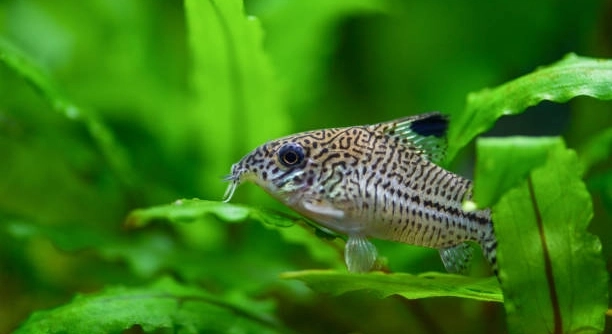
Corydoras catfish are known for their active nature, but sometimes, they can seem unusually sluggish. If your fish has been acting lethargic lately, it might be due to various factors affecting their health or environment.
The most common reason for a lethargic Corydoras is poor water quality. High levels of toxins like ammonia, nitrites, or nitrates can stress the fish, causing them to appear sluggish. Other factors include temperature fluctuations, inadequate oxygen, or overcrowding.
Understanding what causes your Corydoras to feel unwell can help you make the right changes. By improving their environment and care, you can bring back their natural energy and vitality.
Poor Water Quality
Water quality is the most common cause of a Corydoras catfish acting lethargic. These fish are sensitive to changes in their environment, and poor water conditions can quickly lead to stress. Ammonia, nitrites, and nitrates build up in aquariums when filtration systems are not working properly or when water changes are not frequent enough. Even small amounts of these toxins can be harmful.
Keeping your tank clean is essential for your Corydoras’ health. Regular water changes are necessary to prevent harmful substances from accumulating. It’s also important to maintain a proper filtration system, as it ensures that the water remains clean and oxygenated. Your Corydoras will feel more active when their environment is stable and clean.
If you haven’t tested your water recently, it’s a good idea to check for ammonia, nitrites, and nitrates. You can buy water test kits from pet stores. Keeping an eye on the water quality will help you quickly address any imbalances and prevent further stress on your fish.
Temperature Fluctuations
Another factor that could make your Corydoras sluggish is fluctuating water temperature. Corydoras thrive in temperatures between 72-78°F (22-26°C). If the water gets too warm or too cold, they may become inactive, seeking to hide or rest. Temperature changes can happen unexpectedly, especially if your aquarium is placed near a window or an air conditioning unit.
To ensure the right temperature range, you should invest in an aquarium heater and a thermometer. Monitoring the water temperature daily can help prevent unwanted changes. Consistent, moderate temperatures promote the health and activity of your Corydoras.
Overcrowding in the Tank
Overcrowding can be stressful for Corydoras. When there are too many fish in a tank, they compete for space, food, and oxygen. This can make your Corydoras feel stressed and lethargic. It’s essential to provide enough space for each fish to thrive.
The general rule of thumb is to allow one inch of fish per gallon of water, though Corydoras are bottom dwellers, and they need more space to move around freely. When their space is limited, they may hide more often, avoid socializing, and stop being active. This lack of space directly impacts their energy levels.
To fix this, consider reducing the number of fish in your tank or upgrading to a larger aquarium. Adding more hiding spots and plants can help reduce stress as well. Giving your Corydoras a comfortable environment will encourage them to become more active and social again.
Poor Diet
A poor diet can also lead to lethargy in Corydoras. If they’re not getting the right nutrients, they may lack the energy to swim and interact with their surroundings. It’s important to feed them a balanced diet that includes high-quality pellets, frozen or live food, and occasional vegetables.
Corydoras are omnivores, meaning they need both plant-based and protein-rich foods. A diet lacking variety can lead to malnutrition, affecting their behavior. It’s crucial to rotate their food offerings to ensure they get all the nutrients they need for healthy energy levels. Overfeeding or underfeeding can also cause problems, so portion control is key.
When feeding, make sure the food sinks to the bottom of the tank. Corydoras are bottom feeders and will miss out on food if it floats to the top. Regular feeding at the right times will help your fish stay active and healthy.
Poor Oxygen Levels
Low oxygen levels can make Corydoras sluggish. These fish need plenty of oxygen to stay active and healthy. If your tank’s oxygen levels are too low, your Corydoras will swim less and rest more.
To improve oxygenation, consider adding an air pump or aerator. These devices will help circulate the water, ensuring your fish have enough oxygen. A good filtration system also helps keep oxygen levels stable by moving the water.
Adding live plants can further help, as they release oxygen into the tank during the day. Monitoring the oxygen levels will ensure a healthier, more active environment for your Corydoras.
Illness or Infection
Illness or infection can cause lethargy in Corydoras. If your fish is sick, it might appear weak, hide more often, or swim less. Identifying symptoms early is essential for their recovery.
Signs to look for include unusual spots on their body, faded colors, or rapid gill movement. If you notice any of these, it’s important to isolate the affected fish and treat them. Using aquarium salt or medications can help with minor infections. However, if symptoms persist, it’s best to consult a vet experienced with aquarium fish. Proper treatment can restore their health and energy.
Stress
Stress is another common cause of lethargy in Corydoras. Changes in their environment, aggressive tankmates, or loud noises can all contribute to stress. Stress weakens their immune system and makes them less active.
To reduce stress, keep their environment as stable as possible. Avoid sudden changes in water conditions, lighting, or temperature. Make sure they have plenty of hiding spots and plants for comfort. By maintaining a peaceful tank, you’ll help your Corydoras feel more secure and lively again.
FAQ
Why is my Corydoras not moving much?
A lack of movement can often be traced back to water quality issues. Corydoras are highly sensitive to poor water conditions, and toxins like ammonia, nitrites, and nitrates can make them feel sluggish. If the water temperature is too low or too high, it can also cause them to reduce their activity. Ensuring proper water filtration, regular water changes, and maintaining the ideal temperature range (72-78°F or 22-26°C) will help your Corydoras stay more active. Additionally, overcrowding and a lack of oxygen can stress your fish and lead to lethargy.
How can I tell if my Corydoras is sick?
Sick Corydoras often show signs such as fading colors, abnormal swimming behavior (such as floating at the surface or hiding too much), and physical marks like lesions or white spots. If your Corydoras has a clamped tail, bulging eyes, or rapid gill movement, these are signs of distress or illness. If you notice any of these symptoms, isolate the affected fish and treat it with appropriate medications or water changes. In some cases, it may be helpful to consult a vet who specializes in fish health for accurate diagnosis and treatment.
Can Corydoras get depressed?
Fish like Corydoras can experience stress, which can make them appear lethargic or withdrawn, similar to signs of depression. A sudden change in their environment, like a tank move, new tankmates, or poor water quality, can lead to stress. If you notice your Corydoras becoming unusually inactive or hiding more often, it’s important to check their environment and make necessary changes. Provide hiding spots, ensure a peaceful tank, and avoid loud noises or sudden temperature shifts. Keeping their living space stable and comfortable will help reduce stress levels.
How often should I feed my Corydoras?
Corydoras are bottom feeders and will often scavenge for food throughout the day. It’s best to feed them twice a day with a small amount of food, only as much as they can consume in a few minutes. Overfeeding can lead to water quality issues and obesity, which can affect their health. Rotate their diet with high-quality sinking pellets, live or frozen foods like bloodworms or brine shrimp, and the occasional vegetable such as spinach or peas. Regular feeding at the right amounts is key to keeping your Corydoras healthy and active.
Why does my Corydoras hide all the time?
Hiding is a natural behavior for Corydoras, especially if they feel stressed or uncomfortable. If your fish is hiding too often, it could be due to poor water quality, a stressful environment, or a tankmate issue. Corydoras are peaceful but can become stressed by aggressive tankmates. Make sure the water quality is optimal and that your Corydoras has enough space to move around freely. Adding more hiding spots like plants or decorations can also help your fish feel more secure.
Is my Corydoras sick if it’s not eating?
If your Corydoras is not eating, it could be a sign of stress, illness, or poor water quality. First, check the water parameters to ensure there are no issues with ammonia, nitrites, or nitrates. If the water quality is good, then stress, such as aggression from tankmates or sudden environmental changes, might be the cause. In some cases, a loss of appetite can indicate an illness, such as internal parasites or an infection. If the problem persists for more than a couple of days, isolate the fish and treat it accordingly.
How can I improve the water quality for my Corydoras?
Improving water quality involves regular water changes, proper filtration, and maintaining the right balance of chemicals. Perform partial water changes of 25-30% every one to two weeks. Use a high-quality filter to remove debris and toxins, and ensure that the filter is the correct size for your tank. Regularly test your water to monitor ammonia, nitrites, and nitrates. Adding live plants can help absorb some of these toxins naturally. An air pump or aerator will also help oxygenate the water, benefiting your Corydoras’ overall health.
What tank size is best for Corydoras?
Corydoras are small but active fish that need adequate space to swim and explore. A tank size of at least 20 gallons is recommended for a small group of Corydoras. The more space they have, the better they can move around, and the easier it will be to maintain good water quality. A larger tank with more hiding spots and plants will also help reduce stress and make your Corydoras feel more secure. Avoid overcrowding, as it can lead to water quality problems and make your fish feel confined and lethargic.
Can Corydoras live with other fish?
Corydoras are peaceful and social fish that can live with many other species. They do well with non-aggressive tankmates, such as small tetras, guppies, and other peaceful catfish. It’s important to avoid keeping them with larger or aggressive fish that may harass or bully them. Corydoras thrive in groups, so it’s best to keep at least three or more together to help them feel secure. If they are kept in a stressful environment or with aggressive tankmates, it can lead to lethargy and other health issues.
How can I make my Corydoras more active?
To encourage your Corydoras to be more active, ensure that their environment is clean, stable, and properly maintained. Regular water changes and proper filtration will reduce stress and help them feel better. Keep the tank at the right temperature, between 72-78°F (22-26°C), and provide plenty of hiding spots like plants or decorations. A balanced diet that includes high-quality sinking pellets, live or frozen foods, and occasional vegetables can also help your Corydoras stay healthy and active. The more comfortable they feel, the more they will swim and interact.
Final Thoughts
Corydoras catfish are generally active and social fish, but there are times when they might act lethargic. The main causes are usually environmental factors, such as poor water quality, temperature fluctuations, or overcrowding. These fish are sensitive to changes in their surroundings, so even slight shifts in their environment can lead to stress, which can affect their behavior. Regular maintenance of your aquarium, including water changes, proper filtration, and temperature control, can help prevent these issues. If you notice your Corydoras acting sluggish, it’s a good idea to check their tank setup to see if any of these factors need adjusting.
Another important aspect to consider is their diet. Corydoras are omnivores and need a balanced diet to stay healthy. Feeding them a variety of high-quality food, such as sinking pellets, live or frozen food, and occasional plant-based options, can ensure they get all the nutrients they need. Overfeeding or underfeeding can also contribute to lethargy, so it’s essential to offer food in appropriate portions. Additionally, providing a peaceful environment with proper hiding spots can help reduce stress and encourage your fish to be more active. Stress can lead to health problems, so maintaining a calm tank with non-aggressive tankmates is vital for the well-being of your Corydoras.
Ultimately, understanding the needs of your Corydoras catfish and addressing any issues in their environment can help them stay healthy and active. If your fish remain lethargic despite making the necessary adjustments, it may be a good idea to consult an expert or a vet. By staying on top of water quality, diet, and tank conditions, you’ll ensure that your Corydoras live a long, happy life. These catfish are a wonderful addition to any aquarium, and with the right care, they will continue to bring joy and energy to your tank for years to come.

Hello,
If you enjoy the content that we create, please consider saying a "Thank You!" by leaving a tip.
Every little bit helps us continue crafting quality advice that supports the health, happiness, and well-being of pets around the world, for pets of all shapes, sizes, and species.
We really appreciate the kindness and support that you show us!