
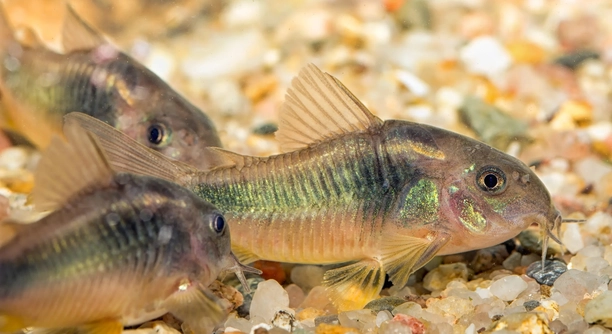
Corydoras catfish are popular for their peaceful nature, but they can get stressed from changes in their environment or care routine. Stress can affect their health and well-being, so knowing how to help them recover is essential.
To help your Corydoras catfish recover from stress, provide a stable environment, maintain clean water, avoid sudden changes, and offer proper nutrition. Keep their tank well-maintained and monitor their behavior to catch any issues early.
Taking these steps will improve your catfish’s recovery and help you prevent future stress. By understanding their needs, you’ll ensure a healthier and happier tank environment.
Understanding Corydoras Catfish Stress
Corydoras catfish are sensitive creatures, and stress can quickly affect their health. Stress can arise from many factors like poor water quality, sudden temperature changes, or overcrowding in their tank. When they feel stressed, these catfish may stop eating, hide more often, or exhibit abnormal behavior like darting or rapid swimming. It’s important to recognize these signs early, as prolonged stress weakens their immune system, making them more susceptible to diseases. Keeping their tank environment consistent and clean is key to preventing stress.
A well-maintained aquarium and proper care go a long way in reducing stress in Corydoras catfish. Regular water changes, temperature monitoring, and the right tank mates all help keep your fish calm.
By focusing on water quality and their environment, you’ll make a significant difference in the health of your Corydoras. Fish that are stressed due to poor care can develop long-term health problems, which are easier to prevent than fix. Understanding and addressing the factors contributing to stress will give your fish the best chance of a healthy life.
The Importance of Clean Water
Maintaining clean water is one of the most important steps to reduce stress in Corydoras catfish. Polluted or dirty water increases the chance of infections and discomfort for your fish. Regular water changes are essential.
Corydoras catfish are sensitive to changes in water quality. Their gills and skin can easily be affected by high levels of ammonia, nitrites, and nitrates. These toxic substances build up quickly in tanks that aren’t cleaned often enough. To keep the water safe, do regular water changes, monitor the tank’s filtration system, and test water parameters frequently. In addition, make sure the water temperature stays stable to avoid shocking your fish. Keeping their environment clean not only improves their health but also helps them feel secure and calm.
A good filtration system is also crucial in keeping water clean, as it helps remove waste and debris from the tank. A stable, clean environment is one of the simplest ways to keep your catfish happy and healthy.
Stable Water Temperature
Corydoras catfish thrive in water with stable temperatures between 72°F and 78°F. Rapid temperature changes can be stressful and harmful to them. To avoid stress, keep their tank in a room with consistent temperature.
Using a reliable aquarium heater can help maintain a stable temperature. It’s important to avoid placing the tank near windows or vents, as they can cause temperature fluctuations. Invest in a good thermometer to monitor the water temperature regularly. Corydoras are more susceptible to stress if the water temperature is too low or high, so consistency is key.
If the temperature is too cold, your Corydoras may become sluggish, while too hot water could cause them to become more active but stressed. Sudden temperature shifts, even if slight, can make them more prone to illness. A stable environment where the temperature doesn’t change drastically is essential to reduce their stress levels.
Appropriate Tank Size and Setup
An overcrowded tank can lead to stress, especially for Corydoras. Ensure your aquarium has enough space for all the fish and provides ample hiding spots.
Corydoras prefer tanks with plenty of space and places to hide. They are bottom dwellers, so having a substrate of fine sand or smooth gravel is essential for their well-being. Avoid sharp rocks or gravel that could damage their sensitive barbels. Also, add plants or decorations that provide hiding spots and reduce stress by offering privacy. A tank that is too small or overcrowded will cause the fish to feel cramped and anxious.
A well-designed tank not only helps reduce stress but also mimics the natural environment of Corydoras. Adding live plants, gentle filtration, and creating different zones for fish to explore will help them feel more comfortable. If you want your catfish to thrive, focus on creating a balanced setup with plenty of open spaces and peaceful areas for them to rest.
Proper Tank Mates
Corydoras catfish do best in peaceful community tanks. Avoid aggressive species that can cause stress. Choose compatible fish that won’t harass your catfish.
Tank mates like small tetras, rasboras, or peaceful shrimp work well with Corydoras. Avoid species that may nip at their fins or outcompete them for food. Stress from aggressive fish can quickly weaken Corydoras and make them more susceptible to illness. Always research fish compatibility before adding them to your tank to ensure everyone gets along.
With the right tank mates, your Corydoras will feel secure and less stressed, leading to better health and behavior.
Regular Feeding Schedule
Feeding your Corydoras a balanced diet is key to reducing stress. They thrive on a regular feeding routine and variety in their food.
Offer them sinking pellets, high-quality flakes, or live foods like brine shrimp and bloodworms. Feed them once or twice a day, making sure they finish their food within a few minutes to avoid water contamination. A consistent feeding schedule ensures your fish are properly nourished and satisfied. Overfeeding can cause stress and harm their environment.
Avoiding Sudden Changes
Corydoras are sensitive to sudden changes, whether it’s water parameters or tank environment. Abrupt changes can cause stress.
Make sure to introduce new elements gradually. For example, don’t move decorations or make major water changes all at once. Sudden changes disrupt their routine, leading to stress and potentially health issues. Always adjust slowly and observe how your fish respond.
FAQ
What are the signs of stress in Corydoras catfish?
When Corydoras are stressed, they may exhibit behaviors like hiding more often, rapid swimming, or darting around the tank. They may stop eating or become lethargic. Stress can also cause them to breathe faster or stay near the surface. If you notice these signs, it’s important to address the potential causes immediately, like water quality issues or tank mates.
How can I tell if my Corydoras are comfortable in their tank?
Comfortable Corydoras are usually active, exploring the bottom of the tank and foraging for food. They may also swim in small groups with their tails pointing downward. Healthy Corydoras are also social, so they tend to move around more frequently, and their colors are vibrant. They may seek shelter from time to time, but they’ll do so in a calm and controlled manner.
Is it normal for Corydoras to hide a lot?
It’s normal for Corydoras to hide occasionally, as they like to have hiding spots in their tanks. However, if they are constantly hiding and avoiding food or social interaction, it might be a sign of stress. Make sure their tank setup provides enough places to hide while still giving them space to move around. If they’re hiding too much, check the water quality and make sure the tank isn’t overcrowded.
What should I feed my Corydoras to keep them healthy?
Corydoras are omnivores and need a balanced diet. High-quality sinking pellets are a good staple, but supplementing with frozen or live foods, such as bloodworms or brine shrimp, is also beneficial. Occasionally, offer them vegetables like blanched zucchini or peas to provide fiber. Keep feeding times consistent, and avoid overfeeding, as uneaten food can pollute the water and add to stress.
Can Corydoras be kept with other types of fish?
Yes, Corydoras are peaceful fish and can be kept with other species, as long as the tank mates are also non-aggressive. Avoid fish that may nip at their barbels or steal their food. Small, calm fish like tetras, rasboras, or peaceful shrimp are ideal companions. Be cautious when adding any new fish and monitor their interactions.
How often should I change the water in my Corydoras tank?
Water changes should be done regularly, typically 25-30% of the tank volume every week or two, depending on the size of the tank and the number of fish. Regular changes help maintain good water quality and prevent the buildup of harmful toxins like ammonia or nitrates. Always test the water before and after changes to ensure it’s within safe parameters for your Corydoras.
Why are my Corydoras not eating?
If your Corydoras are not eating, it could be due to stress, poor water quality, or illness. First, check the water parameters—ammonia, nitrites, and nitrates should be at safe levels. Stress from changes in their environment or tank mates can also cause a loss of appetite. If the water quality is good and stress factors are minimized, and they still refuse food, it’s time to observe them more closely for possible signs of disease.
How do I prevent Corydoras from getting sick?
The best way to prevent illness is by providing a clean and stable environment. Regular water changes, maintaining proper filtration, and monitoring water parameters help keep your fish healthy. Avoid overfeeding and overcrowding, as both can increase the risk of disease. Additionally, always quarantine any new fish before introducing them to prevent the spread of illnesses.
Can Corydoras live with other bottom-dwelling fish?
Corydoras can live with other bottom-dwelling fish as long as the species are non-aggressive and have similar needs. Species like loaches, small catfish, or peaceful shrimp can share the bottom of the tank. However, it’s important to ensure that everyone has enough space and food to prevent competition and stress.
Do Corydoras need a specific type of substrate?
Yes, Corydoras are bottom dwellers, and their barbels are sensitive, so it’s important to provide a soft substrate like fine sand or smooth gravel. Sharp gravel can damage their barbels and cause health problems. A substrate that is easy to clean is also helpful, as it reduces the buildup of waste that can pollute the water.
How can I help my Corydoras recover from stress?
To help a stressed Corydoras recover, focus on improving their environment. Ensure the water quality is optimal by performing regular water changes and monitoring temperature and chemical levels. Reduce any aggressive tank mates and make sure there are enough hiding spots. Proper feeding and a stable, calm environment will help them recover.
What is the best tank temperature for Corydoras?
Corydoras prefer temperatures between 72°F and 78°F (22°C to 25°C). Keeping the water within this range ensures they are comfortable and less likely to experience stress. Avoid large temperature swings, as they can cause discomfort and increase the likelihood of illness. A good aquarium heater can help maintain the temperature consistently.
How many Corydoras should be kept together?
Corydoras are social fish and do best in groups of at least three to five individuals. Keeping them in a group mimics their natural behavior and reduces stress. A small school will help them feel safe and secure. Larger groups of Corydoras are even better for their well-being, as they engage in natural behaviors and create a calmer tank environment.
Final Thoughts
Corydoras catfish are peaceful and enjoyable to keep in an aquarium, but they are sensitive to changes in their environment. Stress can easily affect their health, so it’s essential to provide them with a stable and clean tank. Ensuring proper water quality, maintaining the right temperature, and choosing compatible tank mates can make a significant difference in how well they thrive. Stress is often a result of poor conditions or sudden changes, so it’s crucial to pay attention to the little details. Corydoras do well when given the proper care and attention, and understanding their needs helps prevent problems before they arise.
Maintaining a clean environment is the first step in keeping your Corydoras healthy. Regular water changes, proper filtration, and monitoring of water parameters are necessary to reduce toxins and keep your fish comfortable. Corydoras are bottom dwellers and need a substrate that allows them to forage safely without damaging their sensitive barbels. Keeping the right balance of food, space, and water quality helps avoid stress and keeps them active and happy. When these conditions are met, Corydoras are known to thrive and live long, healthy lives.
Finally, understanding and observing the behavior of your Corydoras is key to knowing when something is wrong. If they’re hiding more than usual, swimming erratically, or not eating, it could be a sign of stress or illness. Identifying and addressing the problem early on will help avoid more severe health issues down the road. With the right environment, care, and attention, Corydoras catfish will continue to bring beauty and peace to your aquarium. Keep their needs in mind, and you’ll have happy, healthy fish to enjoy for years to come.

Hello,
If you enjoy the content that we create, please consider saying a "Thank You!" by leaving a tip.
Every little bit helps us continue crafting quality advice that supports the health, happiness, and well-being of pets around the world, for pets of all shapes, sizes, and species.
We really appreciate the kindness and support that you show us!