
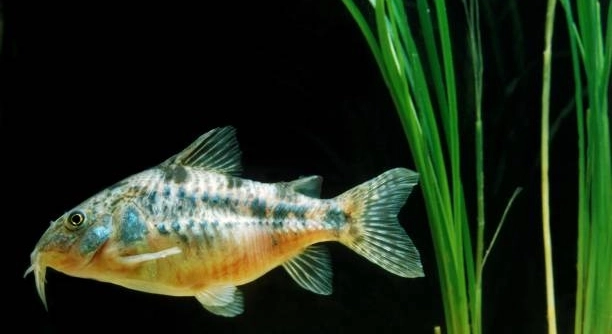
Have you ever noticed your Corydoras catfish swimming into the current like it’s a fun little game or routine?
Corydoras catfish often swim in the current as a form of stimulation, exercise, or exploration. This behavior can also reflect their natural instincts, environmental preferences, or social habits, especially when kept in a well-oxygenated tank.
This playful activity can mean several things, and understanding the reasons can help you create a more enriching home for your fish.
It Might Be Enjoying the Water Movement
Corydoras catfish are active bottom-dwellers, and swimming into the current can feel stimulating and natural for them. In their native rivers, they often encounter flowing water and learn to move comfortably through it. When kept in a tank with a filter or air stone, that movement mimics their wild habitat. The current might offer them light resistance, which adds an extra layer of physical activity to their day. Watching them swim in place or dart through bubbles can look playful, but it’s also a way for them to stay engaged. For these catfish, structure and flow keep things interesting. As long as they’re not struggling or gasping at the surface, this kind of movement is completely normal and often enjoyable. It can also be a way to burn off energy, especially if they live in a well-maintained tank that encourages exploration and gentle activity.
Noticing this kind of behavior usually means your fish feels comfortable and stimulated in its environment.
Still, it’s good to check the filter strength and water flow in the tank. Corydoras enjoy movement, but too much turbulence might cause stress. Adjust equipment to maintain gentle but steady water motion that mimics their natural setting.
It Could Be a Sign of Social Behavior
Corydoras are naturally social and often engage in group activities.
In a group, these fish may chase one another or swim together into the current as a form of bonding. They thrive when kept in schools of at least five or six. Swimming into the current might even serve as a cue for shared activity—like a group stretch or a little routine they’ve developed together. This behavior becomes more noticeable in tanks where there’s enough space and clean water to support healthy interaction. When Corydoras swim in sync, especially against water flow, it can also be a sign of comfort and strong social ties. They may even follow the lead of a more active fish, mimicking its movements through the tank. Observing this kind of behavior is a positive sign. It tells you the group is not only getting along but also feeling secure and stimulated enough to engage in playful, coordinated movement.
It May Be Reacting to Tank Conditions
Sometimes, Corydoras swim into the current because of subtle changes in their environment. Water flow might feel like a safe, oxygen-rich space if something elsewhere in the tank doesn’t feel right.
If the water quality isn’t ideal, Corydoras may head for the current where oxygen levels are typically higher. This can happen if there’s a buildup of waste, decaying food, or reduced circulation in other parts of the tank. Though they’re hardy, these fish are sensitive to sudden shifts in ammonia, pH, or temperature. Regular testing helps you catch problems early. If your catfish are crowding around the filter output or air stone, it’s worth checking all your levels. They could be trying to find comfort in a space that feels fresher and safer. Addressing these changes promptly can ease their stress and reduce unusual swimming patterns.
Consistent maintenance keeps things stable. Make small, regular water changes, and avoid overfeeding. A well-balanced tank means happier, calmer fish.
It May Be Trying to Breathe Easier
When oxygen levels drop, Corydoras may naturally move toward stronger water flow to get more air. This can look like playful behavior at first but may indicate they’re compensating for a problem.
Filters and air stones increase oxygenation by agitating the surface, which helps gas exchange. If the rest of the tank has still water or reduced movement, your fish might be using the current as a breathing zone. Warm water holds less oxygen, so if the temperature rises—especially in summer—this kind of swimming may become more frequent. You might also notice them darting to the surface for air more often than usual. While Corydoras can gulp air due to their labyrinth-like breathing ability, they shouldn’t have to do it constantly. Monitor their behavior closely, and check if your equipment is running properly. Adding a second air stone or adjusting the filter can make a big difference in oxygen levels.
It May Be Bored or Looking for Stimulation
Corydoras are curious and active, especially when they feel secure in their tank. Swimming into the current might be a simple way to stay busy and mentally stimulated when there’s not much else going on.
If the tank setup is plain, with few hiding spots or changes in layout, your Corydoras might turn to the moving water as a form of play. Adding driftwood, plants, or different textures on the substrate can give them more to explore. A stimulating environment helps reduce repetitive or restless behaviors like constant current swimming.
It Might Be Linked to Feeding Patterns
Some Corydoras associate the current with food. If you often feed them while the filter or air stone is running, they may develop a habit of checking that area whenever they’re hungry. They’re smart and can link certain patterns—like water movement—with feeding time. Even if there’s no food present, they might still swim in that zone expecting a treat. This type of behavior can become routine if reinforced over time. It’s harmless but important to keep feeding consistent and not overly connected to the current. Balanced feeding routines help prevent food-driven stress and reduce aimless swimming.
It Could Be a Quirk of the Individual Fish
Like people, fish have their own habits. One Corydoras might love playing in the current, while another avoids it completely.
FAQ
Is it normal for Corydoras to swim against the current?
Yes, it’s normal in many cases. Corydoras are active bottom dwellers, and some enjoy swimming into currents, especially if the flow is gentle. It can be part of their natural behavior and sometimes helps them stay alert or exercise. However, if the behavior is sudden, constant, or paired with other signs like gasping or hiding, it could mean something’s off in the tank. Always keep an eye on their patterns and the overall tank environment.
Should I adjust the filter if my Corydoras swim in the current often?
It depends on how strong the current is. If the flow is too strong and your fish look like they’re struggling to stay in place or being pushed around, it’s a good idea to reduce it. You can use a sponge filter, flow baffle, or plants to break up strong currents. But if your fish are choosing to swim in the current and look relaxed while doing it, they’re likely just enjoying it.
Can swimming in the current stress out my Corydoras?
Swimming in a strong current all the time can tire them out, especially if they’re doing it because they feel like they have to, not because they want to. If the rest of the tank doesn’t feel safe or comfortable, they may stick to the current for relief. Stress over time can weaken their immune system, so make sure they’re not doing it out of discomfort.
Why do my Corydoras swim up and down in one spot in the current?
This could be a sign of excitement, habit, or even mild anxiety. If they’re not showing other symptoms like clamped fins or gasping, it might just be their way of staying busy. Some fish repeat patterns when they’re bored or expect food. Add enrichment or adjust feeding routines to see if the behavior changes.
Can the current improve tank conditions for Corydoras?
A gentle current helps oxygenate the water and can keep waste suspended long enough for filters to catch it. This benefits Corydoras, who live at the bottom where oxygen can sometimes be lower. Just avoid anything too strong—gentle movement is enough. A calm flow keeps the tank cleaner and reduces dead zones.
Is it okay if only one Corydoras in the group swims in the current?
Yes, it’s fine. Corydoras have individual personalities, even in a group. One might enjoy zipping around in the moving water while others prefer sifting through the substrate. If the fish seems healthy, active, and is eating well, it’s nothing to worry about. Watch for sudden changes, but don’t stress over differences.
How can I tell if the current is too strong for my fish?
Look for signs like your Corydoras struggling to stay in one spot, being constantly pushed backward, or sticking only to one side of the tank. If they look exhausted or are avoiding the open water, the current might be too strong. Adjust flow with plants or filter covers to reduce stress.
Do all Corydoras species like the current equally?
Not always. Some species are more active and tolerant of flow than others. For example, Corydoras sterbai may prefer calmer waters compared to Corydoras aeneus, which might be a bit more active. Knowing your species helps you fine-tune the tank to suit their needs.
What can I do if my Corydoras seem obsessed with the current?
Check the tank setup first—make sure water quality is good, the environment is enriched, and the flow isn’t too strong. Add hiding spots and plants to give them more variety. Spread food out so they don’t associate only one area with feeding. Small changes can often reset their habits.
Final Thoughts
Watching your Corydoras catfish play in the current can be a charming part of owning an aquarium. It’s normal for these active little fish to explore their surroundings and enjoy different areas of the tank, including spots with flowing water. While this behavior can look playful or random, it often has meaning. It may relate to the way they were raised, how the tank is set up, or how they’re feeling. Sometimes they swim into the current for fun or stimulation. Other times, they may be reacting to something off in their environment. Either way, it helps to pay attention to the pattern so you can learn more about what your fish might need.
Many of the reasons behind this behavior are harmless. Corydoras are social and curious by nature, and they often enjoy swimming together or exploring new movement in the water. If the current is gentle, it may give them a little workout or simply feel interesting to them. However, if your fish seem stressed, if they’re doing it constantly, or if they avoid other areas of the tank, it’s worth checking on their setup. Make sure the current isn’t too strong and that they have enough space, hiding places, and oxygen. Keep an eye on your water quality as well. Even if things look okay at first, small issues like low oxygen or high ammonia can affect their behavior over time.
Each fish is different, and Corydoras can have their own habits, preferences, and reactions. Some will love the current, while others will avoid it. It’s part of what makes keeping fish both interesting and rewarding. The key is to watch your fish closely, keep their environment healthy, and respond to changes when they come up. If one fish enjoys a current and looks active and well-fed, there’s no need to worry. If the behavior changes suddenly or if other signs of stress appear, that’s when it’s time to investigate further. By learning more about their habits and how they interact with their surroundings, you can create a tank where your Corydoras feel safe, curious, and content. A little attention goes a long way in keeping them happy.

Hello,
If you enjoy the content that we create, please consider saying a "Thank You!" by leaving a tip.
Every little bit helps us continue crafting quality advice that supports the health, happiness, and well-being of pets around the world, for pets of all shapes, sizes, and species.
We really appreciate the kindness and support that you show us!