
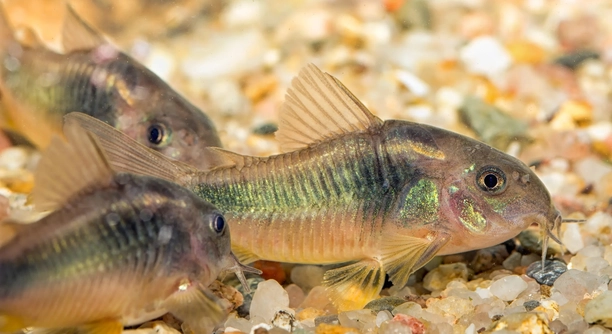
Corydoras catfish are popular freshwater pets, known for their peaceful nature and bottom-dwelling habits. They are relatively easy to care for, but like all fish, they need to be in good health to thrive in their aquarium.
To ensure your Corydoras catfish is healthy, observe its behavior, appearance, and activity levels. Key signs of good health include active swimming, clear eyes, clean fins, and regular eating habits. Monitor water quality for optimal health.
Knowing the signs of a healthy Corydoras can make a big difference in keeping your fish happy and active. Understanding these signs can help you spot problems early and take action if needed.
Active Swimming
One of the most obvious signs of a healthy Corydoras catfish is its swimming behavior. These fish are typically active, moving around the bottom of the tank, and occasionally swimming to the surface for air. If your catfish seems lethargic or stays in one spot for too long, it may be an indication that something is wrong. A healthy Corydoras should explore its environment and occasionally interact with other fish. Make sure your tank has enough space and hiding spots for them to feel comfortable.
When your catfish is active, it’s a good sign of overall well-being. Lack of movement, on the other hand, can be a red flag. Keep an eye on your fish’s activity levels and note any significant changes.
Sometimes, tank conditions or stress can cause a decrease in activity. Ensuring the water quality is good and maintaining an appropriate temperature can help keep your Corydoras moving. Additionally, if your catfish isn’t moving much, check if it’s struggling to reach food or having trouble swimming. This could indicate a problem.
Clear Eyes and Gills
Healthy Corydoras catfish will have clear, bright eyes and gills. If you notice any cloudiness or swelling around the eyes, it could be a sign of infection or poor water quality. Keep an eye out for any unusual changes. Clean water is essential for preventing eye and gill issues.
Clear eyes and gills are key to your catfish’s well-being. If you spot any signs of discomfort, like eye cloudiness or swelling, check your water conditions immediately and act quickly.
Healthy Appetite
A Corydoras catfish with a healthy appetite will readily accept food during feeding time. It will actively forage at the bottom of the tank, eating pellets or live foods. If your catfish is not eating or showing disinterest in food, this may signal an underlying health issue.
It’s important to offer a balanced diet, including sinking pellets, worms, or vegetables, to ensure your Corydoras gets all necessary nutrients. Healthy fish will eat regularly and seem eager when food is offered. Keep track of your catfish’s eating habits, as a sudden lack of appetite can be a sign of stress, water quality problems, or illness.
Watch for signs like uneaten food left in the tank, which may indicate the fish is not eating properly. Also, if your catfish is losing weight or appears underfed, it’s essential to assess its diet and overall health. If the problem persists, checking water parameters and consulting a vet can help.
Clean Fins and Body
Healthy Corydoras catfish will have clean, smooth fins and a well-maintained body. Any visible damage, such as fraying fins or cuts, could indicate a bacterial infection or rough tank conditions. Look for signs of irritation or injury.
Fins should not be torn or ragged, and the body should be free from sores or lesions. Sometimes, injuries can result from aggressive tank mates, or from the fish rubbing against rough surfaces. Ensure your tank is well-maintained, with no sharp objects or aggressive species that could harm your Corydoras.
Also, check for any unusual growths or discoloration. Healthy Corydoras should have smooth, even skin with no swelling or bumps. If your catfish’s fins or body show signs of distress, it’s essential to investigate possible causes and take action quickly.
Normal Breathing
Corydoras catfish breathe by using their gills and occasionally surface for air. A healthy fish will have a smooth, steady breathing pattern without gasping at the water’s surface. If you notice rapid or labored breathing, it could be a sign of poor water quality or an underlying health problem.
Watch how your Corydoras breathes during regular activities. If you see it gasping for air or hovering at the surface more than usual, check your water’s oxygen levels and temperature. Fluctuating or high temperatures can also lead to difficulty breathing, making it important to maintain stable conditions.
Ensure your tank has proper aeration and filtration, as stagnant water can lead to poor oxygen levels. If your catfish is struggling to breathe, adjust the environment immediately to avoid further stress or harm.
Healthy Skin and Coloration
A Corydoras with healthy skin will have vibrant, even coloration. Its scales should shine, and there should be no signs of discoloration or fading. If you notice any unusual dark spots or pale skin, it’s time to assess the water conditions and the fish’s overall health.
Faded colors can sometimes indicate stress, malnutrition, or illness. Corydoras typically have a bright, consistent pattern that should be maintained when they are well. Changes in coloration might occur from poor diet or environmental factors, such as high ammonia or nitrite levels.
Monitor the fish closely, and address any water quality issues to restore its appearance. Healthy fish will show off their natural colors, which is a good sign of their vitality.
Good Social Behavior
Corydoras catfish are peaceful and social creatures. They tend to thrive when kept in groups and will often interact with each other. A healthy Corydoras will swim and explore its surroundings with the other fish in the tank. If it seems to isolate itself, it may be feeling stressed or unwell.
These catfish are bottom dwellers and enjoy foraging with their group. If your Corydoras is frequently hiding or acting withdrawn, check for any signs of bullying or discomfort from other tank mates. A healthy fish should be active and social within the group.
If your catfish is showing signs of aggression or being chased away, it’s important to reassess the tank setup and the compatibility of the other species.
FAQ
How often should I feed my Corydoras catfish?
Corydoras catfish should be fed once or twice a day. They are bottom feeders, so they’ll spend most of their time foraging for food. Be sure to offer sinking pellets or other foods that reach the bottom, where they feel most comfortable. Overfeeding can lead to water quality issues, so feed in small amounts that they can consume in a few minutes.
What type of water conditions are best for Corydoras?
Corydoras catfish thrive in slightly acidic to neutral water, with a pH range between 6.0 and 7.5. The temperature should be kept between 72°F and 78°F (22°C to 26°C). These fish prefer soft to moderately hard water. Regularly check the ammonia, nitrite, and nitrate levels to ensure the water remains clean and healthy.
Do Corydoras need a filter in their tank?
Yes, Corydoras catfish benefit from having a good filtration system in the tank. They like clean water, and a filter helps remove waste and maintain water quality. However, it’s essential to use a filter with gentle flow, as Corydoras are not strong swimmers and can struggle with strong currents. A sponge filter is often a good choice for these fish.
Can Corydoras catfish live alone?
While Corydoras can live alone, they are social creatures and prefer to be kept in groups of at least three to six. In the wild, they live in schools, and having other Corydoras around will reduce stress and encourage natural behavior. A solo Corydoras may appear more reclusive and less active than one kept with others.
How do I know if my Corydoras is sick?
Signs of illness in Corydoras include lethargy, loss of appetite, rapid breathing, abnormal swimming behavior, or visible wounds. Their skin may lose color or develop lesions, and they may isolate themselves from the rest of the group. If you notice any of these signs, check the water parameters immediately and consider isolating the sick fish to prevent the spread of potential diseases.
Why are my Corydoras catfish hiding?
Corydoras catfish may hide when they feel stressed, scared, or unwell. If they are hiding frequently, check for potential sources of stress such as aggressive tank mates, bright lighting, or poor water quality. Ensure they have plenty of hiding spots and that their environment is peaceful. Stressful conditions can lead to weakened immune systems, making them more susceptible to illness.
What can I do if my Corydoras isn’t eating?
If your Corydoras is not eating, first check the water quality. Poor water conditions are often a major factor in loss of appetite. Also, try offering different types of food, such as live or frozen worms, or different brands of sinking pellets. If your catfish continues to refuse food, it may be ill, and you should closely monitor its health and consider seeking advice from a vet.
Can Corydoras catfish live with other species?
Yes, Corydoras catfish are peaceful and typically get along well with many other species. They are bottom dwellers, so they usually don’t compete for food or space with other fish. Avoid keeping them with very aggressive fish or species that might nip at their fins. Good tank mates include small, peaceful fish like tetras, guppies, or danios.
Do Corydoras catfish need special care?
Corydoras catfish are relatively low-maintenance fish but do require good water quality and stable conditions. Regular water changes, proper filtration, and a varied diet are essential. Be mindful of tankmates and ensure they have enough space to swim and explore. With the right care, Corydoras will thrive and live a long, healthy life.
Why are my Corydoras catfish losing their color?
Loss of color in Corydoras catfish can indicate stress, poor water conditions, or illness. If your catfish is exposed to high levels of ammonia, nitrite, or nitrate, this can cause their color to fade. Stress from aggressive tank mates or improper lighting can also cause this. It’s important to address any water quality issues and ensure a peaceful environment.
How do I prevent my Corydoras catfish from getting sick?
To keep your Corydoras healthy, maintain a clean tank with stable water conditions. Regular water changes and monitoring water parameters are key. Avoid overfeeding, and make sure they have a balanced diet. Also, provide them with a calm, stress-free environment by ensuring they are kept with compatible tank mates.
Do Corydoras catfish need a heater?
Yes, Corydoras catfish require a heater to maintain a consistent water temperature. They prefer temperatures between 72°F and 78°F. If the temperature in your tank fluctuates too much, it can stress the fish and make them more vulnerable to illness. A reliable aquarium heater will help maintain stable conditions.
Can Corydoras catfish live with snails?
Yes, Corydoras catfish can live with snails without any issues. Snails do not typically compete with Corydoras for food, as they prefer to stay on the tank’s surfaces, eating algae and detritus. However, ensure that the snails you introduce to the tank are not too large, as they may create space competition.
How long do Corydoras catfish live?
Corydoras catfish typically live for 5 to 10 years, depending on their care and environment. Proper water quality, a balanced diet, and a stress-free environment will help them live to the upper end of their lifespan. Regular tank maintenance and monitoring their health will ensure they live a long, healthy life.
How do I tell the difference between male and female Corydoras catfish?
Male Corydoras catfish are usually smaller and more slender than females. During breeding, females tend to have a rounder abdomen as they carry eggs. Male catfish may also have more prominent barbels (whiskers) than females. This difference becomes more noticeable when they reach maturity.
What temperature is best for Corydoras catfish?
Corydoras catfish prefer temperatures between 72°F and 78°F. It’s important to keep the tank within this range for optimal health. If the water is too cold or too warm, it can stress the fish and affect their immune system, making them more susceptible to illness.
Final Thoughts
Corydoras catfish are generally easy to care for, but ensuring their health requires attention to their environment and behavior. By observing your catfish closely, you can spot early signs of health issues and take action before they become more serious. A Corydoras that is active, eating well, and swimming smoothly is likely in good health. On the other hand, signs such as lethargy, poor appetite, or abnormal swimming could indicate stress, illness, or poor water quality. By addressing these issues quickly, you can help your fish return to good health and avoid long-term problems.
Maintaining a stable tank environment is key to keeping your Corydoras catfish healthy. Regular water changes, monitoring water quality, and ensuring proper filtration are crucial steps to creating a comfortable habitat. Since Corydoras prefer slightly acidic to neutral water with stable temperatures, paying attention to these factors will help them thrive. Be mindful of overfeeding, as leftover food can pollute the water. Additionally, make sure the tank is equipped with appropriate hiding spots and that the water flow is not too strong, as Corydoras are not strong swimmers and can get stressed in strong currents.
Lastly, knowing what to look for when it comes to social behavior, feeding habits, and physical condition will help you understand your Corydoras better. A healthy Corydoras will show vibrant colors, clear eyes, and smooth fins, and will interact with other fish in the tank. If any signs of stress or illness appear, addressing them quickly will help prevent bigger problems down the line. With the right care and attention, your Corydoras catfish can live a long, healthy, and happy life in your aquarium.

Hello,
If you enjoy the content that we create, please consider saying a "Thank You!" by leaving a tip.
Every little bit helps us continue crafting quality advice that supports the health, happiness, and well-being of pets around the world, for pets of all shapes, sizes, and species.
We really appreciate the kindness and support that you show us!