
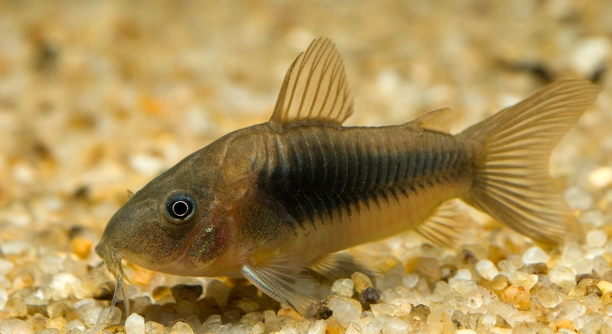
Corydoras catfish are known for their peaceful nature, but they can also show competitive behavior when it comes to food. If you notice unusual actions around feeding time, it may indicate they’re vying for food.
Corydoras catfish may compete for food if they exhibit aggressive behavior, such as pushing others away, darting quickly to grab food, or blocking access to feeding areas. These actions are signs of competition among the fish.
Understanding these signs can help improve their feeding routine and ensure all your fish are getting enough to eat.
Why Is My Corydoras Catfish Competing for Food?
Corydoras catfish are generally peaceful fish, often seen swimming in schools and scavenging the substrate for food. However, when competition arises, it’s usually due to a few reasons. Overcrowding is a common issue in tanks, where too many fish vie for limited resources. Additionally, a lack of variety in food or inadequate feeding habits can lead to certain fish becoming more aggressive during feeding times. As these fish are bottom dwellers, they tend to compete for food on the tank floor, which can lead to some pushing and shoving. In a tank with more dominant fish, the Corydoras may feel the need to fight for their fair share of food. This behavior, although not typical, can be managed with the right tank setup and feeding practices.
The key to reducing food competition is ensuring a balanced diet for all tank inhabitants. Feed them in separate areas to allow every fish to access food.
Sometimes, tank conditions cause one Corydoras to act more aggressively. Poor water quality, stress, and overcrowded conditions can increase competition. To prevent this, make sure your tank is well-maintained and each fish has enough space.
Signs Your Corydoras Is Competing for Food
If your Corydoras is competing for food, you may notice specific behaviors. They may rush to the surface at feeding time or push other fish aside to grab food.
The physical behavior displayed by Corydoras when competing includes aggressive fin flaring, quick darting motions, or even chasing other fish away from food. In some cases, you may even see them “hovering” near the feeding area, waiting for an opportunity to grab food before others.
This aggressive behavior can be more noticeable in crowded tanks where fish have limited access to food. Additionally, Corydoras are more likely to compete for food if they aren’t getting enough nutrients or if other tank mates are taking more than their share. If your tank setup does not allow for enough space or food distribution, it can lead to increased competition among the fish. By addressing these issues, you’ll reduce stress for your Corydoras and ensure all fish are properly nourished.
How to Prevent Food Competition Among Corydoras
To prevent food competition, ensure that your tank is not overcrowded. Provide adequate space for each fish to access food without interference. Proper tank size and reducing the number of fish can help maintain peace.
Feeding the Corydoras in separate areas or using feeding dishes is an effective strategy. This ensures that each fish gets enough to eat without having to fight for their share. Additionally, try spreading food evenly across the tank floor to minimize conflicts during feeding. Regularly monitoring the fish’s behavior and adjusting the feeding routine will also reduce competition.
Another approach is to feed multiple smaller meals throughout the day instead of one large feeding session. This allows the Corydoras to consume food at their own pace without being pushed out by other fish. If possible, consider feeding your catfish after the other tank mates have had their fill. This gives them the opportunity to eat without competition from more dominant species.
When Is It Time to Adjust Tank Conditions?
Adjusting tank conditions is necessary if the competition becomes more intense. Poor water quality, overcrowding, and stress can all cause more aggressive behaviors. Regular water changes are essential to maintain a healthy environment.
Start by checking water parameters like temperature, pH, and ammonia levels. Poor water quality is often a major contributor to stress, which can make Corydoras more competitive. Keep an eye on these parameters and ensure the water remains clean and stable. A filter designed for your tank size, along with routine maintenance, helps improve water conditions.
Ensure there are enough hiding spots and plants in the tank to reduce stress. Corydoras feel more secure when they have places to hide, which can reduce competition for food. Additionally, providing plenty of substrates where they can forage naturally can help them feel at ease. By addressing these conditions, you’ll create a peaceful environment where your Corydoras can thrive without unnecessary competition for food.
The Importance of Variety in Their Diet
Offering a variety of foods can reduce food competition. Corydoras are omnivores, so including both plant-based and protein-rich foods will keep them satisfied.
Variety not only helps meet their nutritional needs but also reduces the chance of some fish dominating the food. Experiment with different options like sinking pellets, bloodworms, and vegetable matter to ensure they all get enough.
How to Spot Aggression from Other Fish
Fish species in the tank may also be a cause of food competition. Aggressive or dominant species can outcompete the Corydoras for food, making them less likely to get enough to eat.
To reduce this, place Corydoras with peaceful tank mates. Avoid species that tend to be aggressive during feeding times, as this will only exacerbate the problem. When choosing companions, opt for non-territorial species that won’t push the Corydoras aside during feeding.
Feeding Time Tips for a Balanced Meal
Feeding your Corydoras at the right time helps reduce competition. Feed them when tank mates are less active to give them more time to consume food. Spreading the food out over a larger area also makes it harder for any single fish to dominate.
FAQ
How can I tell if my Corydoras catfish is hungry?
Corydoras catfish are typically active and always on the hunt for food. If they are hungry, they will swim actively along the substrate, foraging for any small particles or food bits. A hungry Corydoras will also eagerly come to the surface when they sense food is being offered. Their lack of enthusiasm during feeding times could indicate they are not hungry, but keep in mind that each fish may have slightly different feeding habits.
How often should I feed my Corydoras catfish?
Corydoras should be fed small meals 2-3 times a day. Offering multiple small feedings helps reduce food competition and ensures the fish get enough nutrition without overeating. It’s important to monitor how much they eat at each feeding. Overfeeding can lead to water quality problems, while underfeeding may cause malnutrition. Adjust the feeding schedule depending on the behavior of the fish and the tank’s conditions.
What type of food do Corydoras catfish prefer?
Corydoras are bottom feeders and prefer sinking pellets, which allow them to forage on the tank floor. They also enjoy live or frozen foods such as bloodworms, brine shrimp, or daphnia. Plant-based foods like blanched spinach or zucchini are also great for their diet. A balanced diet is key, so offering a mix of these foods is ideal.
Can Corydoras catfish eat algae wafers?
Yes, Corydoras can eat algae wafers, but these should not be their only food source. Algae wafers are high in fiber and can provide some nutrition, but Corydoras require a varied diet for optimal health. It’s best to combine algae wafers with sinking pellets, live foods, and vegetables to ensure a balanced intake of nutrients.
Why are my Corydoras catfish not eating?
If your Corydoras are not eating, several factors could be at play. First, check the water quality, as poor water conditions can reduce appetite. Additionally, stressed fish may refuse to eat. Overcrowding, aggressive tank mates, or insufficient hiding spots can contribute to this stress. Another possibility is a change in diet or feeding habits that doesn’t appeal to them. Consider offering different food types or adjusting the feeding times to see if that sparks their interest.
How do I reduce aggression between Corydoras and other fish?
To reduce aggression, ensure your Corydoras are housed with peaceful tank mates. Corydoras are calm fish but can be stressed by aggressive or territorial species. Species like bettas or cichlids might challenge their space or food. Choose non-aggressive, peaceful species, and consider adding plants, rocks, or caves to create hiding spots and reduce stress.
Is it okay to have multiple Corydoras in one tank?
Yes, Corydoras thrive in groups. They are social fish and feel more secure when kept in schools. It’s recommended to keep at least 4-6 Corydoras together. A larger group will help reduce stress and competitive behavior. However, ensure the tank is large enough to accommodate the group comfortably, as overcrowding can increase food competition and cause stress.
Can Corydoras catfish survive in a community tank?
Corydoras catfish are peaceful and often do well in community tanks, provided their tank mates are non-aggressive. They interact well with other bottom-dwelling fish and small, peaceful species. Be cautious with large or aggressive species, as they may stress or outcompete Corydoras during feeding times.
How do I make sure all my Corydoras get enough food?
To ensure all your Corydoras get enough food, consider offering a variety of foods and using feeding devices like feeding rings or bowls. Feed smaller amounts at several intervals throughout the day instead of one large feeding. If you have multiple species in your tank, you might also want to feed your Corydoras after the other fish have eaten to give them more time and space.
Can Corydoras catfish eat too much?
Yes, Corydoras can overeat if food is provided too frequently or in large quantities. Overfeeding can lead to poor water quality and health problems for the fish. It’s important to monitor how much food they are consuming and adjust the feeding schedule accordingly. Always ensure that the food they don’t eat is removed promptly to avoid it decomposing in the tank.
How do I know if my Corydoras are stressed?
Signs of stress in Corydoras include excessive hiding, lethargy, or swimming erratically. If they are not eating or if their color appears dull, this may also be an indication of stress. Common stressors include poor water quality, aggressive tank mates, or lack of space. Addressing these factors can help your Corydoras feel more secure and reduce stress-related behaviors.
What should I do if my Corydoras catfish is being bullied by other fish?
If your Corydoras is being bullied by other fish, consider removing the aggressive tank mates or separating them into different tanks. Adding more hiding spots or rearranging the tank layout can also help reduce territorial behavior. Ensuring your Corydoras have plenty of space to swim freely will also alleviate some stress and allow them to thrive.
How can I encourage my Corydoras to eat new foods?
Encouraging Corydoras to eat new foods can take some time. Introduce new foods slowly by adding them to their regular meals. Start with small amounts to avoid overwhelming them. If they resist, try placing the food near areas they frequent or use a feeding ring to contain the food in one area. Be patient and give them time to adjust.
Are Corydoras catfish active at night?
Yes, Corydoras catfish are typically more active at night, as they are nocturnal feeders. They will often forage on the tank floor for food when the lights are off. If you have other species in your tank, it’s best to feed Corydoras after lights out or offer food that sinks to the bottom.
Final Thoughts
Understanding the signs of food competition among Corydoras catfish is key to ensuring their health and well-being. These small, peaceful fish thrive when they have access to enough food and when there is minimal stress from tank mates. By observing their behavior closely, you can identify when they are not getting enough to eat and take action to address the issue. Properly managing feeding time, offering a variety of foods, and maintaining a balanced tank environment are all essential steps in reducing food competition.
Corydoras catfish are social creatures that do best in groups, so providing enough space and food for all members of the school is vital. Having multiple Corydoras helps to distribute the food more evenly, and ensuring that no fish is being pushed out of the way is important for their overall health. Additionally, their bottom-dwelling nature means they rely on sinking pellets and other foods that reach the substrate. Offering a mix of live, frozen, and plant-based foods ensures they get a balanced diet. This also helps minimize competition among the fish and promotes a healthier tank environment.
Ultimately, the goal is to create a space where all your Corydoras can thrive. By managing feeding practices and making sure there are no aggressive tank mates, you can keep your Corydoras well-fed and content. Regular observation is key, as it helps you catch any signs of food competition early and adjust your approach accordingly. With a little attention to their needs, Corydoras catfish can be a lively and happy addition to any aquarium.

Hello,
If you enjoy the content that we create, please consider saying a "Thank You!" by leaving a tip.
Every little bit helps us continue crafting quality advice that supports the health, happiness, and well-being of pets around the world, for pets of all shapes, sizes, and species.
We really appreciate the kindness and support that you show us!