
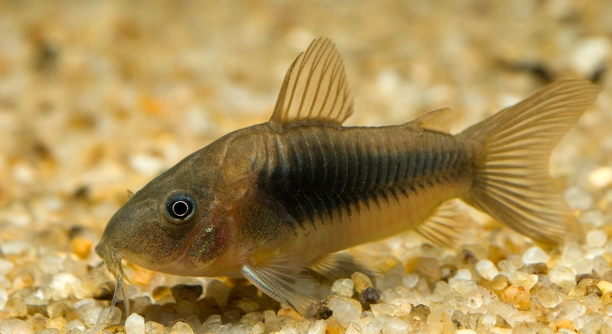
Is your Corydoras catfish acting differently when other fish get too close? You might be noticing the first signs of territorial behavior. These changes can be subtle at first but may become more obvious over time.
Corydoras catfish may display territorial behavior through sudden aggression, guarding specific tank areas, chasing other fish, or frequently hiding. These actions often signal discomfort, stress, or competition for resources such as food, space, or breeding grounds.
By identifying these behaviors early, you can make simple changes to improve their tank environment and support a more peaceful setup.
Sign #1: Your Corydoras Is Chasing Other Fish
Corydoras are usually peaceful, but sudden chasing can mean they are feeling territorial. This behavior often starts when new tank mates are introduced or when the tank becomes overcrowded. The Corydoras may try to defend a particular area or resource, pushing others away with quick movements. It might look playful at first, but consistent chasing is usually a sign of stress. When this happens, it’s important to assess whether there is enough space, hiding spots, and food. The behavior may ease once these needs are addressed. Observe if the fish is targeting one species more than others, as this can also indicate a lack of compatibility. Rearranging the tank decor or spreading food across multiple areas may also help reduce this behavior. Once the fish no longer feels the need to defend its space, it may return to its usual calm nature.
This behavior typically begins in small bursts before becoming more constant and targeted.
Making changes early can prevent injuries and restore balance. A more spacious tank with plants, caves, and hiding spots helps reduce stress and stops territorial actions. Creating zones can also help your Corydoras feel secure. Even small changes can lead to better behavior. Take note of changes in the tank dynamics and how the fish react. Some fish may tolerate each other more when there are more escape routes and visual barriers. If your Corydoras is particularly active during feeding time, spread out food to prevent competition. These steps can make a noticeable difference in their behavior. Monitoring and adjusting their environment ensures a calmer space for every fish. This helps support the peaceful nature that Corydoras are known for and prevents further escalation.
Sign #2: Guarding a Specific Area
This behavior is easy to miss, especially in a well-decorated tank. But a Corydoras that won’t leave a spot may be guarding it.
If your Corydoras is staying near one spot for long periods—especially under driftwood, inside a cave, or behind a plant—it may be staking out that area. This behavior can look like resting, but if the fish consistently chases others away from the area, it is likely a sign of territorial behavior. This happens more often in crowded or undersized tanks, where space is limited and fish feel the need to claim a safe zone. It may also occur during breeding periods when the fish becomes protective. Watch how often the Corydoras returns to this area and how it behaves when others approach. Territorial behavior can increase at night or when tank lights are dim. Reducing competition for space, adjusting decorations, or expanding the tank size may stop the need for guarding behavior.
Sign #3: Increased Hiding or Avoidance
If your Corydoras is spending more time hiding or avoiding other fish, it may be feeling threatened or territorial. This behavior often shows up when tank conditions are overcrowded or when there’s competition for space or food.
Territorial Corydoras may claim a hiding spot and return to it constantly, refusing to share it with others. You may notice them retreating to the same place after brief swims or when other fish get too close. This repetitive hiding isn’t always about fear—it can be their way of marking a space. If this pattern keeps happening, it may be time to reassess the tank layout. Provide additional hiding spots using plants, tunnels, or decorations. More cover means less conflict. This also helps lower stress and makes it easier for each fish to feel secure in its own area, reducing the need for aggressive or isolating behavior.
Over time, this avoidance can shift into aggression, especially if other fish try to use the same space. Corydoras are bottom dwellers, so they rely on ground-level features to feel safe. If there’s only one spot that feels secure, they may defend it by chasing or nudging others away. This can also impact feeding time, since the fish might avoid coming out to eat. Adding more ground cover and spreading out hiding areas can make a difference. Make sure to also space out food to avoid territorial disputes. Watching how your Corydoras uses the tank floor can give you clues about how they’re feeling and whether adjustments are needed.
Sign #4: Sudden Aggression During Feeding
A Corydoras that becomes aggressive during feeding may be displaying signs of stress or competition. They are normally peaceful eaters, so pushing others or darting quickly to guard food can show a change in behavior.
This change may occur if there isn’t enough food or feeding space. Corydoras feed along the bottom and will often compete for sinking pellets. When food becomes limited or other fish are eating too fast, they may lash out or speed up their movements to guard the area. You might also see them headbutting or chasing others away during this time. To ease this behavior, try spreading the food across different areas of the tank. You can also offer food in smaller, more frequent amounts to reduce tension. A feeding dish placed in multiple spots or using different types of sinking food can keep everyone fed without conflict. These adjustments help promote calmer feeding sessions.
Sign #5: Flared Fins and Fast Movements
Flared fins can be a warning sign. When a Corydoras flares its fins and swims quickly near other fish, it may be trying to intimidate them. This behavior often means it’s feeling territorial or stressed.
These fast movements usually happen near a specific area in the tank. The Corydoras may circle it, flare its fins, then chase others away.
Sign #6: Restlessness at Night
Corydoras are more active at night, but if yours is constantly swimming or pacing the tank after lights go out, it could be due to stress from territorial tension. Restlessness might also signal that it’s trying to guard a space. If the tank lacks enough shaded or covered areas, your Corydoras might stay alert instead of resting. This behavior uses energy and can lead to health issues over time. Providing dim lighting, extra shelters, and quiet zones helps reduce this behavior. Check if other fish are disturbing its resting place. Reducing stress at night supports healthier patterns and prevents ongoing tension.
Sign #7: Change in Schooling Behavior
If your Corydoras is suddenly separating from the group, it might be claiming space. They’re normally social fish, so this shift often signals discomfort or the need to protect a certain spot.
FAQ
How can I stop my Corydoras from becoming territorial?
To reduce territorial behavior, you should increase the tank’s space and add more hiding spots. Corydoras feel safer when they have places to retreat. Use decorations like plants, rocks, or caves to create more spaces for your fish to explore. Additionally, ensure you’re not overcrowding the tank, as limited space will heighten territorial instincts. Spreading food across the tank can also prevent competition, allowing all fish to eat without aggression. Regular water changes and proper filtration help maintain a healthy environment, reducing stress. Lastly, make sure all fish in the tank are compatible, as incompatible species may cause aggression.
Will adding more Corydoras help reduce territorial behavior?
Yes, adding more Corydoras can help. These fish are social and thrive in groups. When kept in a group of six or more, Corydoras feel more secure and less likely to display territorial behavior. This is because they rely on each other for comfort and safety. The group dynamic encourages peaceful interactions, reducing the need for individuals to claim space. However, it’s important to provide enough space in the tank for the group to move around freely, as overcrowding can create more stress.
Do Corydoras always become territorial?
No, not always. Corydoras are typically peaceful and calm fish, but they may display territorial behaviors under certain conditions. Stress, overcrowding, competition for food, or a lack of hiding spots can trigger these actions. It’s important to regularly assess your tank environment to ensure your fish feel secure. If they have enough space, proper tankmates, and hiding areas, Corydoras are less likely to act territorially. Most Corydoras will revert to their peaceful nature once their needs are met and any stressors are removed.
Can Corydoras live with other species?
Yes, Corydoras can live with other species as long as the tank mates are peaceful. They are bottom dwellers and generally do not compete for the same food or space as mid-water or top-dwelling fish. Good tank mates include other peaceful species such as tetras, guppies, and mollies. Avoid keeping them with aggressive or fin-nipping fish, as this will stress them out and may lead to territorial behavior. Additionally, ensure there’s enough space for everyone in the tank, as crowded tanks tend to lead to more aggression and territorial disputes.
How do I know if my Corydoras is stressed?
Stress in Corydoras can be seen in several ways. If your fish is hiding more than usual, showing aggressive behavior, or isolating itself, it may be stressed. Changes in feeding behavior, like refusing food or eating less, also point to stress. Restlessness, especially at night, is another sign. Stress can be caused by poor water quality, overcrowding, incompatible tank mates, or a lack of space and hiding spots. Regular observation and keeping the tank environment stable are key to preventing stress in Corydoras.
What is the best tank size for Corydoras?
The best tank size for Corydoras depends on the number of fish and other species in the tank. As a general rule, Corydoras need at least 10 gallons of water for the first few fish. If you have a group of six or more Corydoras, a 20-gallon tank is recommended. The more space you provide, the less likely your fish will become territorial. Larger tanks also allow for more decorations and hiding spots, which help reduce stress and aggression. Make sure the tank is properly filtered, as Corydoras are sensitive to poor water conditions.
How often should I feed my Corydoras?
Corydoras should be fed once or twice a day, depending on the type of food you’re offering. They prefer sinking pellets, wafers, or live food like worms. When feeding, spread the food across the tank to prevent territorial disputes. If you have multiple Corydoras, feeding smaller amounts multiple times a day can help ensure everyone gets their share without competition. Overfeeding can lead to water quality issues, so only provide as much food as they can consume in a few minutes.
Can Corydoras breed in a community tank?
Yes, Corydoras can breed in a community tank, but certain conditions need to be met. You’ll need to have a healthy group of Corydoras, with both males and females. Breeding is often triggered by changes in water conditions, such as cooler water or increased water changes. Providing plenty of hiding spots and ensuring the tank is peaceful will allow the fish to breed. However, keep in mind that other fish in the tank may eat the eggs or fry, so you may need to separate them into a breeding tank if you want to raise the babies.
How can I tell if my Corydoras is sick or just acting territorial?
Sick Corydoras may show symptoms such as faded color, abnormal swimming patterns, or difficulty breathing. If your Corydoras is only acting territorial, the behavior is usually linked to space, food, or stress. Territorial fish may chase or guard areas, but they typically don’t show other signs of illness. Monitor their behavior closely for other symptoms like reduced activity, loss of appetite, or physical signs like lesions. If you’re unsure, it’s always a good idea to consult a vet who specializes in fish to rule out illness.
Do Corydoras need a specific substrate in their tank?
Yes, Corydoras prefer soft, sandy substrates over gravel. Their sensitive barbels (whiskers) can get damaged on rough surfaces, so it’s essential to choose a substrate that is gentle on them. Sand or fine gravel works well, and it’s easier to maintain. Avoid sharp rocks or large gravel pieces, as they can injure your fish. A soft substrate also allows for natural behaviors, like foraging, which helps reduce stress. Ensure the sand is fine enough so it doesn’t clog the filter, and vacuum the substrate regularly to maintain water quality.
Final Thoughts
Corydoras catfish are generally peaceful creatures that add a calm and enjoyable presence to any tank. However, when they start showing signs of territorial behavior, it’s important to take action to ensure their well-being. Territorial behaviors can result from stress, overcrowding, lack of hiding spots, or competition for food. Recognizing these behaviors early on allows you to address the root causes and make adjustments to your tank environment. Providing enough space, hiding places, and ensuring good water quality are crucial steps in reducing territorial disputes among your fish.
In addition to managing space and the environment, social dynamics play a large role in how your Corydoras behave. Corydoras are social fish that thrive in groups, and keeping them in schools of six or more can reduce territorial behaviors. A group of Corydoras will generally be less inclined to become territorial because they feel safer and more comfortable. This social nature can be beneficial in preventing stress, which in turn reduces the chances of aggression. In this way, ensuring that your Corydoras have enough tankmates and social interactions helps maintain a peaceful tank environment.
Ultimately, taking care of your Corydoras involves more than just observing their behavior. It’s about creating a stable, comfortable habitat where they feel secure. If you notice signs of territoriality, make the necessary changes to their environment, such as adding more hiding spots, adjusting the tank layout, or even considering additional fish for companionship. A little attention to detail can make a big difference in their health and happiness. By understanding their needs and behaviors, you can ensure your Corydoras remain peaceful and thrive in their tank.

Hello,
If you enjoy the content that we create, please consider saying a "Thank You!" by leaving a tip.
Every little bit helps us continue crafting quality advice that supports the health, happiness, and well-being of pets around the world, for pets of all shapes, sizes, and species.
We really appreciate the kindness and support that you show us!