
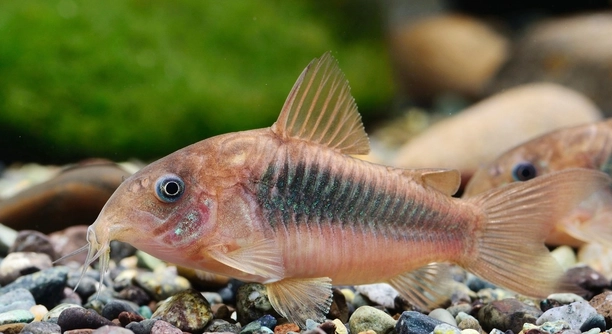
Are your Corydoras catfish always darting around or hiding whenever something shifts in their tank? Sudden movements or noises can often leave them feeling uneasy, making it hard for them to settle comfortably in their environment.
The best way to prevent your Corydoras from getting startled is by minimizing abrupt changes in their surroundings. Stable lighting, consistent water parameters, soft substrate, and gentle tank mates help reduce stress and support their natural schooling behavior.
These small adjustments can go a long way in creating a peaceful tank environment where your Corydoras feel safe, secure, and more at ease.
Keep the Tank in a Calm, Quiet Spot
Corydoras catfish are sensitive to vibrations and loud noises. If your tank is near a television, speakers, or high-traffic areas, it can make your fish feel unsafe. A quiet corner, away from foot traffic and noise, helps them stay relaxed. Sudden sounds or floor vibrations can easily cause them to dart around the tank. You may not notice it at first, but even a door slamming or heavy footsteps nearby can trigger their anxiety. Keeping their environment calm supports their natural behavior and prevents them from feeling on edge. A consistent, quiet space reduces unnecessary movement in the tank and allows your Corydoras to thrive in peace. The more settled the environment is, the more likely your fish are to display calm, social behavior. Reducing external stress is one of the simplest ways to help your catfish feel at ease in their home.
Avoid placing tanks near speakers, entryways, or high-traffic spaces.
Once moved to a quieter area, Corydoras often show more active and confident behavior. You may notice them foraging more and interacting freely with other fish. A peaceful setting allows them to rest, feed, and explore without being startled by unpredictable outside disturbances. This makes the tank healthier overall and improves their quality of life.
Maintain Stable Water Parameters
Frequent changes in temperature, pH, or hardness can make your Corydoras feel unsettled. Sudden shifts often result in hiding or erratic swimming.
Keep the water temperature steady between 72°F and 78°F. Use a reliable heater and thermometer to monitor it daily. A sudden drop or spike can stress your fish and cause them to react defensively. pH should stay within 6.0 to 7.8. Make adjustments gradually if needed, using safe and consistent methods. Sudden chemical changes are one of the main reasons Corydoras behave nervously. Avoid large water changes all at once. Instead, do smaller weekly changes—around 20–25%—to avoid shocking their system. Use a water conditioner each time. Test your water weekly to ensure parameters are stable. If using a filter, clean it regularly without disrupting the beneficial bacteria. Stable, clean water gives Corydoras a sense of security and allows them to exhibit their calm, curious nature without the fear of rapid environmental change.
Choose Gentle Tank Mates
Corydoras catfish do best when kept with peaceful species. Aggressive or overly active fish can cause constant stress, making your Corydoras skittish and more likely to hide or dart away.
Stick with calm species like tetras, rasboras, or guppies. Avoid fin-nippers or fast swimmers that may outcompete them during feeding. Even curious fish that crowd or bump into Corydoras can make them nervous. A peaceful group encourages calm interactions and reduces fear. Try to keep Corydoras in groups of at least six, as they’re schooling fish and feel safer in numbers. When they feel safe socially, they tend to forage more, rest in the open, and interact with the rest of the tank peacefully. A well-matched community helps lower stress and allows them to thrive without being startled. Watch for any chasing or fin-nipping behavior, and be ready to separate fish if necessary.
Choosing gentle tank mates helps prevent stress-related health issues. Corydoras are bottom dwellers and need quiet time to sift through the substrate and rest. If they’re always avoiding larger or aggressive fish, they won’t get enough food or sleep. Over time, this constant stress can weaken their immune system. A peaceful tank community supports their natural habits and overall well-being.
Use a Soft, Natural Substrate
Rough or brightly colored substrate can make Corydoras uncomfortable. These fish have delicate barbels they use to dig and search for food. A soft, dark substrate helps them feel secure and reduces the risk of injury.
Sand or smooth fine gravel is ideal for Corydoras tanks. Sharp or rough gravel can damage their sensitive barbels, making them less likely to explore or forage. A soft, natural-looking base helps them stay calm and behave normally. Darker colors also reduce light reflection, which can be soothing for the fish. Avoid colored or fluorescent substrates that can stress them or create glare in the tank. When they’re comfortable digging through the substrate, you’ll see more of their playful behavior. A safe base not only keeps them physically healthy but also encourages them to stay active without getting startled. The right substrate supports their natural movements and gives them a sense of safety.
Limit Sudden Lighting Changes
Corydoras react strongly to quick shifts in lighting. Turning the lights on or off too suddenly can startle them and cause erratic swimming. Use a dimmer or turn on room lights first to ease the transition.
A consistent lighting schedule also helps reduce stress. Aim for 8–10 hours of light daily, followed by a calm, dark period. Avoid switching lights on in a dark room or flashing bright lights near the tank. Gradual changes help your Corydoras feel secure and less likely to panic.
Keep the Tank Decor Stable
Rearranging tank decor too often can confuse Corydoras and disrupt their sense of safety. They use plants, rocks, and driftwood as hiding spots and reference points. Moving these around frequently can increase stress and reduce their willingness to explore. Keep their environment predictable and allow them to establish a routine.
Avoid Tapping on the Glass
Tapping on the tank glass causes loud vibrations that can scare Corydoras easily. Even light tapping feels much louder to them underwater. Keep hands away from the glass and avoid sudden movements near the tank to prevent stress.
FAQ
Why do Corydoras catfish get startled easily?
Corydoras catfish are naturally shy and sensitive fish. They have delicate barbels that they use to sense their surroundings, and any sudden changes in their environment can trigger a startle response. Quick movements, loud noises, and abrupt lighting shifts can make them feel threatened. In the wild, sudden disturbances could signal danger, so they instinctively react by hiding or darting away to seek cover.
How can I make my Corydoras feel safer in their tank?
The key to making your Corydoras feel safe is providing a stable environment. This includes consistent water conditions, soft, dark substrates, and peaceful tank mates. Avoid sudden movements or noise, and ensure the lighting is gentle and doesn’t change abruptly. Adding plants or hiding spots can also help them feel more secure. When they have a predictable space and can hide or explore freely, they are less likely to feel startled.
What is the best water temperature for Corydoras catfish?
Corydoras thrive in temperatures between 72°F and 78°F (22°C to 26°C). Keeping the water temperature within this range helps prevent stress. Dramatic fluctuations can make them feel uneasy, so it’s important to use a reliable heater and thermometer to maintain stable conditions. Corydoras are most comfortable when they can live in a steady, warm environment.
Can Corydoras live with other fish?
Yes, Corydoras can live with many types of peaceful fish. Tetras, guppies, and rasboras are ideal companions for them. Avoid keeping them with aggressive or fin-nipping fish, as these can stress the Corydoras and disrupt their behavior. A calm community helps Corydoras feel safe and allows them to interact naturally. Be sure to consider the temperament of any tankmates before introducing them.
How often should I feed my Corydoras?
Corydoras should be fed 2-3 times a day, with small amounts each time. They are bottom feeders and prefer sinking pellets, frozen foods like bloodworms, or finely chopped vegetables. Overfeeding can lead to water quality issues, so it’s important to give only what they can eat within a few minutes. A varied diet will help keep them healthy and active.
What is the best substrate for Corydoras catfish?
A soft, fine substrate is the best choice for Corydoras. Sand is ideal because it allows them to sift through it without damaging their barbels. Avoid sharp gravel or large stones, as these can injure their delicate sensors. A smooth, natural substrate gives them the ability to dig and forage without risk of harm. It also encourages natural behavior and provides a more comfortable environment.
How can I prevent my Corydoras from hiding all the time?
If your Corydoras are hiding frequently, it could be due to stress, improper water conditions, or fear of aggressive tankmates. Make sure your tank is calm, with peaceful fish and stable water parameters. Provide plenty of hiding spots to make them feel secure, but also offer open spaces for them to explore. A comfortable and stress-free environment will encourage them to be more active and less prone to hiding.
Do Corydoras need a filter?
Yes, Corydoras need a filter to maintain water quality. Since they live at the bottom of the tank, they are prone to exposure to uneaten food and waste that can build up. A filter helps remove debris and keeps the water oxygenated. However, avoid strong currents, as Corydoras prefer calm water. Choose a gentle filter that won’t create too much movement in the tank.
How can I tell if my Corydoras is stressed?
A stressed Corydoras may swim erratically, hide excessively, or display a lack of appetite. If they start darting around the tank, especially when there are sudden movements or loud noises, this could be a sign of stress. Changes in coloration, such as fading or darkening, are also indicators. If these signs persist, check the water conditions and tank environment for any issues that might be causing the stress.
Can Corydoras live alone?
While Corydoras can technically live alone, they are schooling fish and prefer the company of their own kind. Keeping them in a group of at least six is recommended to reduce stress and allow them to feel secure. In a group, they exhibit more natural behaviors, such as foraging and resting together. A solitary Corydoras may become shy and anxious, so it’s best to keep them in groups for their well-being.
How often should I clean my Corydoras’ tank?
Regular tank maintenance is essential for the health of your Corydoras. Perform small water changes (20-25%) weekly to keep the water clean. Clean the substrate gently to avoid disturbing the beneficial bacteria that help maintain water quality. A more thorough tank cleaning, including filter maintenance, should be done every 4-6 weeks, depending on the tank size and number of fish.
Do Corydoras need a heater?
Corydoras are tropical fish that require a stable, warm environment. A heater is necessary to maintain the temperature between 72°F and 78°F. Without a heater, the water temperature may fluctuate too much, which could cause stress and illness in your Corydoras. Make sure to use a reliable, adjustable heater and monitor the temperature regularly to ensure it stays within the optimal range.
How do I know if my Corydoras are healthy?
Healthy Corydoras are active, with clear eyes and vibrant colors. They will be actively foraging or swimming around the bottom of the tank. Their barbels should be intact and free from signs of injury or infection. A healthy Corydoras also has a healthy appetite and won’t appear lethargic or overly stressed. If you notice any changes in behavior or appearance, it could be a sign that something is wrong, and you should check their environment and health.
Final Thoughts
Corydoras catfish are gentle and peaceful creatures that can thrive in a well-maintained tank. They are sensitive to their surroundings and benefit from a stable, stress-free environment. By minimizing sudden changes, offering plenty of hiding spots, and ensuring they have peaceful tank mates, you can create a space where they feel safe and secure. Consistency in their care routine, from feeding to water changes, is key to keeping them healthy and happy.
Their behavior and interactions with the environment reveal just how important a calm atmosphere is for their well-being. Avoiding sudden lighting changes, loud noises, or tapping on the glass will help prevent startling them. With soft, fine substrate and appropriate water conditions, they will be more likely to engage with the tank in a natural way, foraging and swimming without constant fear. Corydoras thrive when they feel comfortable in their space, so it’s important to make small adjustments to reduce stress triggers.
Lastly, while Corydoras are low-maintenance in many ways, they still require regular attention to detail, such as ensuring the water remains clean and the tank temperature is stable. Keeping a watchful eye on their health and behavior will help you identify any potential issues early. Providing them with an environment that mimics their natural habitat as closely as possible will ensure they live a long, healthy life in your tank. A little effort in creating the right conditions goes a long way in fostering a thriving community of Corydoras.

Hello,
If you enjoy the content that we create, please consider saying a "Thank You!" by leaving a tip.
Every little bit helps us continue crafting quality advice that supports the health, happiness, and well-being of pets around the world, for pets of all shapes, sizes, and species.
We really appreciate the kindness and support that you show us!