
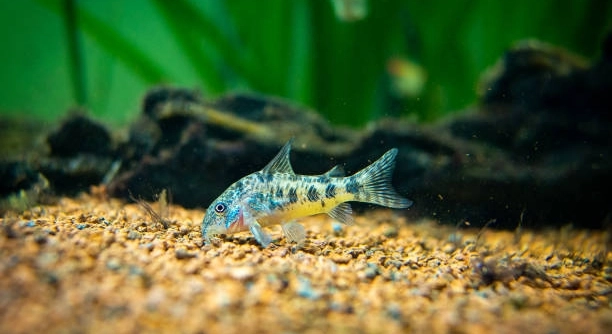
Corydoras catfish are fascinating creatures that are known for their playful nature. If you’ve noticed yours frequently exploring the filter area, you might be wondering why this behavior occurs.
Corydoras catfish often explore the filter area due to their natural instincts to search for food, maintain a clean environment, or find shelter. They may also be drawn to the water flow, which mimics their natural habitat’s currents.
Understanding why your Corydoras catfish behaves this way can help you create a better environment for them. We’ll break down the reasons behind this behavior and offer some tips on how to ensure their well-being.
1. Natural Behavior and Exploration
Corydoras catfish are naturally curious creatures. They often explore their environment to find food and discover safe places to hide. The filter area is especially appealing because it provides a steady source of nutrients, such as uneaten food or organic matter. This behavior is instinctive and helps them find food in the wild, where currents carry small particles they can feed on. When placed in an aquarium, they continue this habit by searching areas that mimic their natural environment.
The filter area offers not only food but also a constant movement of water that mimics their natural habitat. This is where they feel most comfortable.
If your Corydoras keeps exploring the filter, it’s likely an attempt to replicate the conditions they’re adapted to. They’re instinctively seeking food and comfort, even in your tank. Providing alternative hiding spots or food sources could help redirect their focus.
2. The Search for Food
Sometimes, the filter area offers a good spot for scavenging. The filter catches leftover bits of food and organic waste, which your Corydoras may consider as an easy meal. Corydoras catfish are bottom feeders, so they enjoy searching for food in areas where these particles settle. If you don’t notice uneaten food on the substrate, your catfish may be turning to the filter to get their fill.
If you notice this behavior, ensure there’s enough food distributed around the tank to keep them from gravitating toward the filter. A properly balanced feeding schedule could minimize their constant search in that area.
3. Water Flow and Current Attraction
Corydoras catfish are naturally drawn to moving water, which mimics the currents they experience in the wild. The filter creates a consistent flow that attracts them, and they often find comfort in swimming against it. The filter’s current can help them feel more secure by replicating a familiar environment.
In an aquarium, this current offers a bit of excitement. It allows them to stay active and exercise while exploring the area. If your filter is too strong, however, it might be causing stress. Adjusting the flow rate can help create a more balanced environment.
If your Corydoras are constantly near the filter, they may be seeking the stimulation of moving water. Try adjusting the water flow and placing them in different parts of the tank. You can also offer other areas of movement, like air stones, to redirect their attention.
4. Oxygen-Rich Environment
The filter helps keep the water oxygenated by moving the water around. Corydoras, like many fish, need access to plenty of oxygen to thrive. If they spend time near the filter, it could be because they’re seeking a more oxygen-rich environment.
Healthy, oxygenated water is vital for their health. Corydoras can be sensitive to low oxygen levels, which might lead them to explore areas like the filter, where water is consistently moved and enriched with oxygen. A drop in oxygen can be stressful for these catfish, and they may seek out these spots for relief.
Ensuring your aquarium has enough surface agitation is important for your catfish. If you notice your Corydoras always near the filter, try increasing water movement throughout the tank. Air stones or a stronger filter can help improve oxygen levels.
5. Filter as a Hiding Spot
Corydoras catfish often seek out places where they can hide and feel safe. The filter area offers a perfect spot for them to retreat. The spaces around the filter’s intake or behind the equipment give them shelter from potential threats.
If there’s not enough hiding space in your tank, they may be using the filter as a refuge. Consider adding more plants or decorations to create cozy, safe spots where they can rest without always relying on the filter area.
A good hiding spot can reduce stress, so creating one can help your Corydoras feel more comfortable. This will also help keep them away from the filter area if it’s becoming a constant source of their attention.
6. Territorial Behavior
Corydoras catfish are not highly territorial, but they may still show signs of claiming areas, including the filter. If other fish frequently disrupt their space, they might spend more time near the filter to establish their presence.
Although Corydoras are social and peaceful, they do need their own space. If they feel crowded, they may seek out places where they can stay away from other fish. Try rearranging the tank to reduce stress and ensure each fish has enough space to explore comfortably.
A more balanced tank environment can help your Corydoras feel more at ease and less likely to stick to the filter area.
FAQ
Why does my Corydoras spend so much time near the filter?
Corydoras catfish are naturally drawn to areas with water movement. The filter creates a current, which mimics the conditions they’re used to in the wild. It’s an instinctual behavior that helps them stay active and explore. Additionally, filters often attract food particles, which makes the area even more appealing. Corydoras will explore this area as they search for food and a comfortable environment.
Can the filter current be too strong for my Corydoras?
Yes, if the current is too strong, it can stress your Corydoras. These fish are not accustomed to powerful currents in their natural habitat, and a strong filter flow can make it difficult for them to move around comfortably. It’s important to adjust the filter’s flow rate to suit the needs of your tank’s inhabitants. A good rule of thumb is to aim for a flow rate that provides gentle water movement without creating too much turbulence.
What can I do if my Corydoras is always near the filter?
If your Corydoras keeps gravitating toward the filter, it could be a sign that the tank setup isn’t ideal for them. Make sure there are plenty of hiding spots and soft water flow areas in the tank. Adding plants, caves, or decorations can give them alternative places to explore. You could also try adjusting the filter flow, as it might be too strong for your fish. Offering a balanced diet and ensuring there’s enough food throughout the tank can also reduce their focus on the filter.
Is it okay for my Corydoras to stay near the filter all the time?
It’s okay for them to explore near the filter, but if they’re spending all their time there, it may be a sign of an issue. Corydoras are social and active fish, so they need enough space to explore other areas of the tank. If they’re constantly near the filter, they may not be comfortable with the overall tank environment. Try adding more hiding spots or adjusting the water flow to ensure they have a variety of places to explore and feel safe.
How can I tell if my Corydoras is stressed near the filter?
If your Corydoras seems to be spending too much time in one spot or appears to be struggling against the current, it might be a sign of stress. Stress can also manifest in other ways, such as a lack of appetite, unusual swimming patterns, or hiding more than usual. If you notice these behaviors, it’s a good idea to check the filter’s flow, the water parameters, and ensure there’s enough hiding space. Addressing the source of stress can help improve their behavior.
Can the filter area affect my Corydoras’ health?
Yes, if the filter is too strong or the water flow is too intense, it can cause physical stress on your Corydoras. Constantly battling the current can lead to exhaustion, weakened immune systems, and potential injuries. If the filter creates too much turbulence, it can also disturb the water’s oxygen levels, affecting the health of your fish. Keep an eye on the filter settings and ensure that the overall tank environment is conducive to their well-being.
How often should I clean the filter if my Corydoras spends a lot of time near it?
It’s important to clean the filter regularly to maintain water quality, especially if your Corydoras is spending a lot of time in that area. A dirty filter can lead to poor water conditions, which could negatively affect your fish’s health. Depending on the type of filter you have, cleaning it every 2 to 4 weeks is generally recommended. Be sure not to clean the filter too thoroughly, as it can disrupt beneficial bacteria essential for your tank’s ecosystem.
Will adding more fish help reduce my Corydoras’ focus on the filter?
Adding more fish can help create a more dynamic environment, but it might not necessarily stop your Corydoras from spending time near the filter. Corydoras are peaceful and social, but if the tank is too crowded, it can lead to stress and territorial issues. More fish could also increase competition for food, which might make the filter area more appealing. Instead, focus on creating a balanced and well-structured tank with plenty of hiding spots and ample food spread throughout.
Is it okay to have multiple Corydoras near the filter?
Corydoras catfish are social creatures and enjoy being in groups. It’s not unusual for them to gather near the filter, especially if there’s food or a strong current they’re attracted to. As long as the group seems healthy and isn’t showing signs of stress, there’s no issue with them being near the filter. However, make sure there are other areas in the tank for them to explore and rest. Overcrowding in one spot can lead to issues if the space becomes too small for them to feel secure.
What other areas of the tank can I provide for my Corydoras?
To reduce your Corydoras’ constant focus on the filter, provide different areas for exploration. Adding live plants, driftwood, rocks, or caves can offer them shelter and places to forage. Corydoras enjoy rooting around in the substrate, so ensure the bottom of the tank is soft, with sand or fine gravel. Providing different water depths and water flow areas will also keep your Corydoras active and healthy without being overly focused on the filter.
Final Thoughts
Corydoras catfish are lively and curious creatures. Their habit of exploring the filter area is a natural behavior, driven by their instincts to find food, seek shelter, and enjoy the movement of water. In the wild, these fish are accustomed to constantly searching for food carried by currents, so it’s no surprise that your Corydoras might be drawn to the filter in your aquarium. While it may seem like an odd behavior, it’s simply a part of their nature. Understanding this can help you better meet their needs in your tank.
However, if your Corydoras are spending too much time near the filter, it could be a sign that there is something not quite right in the tank. A strong current might be causing stress, or they may not have enough hiding places to feel safe. Additionally, if the filter is where most of the food ends up, your Corydoras may be drawn to it out of hunger. In these cases, it’s important to make adjustments to the tank. Reducing the filter’s current, adding more plants or hiding spots, and ensuring food is more evenly spread throughout the tank can all help. These simple changes can create a more comfortable environment for your Corydoras.
While it’s normal for Corydoras to explore the filter area from time to time, maintaining a balanced tank setup is key to their well-being. Regularly checking water quality, oxygen levels, and tank decor will ensure they stay healthy and happy. By paying attention to their behavior and making necessary adjustments, you can provide your Corydoras with an ideal space to thrive. Keeping your tank clean, offering food in various locations, and offering multiple hiding spots will help prevent them from over-focusing on the filter and allow them to enjoy a more varied and stimulating environment.

Hello,
If you enjoy the content that we create, please consider saying a "Thank You!" by leaving a tip.
Every little bit helps us continue crafting quality advice that supports the health, happiness, and well-being of pets around the world, for pets of all shapes, sizes, and species.
We really appreciate the kindness and support that you show us!