
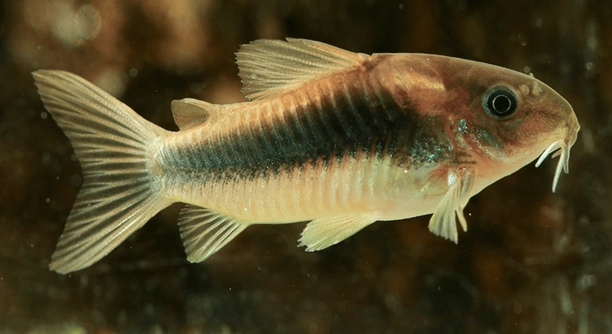
Corydoras catfish are well-known for their busy behavior in aquariums, often moving substrate around. While this may seem like odd behavior, it’s actually a normal part of their activity.
Corydoras catfish dig and move substrate to search for food, create a comfortable environment, and engage in natural behaviors. This is typical and often beneficial, as it helps maintain aquarium health and can reduce waste build-up.
Understanding why your Corydoras catfish keeps moving the substrate can help improve its environment. We will explore the reasons behind this behavior and how to support your fish’s needs effectively.
Why Do Corydoras Catfish Dig in the Substrate?
Corydoras catfish are naturally inclined to dig through the substrate in their tank. This behavior isn’t random or aimless; it’s a survival instinct. In the wild, these fish dig to find food, especially small invertebrates, detritus, and plant matter that may be buried in the substrate. They rely on their barbels (whisker-like sensory organs) to help detect food particles in the sand or gravel. In an aquarium, they continue this behavior, searching for any food that may have fallen to the bottom.
These fish often appear busy and active, but their constant digging is more than just a form of exercise. It’s essential to their daily routine. They are also helping to keep the tank clean by stirring up debris that can otherwise settle and break down into harmful substances.
This digging behavior can sometimes lead to a bit of a mess in the tank, but it’s actually beneficial in preventing waste build-up. Over time, you’ll notice that their activity helps create a balanced, healthy environment for all the inhabitants.
Substrate Type Affects Behavior
The type of substrate in your tank can impact how your Corydoras behave.
Corydoras catfish prefer fine gravel or sand, as they can easily sift through it without injury. Sharp or large gravel can harm their sensitive barbels, so it’s best to provide a smooth surface that supports their natural behaviors. A soft, sand-like substrate is ideal for them to dig and search for food comfortably.
Choosing the right substrate helps ensure that your Corydoras are healthy and able to engage in their natural behaviors without any risks. In addition to being beneficial for the fish, a soft substrate helps maintain water quality, as it’s easier to clean and less likely to trap debris.
They’re Creating Safe Spaces
Another reason Corydoras catfish dig around the substrate is to create safe, hidden spots where they can rest or avoid stress. While they are social and enjoy being in groups, they still like to have a secluded space where they can hide when feeling threatened or during periods of rest.
When they dig, they sometimes create little burrows in the sand. These burrows help them feel secure, especially when there are other, more dominant fish in the tank. This behavior is linked to their natural instinct to protect themselves from predators. Even in the comfort of an aquarium, Corydoras will still seek these types of spaces to feel more at ease.
In a well-maintained tank, providing hiding spots or plants in addition to substrate helps these fish thrive. The more enriched their environment, the less stressed they’ll feel, and the more likely they are to exhibit normal behaviors like digging.
They’re Searching for Food
Corydoras catfish are bottom feeders, constantly on the hunt for food. They dig through the substrate to find anything they can nibble on, like small invertebrates or leftover food from other fish.
This natural behavior is critical to their survival. In the wild, Corydoras often forage through the sand, using their barbels to detect hidden food. In an aquarium, the food might be smaller or buried, so digging becomes their way of ensuring they get enough nutrition. They may also scavenge any organic matter, keeping the tank cleaner in the process.
If you notice your Corydoras digging often, it could be a sign they’re hungry or looking for more food. Keeping their tank well-stocked with food sources will satisfy their hunger and help reduce the amount of digging they do in search of nutrients. However, overfeeding can lead to water quality issues, so it’s important to maintain balance.
They’re Keeping the Tank Clean
The act of digging around the substrate isn’t just about searching for food. Corydoras also help clean the aquarium in the process. When they stir up the substrate, they prevent debris from settling and breaking down into waste.
As the fish move through the substrate, they help aerate it and allow better water circulation. This prevents pockets of debris from building up, which can lead to harmful substances like ammonia. By constantly digging, Corydoras contribute to the overall health of the aquarium.
Their actions benefit both their environment and the other fish. The movement of substrate ensures better water quality and a more balanced ecosystem. Keeping a few Corydoras in your tank can assist in maintaining a healthier living space for everyone.
They’re Digging to Lay Eggs
Female Corydoras will often dig around the substrate when they are ready to lay eggs. This behavior is instinctive, helping them find a safe, clean space to deposit their eggs.
The substrate is key for egg laying, as Corydoras catfish prefer to scatter their eggs on smooth surfaces like plants, rocks, or glass. Digging ensures that the eggs are in a location where they’re less likely to be disturbed. The more secure the area, the higher the chances of successful breeding.
This behavior can lead to visible changes in the substrate as the female digs and prepares the area for egg laying.
They’re Seeking Comfort
Corydoras also dig to make themselves feel more comfortable. They may burrow to rest or find a cool spot in the aquarium to escape heat.
After a long period of activity or stress, they may dig into the substrate to hide. This creates a sense of security, as they feel safer when hidden from view. It’s an instinctive response to potential threats, even in a controlled environment like an aquarium.
The more varied the tank setup, the more likely it is that Corydoras will feel comfortable and relaxed.
Stress or Illness
Stress and illness can cause Corydoras to act out of character, including excessive digging. If they’re feeling unwell or stressed, they may dig to find shelter or try to escape from what’s bothering them.
Stress can be caused by factors like poor water quality, overcrowding, or incompatible tank mates. Illness can also make the fish more active, as they may dig to try and alleviate discomfort. If you notice your Corydoras digging excessively or showing other unusual behaviors, it’s important to check water parameters and tank conditions.
FAQ
Why is my Corydoras catfish constantly moving the substrate around?
Corydoras are bottom feeders and dig through the substrate to find food, create hiding spots, or lay eggs. It’s normal behavior for them to search for nutrients by moving the sand or gravel. The digging helps keep the tank clean by stirring up debris, which can otherwise lead to harmful waste build-up. It’s a natural way for them to keep their environment tidy while satisfying their instincts.
Is it bad if my Corydoras catfish digs a lot?
No, it’s not bad. Digging is part of their natural behavior and is typically beneficial. It helps maintain water quality by disturbing debris and allowing better circulation within the substrate. It can also make them feel more secure, as they might be creating hiding spots or searching for food. However, if the digging seems excessive, it could be a sign of stress or hunger, so it’s worth ensuring that they’re getting enough food and that their tank is comfortable.
Can I stop my Corydoras from digging the substrate?
It’s challenging to completely stop Corydoras from digging since it’s part of their instinctive behavior. However, you can minimize excessive digging by providing a more suitable environment. Use a fine, smooth substrate like sand, as it’s easier for them to dig through and won’t damage their sensitive barbels. You can also create areas with rocks or plants for them to hide in, which may reduce their digging frequency if they feel safe and secure.
What type of substrate is best for Corydoras catfish?
Corydoras do best with a soft substrate like fine sand or smooth gravel. Sand allows them to sift through it without damaging their barbels, and it gives them the opportunity to dig naturally. Sharp or large gravel can hurt their delicate sensory organs, so it’s essential to choose a substrate that supports their natural behavior while being gentle on their bodies.
Why does my Corydoras catfish dig and hide so much?
If your Corydoras is constantly digging and hiding, it may be trying to create a comfortable, secure environment. Corydoras are known to burrow when feeling stressed or to find a secluded place to rest. They may also be digging to lay eggs. If this behavior is frequent, check water quality, tank mates, and ensure they have adequate hiding spots. Stress or health issues can also lead to increased hiding or digging.
How can I tell if my Corydoras catfish is stressed?
Signs of stress in Corydoras include erratic swimming, excessive hiding, or rubbing against objects in the tank. They may also dig more than usual or exhibit a lack of appetite. Stress can stem from poor water conditions, aggressive tank mates, or a lack of hiding spaces. Ensuring the tank is well-maintained and that water parameters are optimal can help alleviate stress in your fish.
Do Corydoras catfish need a group?
Yes, Corydoras catfish are social creatures and should be kept in groups of at least 3-5 individuals. Being in a group helps them feel secure, reducing stress and encouraging more natural behaviors. A group of Corydoras will also interact with each other, creating a more comfortable and active environment for the fish. They tend to be more active and healthy when surrounded by their own kind.
How often should I feed my Corydoras catfish?
Corydoras should be fed once or twice a day, depending on the number of fish in the tank. It’s important to provide them with a varied diet, including high-quality pellets, sinking wafers, and occasional treats like live or frozen foods. Be careful not to overfeed, as this can cause water quality issues. Make sure any uneaten food is removed after a few hours to maintain tank cleanliness.
Can Corydoras catfish live with other fish?
Yes, Corydoras are peaceful and do well with a variety of tank mates, especially small, non-aggressive fish. They are bottom dwellers and won’t compete for space with most mid or top-dwelling species. Avoid keeping them with overly aggressive fish that might stress them. Corydoras can thrive in community tanks, as long as the water parameters are suitable and tank mates are compatible.
What should I do if my Corydoras catfish stops eating?
If your Corydoras stops eating, it might be a sign of illness or stress. First, check the water quality to ensure the pH, ammonia, and nitrate levels are safe. If the water is fine, consider whether there are any changes in the tank environment, such as new tank mates or a change in temperature. If the behavior persists, it’s best to consult with an aquarium professional or veterinarian for further advice.
Why does my Corydoras catfish rub its body against objects in the tank?
Rubbing against objects can be a sign of irritation, such as skin infection, parasites, or stress. It’s often called “flashing” and can indicate a need for treatment. Check your water quality immediately, as poor water conditions can stress the fish and cause this behavior. If the issue persists, it might be necessary to treat for parasites or other infections with an aquarium-safe medication.
How can I breed Corydoras catfish?
Breeding Corydoras requires stable water conditions, a group of both males and females, and appropriate hiding spots. Typically, Corydoras will breed when the water temperature is slightly increased, and water quality is optimal. The female will lay eggs on smooth surfaces like plants or glass after digging. Providing a separate breeding tank with gentle filtration can help protect the eggs until they hatch. Be sure to remove the adults after breeding to avoid them eating the eggs.
Final Thoughts
Corydoras catfish are peaceful, active fish that enjoy digging in the substrate. This behavior may seem unusual at first, but it is completely normal. They dig for many reasons, such as finding food, cleaning the tank, laying eggs, or creating a safe space to rest. If your Corydoras is constantly moving the substrate around, it usually means they are doing what comes naturally to them. It is part of how they stay healthy and comfortable in their environment. Watching them interact with their surroundings can even be a relaxing and interesting part of owning an aquarium.
It is important to make sure the tank setup supports this natural digging behavior. Choosing the right type of substrate, such as soft sand, helps prevent injury and makes digging easier for them. Also, keeping the water clean and maintaining good tank conditions will reduce stress and promote healthier behavior. Providing enough food, hiding spots, and gentle tank mates will also help your Corydoras feel safe and satisfied. If you notice changes in behavior, like excessive digging or hiding, it may be a sign to check water quality or look for other possible issues in the tank.
Taking the time to understand your Corydoras catfish and their habits can make a big difference in their well-being. Their digging is not something to worry about unless it becomes extreme or is paired with other signs of stress or illness. Most of the time, it’s just them being active and curious. By creating the right environment, you allow them to do what they do best—explore, clean, and enjoy life at the bottom of the tank. With a little care and attention, your Corydoras can thrive and bring life and movement to your aquarium for many years.

Hello,
If you enjoy the content that we create, please consider saying a "Thank You!" by leaving a tip.
Every little bit helps us continue crafting quality advice that supports the health, happiness, and well-being of pets around the world, for pets of all shapes, sizes, and species.
We really appreciate the kindness and support that you show us!