
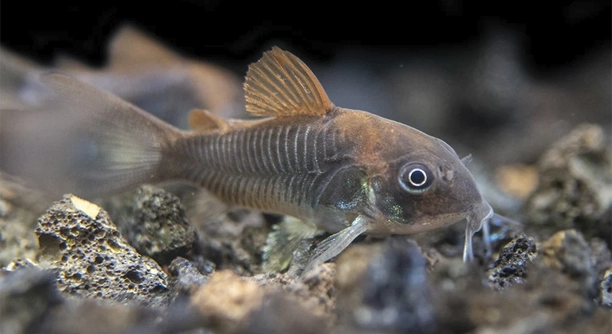
Corydoras catfish are popular for their calm nature, but when they become restless, it can raise concerns. Several factors may contribute to this behavior, including environmental and health-related issues that can be addressed to restore their peace.
Restlessness in Corydoras catfish is often caused by poor water conditions, stress, or lack of space. Elevated ammonia or nitrite levels, overcrowding, or inadequate hiding spots may make them anxious and lead to unusual movements.
Addressing these concerns can help improve your catfish’s well-being and reduce their restlessness.
Water Quality Concerns
Water quality is one of the most critical factors in the well-being of Corydoras catfish. Poor water conditions, such as high levels of ammonia or nitrites, can make these fish feel stressed and restless. It is essential to regularly monitor your aquarium’s water parameters to ensure that they remain within the safe range. If the water is contaminated, it can affect the catfish’s behavior, making them swim erratically or even appear lethargic at times. Keeping the water clean is the first step in maintaining a healthy tank for your fish.
It’s important to use a reliable water test kit to check levels for ammonia, nitrites, and nitrates. These toxins build up quickly and can cause significant harm to the fish. Regular water changes are necessary to prevent these levels from getting too high.
Make sure your filtration system is working properly. Without proper filtration, harmful substances will accumulate in the tank, worsening the water quality. Adequate filtration helps maintain a clean environment and supports the overall health of your Corydoras catfish.
Stress Factors
Stress is another significant cause of restless behavior in Corydoras catfish.
When these fish feel threatened or uncomfortable, they tend to act out. Factors like loud noises, sudden movements, or aggressive tank mates can make them nervous. Creating a calm environment will encourage a sense of security for your catfish.
Fish that are kept in tanks with overly aggressive species may also become stressed. Corydoras catfish are peaceful creatures and will feel more at ease when surrounded by calm tank mates. If you have other more active or territorial fish, it’s a good idea to provide plenty of hiding spots. Adding caves, plants, or other forms of cover can help reduce stress and promote relaxation.
Overcrowding Issues
Overcrowding in an aquarium can cause a lot of stress for Corydoras catfish. These fish prefer plenty of space to move around and hide. When they are kept in a crowded tank, they may feel constantly threatened, which leads to restless behavior.
To prevent overcrowding, ensure that your tank has enough space for all its inhabitants. The general rule is to allow at least 2-3 gallons of water per inch of fish. If your tank is getting too crowded, consider upgrading to a larger one or moving some fish to a different setup.
In a crowded tank, Corydoras may also struggle to find food, leading to further stress. A well-spaced tank with fewer fish allows everyone to access food easily. Moreover, it reduces the chances of territorial disputes that may arise between fish.
Inadequate Hiding Spots
Corydoras catfish are shy creatures that require ample hiding spots in the tank. Without sufficient places to hide, they may feel exposed and stressed, which can make them restless.
Providing plants, caves, or decorations where they can retreat to will make them feel more secure. When catfish feel safe, they can exhibit more natural behaviors and reduce their restlessness. Hiding spots also give them a place to rest, which is vital for their well-being.
Fish without places to hide may become overly stressed, which can negatively affect their health. When setting up your tank, focus on creating a natural environment that promotes peace and privacy for your Corydoras catfish.
Poor Diet Choices
A poor diet can lead to restlessness in Corydoras catfish. These fish require a balanced diet rich in protein, fiber, and nutrients. Without proper nutrition, they may exhibit strange behavior, including excessive swimming or hiding.
Ensure you’re feeding your Corydoras a variety of high-quality foods, including sinking pellets, frozen or live foods, and occasional vegetables. A lack of variety can lead to nutritional deficiencies, which can affect their energy levels and behavior.
A well-balanced diet will improve their health and reduce unnecessary stress. Overfeeding should be avoided as well, as it can lead to water quality issues.
Temperature Fluctuations
Corydoras catfish are sensitive to temperature changes. If the water is too warm or too cold, they may become stressed and restless.
It’s essential to maintain a stable water temperature within the recommended range of 72-78°F (22-26°C). Temperature fluctuations cause physical stress, and it can even compromise their immune system, making them more prone to diseases.
To prevent stress from temperature changes, invest in a reliable aquarium heater with a thermostat. Regularly check the water temperature to ensure it remains consistent, especially during colder or hotter months.
Water Chemistry Imbalances
Imbalances in water chemistry can cause Corydoras catfish to feel uneasy. This includes pH levels, hardness, and dissolved oxygen.
Corydoras prefer a neutral to slightly acidic pH, between 6.0 and 7.5, and soft to medium-hard water. Significant fluctuations in pH or hardness can disrupt their health and behavior. Regular water testing will help you keep track of these parameters and make adjustments as needed.
FAQ
Why is my Corydoras catfish swimming erratically?
Erratic swimming behavior can be a sign of stress, poor water quality, or discomfort. Corydoras catfish may swim in circles or dart around the tank when they are not feeling well. It’s important to check water parameters like ammonia, nitrite, and nitrate levels. If these are too high, it can cause distress. Poor water temperature or low oxygen levels may also contribute. In addition, overcrowding or tank mates that are too aggressive could be making your catfish feel unsafe. Make sure to maintain good water quality, provide hiding spots, and ensure that their tank mates are peaceful.
How can I tell if my Corydoras catfish is sick?
Sick Corydoras catfish may show signs like faded coloration, lethargy, loss of appetite, or abnormal swimming behavior. If your catfish is spending too much time at the surface or hiding in one spot, it may be unwell. Look for any visible signs of illness, such as lesions, swollen body parts, or rapid gill movement. If you notice any of these symptoms, it’s crucial to check the water conditions and remove any potential stressors. It’s always best to quarantine the sick fish if possible and consult a veterinarian experienced in fish health for proper treatment.
Can Corydoras catfish live with other fish?
Yes, Corydoras catfish are peaceful and generally get along with other non-aggressive fish. They thrive in a community tank with species that are similarly calm, such as tetras, guppies, or peaceful barbs. However, it’s important to avoid keeping them with aggressive fish or large predators that might stress them or see them as food. The key is to ensure the tank has enough space and hiding places to keep all species comfortable. Always research potential tank mates to make sure they are compatible.
How often should I feed my Corydoras catfish?
Corydoras catfish are bottom feeders and do best when fed small amounts of food several times a day. Overfeeding can lead to poor water quality and health problems. A good rule of thumb is to feed them two to three times a day, giving only as much as they can consume within a few minutes. Ensure that you are providing a variety of foods, such as sinking pellets, live or frozen foods, and occasional plant matter like blanched zucchini. Remove any uneaten food to prevent it from decaying in the tank.
Do Corydoras catfish need a filter?
Yes, Corydoras catfish require a filter to keep the water clean and oxygenated. As bottom dwellers, they are sensitive to water conditions, and a proper filtration system helps maintain the stability of the water quality. A filter will remove excess waste, debris, and harmful toxins like ammonia and nitrites that can accumulate in the tank. It’s important to choose a filter with a flow rate that’s gentle enough for Corydoras, as they prefer calmer waters. A filter should be regularly cleaned and maintained to ensure its efficiency.
Can Corydoras catfish live in a tank with live plants?
Yes, Corydoras catfish can live in a tank with live plants. In fact, plants can help provide additional hiding spots and enhance the overall tank environment, making the fish feel more secure. When choosing plants, opt for soft-leaved varieties like Java ferns, Anubias, or hornwort, as these are less likely to cause damage to your catfish’s delicate barbels. Avoid sharp plants that could injure them. Live plants also help improve water quality by absorbing nitrates and providing oxygen.
How long do Corydoras catfish live?
Corydoras catfish typically live for 5 to 10 years in a well-maintained aquarium. Their lifespan can vary depending on the care they receive, including water quality, diet, and tank conditions. To ensure a long life, it’s essential to provide a stable environment, avoid overfeeding, and monitor their health closely. If their tank is kept clean and their stress levels low, they can live for many years, providing enjoyment for aquarium owners.
Why do Corydoras catfish bury themselves in the substrate?
Burying themselves in the substrate is a natural behavior for Corydoras catfish. These fish are known for their digging habits, as they use their barbels to search for food buried in the substrate. This behavior is typically harmless and part of their feeding process. However, if your Corydoras is burying itself too often or seems to be doing so out of distress, it may be a sign of stress or health issues. Make sure the substrate is soft and non-abrasive, and that the fish have a safe and comfortable space to exhibit this natural behavior.
How can I make my Corydoras catfish feel more comfortable?
To make your Corydoras catfish feel more comfortable, focus on creating a peaceful and stable environment. Ensure the water is clean, well-filtered, and within the proper temperature range (72-78°F). Provide plenty of hiding spots using plants, rocks, or caves. Avoid sharp decorations that could injure them. Also, consider adding peaceful tank mates to reduce stress. Corydoras are social fish and prefer being kept in small groups, so keeping a few of them together will help them feel more secure. Lastly, avoid sudden changes in the tank environment, as these can cause anxiety.
Do Corydoras catfish require a special diet?
Corydoras catfish are omnivores and require a balanced diet to stay healthy. They do best when fed sinking pellets, which they can easily find at the bottom of the tank. You can also supplement their diet with frozen or live foods, such as brine shrimp, bloodworms, or daphnia. Additionally, provide occasional plant matter, like blanched spinach or zucchini. It’s important to offer a variety of foods to ensure they receive all necessary nutrients. Make sure to feed only as much as they can eat within a few minutes to prevent overfeeding and water quality issues.
Final Thoughts
Corydoras catfish are peaceful, social creatures that make great additions to community tanks. However, when they start acting restless, it’s essential to identify the cause. Whether it’s water quality, diet, or stress from other tank mates, understanding the underlying issue can help improve their well-being. Taking the time to monitor water parameters, provide a balanced diet, and ensure their environment is safe and comfortable can go a long way in keeping these fish healthy and content.
By addressing the factors that contribute to restlessness, you can ensure that your Corydoras catfish thrive in their aquarium. Regularly check the water temperature, pH, and oxygen levels, as fluctuations can lead to stress. A proper filtration system is crucial, as it helps maintain water cleanliness and reduces harmful toxins. In addition, feeding a varied and nutritious diet will keep them active and healthy, reducing the likelihood of stress-related behaviors. Remember, these fish are bottom dwellers, and offering a well-maintained tank with plenty of hiding spots will give them the security they need.
If you notice persistent restlessness despite addressing these factors, it may be worth consulting a veterinarian or experienced aquarium professional. Sometimes, underlying health issues or more severe stressors may be at play. With proper care and attention, Corydoras catfish can live long, healthy lives in a peaceful and stable environment. Their unique behaviors and charming personalities make them enjoyable to keep, and by understanding their needs, you can help ensure they live their best lives in your aquarium.

Hello,
If you enjoy the content that we create, please consider saying a "Thank You!" by leaving a tip.
Every little bit helps us continue crafting quality advice that supports the health, happiness, and well-being of pets around the world, for pets of all shapes, sizes, and species.
We really appreciate the kindness and support that you show us!