
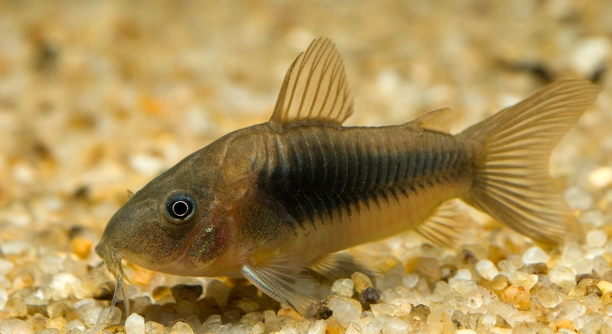
Maintaining healthy water conditions is crucial for Corydoras catfish. Their delicate nature requires a stable environment for thriving. If you want to improve your water parameters naturally, there are several simple steps you can take to make a difference.
To improve Corydoras catfish water parameters naturally, focus on maintaining proper filtration, regular water changes, and introducing live plants. Additionally, adding natural substrates like sand or using organic water treatments can help achieve the right water conditions.
Small adjustments can make a big difference in ensuring your fish stay healthy and happy. Understanding these natural methods will help you create a better environment for your catfish.
Regular Water Changes
One of the simplest ways to improve water parameters for your Corydoras catfish is by performing regular water changes. This is essential for keeping toxins and harmful substances at bay. It helps remove excess nutrients, preventing algae growth and maintaining the proper balance of minerals. Regular water changes also stabilize the water’s pH and hardness, which is vital for the health of your catfish.
In general, aim for water changes once a week, replacing about 20-25% of the tank’s water. You can increase the frequency or amount depending on the size of your aquarium and how quickly the water quality deteriorates. It’s also crucial to match the water temperature and pH when adding fresh water, as sudden changes can stress your fish.
If you’re concerned about removing beneficial bacteria, don’t worry too much. Beneficial bacteria live in the substrate and filter media, so as long as you avoid disrupting these areas too much, the bacteria will continue to thrive. Regular changes will prevent water from becoming overly acidic or hard, making your catfish feel at ease.
Use a High-Quality Filter
A good filter is crucial for maintaining healthy water parameters. The right filtration system helps keep the water clean, removing debris, uneaten food, and other waste. This not only benefits the water’s clarity but also removes harmful toxins that can build up.
Choosing a filter with proper flow rate is important for Corydoras. These fish prefer slow-moving water, so opt for a filter with adjustable settings to avoid strong currents. The filter will also support biological filtration, which maintains healthy water chemistry by breaking down organic waste. If possible, go for a filter that includes a sponge, as it will be gentler on your catfish.
Add Live Plants
Live plants help naturally maintain water quality by absorbing excess nutrients like nitrates and phosphates. They also provide shelter and hiding spots for your Corydoras, reducing stress. With their oxygen-producing abilities, plants can contribute to a healthier tank environment, supporting both your fish and the overall ecosystem.
Some plants, like Anubias, Java Fern, or Amazon Swords, thrive in aquariums with low light and gentle currents, making them ideal for a Corydoras tank. Their roots also help stabilize the substrate, reducing the chance of debris buildup. By providing plants that grow well under aquarium conditions, you’ll have a balanced environment with minimal effort.
It’s important to ensure the plants are well-maintained, as decaying leaves can affect water quality. Trim any unhealthy growth, and don’t let plants overtake the space. Adding plants also encourages beneficial microorganisms to thrive, which can further improve your tank’s natural filtration. Live plants can be an excellent way to naturally boost your catfish’s habitat.
Use a Natural Substrate
Choosing the right substrate for your Corydoras can significantly improve water parameters. Corydoras prefer soft, fine sand or smooth gravel, which allows them to sift through the substrate comfortably without causing harm. This substrate helps prevent the accumulation of waste and maintains cleaner water.
The right substrate also encourages beneficial bacteria growth. These bacteria break down harmful chemicals, naturally keeping the water clean. Avoid using sharp gravel, as it can damage your catfish’s delicate barbels. A sandy substrate is also more effective in maintaining stable pH levels, which is important for the health of your fish. You can also add a thin layer of clay to improve nutrient cycling in the tank.
While a natural substrate can help improve water quality, it’s important to regularly vacuum the sand or gravel to remove any waste buildup. Keep in mind that even though the substrate plays a vital role, you’ll still need proper filtration and water changes to keep everything in check.
Add Driftwood
Driftwood is a great addition to your aquarium. It helps lower the water’s pH, creating a more acidic environment. Corydoras prefer slightly acidic water, and driftwood can provide a natural way to maintain this balance. It also offers hiding spaces for your fish, which helps reduce stress.
Over time, driftwood leaches tannins into the water. While this can give the water a slightly yellow tint, it’s perfectly safe for your fish. These tannins also have natural antibacterial properties, which can help improve water quality. Just make sure to rinse the wood thoroughly before adding it to your tank to avoid excess tannin release.
Driftwood also adds visual appeal, making your tank more aesthetically pleasing. By carefully selecting the right pieces and ensuring proper maintenance, it can become an essential part of your tank’s ecosystem. Just be aware that large pieces of driftwood may require some extra space.
Monitor pH Levels Regularly
Monitoring your aquarium’s pH levels is crucial for keeping Corydoras healthy. These fish thrive in slightly acidic water, with a pH between 6.0 and 7.0. Regularly checking your pH will help you spot any drastic changes before they become a problem.
To maintain stable pH levels, you can use natural methods like driftwood or almond leaves, which naturally lower pH. Avoid sudden shifts in pH, as they can stress your catfish. If the water becomes too acidic or alkaline, consider adjusting your filtration or adding buffering agents to maintain the correct balance.
Keep the Temperature Stable
Corydoras catfish prefer stable water temperatures, typically between 72°F and 78°F. Fluctuations can stress the fish, affecting their immune system and overall well-being. Make sure to use a reliable aquarium heater and thermometer to maintain a steady temperature.
Maintaining a stable temperature is especially important during seasonal changes. Rapid shifts in temperature can cause health problems like lethargy or poor appetite in Corydoras. It’s also important to ensure the tank is not located near heat sources like windows or radiators, as this can cause temperature spikes.
FAQ
What is the ideal water temperature for Corydoras catfish?
The ideal water temperature for Corydoras catfish is between 72°F and 78°F (22°C to 25.5°C). Maintaining this temperature range is key to ensuring they are comfortable and healthy. Corydoras are sensitive to temperature fluctuations, so it’s important to avoid sudden drops or spikes, which could stress them. A stable environment will help your fish thrive and keep their immune system strong. Always use an aquarium heater to regulate the temperature and check it regularly with a thermometer.
Can Corydoras catfish live in cold water?
Corydoras catfish are not suited for cold water. They thrive in warm, slightly acidic to neutral water conditions. Cold water can cause stress, make them more susceptible to diseases, and even shorten their lifespan. If your aquarium temperature drops below their recommended range, your catfish may become lethargic and lose their appetite. It’s best to keep their tank in a controlled environment with a reliable heater to maintain the proper temperature.
How often should I perform water changes for my Corydoras?
For Corydoras catfish, performing water changes once a week is generally recommended. You should replace 20-25% of the water each time to maintain a healthy environment. Regular water changes help remove excess nutrients, prevent the build-up of harmful chemicals, and keep the water parameters stable. If your tank is heavily stocked or has more waste, you might need to change the water more often. Always make sure the new water matches the temperature and pH of the tank.
Do Corydoras catfish need a filter?
Yes, Corydoras catfish need a filter to help keep their tank clean. A good filter removes debris, uneaten food, and waste from the water. This helps to keep the water clear and prevents harmful toxins like ammonia and nitrites from building up. However, because Corydoras prefer slow-moving water, it’s important to use a filter with adjustable flow. Too much current can stress them out, so opt for a filter that offers gentle water movement.
Are Corydoras catfish sensitive to water changes?
Corydoras catfish can be sensitive to sudden water changes, especially if the parameters of the new water differ significantly from the tank’s current conditions. To reduce stress, make sure the new water has a similar temperature and pH level. You can also slowly introduce new water by adding small amounts over time rather than all at once. Regular but moderate water changes help maintain stable water quality without shocking your fish.
Can I use tap water for Corydoras catfish?
Tap water can be used for Corydoras catfish, but it’s important to test it first. Tap water often contains chlorine, chloramine, and other chemicals that can harm your fish. Use a water conditioner to neutralize these substances before adding tap water to your aquarium. Also, check the hardness and pH levels of your tap water, as Corydoras prefer slightly acidic water with a pH between 6.0 and 7.0. If the tap water’s hardness or pH is too high, consider using distilled or reverse osmosis water mixed with your tap water.
Can Corydoras catfish live with other fish?
Yes, Corydoras catfish can live with other peaceful species. They are bottom-dwellers and usually stay out of the way of other fish in the tank. They get along well with other small, non-aggressive species like tetras, guppies, and danios. However, avoid keeping them with large, aggressive fish that might harass or harm them. Make sure to provide plenty of hiding spots and space in the aquarium to reduce stress and allow all fish to coexist peacefully.
Do I need to feed Corydoras catfish special food?
Corydoras catfish are omnivores and will benefit from a varied diet. You can feed them a mix of high-quality pellets, freeze-dried or frozen foods like bloodworms, and occasional vegetables such as blanched spinach or zucchini. Since Corydoras are bottom-feeders, make sure any food you give them sinks to the bottom of the tank, where they can easily access it. Avoid overfeeding, as leftover food can degrade water quality.
Why do Corydoras catfish swim at the bottom of the tank?
Corydoras catfish are bottom-dwellers by nature. They prefer to stay near the substrate, where they can sift through the sand or gravel for food. This is completely normal behavior. If your Corydoras catfish spend time in the middle or upper levels of the tank, it may indicate stress or discomfort. Ensure that the tank provides enough hiding places and substrate for them to feel secure.
How can I maintain good water quality for Corydoras catfish?
To maintain good water quality for your Corydoras catfish, focus on proper filtration, regular water changes, and monitoring parameters like pH, temperature, and hardness. Adding live plants can also help absorb excess nutrients and improve water quality naturally. Ensure the substrate is clean and free from debris, and don’t overcrowd the tank. Using a water conditioner for tap water and testing it regularly will help keep the water parameters stable.
Can Corydoras catfish tolerate hard water?
Corydoras catfish prefer soft to slightly hard water, but they can tolerate moderately hard water. If the water hardness is too high, it can stress your catfish and affect their health over time. To lower the hardness, you can use products designed to soften water or mix in distilled or RO water. Regular water changes can help maintain a balanced water hardness level for your fish. Always monitor the water’s pH, as it is just as important as hardness for your Corydoras’ health.
Final Thoughts
Improving your Corydoras catfish’s water parameters naturally doesn’t have to be difficult. By focusing on key aspects like water changes, proper filtration, and adding live plants, you can create a healthier and more stable environment for your fish. Regular water changes, along with a good filtration system, are fundamental to keeping the water clean and preventing harmful substances from building up. These simple steps will not only improve water quality but also promote the overall health of your catfish.
Adding natural elements like driftwood or selecting the right substrate can further enhance the water’s conditions. Driftwood can help lower the pH naturally, creating a more suitable environment for your Corydoras. Choosing a fine, sandy substrate is also essential, as it allows your catfish to sift through the sand and find food while keeping the tank cleaner. These small changes can make a significant difference in the water quality, making it easier for your Corydoras to thrive.
While it’s important to focus on natural ways to improve the water, consistency is key. Regularly testing the water for pH, temperature, and hardness ensures that you’re providing the best possible environment. Even small fluctuations in water quality can impact your catfish’s health over time. By maintaining stable water parameters and providing natural solutions like plants and driftwood, you’ll create a thriving and peaceful environment for your Corydoras catfish. With a little effort, you can ensure they live long, healthy lives in your aquarium.

Hello,
If you enjoy the content that we create, please consider saying a "Thank You!" by leaving a tip.
Every little bit helps us continue crafting quality advice that supports the health, happiness, and well-being of pets around the world, for pets of all shapes, sizes, and species.
We really appreciate the kindness and support that you show us!