
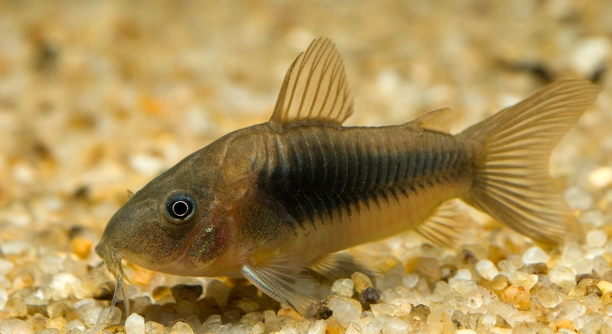
Corydoras catfish are friendly, peaceful fish often kept in groups. However, sometimes one might notice the absence of a tank mate, leaving you concerned. Recognizing the signs that your Corydoras is missing a companion is crucial for their well-being.
If your Corydoras catfish seems more withdrawn, less active, or is swimming aimlessly, it could be a sign that it’s missing a lost tank mate. Corydoras are social creatures and thrive in the company of others.
Understanding the subtle signs of a lost tank mate will help you address any concerns and create a happier environment for your fish. By knowing the clues, you can ensure your Corydoras is in good spirits.
Look for Unusual Behavior in Your Corydoras Catfish
When a Corydoras catfish loses a tank mate, it may show changes in behavior. These fish are social and enjoy swimming in groups, so if one is missing, the remaining fish can become more passive or restless. For example, they might swim slower than usual or spend more time hiding. Some Corydoras become less responsive to food, which could signal that they are feeling the absence of their companion. If your catfish seems out of sorts or disoriented, it could be a sign that something is wrong. These behavioral changes are often subtle, so keeping a close eye on them can help you notice the first signs of distress.
It’s important to observe your fish closely, especially after the loss of another tank mate. If this behavior persists, it’s worth considering the environment and how your fish might be adjusting to the change.
Corydoras catfish are not solitary creatures; they rely on the presence of others to feel secure. If a tank mate is missing, these fish can experience a drop in their normal activity levels. They may stay near the bottom of the tank more often, showing a lack of interest in exploring their space. This can also affect their interaction with other fish. If you notice your Corydoras catfish becoming more withdrawn, it’s essential to assess whether they are grieving or simply missing the companionship. Keeping the aquarium well-maintained and providing enough hiding spots might help, but it’s still best to keep an eye on their behavior.
Check for Changes in Eating Habits
One of the clearest signs that your Corydoras catfish is missing a tank mate is a change in their eating habits. These fish are known for their love of food and typically hunt for food in groups. If your fish becomes less interested in meals or takes longer to find food, this could indicate a problem. When Corydoras feel the absence of a tank mate, it may also affect their feeding schedule. You might notice that they become less motivated to eat, or they may not approach the food at all.
A lack of appetite can be stressful for your Corydoras, and it’s important to ensure they are still getting the proper nutrition. Try feeding them smaller portions to see if they regain interest. If the behavior continues, it’s time to evaluate the tank’s conditions or consider introducing another tank mate.
Corydoras are social animals and often feed alongside their tank mates, creating a sense of security and routine. If you notice any change in your catfish’s eating habits, it’s essential to pay attention to their overall health. In some cases, adjusting the type of food offered can help spark their interest. Try offering a variety of sinking pellets, algae wafers, or even live food, which could encourage your catfish to eat again. However, if this persists, you may need to look for another fish to provide that sense of companionship and help your Corydoras feel more at ease.
Watch for Increased Hiding
When a Corydoras catfish is missing a tank mate, it may spend more time hiding. These fish are naturally shy and will seek shelter when stressed or uncomfortable. If your catfish hides more than usual, it could indicate they are mourning the loss of a companion. It’s essential to monitor their hiding behavior.
Corydoras typically prefer hiding in caves, plants, or between decorations, especially when they feel insecure. If your catfish is spending all its time in these spots, it might be trying to escape the stress of being alone. Increased hiding can also mean they are feeling vulnerable or unsafe. While hiding is natural, it’s essential to consider how often your fish is hiding and whether it’s displaying other signs of stress.
If hiding becomes excessive, try adding more decorations or plants for extra cover. This can make your fish feel more secure and reduce stress. However, if your Corydoras remains hidden for long periods, it may be time to consider introducing another tank mate to help ease their anxiety.
Observe Their Swimming Patterns
A noticeable change in swimming patterns can be an important clue. Corydoras catfish usually swim in groups and prefer staying close to their tank mates. When one is missing, the remaining fish may appear confused, swimming aimlessly or even in circles. It’s a sign that they are looking for their lost companion. Their swimming patterns can become erratic, which can lead to further stress.
A catfish that is swimming without direction or not engaging with other fish as usual could be dealing with loneliness. While Corydoras are peaceful creatures, they rely on their social structure to feel comfortable in the tank. If your fish seems lost or unsure of where to go, it could be a direct result of missing a tank mate. This can also affect their interaction with the tank environment, as they may no longer explore or react to stimuli like they used to.
If this change in swimming patterns continues, it might be helpful to introduce a new tank mate to restore the balance. However, it’s important to ensure the new fish is compatible with the Corydoras and the tank’s current environment. By doing so, you can help ease your fish’s anxiety and restore their usual swimming behavior.
Monitor the Tank’s Cleanliness
Corydoras catfish help maintain the cleanliness of the tank by scavenging leftover food and debris. If your fish stops doing this, it could be a sign that it is feeling the absence of a tank mate. The loss of a companion may lead to changes in behavior, including neglecting their cleaning role.
When a Corydoras is stressed or lonely, it might not be as active in searching for food or cleaning the tank. The bottom of the tank may start to accumulate leftover food or dirt, which is usually a sign that the fish is not doing its part. This behavior is typically seen when the catfish is grieving.
In some cases, the tank’s cleanliness can decline if there are no other fish to take on similar tasks. It’s a sign to monitor your Corydoras closely to see if they need a companion to return to their usual routine of cleaning and foraging.
Check for Aggressive Behavior
While Corydoras are usually peaceful, the absence of a tank mate may cause some unusual behavior. Your catfish may show signs of aggression or territorial behavior, especially if it feels stressed or threatened. Watch out for fin nipping or chasing.
Corydoras are generally peaceful, but without a companion, they may act out. The stress from missing a tank mate can trigger unusual behaviors, like aggression towards other fish in the tank. If you notice your catfish acting more aggressive than usual, it’s a clear sign they are experiencing stress.
Look for Closer Interactions with Other Fish
If your Corydoras catfish becomes more social with other species in the tank, it could be because it’s seeking companionship after losing a mate. They may begin interacting more with other fish, even if they weren’t as close before. Keep an eye on these changes.
FAQ
How do I know if my Corydoras catfish is grieving?
Corydoras are social fish, and if they are grieving, it may show through behavioral changes. If your catfish is swimming aimlessly, hiding more often, or showing a lack of interest in food, these could be signs of stress related to the loss of a tank mate. They may also become more withdrawn or exhibit a lack of energy. Monitoring your fish closely for these signs is important to determine if they are mourning the loss of their companion.
Can a Corydoras catfish live alone?
While Corydoras catfish can technically live alone, they thrive best when kept in groups. These fish are naturally social and feel more secure and comfortable when they have companions. Keeping a Corydoras alone might lead to loneliness and stress, which could affect its behavior and health. If you’re considering keeping a single Corydoras, it’s recommended to introduce at least one more to reduce the chances of the fish becoming lonely.
How long does it take for a Corydoras catfish to adjust after losing a tank mate?
The time it takes for a Corydoras to adjust after losing a tank mate can vary depending on the individual fish. Some may show signs of adjustment within a few days, while others might take weeks. During this time, the fish may act withdrawn or appear less active. Providing a calm environment with plenty of hiding spaces can help ease the transition. Additionally, introducing a new tank mate might speed up the adjustment process, but it’s essential to ensure compatibility between the species.
Should I replace a lost Corydoras catfish right away?
Replacing a lost Corydoras catfish immediately is not always necessary. If your remaining fish is displaying signs of distress, such as loneliness or aggression, it may help to introduce a new tank mate. However, be sure to consider the size of your tank, the compatibility of the new fish, and the overall environment before adding another Corydoras. It’s best to wait until the water conditions are stable and your fish have adjusted before making any changes.
How can I help my Corydoras catfish adjust to a new tank mate?
When introducing a new Corydoras to your tank, it’s important to acclimate them properly. Ensure the new fish is introduced gradually to avoid territorial disputes. Adding decorations or rearranging the tank can help prevent aggressive behavior, as it reduces territorial boundaries. Monitor the fish closely for signs of stress, such as chasing or hiding. Make sure the new fish is healthy and compatible with your existing Corydoras before adding them to the tank.
What should I do if my Corydoras catfish is not eating?
If your Corydoras catfish is not eating, there could be several reasons. Stress from losing a tank mate or changes in the tank environment are common causes. Start by checking water conditions, including temperature, pH levels, and ammonia levels, as poor water quality can affect appetite. Try offering different types of food, like sinking pellets or live food, to see if they regain interest. If the problem persists, it’s best to consult a veterinarian or aquarium expert to ensure there are no underlying health issues.
Can Corydoras catfish get lonely?
Yes, Corydoras catfish can get lonely if they are kept without companions. These fish are naturally social and prefer the company of their own kind. If kept alone, they may experience stress, which can lead to behavioral issues like hiding or reduced activity. Keeping at least two or three Corydoras together is ideal for their well-being. If you notice signs of loneliness, it might be helpful to add more Corydoras to the tank.
Is it normal for Corydoras catfish to hide after losing a tank mate?
It is normal for Corydoras to hide more than usual if they are missing a tank mate. These fish can become stressed or anxious without the comfort of their companions. If your Corydoras is spending more time in hiding spots or is reluctant to explore the tank, this could be an indication that they are grieving or feeling insecure. Providing more hiding places or adding a new companion could help them feel more secure and less anxious.
Can Corydoras catfish get depressed?
While Corydoras catfish don’t experience depression in the same way humans do, they can certainly exhibit signs of stress or anxiety. Losing a tank mate or being in an unfamiliar environment can cause changes in their behavior, including lethargy, loss of appetite, or increased hiding. Ensuring the tank environment is stable and offering companionship can help ease these stressors. In cases where the fish’s behavior doesn’t improve, it might be worth consulting an aquarium expert to address any underlying issues.
How can I tell if my Corydoras catfish is sick or just lonely?
Distinguishing between sickness and loneliness can be tricky. If your Corydoras is behaving differently, look for additional symptoms like faded color, swollen areas, or visible lesions, which could indicate illness. If the fish is hiding, not eating, or swimming aimlessly but otherwise looks healthy, it may simply be lonely or stressed. Pay attention to water conditions, as poor water quality can also contribute to behavioral changes. If illness is suspected, isolating the affected fish and consulting an expert may be necessary.
Final Thoughts
Corydoras catfish are peaceful and social fish that thrive in groups. When one of their tank mates is lost, it can have a significant effect on their behavior. These fish rely on the companionship of others for comfort and security. If you notice signs like increased hiding, changes in eating habits, or unusual swimming patterns, it might be an indication that your Corydoras is feeling the absence of its companion. Keeping an eye on these subtle clues will help you determine if your fish is missing a mate.
While Corydoras can technically live alone, they are much happier and healthier when kept in groups. It’s essential to create an environment where they feel secure and comfortable. If you notice your Corydoras becoming more stressed or withdrawn after the loss of a tank mate, it’s worth considering introducing another one. A new companion could help restore balance and bring back the social interaction your Corydoras needs. However, make sure the new fish is compatible with the existing ones to avoid any conflicts.
In the end, taking care of Corydoras involves more than just providing food and clean water. These fish need companionship, and their well-being depends on having a stable and supportive environment. By understanding the signs of loneliness or stress, you can make the necessary changes to keep your Corydoras happy. Whether that means adding another tank mate, adjusting the tank setup, or monitoring their behavior more closely, being proactive can help ensure your Corydoras remain healthy and content in their home.

Hello,
If you enjoy the content that we create, please consider saying a "Thank You!" by leaving a tip.
Every little bit helps us continue crafting quality advice that supports the health, happiness, and well-being of pets around the world, for pets of all shapes, sizes, and species.
We really appreciate the kindness and support that you show us!