
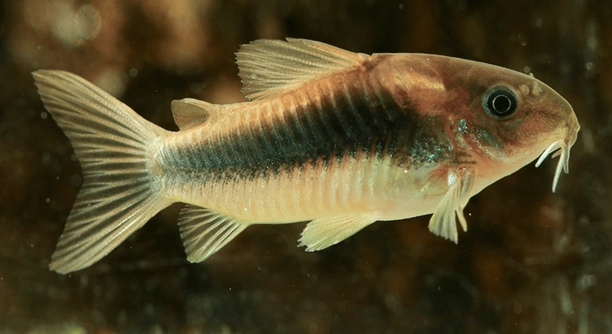
Corydoras catfish are known for their unique behavior of swimming against the current in aquariums. This curious action is a fascinating aspect of their nature and often leaves fishkeepers wondering why they do it.
The main reason Corydoras catfish swim against the current is to exercise their muscles and improve their health. This natural behavior mimics their actions in the wild, where they swim in flowing waters to maintain strength and agility.
Understanding this behavior can help you create a better environment for your fish. There are also benefits to this movement that can improve their well-being and enrich their tank experience.
Why Do Corydoras Swim Against the Current?
Corydoras catfish are often seen swimming against the flow of water in aquariums. This behavior can seem unusual to aquarium owners, especially if they are unfamiliar with the habits of these fish. In their natural environment, Corydoras are bottom-dwellers in fast-moving streams. The strong current helps keep their bodies strong and active, and it’s also a natural part of their daily routine. By swimming against the current, they work their muscles and maintain their fitness. It’s not just about movement; it’s about the health benefits that come with it. Even in home aquariums, where water flow is usually less intense, they still display this behavior because it’s instinctual. Understanding this can help fish owners appreciate why their catfish act this way and ensure their tank environment encourages this behavior.
They thrive in areas with gentle water flow but still instinctively swim against the current. It’s part of what keeps them healthy.
By swimming against the current, Corydoras engage in natural exercise that benefits their physical health. This constant movement helps them develop strong muscles and increases their oxygen intake, which is essential for their overall well-being. Additionally, the effort to swim in a current can improve their resistance to stress and potential health issues. It mimics their behavior in the wild, where they must constantly work against the flow of water. If kept in a tank with water flow, Corydoras will often gravitate toward areas with stronger currents. It’s a sign that they are adapting to their environment, even in captivity, to maintain a balance between activity and rest. This behavior not only promotes muscle strength but also supports cardiovascular health, making it an essential aspect of their daily life.
Benefits of Swimming Against the Current
Swimming against the current brings more than just physical benefits. It has a positive impact on Corydoras’ overall behavior and mental health.
First, it helps reduce stress. In the wild, Corydoras swim against natural currents to avoid predators and find food. This constant motion can be calming and reduce anxiety. They enjoy having a challenge in their environment. Swimming against the flow gives them a sense of purpose, and it helps maintain a natural rhythm in their lives. It’s important for fish keepers to create environments that allow their Corydoras to act naturally. In doing so, they can promote healthier, happier fish. For fish owners, the benefits are clear: healthier fish often lead to a cleaner tank and more vibrant aquarium life.
The physical activity involved in swimming against a current keeps the Corydoras fit, which helps prevent diseases. A strong, active fish is less susceptible to infections.
Muscles and Health Benefits
Swimming against the current strengthens the muscles of Corydoras catfish. Their regular movement against water flow supports better muscle tone and endurance, promoting overall health.
In their natural habitats, these fish are used to swimming in strong currents, which helps them develop stronger muscles and agility. When kept in aquariums, the current can be less intense, but swimming against it still has benefits. Corydoras use this behavior to maintain muscle strength and improve their physical fitness. By constantly moving, they keep their bodies in top condition, making them more resilient to stress and illness. Regular movement also increases their blood circulation, which can boost their immune system.
Over time, this natural form of exercise reduces the chances of muscular atrophy and helps maintain the fish’s physical condition. For owners, providing a current can ensure that the fish remain active and healthy for longer periods. It’s a simple yet effective way to help them thrive.
Mental Stimulation and Natural Behavior
Swimming against the current also provides mental stimulation for Corydoras. This behavior mimics their natural instincts and keeps their minds engaged.
In the wild, Corydoras are constantly navigating their environment. They interact with the current, explore their surroundings, and look for food. In a tank, replicating this activity can keep them mentally sharp. A steady challenge like swimming against the current can prevent boredom, which is crucial for their mental health. When their environment reflects their natural behavior, they feel more at ease and can flourish. It also helps reduce stress, as the fish feel they are in a familiar and comfortable setting. Mental stimulation, combined with physical activity, promotes overall well-being.
Providing varying levels of water flow in the tank can offer more opportunities for the fish to engage in this behavior. A setup that mimics natural conditions makes the environment more enriching, leading to happier and healthier Corydoras. Keeping their minds active in this way will ensure they remain strong and content in their aquarium.
Improves Oxygen Intake
Swimming against the current helps Corydoras take in more oxygen. This increase in oxygen intake supports their respiratory health and overall vitality.
By swimming against the water flow, Corydoras force themselves to take in more oxygen from the water. This increased oxygen supply helps keep their gills functioning at an optimal level. When their gills are well oxygenated, they can process more oxygen, improving their physical performance and overall health. This behavior is vital for their survival in fast-moving waters where oxygen levels tend to be higher. For aquarium owners, ensuring a slight current can help their Corydoras thrive by supporting their oxygen needs.
Proper oxygenation is essential for the fish’s internal organs, enabling them to stay healthy. It’s another reason why Corydoras swim against currents—they know how to maintain their energy and health.
Keeps the Tank Cleaner
Corydoras play a role in cleaning the tank as they swim against the current. Their constant movement helps stir up debris, promoting cleaner water.
When Corydoras swim against the current, they disturb the substrate, which can help dislodge dirt and uneaten food. This helps maintain a cleaner tank. Though Corydoras are bottom dwellers, their activity encourages the movement of particles, making it easier for the filter to catch any floating debris. Additionally, their natural scavenging behavior helps reduce waste. Having Corydoras in a tank creates a dynamic environment that indirectly aids in maintaining cleanliness and water quality, benefiting all tank inhabitants.
This cleaning effect makes Corydoras more valuable in a well-maintained aquarium.
Encourages Natural Feeding Habits
Corydoras are opportunistic feeders, and swimming against the current encourages them to search for food in a natural way.
In the wild, Corydoras rely on currents to bring food to them. By swimming against the flow, they can access small particles and organic matter that get carried in the water. When placed in aquariums with light currents, this behavior can simulate their natural feeding routine. It encourages them to explore the substrate, look for food, and use their barbels to locate edible particles. This mimics their instincts and keeps them engaged in their natural behaviors, which is essential for their overall health and satisfaction.
FAQ
Why do Corydoras swim against the current in an aquarium?
Corydoras swim against the current in an aquarium because it mimics their natural behavior. In the wild, they are used to swimming in fast-moving waters. This behavior helps them stay fit and maintain strong muscles, which is important for their overall health. Even in home aquariums, they instinctively swim against any water flow available, which helps them maintain their physical strength, improve their oxygen intake, and reduce stress. Having a current in the tank allows them to act more naturally, which is essential for their well-being.
Can I keep Corydoras in a tank without a current?
Yes, Corydoras can live in a tank without a strong current, but they still need some form of water movement. Without any flow, their natural behaviors may be limited, and they could become stressed or inactive. A gentle water flow, created by a small filter or air pump, is ideal for Corydoras. It helps them engage in their natural swimming habits, promotes oxygenation, and encourages activity. However, the current should not be too strong, as Corydoras prefer mild flow, and too much current can stress them out.
How strong should the current be for Corydoras catfish?
Corydoras prefer a mild current, similar to what they would encounter in their natural riverbed environments. The flow should be gentle enough for them to swim against but not so strong that it causes them to struggle. A good guideline is to have a flow rate that provides slight movement across the tank’s surface without disturbing the bottom substrate too much. A filter or pump rated for a tank size that’s not too powerful will generally provide the right amount of current. You can also adjust the placement of the filter to control the flow strength.
Do Corydoras need a filter to swim against the current?
A filter can create the necessary current, but it’s not the only way to provide movement in the tank. While filters are commonly used to create gentle water flow, you can also use a small air pump or powerhead if you need to add a bit more current. The key is to ensure the water movement isn’t too intense, as Corydoras are sensitive to fast currents. A filter is often the easiest way to maintain both water quality and the right amount of current. Just be sure to monitor the flow and adjust it to suit your fish.
Can Corydoras live in a tank with no water movement at all?
Corydoras can survive in a tank with no water movement, but it’s not ideal for their overall health. In stagnant water, the oxygen levels may drop, and waste may build up more quickly, leading to poor water quality. Corydoras are used to swimming in mild currents, and a lack of movement could result in them becoming less active or stressed. Even a small water movement, like a filter, is important for their well-being. Without it, they may not thrive or exhibit the same natural behaviors.
Are Corydoras active during the day or night?
Corydoras are primarily nocturnal or crepuscular, meaning they are most active at dusk and dawn. They tend to be more active at night when the lights are dimmer and the tank is quieter. However, they are not exclusively active at night. If you observe them carefully, you’ll notice that they will occasionally swim around during the day, especially if the tank is quiet and there’s plenty of food. It’s important to provide some hiding spots in the tank where they can retreat to when they need rest, particularly during the day.
Can Corydoras be kept with other fish species?
Yes, Corydoras are peaceful and social fish, making them great tankmates for many species. They do well in community tanks with other peaceful fish, such as tetras, guppies, and small livebearers. It’s essential, however, to avoid keeping them with aggressive or fin-nipping species that might stress them out or harm them. Corydoras thrive in groups, so it’s best to keep at least a few of them together, as they feel safer and more confident in numbers. Just make sure that their tankmates don’t outcompete them for food or space.
Do Corydoras eat plants?
Corydoras are not known to eat live plants. They are primarily scavengers and feed on food particles that fall to the tank bottom. They’ll munch on algae, detritus, and any leftover food in the substrate. While they might nibble on soft plant matter if it’s already decaying, they don’t actively seek out or damage healthy plants. In fact, they often help keep the tank clean by scavenging, which indirectly benefits the plants by removing excess food and organic waste from the substrate. Keeping live plants in the tank is safe for Corydoras.
How often should I feed my Corydoras?
Corydoras are bottom feeders, and their diet consists of small food particles that sink to the bottom of the tank. They should be fed once or twice a day with small amounts of food. Overfeeding can lead to water quality problems, as uneaten food will decompose and pollute the tank. You can feed them sinking pellets, frozen or live foods like bloodworms, and occasionally some vegetables like blanched spinach. Make sure that any leftover food is removed from the tank after a few hours to avoid waste buildup. Always observe your fish to ensure they are getting enough food without excess.
What size tank do Corydoras need?
Corydoras do well in tanks that are at least 20 gallons, especially if you’re keeping a group of them. A larger tank will give them enough space to swim and explore, mimicking their natural environment. Corydoras prefer swimming at the bottom of the tank, so the substrate should be soft and non-abrasive to protect their barbels. A tank with enough floor space will allow them to swim comfortably and forage for food. It’s also important to keep the water quality high in a larger tank, which is easier to maintain with proper filtration.
Can Corydoras live in cold water?
Corydoras are tropical fish and do best in warm water with temperatures between 72°F and 78°F (22°C – 26°C). They can tolerate a range of temperatures but should not be exposed to cold water for extended periods, as it can weaken their immune system and make them more susceptible to illness. It’s best to maintain a stable water temperature to keep them healthy. If you plan to keep them in colder environments, such as unheated tanks, it’s important to ensure the water temperature doesn’t drop below their ideal range for too long.
Final Thoughts
Corydoras catfish are fascinating creatures that bring unique benefits to your aquarium. Their behavior of swimming against the current may seem odd at first, but it’s a natural part of their instinctual activities. In the wild, they encounter fast-moving waters, so they are built to swim against the flow. In an aquarium, this movement helps keep them fit, stimulates their muscles, and supports their overall health. This behavior also improves their oxygen intake, allowing them to remain more active and resilient. For aquarium owners, understanding why they swim against the current can help create a better, healthier environment for them to thrive in.
By providing a mild current in your tank, you help replicate their natural habitat and encourage these beneficial behaviors. It’s not just about physical health either. Corydoras rely on water movement to find food and stay mentally stimulated. When they swim against a current, they mimic the searching behavior they would do in nature. This keeps them engaged, reducing the chances of stress or boredom. This level of stimulation is important, as it ensures the fish are happy and comfortable in their environment. When Corydoras are content and active, they contribute to a more vibrant, healthy aquarium ecosystem.
While Corydoras don’t require strong currents to survive, the gentle flow that encourages them to swim against the current offers more than just a simple physical challenge. It supports their natural behaviors, keeps them fit, and ensures their overall well-being. So, whether you have a small tank or a larger one, ensuring a slight current is a simple and effective way to improve their lives and help your aquarium flourish. It’s a small adjustment that makes a big difference in the long run, keeping your Corydoras healthy, active, and happy.

Hello,
If you enjoy the content that we create, please consider saying a "Thank You!" by leaving a tip.
Every little bit helps us continue crafting quality advice that supports the health, happiness, and well-being of pets around the world, for pets of all shapes, sizes, and species.
We really appreciate the kindness and support that you show us!