
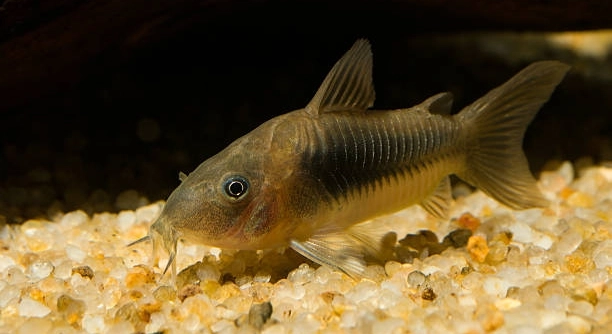
Corydoras catfish are popular aquarium fish known for their peaceful nature and charming behavior. Breeding them, however, can be tricky and requires some attention to detail. If you’re aiming to breed these little fish, understanding key factors is essential.
To improve Corydoras catfish breeding success, you need to replicate their natural environment and meet their specific needs. This includes water quality, temperature, diet, and creating ideal spawning conditions to ensure healthy egg development and successful hatching.
By understanding these key areas, you can increase your chances of a successful breeding experience. Proper care and attention to detail make all the difference when it comes to breeding Corydoras.
Create the Right Environment
When trying to breed Corydoras catfish, the environment you provide plays a key role in their breeding success. These fish come from calm, soft water streams with slow-moving currents. Mimicking this environment in your tank can make a big difference. Maintaining stable water temperature between 74-78°F (23-25°C) and keeping the pH level slightly acidic (6.0-7.0) will help them feel comfortable and more likely to spawn. Additionally, a clean tank free from any harmful chemicals or drastic changes is essential. You should also include some plants and fine substrates for the fish to feel at ease.
Setting up your tank with these factors in mind allows Corydoras to breed successfully. Water changes should be regular, and tank mates should be peaceful, as stress can discourage spawning.
Make sure to have a suitable filtration system that does not create strong currents. Avoid aggressive fish that may intimidate your Corydoras and disrupt the breeding process. A well-maintained and calm tank is crucial for them to feel secure enough to spawn.
Maintain Proper Nutrition
Feeding your Corydoras the right food will help them stay healthy and be ready for breeding.
Provide a balanced diet that includes high-quality pellets, live or frozen foods such as bloodworms, and occasional vegetable matter like zucchini. This ensures the fish get all the necessary nutrients for breeding.
A nutritious diet is important for overall fish health and fertility. Corydoras are bottom feeders, so offer food that sinks to the bottom of the tank. Healthy, well-fed fish are more likely to breed successfully. Ensure you feed them small amounts multiple times a day to keep them satisfied and prevent overfeeding.
Proper Tank Setup
Ensure your tank is spacious enough to accommodate both adult Corydoras and the offspring. A 20-gallon tank is a good size for a small group of these fish. Providing enough space allows the fish to move freely, reducing stress, which is crucial for breeding.
Include plenty of hiding spots, like rocks, plants, or caves, where the fish can feel secure. Corydoras are known to lay eggs in these secluded areas, so having multiple options gives them choices.
Also, use a soft substrate like sand, as Corydoras tend to dig. The sand allows them to feel more at home and reduces the chance of eggs being harmed or eaten. The right tank setup can make a big difference in encouraging breeding.
Temperature and Water Quality
Maintaining the correct water temperature and quality is vital for successful breeding. Corydoras prefer slightly warm water, typically between 74-78°F (23-25°C). If the temperature drops or rises too much, the fish may become stressed or unwilling to breed.
Additionally, the water must be soft and slightly acidic. Regular water changes are essential to keep the environment stable and healthy for both adults and eggs. Use a reliable filter to maintain water quality but avoid strong currents. Make sure to test water parameters regularly for consistency.
The goal is to simulate the fish’s natural habitat, where the water is clean and consistently within their preferred range. Providing the right temperature and water quality will increase your chances of success in breeding.
Breeding Triggers
Corydoras can be encouraged to breed by simulating their natural environment. A sudden change in water temperature can act as a trigger, similar to the rainy season in their native habitat. Gradually lowering the temperature by a few degrees, followed by a slight increase, can stimulate spawning.
Another breeding trigger is increasing the amount of water changes. This change mimics the influx of fresh water during rainy seasons, which can encourage Corydoras to spawn. Keep the water clean, and make sure to keep stress levels low to create the perfect environment for breeding.
Spawning Behavior
Once the right conditions are met, Corydoras will begin to show signs of spawning behavior. The female will search for a suitable place to lay eggs, typically on smooth surfaces like plants, glass, or decorations. Males will chase the female around and try to nudge her to release the eggs.
This courtship behavior is often accompanied by intense swimming patterns, and the male may guard the female to protect her from other fish. The eggs will be fertilized as they are laid. You may start noticing eggs sticking to surfaces around the tank shortly after.
Egg Care
After the eggs are laid, it’s important to keep them in optimal conditions to hatch successfully. If you have other fish in the tank, consider removing the eggs to a separate breeding tank. Adult fish may eat the eggs if left unattended.
The eggs will take a few days to hatch. Keep the water clean and ensure that it remains within the ideal temperature range. Use gentle aeration to prevent fungus or rot while maintaining the tank’s quiet, stable environment.
FAQ
How long does it take for Corydoras eggs to hatch?
Corydoras eggs typically take 3-5 days to hatch, depending on the water temperature. Warmer water speeds up the process, while cooler temperatures can slow it down. Ensure the water remains stable and within the ideal range to avoid any delays or risks to the developing eggs.
What should I do if the Corydoras eggs are not hatching?
If your Corydoras eggs aren’t hatching, there could be a few reasons. Check the water temperature, as it may be too cold. Make sure you’re keeping the water clean and free of toxins. Sometimes, fungus or bacteria may infect the eggs, so removing them to a separate tank can help.
Can Corydoras breed in community tanks?
Yes, Corydoras can breed in community tanks, but the success rate may be lower due to the presence of other fish. Some fish may disturb or eat the eggs. It’s best to keep a close watch or move the eggs to a breeding tank to increase the chances of survival.
Do Corydoras need a mate to breed?
Yes, Corydoras need a male and female to breed. Typically, a group of 4-6 is ideal to ensure that there is both a male and female, as it may be difficult to visually identify them. Male Corydoras are generally smaller, with a more streamlined body compared to females.
What is the best substrate for breeding Corydoras?
A fine, soft substrate such as sand is best for Corydoras breeding. They are bottom dwellers and will dig or scavenge for food, so a soft substrate prevents injury to their delicate barbels. Avoid sharp gravel, as it can harm their sensitive fins and barbels.
Can I leave the baby Corydoras in the main tank?
While it’s possible for baby Corydoras to remain in the main tank, there’s a risk that adult fish may eat them. If you want a higher survival rate, consider moving the baby Corydoras to a separate tank or adding plenty of hiding spots in the main tank.
How can I tell if my Corydoras are ready to spawn?
Corydoras are ready to spawn when they exhibit specific behaviors such as increased activity and chasing each other around the tank. The female will have a rounder belly due to the eggs she is carrying. Males may also be more aggressive in their pursuit of the female.
Should I provide extra food for my Corydoras during breeding?
Yes, extra food is important when breeding Corydoras to ensure both the adults and future fry stay healthy. Offer high-quality sinking pellets, live or frozen foods like bloodworms or brine shrimp, and some vegetable matter like zucchini to provide a balanced diet.
What temperature should the water be for Corydoras breeding?
The ideal water temperature for Corydoras breeding is between 74-78°F (23-25°C). Slight fluctuations in temperature can help trigger spawning behavior. However, avoid sudden drops or rises in temperature, as it could stress the fish and prevent breeding from occurring.
Can I use a filter during Corydoras breeding?
Yes, you can use a filter, but it should not be too strong. A filter with gentle flow is ideal to avoid disturbing the eggs and newly hatched fry. High water movement can prevent the eggs from sticking to surfaces, so use a sponge filter or a filter with adjustable flow.
What happens if my Corydoras eggs fungus?
If your Corydoras eggs develop fungus, it’s important to remove them quickly to prevent the fungus from spreading to healthy eggs. You can treat them with antifungal solutions or move the eggs to a separate tank with clean water to improve their chances of survival.
Do Corydoras need a spawning mop?
While not absolutely necessary, a spawning mop can help Corydoras lay their eggs in a safe location. Spawning mops provide a soft surface that encourages females to lay eggs. The eggs stick to the fibers, making it easier to collect them before any other fish eat them.
How many eggs will Corydoras lay?
Corydoras can lay anywhere from 20 to 100 eggs at a time, depending on their size and age. The eggs are often laid in small clusters on surfaces like glass, leaves, or tank decorations. After fertilization, the female may lay multiple batches of eggs over a few days.
Can I breed Corydoras year-round?
Yes, Corydoras can breed year-round as long as the conditions are right. Ensuring stable water temperature, providing a proper diet, and creating a stress-free environment will allow them to breed at any time. However, breeding may slow down if any of these factors are not ideal.
How do I care for baby Corydoras?
Once the baby Corydoras hatch, they will need a carefully controlled environment. Start by feeding them fine foods such as infusoria or crushed sinking pellets. Keep the water clean and maintain a stable temperature. Ensure they have hiding spots to feel safe and reduce stress during their early stages of development.
Can Corydoras breed with other fish?
Corydoras can only breed with other Corydoras species, as they are a genus-specific fish. While they may interact with different species in a community tank, crossbreeding is not possible. However, they may mate with other members of the same species, leading to hybridization between certain types of Corydoras.
How can I increase the chances of successful breeding?
To increase breeding success, focus on creating a calm, clean environment with stable water quality, appropriate temperature, and suitable substrates. Offer a varied diet, provide hiding places, and ensure that your Corydoras feel safe and secure. Avoid overstocking the tank to minimize stress during breeding.
Final Thoughts
Breeding Corydoras catfish can be a rewarding experience, but it requires attention to detail. Creating the right environment is key. This includes maintaining stable water temperature, keeping the water quality high, and providing suitable tank conditions. Corydoras are sensitive fish, so small changes in their environment can make a big difference in their breeding success. Once you understand their needs, the process of breeding becomes much more predictable.
Another important factor to consider is their diet. Healthy, well-fed Corydoras are more likely to breed successfully. Offering a varied diet that includes sinking pellets, live foods, and occasional vegetables helps keep them in top condition. Be sure to feed them in small amounts, several times a day, to ensure they get enough nutrients without overfeeding. Proper nutrition supports both the adults and the developing eggs, which is crucial for the success of the breeding process.
Patience is essential when breeding Corydoras. The process may take time, and things may not always go as planned. There may be some trial and error along the way, but with the right approach, the chances of success are high. Pay close attention to their behavior, maintain consistent water parameters, and be ready to act if any issues arise. By focusing on these key factors—water quality, diet, and patience—you can increase your chances of successfully breeding Corydoras catfish and enjoy watching their little ones grow.

Hello,
If you enjoy the content that we create, please consider saying a "Thank You!" by leaving a tip.
Every little bit helps us continue crafting quality advice that supports the health, happiness, and well-being of pets around the world, for pets of all shapes, sizes, and species.
We really appreciate the kindness and support that you show us!