
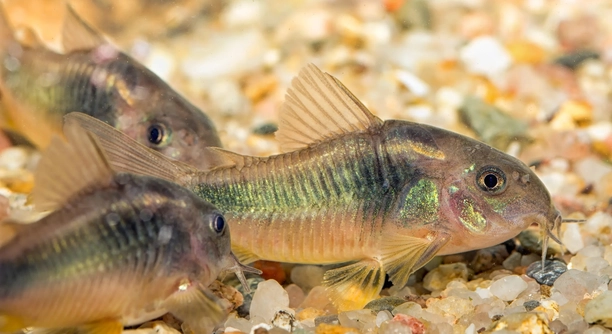
Corydoras catfish are a popular choice for aquariums due to their peaceful nature and helpful cleaning abilities. However, maintaining their water quality can be tricky. It’s important to ensure their habitat remains healthy without using chemicals.
Improving water quality for Corydoras catfish without chemicals involves a variety of natural and simple strategies. Regular water changes, proper filtration, live plants, and maintaining a stable tank temperature can enhance the environment and benefit the fish’s health.
By following these methods, you’ll create a safer and more stable environment for your Corydoras catfish to thrive. Keep reading to learn how these simple steps can make a difference in your aquarium.
Regular Water Changes
Regular water changes are one of the easiest and most effective ways to improve water quality for Corydoras catfish. They help remove excess waste, uneaten food, and toxins that can build up in the tank. Ideally, change 20-30% of the water every week. Doing so keeps the environment fresh and prevents harmful elements from accumulating, ensuring the catfish remain healthy.
Maintaining a consistent water change schedule can reduce stress for the fish and prevent common issues like algae overgrowth and ammonia spikes. It also helps in maintaining the right levels of nutrients in the tank, which is essential for both the fish and any live plants you may have.
Water changes are especially important if you have a smaller tank or a heavily stocked aquarium. Smaller tanks can see more rapid fluctuations in water quality, making regular changes even more critical to keeping everything balanced.
Proper Filtration
A good filtration system is crucial for maintaining clean water in an aquarium. It helps to filter out debris and toxins, keeping the water clear and safe for your Corydoras. Make sure your filter is sized appropriately for your tank.
In addition to mechanical filtration, using biological filters can also support the growth of beneficial bacteria that break down waste in the water. These bacteria are essential for controlling ammonia and nitrite levels, which can be toxic to your fish.
Choose a filter that doesn’t create strong currents, as Corydoras prefer calm waters. Ensure it runs quietly and efficiently so that your catfish can thrive in a stable environment. Regularly check and clean your filter to keep it working properly.
Live Plants
Adding live plants to your aquarium can naturally improve water quality. Plants absorb excess nutrients, such as nitrates, that may otherwise lead to poor water quality. They also provide hiding spots for Corydoras, making the tank feel more natural and secure for them.
Plants like Java Fern, Anubias, and Amazon Sword are ideal choices for Corydoras tanks. These plants are low-maintenance and grow well in the conditions most Corydoras need. The roots of these plants also help anchor the substrate, reducing the amount of dirt and debris that can build up in the water.
Live plants not only help maintain water quality but also contribute to the overall aesthetic of the aquarium, creating a more vibrant and appealing environment for both the fish and the observer. If you choose to add plants, make sure they are compatible with the needs of your Corydoras and your tank setup.
Avoid Overfeeding
Overfeeding your Corydoras can cause poor water quality. When fish eat more than they need, excess food sinks to the bottom and decomposes, creating a source of ammonia and waste in the tank. Stick to a feeding schedule, offering only what the fish can eat within a few minutes.
It’s important to remember that Corydoras are bottom feeders and will scavenge for food on their own, so there is no need to overfeed. If you notice leftover food at the end of the feeding session, reduce the amount next time. Overfeeding can quickly lead to cloudy water and increased levels of harmful toxins, which stress out the fish.
By feeding only what is necessary and keeping track of their eating habits, you can help maintain the water quality and ensure your catfish stay healthy. Keep in mind that feeding smaller portions multiple times a day is often better than offering one large meal.
Maintain Stable Temperature
Corydoras catfish thrive in stable water temperatures, typically between 72°F and 78°F. Fluctuations can stress them out and affect water quality. Use a reliable aquarium heater to keep the temperature consistent, especially during seasonal changes.
A consistent temperature supports the health of both the fish and beneficial bacteria in the tank. Cold water can slow down the filtration process, while water that’s too hot can reduce oxygen levels. Regularly monitor the tank temperature with a thermometer to ensure it stays within the ideal range for Corydoras.
If you’re adding new equipment like a heater or adjusting the temperature, do so gradually to avoid shocking the fish. Corydoras can be sensitive to abrupt changes, and sudden shifts can lead to stress or illness.
Use a Quality Substrate
The right substrate plays a crucial role in maintaining clean water. Corydoras prefer soft, sandy bottoms that are easy on their delicate barbels. A fine-gravel or sandy substrate prevents waste from accumulating and promotes proper filtration.
Avoid using large, sharp gravel, as it can irritate your catfish and may cause damage to their barbels. A fine substrate also allows beneficial bacteria to thrive, which helps break down organic waste and keep the water clear. Regular vacuuming of the substrate ensures it remains clean and prevents waste buildup.
For a healthier tank environment, consider adding some live plants to the substrate. This not only helps to maintain water quality but also provides hiding spaces and surfaces for beneficial microorganisms to grow.
Avoid Overcrowding
Overcrowding can lead to poor water quality in your tank. Too many fish can cause waste levels to rise quickly, overwhelming the filtration system and increasing the risk of harmful toxins. Keep the number of Corydoras in line with your tank’s size.
A good rule of thumb is to have one inch of fish per gallon of water. If you’re adding other species to the tank, make sure the overall stocking density doesn’t exceed this. Overcrowding can also lead to stress and competition for food, further impacting water quality and fish health.
Use Activated Carbon
Activated carbon is an effective way to remove impurities and toxins from the water. It acts as a natural filter, absorbing chemicals and odors that can cloud the water. Using a carbon filter can significantly improve the clarity and overall health of your aquarium.
Activated carbon is easy to use and can be placed in the filter. It’s important to replace it regularly to maintain its effectiveness. Carbon can also help reduce the presence of medications or other treatments used in the tank, ensuring a more stable environment for your fish.
Monitor pH Levels
Maintaining the correct pH level is essential for Corydoras health. These fish prefer slightly acidic to neutral water, typically around 6.0 to 7.5. If the pH drifts too high or too low, it can stress the fish and lead to poor water quality.
Regularly check the pH levels using test kits. If adjustments are necessary, use natural methods such as adding driftwood or using pH stabilizers. Sudden pH changes can be harmful, so always adjust gradually. Maintaining the right pH level ensures a stable, healthy environment for your Corydoras to thrive in.
FAQ
What water temperature is best for Corydoras catfish?
Corydoras catfish thrive in water temperatures between 72°F and 78°F (22°C to 26°C). Keeping the temperature within this range ensures the fish stay comfortable and healthy. If the temperature is too low, Corydoras can become sluggish, while water that’s too hot can reduce oxygen levels, leading to stress and health problems. A reliable aquarium heater with a thermometer will help maintain a consistent temperature. Remember that sudden temperature fluctuations can harm your fish, so gradual changes are always best.
How often should I change the water for my Corydoras tank?
To maintain good water quality, perform a 20-30% water change every week. This helps remove accumulated toxins, excess nutrients, and debris, keeping the tank environment healthy for your Corydoras. Regular water changes are especially important if you have a small tank or if it’s heavily stocked. For larger tanks, the frequency may be reduced, but the amount of water changed should still be enough to maintain proper conditions. Always use a dechlorinator when adding new water to avoid harmful chemicals.
Can Corydoras catfish live with other fish?
Yes, Corydoras are peaceful bottom dwellers and generally get along well with most other species, as long as they are not overly aggressive or too large. They work well in community tanks with other small or medium-sized fish. However, avoid keeping them with aggressive species that might bully or nip at them. It’s also important to ensure that the water parameters of all tank inhabitants are compatible. Make sure the tank isn’t overcrowded, as this can lead to poor water quality and stress for everyone.
What is the best substrate for Corydoras catfish?
Corydoras prefer soft, fine substrates like sand or very smooth gravel. Their delicate barbels can be damaged by sharp, rough gravel, which could cause injury or infection. Fine sand allows Corydoras to dig and sift through the substrate as they naturally do in the wild, promoting healthy behaviors. Additionally, sand does not trap waste as much as gravel, making it easier to keep the tank clean. If using gravel, choose one with small, smooth pebbles. Always vacuum the substrate regularly to prevent waste from building up.
Are plants necessary for Corydoras tanks?
While live plants are not strictly necessary for Corydoras, they do provide several benefits. Plants help absorb excess nutrients and improve water quality by reducing nitrates and phosphates. They also create a more natural environment, giving Corydoras places to hide and explore. Plants such as Java Fern, Anubias, and Amazon Sword are popular choices in Corydoras tanks because they thrive in the water conditions these fish prefer. Adding plants can also help stabilize water parameters, contributing to overall tank health.
Can Corydoras live in hard water?
Corydoras catfish prefer soft to moderately hard water with a pH level ranging from 6.0 to 7.5. If you have hard water, you may need to adjust the water chemistry slightly to ensure it stays within the ideal range. Softening the water can be achieved through methods such as using reverse osmosis (RO) water or adding peat moss to the filter. Monitoring the water’s hardness is crucial for maintaining the health of your Corydoras, as high levels of hardness can stress them over time.
Do Corydoras catfish need a filter?
Yes, a filter is essential for maintaining good water quality in a Corydoras tank. Filters help remove debris, excess food, and waste, all of which can lead to harmful toxin buildup in the water. It’s important to choose a filter that provides adequate filtration without creating strong currents, as Corydoras prefer calm water. Consider using a sponge filter, which provides gentle filtration and aeration, ideal for bottom-dwelling fish. Regularly clean and maintain the filter to ensure it functions properly.
How do I reduce algae growth in my Corydoras tank?
Excessive algae growth in your tank is usually caused by an overabundance of light or nutrients. To reduce algae, limit direct sunlight exposure to the aquarium and avoid leaving the lights on for too long—8 to 10 hours per day is sufficient. Additionally, removing excess food and organic waste helps prevent nutrient buildup, which feeds algae. Introducing live plants also competes with algae for nutrients, reducing its growth. If algae persists, you can also manually scrub it off the glass or consider adding algae-eating species that are compatible with Corydoras.
How can I tell if my Corydoras are stressed?
Stressed Corydoras will often show signs like hiding more than usual, being less active, or having trouble breathing. They may also display erratic swimming patterns or cling to surfaces in the tank. Physical signs of stress can include faded coloration or damaged fins. Stress can result from poor water quality, temperature fluctuations, overcrowding, or aggressive tank mates. It’s important to regularly check water parameters and make sure your fish are in a calm, stable environment. Address any stress factors as soon as possible to prevent further health issues.
What should I feed my Corydoras catfish?
Corydoras are omnivorous bottom feeders and will scavenge for food, but they also need a balanced diet to thrive. Offer them sinking pellets, wafers, or algae tablets designed for bottom feeders. Supplement their diet with occasional live or frozen foods like bloodworms, brine shrimp, or daphnia. Be careful not to overfeed, as excess food can pollute the water. If you have live plants in the tank, Corydoras may nibble on them occasionally, but they should not be relied upon as their primary food source.
Final Thoughts
Maintaining water quality for your Corydoras catfish doesn’t have to be complicated. By following simple, natural methods like regular water changes, proper filtration, and using the right substrate, you can keep your tank healthy without relying on chemicals. These small but consistent efforts help create a safe and stable environment for your fish. Corydoras are hardy and easy-going, but they thrive best when their needs are met.
One of the easiest ways to ensure good water quality is through water changes. It helps remove waste and toxins that accumulate over time. Keeping up with regular water changes reduces the risk of harmful spikes in ammonia or nitrates. Additionally, using a quality filter can keep the water clean and clear, and it also promotes the growth of beneficial bacteria that break down organic matter. These natural solutions go a long way in creating a balanced environment.
The right tank setup is key to your Corydoras’ health and happiness. A soft, sandy substrate prevents injury, while live plants help absorb excess nutrients and provide hiding spots. Monitoring temperature and pH levels ensures the water stays within the ideal range for your catfish. By paying attention to these details, you’ll create a thriving aquarium that’s not only healthy but also pleasant to look at. With these steps, your Corydoras will enjoy a long, comfortable life in a thriving, natural habitat.

Hello,
If you enjoy the content that we create, please consider saying a "Thank You!" by leaving a tip.
Every little bit helps us continue crafting quality advice that supports the health, happiness, and well-being of pets around the world, for pets of all shapes, sizes, and species.
We really appreciate the kindness and support that you show us!