
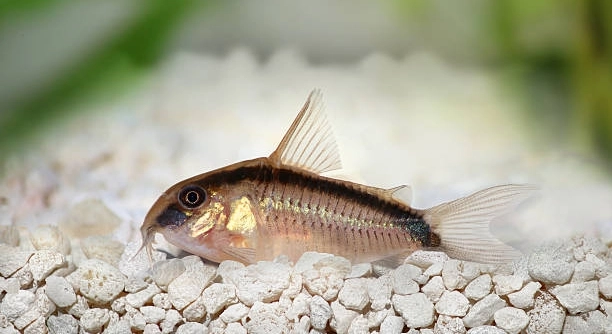
Is your Corydoras catfish not growing as quickly as the others in your tank, leaving you puzzled and a little concerned?
The most common reason your Corydoras catfish is growing slower than others is due to competition for food. When tankmates are more aggressive or faster eaters, slower fish may not get enough nutrition to support healthy growth.
Other influences like stress, genetics, tank size, and water conditions also play a role in your catfish’s development. Let’s explore how these factors affect growth and what you can do to support your Cory’s health.
Uneven Food Competition
In a shared tank, some Corydoras can end up with less food than others. This often happens when faster or more dominant fish eat most of the food before slower ones get a chance. Corydoras are bottom dwellers and may miss out if food floats or is eaten quickly by tankmates. Feeding habits also vary from fish to fish, which can affect how much each one grows. Over time, the lack of proper nutrition will slow down their growth rate. It’s important to make sure food reaches all areas of the tank so every fish gets a fair share.
Feed your Corydoras with sinking pellets and spread the food in different spots to reduce competition.
If you only drop food in one area, faster fish will get to it first. Spreading the food around helps smaller or slower Corydoras reach it without being pushed away. It also helps if you use food that sinks quickly. Corydoras feed off the bottom, and floating flakes don’t help much. Feeding at the same time every day can also encourage all fish to gather and get used to a routine. Observe your tank during feeding to make sure every fish is active and eating. If one looks left out, make changes.
Poor Water Conditions
Poor water quality can quietly affect growth in Corydoras catfish.
Corydoras need clean, stable water to grow well. If the water contains too much ammonia, nitrites, or even fluctuates in temperature or pH, it can slow their development. These fish are very sensitive to toxins and tend to react by becoming inactive or losing appetite. Without proper feeding and comfort, they won’t grow at the right pace. Dirty water can also weaken their immune system, making them more prone to illness. Regular tank maintenance, including water testing and cleaning, is essential. Using a filter that suits your tank size and doing weekly water changes helps a lot.
Test your water at least once a week to check for ammonia, nitrites, and nitrates. Keep ammonia and nitrites at 0 ppm, and nitrates below 20 ppm. A reliable heater ensures a stable temperature, usually around 72–78°F. Also, make sure your pH levels are between 6.0 and 7.8. Clean your substrate regularly, as leftover food and waste collect at the bottom. Corydoras spend most of their time there, so a dirty substrate exposes them to harmful bacteria. Good water quality supports their appetite, comfort, and overall health—allowing them to grow at a healthy pace.
Stress From Tank Mates
Corydoras can become stressed if they’re housed with aggressive or overly active fish. Stress makes them hide more often, eat less, and grow slower. Fast-swimming or nippy tank mates create constant pressure, which affects their behavior and overall health over time.
If your Corydoras spend most of their time hiding or show signs of skittish behavior, tank mates may be the issue. Fish that chase or outswim them during feeding times can keep them from getting enough food. Choose peaceful species that match the Corydoras’ calm nature. Good companions include tetras, rasboras, or other small bottom-dwelling fish. Rearranging tank decor can also help by breaking up territories and reducing tension. Always monitor new additions carefully during the first few days to see how they interact. If needed, separate the aggressive fish or consider a second tank for better balance.
In smaller tanks, stress builds faster because there’s less room to escape. A tank size of at least 20 gallons helps reduce unwanted interaction and gives everyone more personal space. Adding plants, caves, and driftwood gives Corydoras hiding spots where they can rest and feel safe. When they feel secure, they’re more likely to eat regularly and grow normally. Less stress also means better immunity, fewer injuries, and more natural activity throughout the day.
Genetic Factors
Some Corydoras naturally grow slower than others because of their genetics. Even with good food and care, individual growth rates vary. A fish that came from smaller-sized parents may end up growing less than tank mates. This isn’t something you can control, but it helps to be aware.
If one Corydoras is smaller but acts healthy, eats well, and shows no signs of stress or illness, it may simply be growing slower due to genetics. In this case, there’s no need to worry. Continue with regular care and monitor them for changes in behavior or appetite. Some Corydoras might hit a growth spurt later than others. However, if you notice weight loss or a lack of appetite, it could point to another issue. Genetics play a role, but they don’t usually cause sudden or severe size differences. A consistently small yet active Cory is probably just taking its time.
Poor Diet
If your Corydoras aren’t getting the right nutrients, growth will be slower. They need a balanced diet of high-quality pellets, live foods, and occasional treats to thrive. Without proper nutrition, they can become malnourished and fail to reach their full size.
Some common mistakes include feeding them only one type of food, like flakes, which may not be enough. Corydoras need sinking pellets to encourage natural foraging behavior, along with live or frozen foods like bloodworms, brine shrimp, or daphnia. Variety is key. Avoid overfeeding, as it can cause waste buildup and lead to water quality problems. A regular feeding schedule helps keep their metabolism steady, and always remove uneaten food.
Inadequate Tank Size
A tank that’s too small can stunt growth. Corydoras need enough room to swim and explore, which encourages better physical development. Tanks smaller than 20 gallons can restrict movement and hinder growth.
A larger tank reduces stress, allows for better water quality, and helps fish grow at their full potential. It also provides more hiding spots and room to establish territories. Corydoras like to swim in groups, so having a proper tank size also makes them feel safer, reducing stress. A spacious tank encourages natural behaviors and supports healthy development.
Water Temperature
If the water temperature is too cold or fluctuates too much, Corydoras will grow more slowly. They prefer stable, warm water, around 72–78°F (22–25°C). Cold water forces them to slow down, reducing feeding and metabolism.
Make sure your aquarium heater is reliable and maintains the water at a steady temperature. A thermometer will help you monitor it. If the temperature dips too low, your Corydoras may become lethargic and stop eating. A steady, warmer environment promotes better digestion and growth, making your catfish more active and healthy.
FAQ
Why is my Corydoras catfish not eating?
There are a few reasons why your Corydoras might stop eating. Stress is the most common cause, especially if the tank has aggressive or competitive tankmates. Poor water quality is another factor; if ammonia or nitrites are high, it can make the fish feel unsafe or unhealthy. Changes in temperature or a new environment can also affect their appetite. Ensure your tank is stable and clean, with appropriate tankmates. If your Corydoras are still not eating, check the water parameters and give them time to adjust to any changes. If the problem persists, it could be a health issue, and a visit to a vet is recommended.
Can I keep a single Corydoras in my tank?
While Corydoras are social fish and prefer to live in groups, they can survive alone in an aquarium, but they won’t thrive. Corydoras are happier and healthier when kept with others of their species. A single Corydoras may become stressed, leading to poor eating habits and slower growth. If you’re keeping just one, consider adding at least two or three more to create a more natural, comforting environment for them. Having company will encourage them to be more active and help reduce stress.
How many Corydoras can I keep in my tank?
Corydoras are relatively small and peaceful, so they can live comfortably in groups. The general rule is one Corydoras per 3–5 gallons of water. For example, a 20-gallon tank can comfortably house 4 to 6 Corydoras. However, it’s essential to consider the overall tank population. If you have other species in the tank, make sure there is enough space for everyone to avoid overcrowding, which can lead to stress and slow growth. More space allows your Corydoras to be active, forage, and swim freely.
Why do Corydoras swim upside down or on their backs?
If your Corydoras is swimming upside down or on its back, it may be a sign of a health issue. It could indicate a swim bladder problem, which affects buoyancy. This condition can be caused by overfeeding, poor water quality, or bacterial infections. First, check your water quality and ensure your fish isn’t overfed. If symptoms persist, you may need to isolate the fish and consult an aquarium specialist or vet for treatment. Corydoras are generally bottom dwellers, so any abnormal swimming patterns should be taken seriously.
Can Corydoras live with shrimp?
Yes, Corydoras can generally live peacefully with shrimp. Both species are bottom dwellers and don’t usually compete for the same resources. However, some larger Corydoras might eat baby shrimp if they can catch them. If you want to keep shrimp with Corydoras, it’s best to choose smaller species of shrimp, like Cherry or Amano shrimp, and ensure there are plenty of hiding places in the tank for the shrimp to avoid being eaten.
What is the best substrate for Corydoras?
Corydoras are sensitive to rough substrates, so it’s best to use a soft, sandy substrate. Sharp gravel or large rocks can injure their barbels, which are essential for them to explore the bottom for food. Fine sand allows them to dig and sift through it comfortably without harm. If you prefer a gravel substrate, ensure it has rounded edges and is small enough that it won’t cause injury. A clean and soft substrate keeps your Corydoras’ barbels healthy, which is crucial for their feeding habits.
Why is my Corydoras catfish swimming erratically?
Erratic swimming can indicate stress, illness, or poor water conditions. Corydoras should swim calmly along the tank bottom, so if they are darting around or swimming in circles, it’s a sign something is wrong. Check the water temperature, pH, and ammonia levels. Stress caused by aggressive tankmates or sudden changes in the environment can also cause erratic behavior. If water quality is stable and tankmates are peaceful, consider if your Corydoras is showing signs of illness, such as parasites or infections. In such cases, treatment is necessary.
How do I know if my Corydoras is stressed?
Corydoras show clear signs of stress when their environment isn’t right. These signs include hiding more than usual, not eating, and becoming more sluggish or inactive. Stress can also cause them to become easily startled or to swim erratically. In some cases, you may notice faded color or torn fins. To reduce stress, ensure water quality is high, tankmates are peaceful, and there are plenty of hiding spots. Stress is often a result of poor water quality or aggressive tankmates, so resolving these issues should help.
What temperature do Corydoras prefer?
Corydoras thrive in stable, warm water temperatures between 72°F and 78°F (22°C to 25°C). Temperatures outside of this range can cause stress and slow growth. Keeping the temperature consistent is important, as fluctuations can weaken their immune system and reduce appetite. A reliable heater helps maintain the proper temperature, especially in colder climates or seasons. Always monitor the water temperature to avoid any sudden changes that might affect your Corydoras’ health.
How often should I feed my Corydoras?
Corydoras should be fed once or twice a day, depending on their size and age. Be sure to only provide the amount of food they can consume in about 2-3 minutes. Overfeeding can lead to water quality issues and obesity. It’s also important to feed a variety of foods, including sinking pellets, frozen or live foods like bloodworms or brine shrimp, and occasional treats. A balanced diet will help your Corydoras grow and thrive.
Corydoras catfish are generally hardy and low-maintenance fish, but their growth rate can be affected by several factors. Whether you’re a new aquarium keeper or have been caring for fish for a while, understanding the reasons behind slower growth can help you address potential issues and provide a better environment for your Corydoras. It’s essential to ensure your fish are getting enough food, the right water conditions, and a stress-free environment to thrive. Keeping your tank clean, providing suitable tankmates, and monitoring their health will go a long way in encouraging healthy growth.
Remember that Corydoras are social creatures and do best in groups, so make sure to keep at least three or more in your tank. A small, solitary Corydoras may feel stressed, which could affect its appetite and growth. Adding a few more of these bottom-dwelling fish will help them feel more secure and encourage natural behavior. Tank size is another important factor; overcrowding can lead to competition for food and lower water quality, both of which can slow down growth. A larger tank provides more space for your Corydoras to swim freely and reduces stress, helping them grow at a healthy pace.
Lastly, it’s important to regularly test your water parameters and make adjustments as needed. Poor water quality is one of the main reasons for stunted growth in Corydoras, as these fish are sensitive to high levels of ammonia, nitrites, or fluctuating temperatures. Keeping the tank clean and maintaining proper water conditions will help your Corydoras live a long and healthy life. By making these simple changes and observations, you can ensure that your Corydoras catfish will grow at a steady and healthy rate.

Hello,
If you enjoy the content that we create, please consider saying a "Thank You!" by leaving a tip.
Every little bit helps us continue crafting quality advice that supports the health, happiness, and well-being of pets around the world, for pets of all shapes, sizes, and species.
We really appreciate the kindness and support that you show us!