
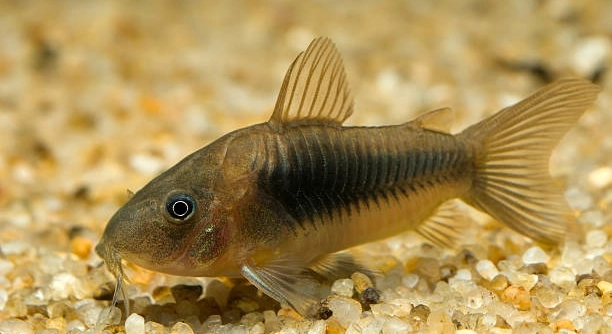
Corydoras catfish are fascinating creatures known for their unique behavior in the aquarium. You may often notice them sifting through the substrate, seemingly busy with their little task. But what’s really going on?
The primary reason your Corydoras catfish sifts through substrate is to search for food. Their barbels help them detect small particles, which they then consume. This behavior also contributes to keeping the substrate clean and healthy.
Understanding this behavior is key to maintaining a thriving aquarium. Knowing why your Corydoras do this can improve your aquarium setup and the overall well-being of your fish.
Why Do Corydoras Catfish Sift Through Substrate?
Corydoras catfish are bottom dwellers and naturally equipped to sift through substrate. Their barbels, located on each side of their face, are like tiny feelers that help them search for food. These barbels are sensitive, allowing them to detect small particles, such as leftover food, that may have fallen to the bottom of the tank. This behavior is an essential part of their feeding routine. They don’t rely solely on their eyes to find food. Instead, they use their barbels to scan the substrate, keeping them busy and engaged in the tank.
Sifting through the substrate can help your Corydoras maintain a healthy diet. They primarily eat small invertebrates, algae, and detritus that they find within the tank’s gravel or sand. As they sift, they also aerate the substrate, which promotes better water circulation and prevents it from becoming compacted.
This action also plays a crucial role in the health of your aquarium. By constantly moving the substrate, they help prevent the buildup of waste and detritus that could harm water quality. Their sifting habit ensures that leftover food doesn’t rot at the bottom of the tank, which helps maintain a cleaner, more stable environment for all your fish.
Benefits of Sifting Substrate
The act of sifting through substrate has several benefits, not only for your Corydoras but also for the entire aquarium setup. By constantly stirring up the gravel or sand, they help prevent the accumulation of harmful waste. This helps to maintain better water quality.
One of the most noticeable benefits is that Corydoras catfish assist in aerating the substrate. When they sift through the bottom, they create tiny pockets of air, preventing the substrate from becoming compacted. This aeration is important because compacted substrate can lead to anaerobic conditions, where harmful bacteria thrive. These bacteria can produce dangerous toxins, affecting the health of your fish. Additionally, by moving the substrate around, your Corydoras help reduce areas where waste could accumulate, improving the overall cleanliness of the tank. This keeps water quality in check, benefiting both the fish and the plants in the tank.
How to Create an Ideal Substrate for Your Corydoras
Providing the right substrate for your Corydoras catfish is essential to ensure they can engage in their natural sifting behavior. Choose a fine, smooth sand or small gravel. Avoid sharp-edged substrates, as they can injure your fish’s barbels. The right substrate encourages your Corydoras to perform their natural activities, including sifting through the tank floor in search of food.
A sandy substrate is often considered the best choice. Sand grains are softer on their sensitive barbels, allowing them to move freely without causing harm. Small, round gravel can also work but may not offer the same ease for sifting. Additionally, make sure the substrate is deep enough to allow your fish to engage in their natural behavior. A depth of 2 to 3 inches should suffice. With the right substrate, your Corydoras can thrive and engage in their cleaning habits. This will lead to a happier, healthier aquarium overall.
Keeping Your Tank Clean
Sifting through the substrate helps Corydoras catfish keep your tank cleaner. As they move through the gravel or sand, they stir up waste and uneaten food. This prevents debris from sitting at the bottom and affecting water quality.
By regularly stirring the substrate, they also reduce the chances of harmful buildup. This helps minimize the growth of toxic substances like hydrogen sulfide that can harm your fish. Corydoras essentially act as natural cleaners, helping to break down organic material. The substrate’s aeration also prevents compacting, which can trap waste and make cleaning more difficult. Their sifting behavior encourages a healthier and more balanced environment in your aquarium.
A cleaner tank leads to clearer water, which helps both plants and fish. You won’t need to do as many water changes, since the filtration system works more efficiently. By maintaining proper water quality, your Corydoras will thrive, and so will any other tank inhabitants.
The Impact on Water Parameters
Corydoras catfish indirectly help stabilize water parameters by keeping the substrate clean. Without excess waste, harmful spikes in ammonia, nitrite, and nitrate levels are less likely to occur. These spikes are often the result of rotting food or detritus collecting at the tank’s bottom.
The catfish’s behavior contributes to more stable water conditions by ensuring that waste doesn’t sit for too long. Waste that accumulates without being stirred can turn toxic, affecting both fish and plants. Through their natural sifting, Corydoras help keep organic matter in check. This reduces the risk of unpleasant surprises like algae blooms or stressed fish. Overall, their sifting action supports a balanced ecosystem and reduces the need for heavy water treatments.
Improving Tank Aesthetics
Corydoras catfish can help maintain the visual appeal of your tank. As they sift through the substrate, they prevent excess debris from settling. This keeps the tank looking cleaner and more polished, reducing the buildup of dirt and leftover food.
Their constant movement brings a natural, lively feel to the aquarium. By aerating the substrate, they create a more dynamic environment that doesn’t look stagnant. Their activity keeps the bottom of your tank from appearing messy and enhances the overall appearance. A cleaner substrate means the focus can remain on the plants and other decorations in the tank.
Supporting Plant Health
The sifting behavior of Corydoras contributes to plant health by preventing debris from blocking light. Uneaten food or waste can cloud the water or smother plants. Corydoras help avoid this by constantly stirring up the substrate, which keeps the water clearer and allows plants to thrive.
By moving the substrate around, they also prevent it from becoming compacted. Healthy, loose substrate provides better access to nutrients for plant roots, helping your aquatic plants grow strong. Their natural cleaning habits create an ideal environment for plants to flourish, supporting a vibrant and healthy tank.
Enhancing Social Behavior
Corydoras catfish are social creatures, and their sifting behavior is often linked to their need for interaction with other fish. While they search for food and sift through the substrate, they are also engaging with their tankmates. This behavior promotes a sense of community.
These fish are known to feel more secure when they have companions. By engaging in their cleaning habits together, they develop bonds with one another, leading to a more relaxed and active group. Keeping multiple Corydoras in your tank encourages more natural behaviors and contributes to a harmonious aquarium atmosphere.
FAQ
Why do Corydoras catfish sift through the substrate?
Corydoras sift through the substrate to search for food, such as small invertebrates, algae, and detritus. Their barbels are highly sensitive and allow them to detect particles in the gravel or sand. This behavior helps them find nourishment and also keeps the substrate clean by preventing waste buildup. Additionally, sifting aerates the substrate, which improves the tank’s water quality.
Is it necessary to provide a substrate for Corydoras catfish?
Yes, providing a suitable substrate is essential for Corydoras catfish. Their natural behavior involves sifting through the substrate for food, so it’s important to offer them a material they can easily move through. Fine sand or smooth gravel is the best choice, as sharp-edged substrates can harm their sensitive barbels. A proper substrate helps them engage in natural behaviors and maintain a clean tank environment.
Can Corydoras catfish sift through any type of substrate?
Corydoras catfish can sift through most substrates, but some materials are better suited for their needs. They prefer fine sand because it’s easy on their barbels and allows them to move freely. Small, rounded gravel can also work, but it may not be as ideal as sand. Avoid sharp-edged gravel, as it can cause injury to their barbels and hinder their natural behavior.
Do Corydoras catfish need a deep substrate to sift through?
A depth of 2 to 3 inches is typically sufficient for Corydoras to engage in their sifting behavior. Too shallow a substrate may limit their ability to search for food and disrupt their natural activities. A deeper substrate allows them to burrow and sift more effectively, promoting both their health and the cleanliness of the tank.
How often should I change the substrate for my Corydoras?
Substrate changes are generally not necessary unless you notice issues with water quality, such as a buildup of waste or compacted substrate. Regular maintenance, such as stirring the substrate lightly during water changes, can help prevent problems. However, if the substrate becomes overly dirty or compacted, replacing it every 1-2 years is a good idea to ensure the health of your Corydoras and the overall tank.
Do Corydoras catfish eat algae or plants?
Corydoras catfish do not primarily eat plants, but they may nibble on soft algae. They are bottom feeders and focus more on detritus, small invertebrates, and leftover food. While they won’t harm healthy plants, some species may occasionally graze on algae or decaying plant matter. However, they are not considered significant contributors to algae control in the tank.
Can I keep Corydoras catfish with other fish?
Yes, Corydoras catfish are peaceful and do well with other community fish. They are social creatures, so it’s best to keep them in groups of at least 3 to 5 individuals. They typically do not pose a threat to other fish but may be shy or stressed if kept alone. Corydoras do well with species that share similar water conditions, such as tetras, guppies, and small livebearers.
How can I ensure my Corydoras catfish are healthy?
To keep Corydoras catfish healthy, ensure they have a clean tank with appropriate water conditions. They prefer slightly acidic to neutral water with a temperature range of 72°F to 78°F (22°C to 25°C). Make sure they have plenty of hiding spots and a suitable substrate to sift through. Regular water changes, a varied diet, and maintaining stable water parameters are essential to their well-being.
Do Corydoras catfish need a filter?
Yes, Corydoras catfish benefit from a good filtration system. While they help keep the substrate clean, they still rely on a filter to maintain overall water quality. A gentle filter is ideal because Corydoras prefer calm waters. Strong currents can stress them out, so it’s best to choose a filter with adjustable flow or use one that creates minimal current.
Why do Corydoras catfish swim to the surface?
Corydoras catfish are bottom-dwellers, but they may swim to the surface for air. This behavior is common in species like Corydoras, which possess a modified swim bladder that allows them to gulp air from the surface. It’s a normal behavior and not a sign of distress, but if you notice your fish doing this excessively, it could be an indication of low oxygen levels in the tank. Make sure the water is well-aerated and that filtration is adequate.
Can I feed Corydoras catfish special food?
Yes, you can feed Corydoras catfish a variety of foods, including sinking pellets, frozen or live foods like bloodworms, and blanched vegetables. A varied diet will help them stay healthy and active. Make sure to provide sinking food that reaches the bottom of the tank, as Corydoras tend to forage for food there. Avoid overfeeding, as uneaten food can contribute to water quality issues.
Are Corydoras catfish sensitive to water conditions?
Corydoras catfish are relatively hardy but do require stable water conditions. They prefer slightly acidic to neutral pH levels and temperatures between 72°F and 78°F (22°C to 25°C). Ammonia and nitrite should be kept at 0 ppm, with nitrate levels under 40 ppm. Sudden changes in water parameters can stress them, so maintaining consistent water quality is key to keeping them healthy.
Do Corydoras catfish need a specific type of tank light?
Corydoras catfish do not require specialized lighting, but it’s important to provide a lighting setup that suits your tank’s overall ecosystem. They do better in tanks with low to moderate light, as they are bottom-dwellers and prefer dimmer conditions. Make sure to balance lighting with the needs of any live plants in your tank to ensure a healthy environment for all inhabitants.
Final Thoughts
Corydoras catfish are fascinating creatures with unique behaviors that benefit both the tank and its ecosystem. Their constant sifting through the substrate may seem like a simple task, but it plays an important role in maintaining water quality and a cleaner environment. By searching for food and aerating the substrate, they help prevent harmful waste buildup, ensuring the health of all the fish and plants in the aquarium. This makes them more than just a decorative species; they are natural cleaners that contribute to the overall balance of the tank.
Providing the right environment for your Corydoras catfish is essential to support their natural behaviors. A fine, smooth sand or small gravel substrate is ideal, as it allows them to sift through the tank without damaging their sensitive barbels. It’s also important to maintain stable water conditions, as Corydoras prefer slightly acidic to neutral water with a moderate temperature range. Regular water changes and keeping the tank clean will allow them to thrive and continue their natural cleaning activities. Offering a varied diet that includes sinking pellets and occasional live foods will help keep your Corydoras healthy and active.
In conclusion, Corydoras catfish are more than just bottom feeders. They help aerate the substrate, maintain a cleaner tank, and keep your aquarium ecosystem in balance. These fish are a great addition to any community tank, especially when provided with the proper setup and care. Their natural behavior not only benefits their own health but also contributes to the overall well-being of the entire aquarium. By understanding and supporting their needs, you can enjoy the many benefits of having Corydoras catfish in your tank.

Hello,
If you enjoy the content that we create, please consider saying a "Thank You!" by leaving a tip.
Every little bit helps us continue crafting quality advice that supports the health, happiness, and well-being of pets around the world, for pets of all shapes, sizes, and species.
We really appreciate the kindness and support that you show us!