
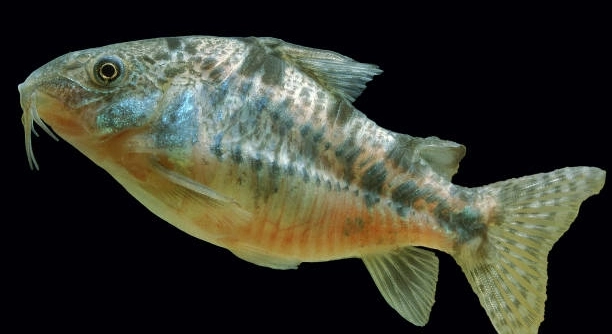
Corydoras catfish are often a peaceful addition to your aquarium, but sometimes they chase each other around. This behavior can be surprising for owners who expect them to be calm and gentle.
Corydoras catfish chase each other primarily due to social interactions, territorial behavior, or breeding activities. Stress, overpopulation, or environmental changes can also trigger this action, as they attempt to establish dominance or ensure access to resources.
Understanding these causes will help you identify the root of the chasing behavior. This knowledge will also guide you in creating a more peaceful environment for your catfish.
Social Behavior Among Corydoras Catfish
Corydoras catfish are social creatures, often seen swimming in groups. Chasing each other can be a form of communication or play. They enjoy interacting with each other, and these playful chases can be harmless, especially if there’s no aggression involved. However, if the fish are stressed or feeling crowded, the behavior can become more intense. They may chase each other to establish their place in the group or to seek attention from the other fish. When they feel comfortable, they will usually stop chasing each other and settle into a calm group.
Even though chasing seems playful, it’s important to understand that too much chasing can be a sign of distress. If your catfish are chasing each other constantly, it might indicate that something in the environment isn’t quite right. Keeping the group in balance and making sure they have enough space can help prevent unnecessary stress.
If you’re noticing more chasing than usual, consider whether the tank has enough hiding spots and whether there’s too many fish for the size of the tank.
Territorial Behavior in Corydoras
Corydoras are not typically territorial, but they may act defensively when it comes to resources like food or shelter. In an aquarium setting, some individuals might chase each other to claim space or food. This is a natural response, especially when food is limited or the catfish are competing for the same resources.
Chasing can be intensified when there are not enough places for them to hide or if the aquarium lacks sufficient structure. If one catfish feels like its territory is being invaded, it may chase the other away. This behavior can be reduced by creating a well-planted tank with plenty of hiding spots and hiding places. Having multiple feeding areas can also help to ease competition.
In general, providing a peaceful and spacious environment will minimize territorial disputes. When the environment is optimal, Corydoras can live harmoniously and avoid unnecessary stress.
Breeding Behavior in Corydoras Catfish
Breeding is one of the main reasons Corydoras catfish chase each other. When they are ready to spawn, males often chase females to encourage mating. This behavior is natural and usually harmless, as the males are simply trying to attract the females.
During breeding, you may notice males becoming more persistent, chasing the females around the tank. The males will often nudge the females to stimulate spawning. Once the female is ready, she will release eggs, and the male will fertilize them. This chasing usually slows down once the eggs are laid.
Providing a breeding-friendly environment with clean water, soft substrate, and the right temperature can help support successful spawning. If you want to encourage breeding, ensuring a well-maintained tank and proper care for both males and females is essential.
Stress in Corydoras Catfish
Stress is a common cause of chasing among Corydoras catfish. If the water conditions are poor, or if the tank is overcrowded, the fish can become stressed and start chasing each other. This behavior is often a sign that the fish are feeling uncomfortable.
Water quality plays a big role in keeping your catfish happy. If the pH, temperature, or ammonia levels are off, the fish may start to act out. Corydoras need stable, clean water to thrive, and stress can cause them to chase each other more often. Overcrowding can also lead to stress, as there is not enough space for each fish to feel safe.
You can reduce stress by maintaining proper water conditions, keeping the tank size appropriate, and ensuring there is enough space for all the fish. When Corydoras feel safe and comfortable, the chasing behavior will naturally decrease.
Overcrowding in the Tank
Overcrowding can lead to Corydoras catfish chasing each other. When too many fish are in one tank, they compete for space, food, and territory. This can increase stress and cause the fish to act aggressively toward each other.
When there are too many fish, the limited space and resources often make the catfish feel cramped and anxious. They might start chasing each other as a way to establish dominance or simply because they feel crowded. Keeping the number of fish in check is important to ensure they have enough space to live peacefully.
Poor Water Quality
Poor water quality is another factor that can make Corydoras catfish chase each other. When the water becomes too dirty, it can lead to discomfort and stress. Ammonia buildup, high nitrate levels, and inconsistent pH can cause agitation in the fish, resulting in chasing behavior.
Regular water changes and proper filtration are key to maintaining good water quality. Keeping the tank clean and monitoring water parameters will prevent your catfish from becoming stressed and starting to chase each other. A stable environment helps keep your fish calm and happy.
Temperature Fluctuations
Temperature changes in the aquarium can also cause Corydoras to chase each other. If the water temperature fluctuates too much, the fish may become disoriented or stressed. This stress can trigger chasing, as the fish may try to find comfort in a specific area of the tank.
Ensuring the tank maintains a steady temperature is important. Use a reliable heater and thermometer to prevent sudden temperature shifts. Corydoras prefer a stable, warm environment, and keeping their temperature consistent will reduce the likelihood of chasing.
FAQ
Why do Corydoras chase each other?
Corydoras chase each other for a variety of reasons, with social interaction, territorial behavior, and breeding being the most common. They might be simply playing or establishing a hierarchy within the group. Sometimes, this chasing is a part of their mating behavior, with males chasing females to encourage spawning. However, chasing can also indicate stress, overcrowding, or poor water conditions.
Is chasing a sign of aggression?
Most of the time, chasing among Corydoras catfish is not a sign of aggression. Corydoras are generally peaceful fish, and chasing is often part of their social behavior. However, if the chasing seems more intense, with fin nipping or one fish being relentlessly pursued, it could indicate stress or territorial disputes. It’s important to observe the behavior and ensure the tank is properly maintained.
How can I stop my Corydoras from chasing each other?
To stop excessive chasing, first make sure that the tank is appropriately sized for the number of Corydoras you have. Overcrowding is one of the most common causes of chasing, so providing adequate space is crucial. Ensure your water conditions are stable and that the tank has enough hiding spots for the fish to retreat to if needed. Additionally, maintaining a peaceful environment with proper filtration and regular water changes will help reduce stress.
Do Corydoras need to be in groups?
Yes, Corydoras are social fish that thrive in groups. It’s best to keep them in groups of at least five to six, as this allows them to interact and reduces stress. When kept alone or in very small groups, Corydoras can become shy, stressed, and more likely to chase each other due to their need for social interaction.
Can Corydoras chase other fish in the tank?
While Corydoras are usually peaceful, they may chase other species in the tank if they feel threatened or are competing for food. However, this is not typical behavior. It is more common for them to chase each other, especially if the tank conditions are poor or there are not enough resources. To prevent this, ensure the tank is large enough and has appropriate species that are compatible with Corydoras.
Are Corydoras always chasing each other?
No, Corydoras do not always chase each other. When conditions are ideal, they are calm and peaceful. The chasing behavior tends to happen during mating season, when they are feeling competitive, or when they are stressed due to environmental factors like overcrowding or poor water quality. If the chasing is continuous, it’s a sign that something in the environment may need to be adjusted.
Is chasing a sign of breeding in Corydoras?
Yes, chasing can often be a sign of breeding behavior. During the mating process, males chase females to encourage them to spawn. This behavior is natural and typically harmless. The chasing will usually subside once the female has laid her eggs, and the male has fertilized them. If you notice chasing during breeding, it’s an indication that your Corydoras are ready to reproduce.
What water temperature is best for Corydoras?
Corydoras catfish prefer a water temperature between 72°F and 78°F (22°C to 26°C). Keeping the water within this range helps maintain their health and reduces stress. If the temperature fluctuates too much or falls outside this range, it can cause agitation and may increase chasing behavior. A stable, warm environment is key to keeping your Corydoras calm.
Can overfeeding cause Corydoras to chase each other?
Yes, overfeeding can lead to chasing among Corydoras. When there is an excess of food in the tank, fish may start to compete for resources. This can cause stress and, in turn, lead to chasing behavior. It’s important to feed your Corydoras only the amount of food they can consume in a few minutes, ensuring that there’s no leftover food that can cause disputes.
How do I know if my Corydoras are stressed?
Signs of stress in Corydoras include erratic swimming, excessive chasing, hiding more than usual, and reduced appetite. If you notice that your Corydoras are acting differently, it could indicate that they are stressed due to poor water quality, overcrowding, or incompatible tankmates. Monitoring their behavior closely and addressing any potential issues will help ease their stress.
Final Thoughts
Corydoras catfish are generally peaceful and social creatures, but chasing each other can still occur. This behavior is usually linked to factors like social interaction, breeding, or stress. Understanding the reasons behind the chasing can help you manage your aquarium better. If you notice chasing, it’s essential to first evaluate the environment your fish are living in. Poor water quality, overcrowding, and even temperature fluctuations can make your Corydoras more prone to chasing. By maintaining a stable and comfortable environment, you can reduce stress and keep your catfish happy.
When it comes to breeding, chasing is a normal part of the process. Male Corydoras often chase females to encourage spawning. This is a natural behavior and usually doesn’t indicate any problems. However, if chasing becomes aggressive or constant, it may be a sign that the fish are stressed or not feeling comfortable in their surroundings. In these cases, it’s important to check if there are enough hiding spots, if the tank is overcrowded, or if water parameters are off. Addressing these factors will help create a more peaceful environment for your fish.
Ultimately, keeping Corydoras healthy and content means providing them with the right tank conditions. This includes maintaining clean, well-filtered water, ensuring the tank isn’t overcrowded, and making sure the temperature is stable. Corydoras thrive in groups and feel safer when they are not alone. With a little attention to their needs, you can reduce unwanted chasing and create a more harmonious aquarium for your Corydoras catfish.

Hello,
If you enjoy the content that we create, please consider saying a "Thank You!" by leaving a tip.
Every little bit helps us continue crafting quality advice that supports the health, happiness, and well-being of pets around the world, for pets of all shapes, sizes, and species.
We really appreciate the kindness and support that you show us!