
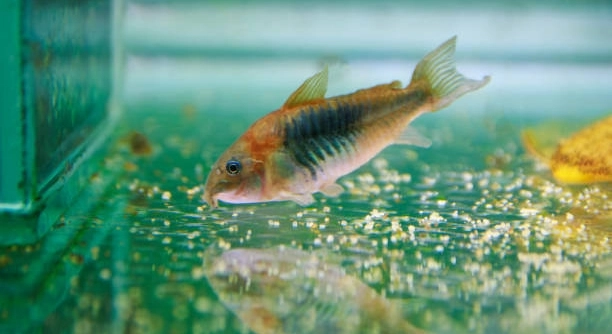
If you’re keeping Corydoras catfish in your aquarium, you may wonder how to tell when they need a larger school. These social creatures thrive in groups, and observing their behavior can help determine their needs.
Corydoras catfish typically need to be kept in schools of at least six to eight individuals. If they show signs of stress, such as hiding more often, this could indicate the need for a larger group to feel secure and social.
Recognizing these signs will help ensure your fish are happy and healthy. By observing their behavior closely, you can create a thriving environment for your Corydoras.
Recognizing Signs of Stress in Corydoras Catfish
Corydoras catfish are active and social fish, but they can become stressed when their environment doesn’t meet their needs. Stress in these fish is often a result of being kept in too small a group. When you notice that your catfish are hiding more than usual or staying still for long periods, it could be an indication that they feel unsafe. The more they are kept alone or in small groups, the more likely they are to exhibit these behaviors. Corydoras should have enough companions to feel comfortable, as they rely on the presence of others to reduce anxiety.
Sometimes, it’s easy to miss signs of stress in your Corydoras because they are naturally shy. However, noticing changes in their behavior will help you spot when they need a bigger group.
When Corydoras are in the right-sized school, they become more active and engage in behaviors like swimming together or exploring their environment. This social interaction is vital for their overall well-being. If you observe them becoming more withdrawn, the solution might be as simple as adding a few more members to the group.
Why the Right Number of Fish Matters
Corydoras catfish, by nature, feel safer in larger groups. Keeping them in smaller schools can cause them to feel vulnerable, which often leads to signs of distress.
They also need adequate space in the tank to move around freely, which contributes to their overall health. Overcrowding can be harmful too, so balancing the school size is essential. More fish often means a better sense of security. Adding more can also encourage more natural behaviors like foraging together and exploring their surroundings. As the group grows, you may notice them becoming less shy, swimming in synchronized movements, and interacting more with each other.
The size of the group can also impact how your catfish feed. In small schools, more dominant individuals may take control of feeding times, leaving others hungry. In larger groups, the distribution of food becomes more balanced. Healthy eating habits are crucial for their growth and well-being. Additionally, a larger school will allow them to share spaces and rest more comfortably, without competing for the same hiding spots.
Changes in Swimming Patterns
When Corydoras feel uncomfortable due to a small group size, their swimming behavior changes. Instead of darting around happily, they may swim slowly or hang near the tank’s bottom. If you see your catfish acting this way, it’s a good sign they need more company. They may not explore the tank as much or interact with other fish.
These changes in behavior are often seen when the fish feel isolated or stressed. A larger school helps them feel secure enough to resume their natural swimming patterns. When Corydoras are in the right group size, they are more likely to explore, swim together, and interact with their surroundings. The larger the group, the more social they become, displaying more active behaviors. Without enough companions, they will spend less time swimming around, leading to a more sedentary lifestyle.
If you notice that your Corydoras seem less active or stop swimming around the tank, it could be time to add a few more to their school. This simple adjustment can make a noticeable difference in their behavior, helping them feel more comfortable and secure in their environment.
Aggressive Behavior in Small Groups
When kept in too small of a group, Corydoras may become territorial. This leads to aggression, especially during feeding times. In these situations, the more dominant fish may push others away, causing stress and disruption in the group dynamic.
Aggression is usually seen in smaller schools, as the limited number of fish increases competition for food and space. Adding a few more members to the school helps balance the dynamic, giving everyone a better chance to access food and share space. This reduces aggression and fosters a more peaceful environment for all of your catfish.
Corydoras are peaceful by nature, but even the friendliest fish will show aggression when they feel threatened or crowded. Keeping a healthy number of them in the tank is key to preventing this issue. As your school grows, your fish will feel more secure, and the aggressive behavior will likely subside.
Hiding More Often
If your Corydoras start hiding more than usual, it’s a clear sign they might need more companions. These fish naturally prefer the safety of numbers, and when they feel exposed, they tend to seek out hiding spots.
Hiding isn’t always a bad thing, but excessive hiding can signal stress. Corydoras are more confident and less anxious when kept in larger groups. In smaller schools, they may not feel secure enough to venture out. Adding more fish gives them the confidence to swim and explore their tank, reducing the need to hide.
A school of Corydoras allows them to interact and feel less threatened by the environment around them.
Socializing and Foraging
Corydoras catfish are social creatures that thrive on interaction with others. When kept in the right-sized school, they engage in social behaviors such as foraging and swimming in groups. These interactions help to reduce stress and improve their overall well-being.
In a small group, these fish may not interact as much, leaving them feeling lonely or anxious. In a larger school, however, Corydoras work together to search for food, often sharing the space more peacefully. Watching them forage and explore is a clear sign they are happy and comfortable in their environment.
These social behaviors not only make them more active but also improve their health.
Tank Space and Stress
Tank space plays a significant role in Corydoras’ comfort levels. When they are in a small group, they tend to cluster together, creating stress in confined areas. Having more fish gives them room to spread out and reduces overcrowding.
Too few Corydoras can lead to an imbalance in tank dynamics, making it harder for each fish to find a comfortable space. Adding a few more helps to spread them out, making the tank feel more open and less stressful. The balance of space and numbers contributes to a peaceful, stress-free environment for your fish.
FAQ
How many Corydoras should I keep together?
Corydoras catfish thrive in groups, so it’s recommended to keep at least six to eight of them together. This helps them feel secure and reduces stress. They are social creatures and need the company of others to be comfortable. Keeping too few can lead to anxiety and unwanted behaviors like hiding or aggression.
What happens if I keep only one Corydoras?
Keeping a single Corydoras can cause it to feel stressed and lonely. These fish naturally prefer the company of others. When isolated, they may become less active, more skittish, or even stop eating. For their well-being, always keep them in groups.
Can Corydoras live with other fish?
Yes, Corydoras are peaceful and can live with many other types of fish, provided the tank mates are not aggressive. They do well in community tanks with species like tetras, guppies, and other small, non-aggressive fish. Always ensure the other fish are not too large or predatory, as this can cause stress for your Corydoras.
Do Corydoras need a specific tank size?
While Corydoras are small fish, they still require enough space to swim comfortably. A tank of at least 20 gallons is ideal for a small school. Providing more space helps reduce overcrowding and stress, which can occur in smaller tanks. If you plan to add more fish, consider a larger tank.
What water conditions are best for Corydoras?
Corydoras thrive in slightly acidic to neutral water with a pH between 6.5 and 7.5. They prefer water temperatures between 72°F and 78°F (22°C – 26°C). Regular water changes are essential to maintain water quality, as Corydoras are sensitive to poor water conditions.
Do Corydoras need a sandy substrate?
Yes, Corydoras prefer a fine sandy substrate, as they are bottom dwellers and like to sift through the sand with their barbels. Gravel can irritate their barbels and cause injury over time. Sand also helps them feel more comfortable and allows them to search for food naturally.
How often should I feed Corydoras?
Corydoras are bottom feeders, so they usually look for food on the substrate. Feed them once or twice a day, ensuring they have enough time to find and eat all the food. Overfeeding can lead to poor water quality, so only provide the amount they can consume in a few minutes.
Can Corydoras eat algae wafers?
Yes, Corydoras can eat algae wafers, and they enjoy foraging for them. While they are not algae eaters by nature, they will consume algae wafers as part of a balanced diet. It’s important to offer a variety of foods, such as sinking pellets and frozen or live foods, to meet their nutritional needs.
Why are my Corydoras swimming at the top of the tank?
If your Corydoras are swimming at the top of the tank, it may be a sign of oxygen deprivation. Corydoras have a specialized structure called a labyrinth organ, which allows them to breathe air, but if the oxygen levels are too low in the tank, they may surface more frequently. Consider improving aeration or increasing surface agitation to ensure they have enough oxygen.
How do I know if my Corydoras are breeding?
Breeding Corydoras can be a rewarding experience. You may notice them becoming more active and performing a courtship display. The female will usually lay eggs on surfaces like plants, rocks, or tank glass. The males will then fertilize the eggs. Once the eggs hatch, the fry can be fed small, fine foods like infusoria or crushed flakes.
Are Corydoras prone to any diseases?
Corydoras are generally hardy fish, but they can still fall victim to diseases such as ich (white spot disease), fungal infections, or swim bladder issues. To prevent illness, maintain good water quality, avoid overcrowding, and quarantine new fish before introducing them to your tank. Regularly monitor their behavior and appearance for signs of illness.
What should I do if my Corydoras are stressed?
If your Corydoras show signs of stress, such as hiding, lethargy, or poor appetite, the first step is to check the water quality. Poor water conditions are a common cause of stress in fish. Ensure that the tank is properly cycled, the pH is stable, and the temperature is within the appropriate range. Adding more fish can also help if the group size is too small.
Can I mix different species of Corydoras in the same tank?
Yes, different species of Corydoras can be kept together in the same tank. They generally get along well with each other, and having a variety of species can be an interesting addition to your aquarium. Just make sure the tank is large enough to accommodate the extra fish and provide hiding spots for everyone.
How long do Corydoras live?
Corydoras typically live between 5 to 10 years in a well-maintained aquarium. Proper care, including appropriate tank size, water conditions, and a balanced diet, can help extend their lifespan. Providing a stress-free environment with plenty of space and companions is key to their long-term health.
Why are my Corydoras not eating?
If your Corydoras are not eating, check the water quality and temperature, as poor conditions can cause them to stop feeding. Additionally, ensure the food is appropriate for them, such as sinking pellets or frozen foods. Stress, illness, or bullying from other tank mates could also cause a lack of appetite.
Final Thoughts
Corydoras catfish are peaceful, social fish that thrive in groups. They are best kept in schools of at least six to eight individuals, as this helps them feel secure and comfortable. These bottom dwellers benefit from the company of others, reducing stress and encouraging natural behaviors like foraging and exploring. When housed in groups, Corydoras display less anxiety and are more active, swimming freely throughout the tank. Keeping them in larger schools mimics their natural habitat, where they are rarely seen alone.
It is important to provide an environment that supports their needs, such as a tank with fine sand, good water quality, and stable conditions. These fish thrive in tanks with clean, well-filtered water and a temperature range between 72°F and 78°F (22°C – 26°C). Regular water changes, along with proper filtration, are key to maintaining a healthy environment for Corydoras. The right tank size is also essential. A tank of at least 20 gallons is ideal for a small school, with larger tanks being better suited for more fish. This ensures there is enough space for them to move around and reduces overcrowding, which can cause stress.
By paying attention to their social needs, water quality, and tank environment, Corydoras can live a long, happy life in your aquarium. Their gentle nature makes them a great choice for community tanks with other non-aggressive species. These fish may not be the most active swimmers, but they add character to your tank and are a joy to observe as they sift through the substrate and interact with each other. Keeping a well-balanced school of Corydoras is one of the simplest ways to enhance the health and happiness of these charming fish.

Hello,
If you enjoy the content that we create, please consider saying a "Thank You!" by leaving a tip.
Every little bit helps us continue crafting quality advice that supports the health, happiness, and well-being of pets around the world, for pets of all shapes, sizes, and species.
We really appreciate the kindness and support that you show us!