
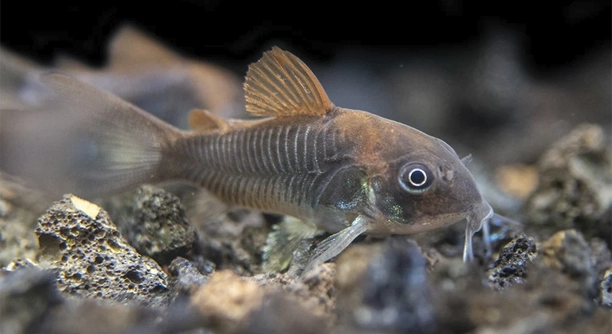
Is your Corydoras catfish spending more time sitting still, avoiding food, or acting differently than usual in your aquarium?
Corydoras catfish can become sluggish, stressed, or sick if the water is too cold, showing signs like inactivity, clamped fins, and loss of appetite. Consistently low temperatures weaken their immune system and disrupt natural behavior.
Learning to spot these early signs can help you protect your Corydoras and keep them healthy in a comfortable, stable environment.
Why Temperature Matters for Corydoras Catfish
Corydoras catfish are tropical fish that prefer warm water, typically between 72°F and 78°F. When the temperature drops below this range, their metabolism slows, making them less active and more prone to illness. Cold water can stress their organs and weaken their immune system. Over time, this makes them more likely to develop infections or other health problems. In the wild, these fish live in stable environments with little temperature fluctuation. At home, it’s important to recreate those conditions. A consistent, suitable temperature helps them stay healthy, swim around comfortably, and behave normally. If the water is too cold, you may see changes in their habits, such as hiding more often or refusing to eat. These signs may seem small, but they’re important. Understanding how temperature affects them helps you act quickly before any serious health issues appear.
Corydoras rely on warmth to stay healthy and active. Cold water makes them stressed and less resistant to illness.
Even if everything else in the tank seems fine, the wrong water temperature can cause major problems. Corydoras may stop swimming as much, eat less, or show signs of breathing harder. These symptoms are easy to overlook at first, but they can get worse if not addressed. That’s why it’s important to know the signs that your fish might be too cold. Once you spot the symptoms, you can take simple steps to fix the issue and make sure your tank stays at the right temperature. Using a heater and checking it regularly can help keep things steady. A reliable thermometer is also helpful, especially if you live in a place with cooler room temperatures. Keeping your tank consistent isn’t just about comfort—it’s about your Corydoras’ long-term health and safety. A warm, stable setup helps them live a fuller, healthier life.
7 Signs Your Corydoras Is Too Cold
Corydoras often react quickly to cold water, and the signs are usually easy to spot if you know what to look for.
One of the first things you might notice is a drop in activity. Corydoras are normally playful and busy, but in cold water, they slow down and rest more often. They may stop exploring the tank or seem uninterested in their surroundings. Another common sign is clamped fins, where their fins are held close to their body. This is a sign of stress and discomfort. You may also see your fish refusing food, which can lead to weight loss over time. Their breathing might become faster or more labored as their body tries to cope. Sometimes they will stay near the bottom of the tank without moving much. Pale colors and sudden hiding are also signs that they’re uncomfortable. Noticing even one of these symptoms should prompt you to check your tank’s temperature. Making quick changes can help bring your Corydoras back to normal.
How to Check and Adjust the Temperature
Use a reliable aquarium thermometer to check the water temperature daily. Stick-on strip thermometers are easy, but a digital or submersible glass one gives more accurate readings. Always place it away from the heater to get a true measurement.
If the temperature is too low, consider using an adjustable aquarium heater that matches your tank size. A heater that’s too small won’t warm the water enough, while one that’s too powerful might cause fluctuations. Set the heater to maintain a steady temperature within the ideal range for Corydoras, around 74°F to 76°F. Once adjusted, allow the water to gradually warm up over a few hours—sudden changes can shock your fish. You can also use an aquarium-safe lid to help retain heat, especially in colder rooms. Make sure the heater has a built-in thermostat or use a separate controller to prevent overheating and keep your Corydoras comfortable.
In colder climates or during winter, room temperature can cause water to drop quickly. Placing the tank away from windows or drafts helps reduce heat loss. Insulating the tank with a foam backing or tank cover also supports a stable temperature. Some people add a secondary heater as a backup in larger tanks, just in case the main one fails. Always test new heaters for a day before relying on them. Avoid turning the temperature up too quickly—slow changes give your fish time to adjust. If you’re unsure, monitor their behavior closely after adjustments. If they seem more active and start eating again, the changes are likely working. Temperature stability is one of the easiest ways to prevent health issues in Corydoras.
What to Avoid When Fixing Cold Tank Conditions
Avoid sudden water changes or drastic heater increases. These quick shifts can shock your Corydoras and lead to even more stress. Gentle, steady adjustments are always the safest.
Overcompensating is a common mistake. Some people turn their heaters up too high in hopes of quickly fixing the issue, but this creates an unstable environment. Corydoras prefer consistency. Wild temperature swings can lead to problems like oxygen depletion or stress-related illness. Avoid cheap or unreliable heaters, as they often have inaccurate thermostats. Also, don’t rely solely on your heater’s built-in settings—double-check with a separate thermometer. Make sure there’s enough circulation in your tank; uneven heating can happen in tanks with poor water movement. Avoid placing the tank near open windows, heaters, or air vents that could cause unpredictable temperature drops or spikes. Stability is more helpful than speed. A calm, slow approach gives your fish the best chance to bounce back without added stress.
Other Things That Can Make Corydoras Act Cold
Poor water quality can cause symptoms that look like a cold reaction. High ammonia or nitrite levels may stress your Corydoras, making them sluggish or uninterested in food. Always test your water if they start acting differently.
Lack of oxygen can also make them less active. Cold water holds more oxygen, but if your tank has low circulation or too many fish, they might still struggle. Add an air stone or adjust your filter flow if you notice them gasping near the surface.
How to Keep the Water Temperature Stable
A stable room temperature helps a lot. Try to keep your tank in a room that doesn’t experience big temperature changes throughout the day. Use curtains to block cold air from windows and keep heaters away from drafts. Insulate the back or sides of the tank if needed. Always monitor your setup after any seasonal changes. In summer, watch for overheating. In winter, check for heat loss. Don’t rely on guessing—use thermometers in the room and tank to track everything clearly. A digital aquarium controller is also helpful for making small automatic adjustments if the temperature shifts. It’s all about keeping things balanced.
When to Get Help from a Vet
If your Corydoras shows symptoms even after the temperature is corrected, it may be time to contact a vet. Long-term stress can lead to infections or other illnesses.
FAQ
Can Corydoras survive in cold water?
Corydoras can survive short periods in cooler water, but it’s not ideal for their health. Prolonged exposure to cold temperatures weakens their immune system, slows down their metabolism, and increases the risk of illness. They are tropical fish and do best in water between 72°F and 78°F. Anything below 70°F for more than a few hours can start to affect their behavior and health. While they may not die right away, chronic exposure to cold water can shorten their lifespan and reduce their quality of life over time.
What happens to Corydoras if the water is too cold?
When the water is too cold, Corydoras often become less active. They may stop swimming around the tank, hide more often, and rest at the bottom for long periods. You might notice clamped fins, reduced appetite, or even rapid breathing. Their immune response also slows down, making them more likely to catch infections. In some cases, they develop white patches, bloating, or fungal issues. The longer the cold conditions persist, the harder it is for them to recover. Some fish also begin to show faded color or develop a curved spine from prolonged stress and weakness.
How quickly should I raise the water temperature?
Raising the temperature too quickly can shock your Corydoras and cause even more problems. It’s safest to raise the temperature by 1–2°F per hour until you reach the desired range. If you need to raise it more than a few degrees, spread the changes out over a full day. During the process, monitor your fish closely for signs of distress, such as gasping or frantic swimming. Slow, steady changes allow their bodies to adjust without added stress. If they seem to improve after a small change, that’s a good sign to continue gently.
What type of heater is best for a Corydoras tank?
An adjustable submersible heater with a built-in thermostat is the most reliable option. Make sure the heater is the right size for your tank—usually around 3–5 watts per gallon. In larger tanks, it’s sometimes better to use two smaller heaters placed at opposite ends for even heat distribution. Avoid preset heaters that don’t allow temperature control. A separate external controller adds an extra layer of safety and accuracy. Choose trusted brands with strong reviews, and always test the heater for a day before adding fish. Check it regularly to catch malfunctions early.
Can cold water cause long-term damage to Corydoras?
Yes, chronic exposure to cold water can cause long-term issues. Over time, it can damage their organs, stunt growth, and lead to a weakened immune system. Even if they don’t show symptoms right away, the stress from cold conditions builds up and makes them more likely to get sick. Once their health declines, it can be difficult to bring them back to normal even after fixing the temperature. Recovery is slower, and some effects may not fully reverse. That’s why keeping a stable, warm environment is essential for long-term health.
Why is my Corydoras still acting weird after fixing the temperature?
Sometimes it takes a while for Corydoras to bounce back. Even after the temperature is corrected, their bodies may need time to recover. If they’ve been exposed to cold water for a long time, the stress might have triggered secondary problems like infections or internal issues. Watch for signs like bloating, fuzzy patches, or labored breathing. If symptoms continue for more than a day or two, or if they worsen, it’s a good idea to test your water quality and consider contacting a vet. Early treatment can help avoid more serious problems.
Should I use a backup heater?
Using a backup heater is a good idea, especially in larger tanks or colder homes. If your main heater fails or shuts off during a power issue, a backup heater can prevent the temperature from dropping too fast. Set the backup slightly lower than your main heater—just enough to maintain safe conditions if needed. It’s also helpful to have a thermometer that alerts you to sudden changes. A small investment in backup gear can make a big difference in keeping your Corydoras safe during unexpected issues.
How can I tell if my heater is working properly?
Check the water temperature daily with a thermometer placed on the opposite side of the tank from the heater. If the temperature stays stable within the right range, your heater is likely working. You should also see the heater’s indicator light turn on and off as it adjusts. If the water feels cooler than usual, or if the heater stays on constantly, test it or replace it. Never assume your heater is working just because the light is on—double-check with a reliable thermometer to be sure.
Final Thoughts
Keeping your Corydoras catfish warm and comfortable is an important part of fish care. These peaceful bottom dwellers are sensitive to temperature changes, and cold water can affect their health in many ways. Even a few degrees below their ideal range can cause stress, lower their activity, and make them more likely to get sick. That’s why it’s so important to check your water temperature regularly and use the right equipment. A good heater, reliable thermometer, and steady environment can make a big difference in keeping your fish happy and healthy.
If you notice your Corydoras acting differently—like staying still, skipping meals, or hiding more than usual—it could be a sign that the water is too cold. These early signs may seem small, but they are worth paying attention to. The good news is that temperature problems are often easy to fix. Once you spot the signs, a few simple changes like adjusting your heater or moving the tank away from cold drafts can help improve the situation. Acting quickly can prevent further stress and keep your fish from developing more serious issues down the line.
In the end, temperature is just one part of creating a healthy home for your Corydoras. Clean water, a balanced diet, and a peaceful tank setup all work together to support their well-being. But without the right temperature, even the best conditions can start to fall apart. Consistency is key. By checking on your tank every day and making small adjustments as needed, you’re giving your fish the best chance to thrive. It doesn’t take a lot of time, but it can make a big difference. A warm, steady environment will help your Corydoras stay active, eat well, and live longer in your care.

Hello,
If you enjoy the content that we create, please consider saying a "Thank You!" by leaving a tip.
Every little bit helps us continue crafting quality advice that supports the health, happiness, and well-being of pets around the world, for pets of all shapes, sizes, and species.
We really appreciate the kindness and support that you show us!