
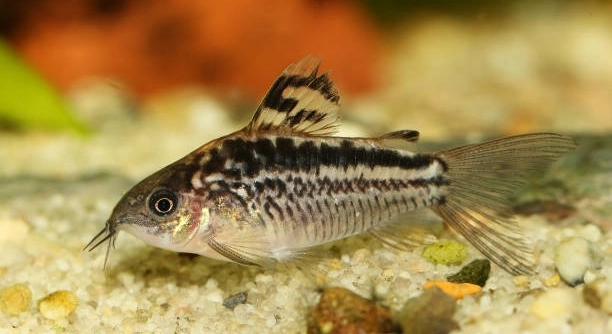
Corydoras catfish are known for their playful nature, but if they’re not eating properly, their health can decline. Recognizing signs of malnutrition early is crucial for their well-being and longevity in your aquarium.
Starving Corydoras catfish often exhibit behaviors such as reduced activity, weight loss, and a lack of interest in food. Inadequate nutrition can lead to weakened immune systems, making them more susceptible to illness. Observing these warning signs can help prevent health issues.
Understanding these signs is essential for keeping your fish healthy and happy. By following these tips, you’ll be better equipped to ensure your Corydoras catfish is thriving in its environment.
Common Warning Signs of Starving Corydoras Catfish
If your Corydoras catfish isn’t eating, it might be hard to tell at first. Often, they are shy and prefer hiding, which can mask a lack of appetite. They might stop coming to the surface during feeding times or swim lethargically. Over time, this lack of activity can be a strong indicator that something is wrong. Watch for visible signs of weight loss as well. When a catfish isn’t getting enough food, its body can become thinner, and the outline of its bones might be visible under the skin.
Don’t ignore changes in behavior, like hiding more than usual. While this could be a sign of stress, it can also point to a lack of food intake.
Starving Corydoras may also appear to have a duller coloration than usual. When these fish are healthy, they usually have a vibrant and lively appearance. If their color becomes pale or washed out, it’s another sign that something is off with their diet. A healthy catfish should be active, curious, and maintain its natural color.
Impact of Poor Diet on Corydoras Health
A poor diet doesn’t just affect the catfish’s appearance; it also impacts its long-term health. Nutritional deficiencies can lead to weakened immune systems, making the fish more susceptible to disease. Corydoras are bottom dwellers, and their diet should include a mix of protein-rich foods, like high-quality pellets or frozen food, along with occasional plant matter. Without proper nutrition, their immune response will become slower, and they may struggle to recover from infections.
Starvation can also stunt their growth. If young Corydoras don’t receive the proper nutrients, they may remain smaller than expected. This can affect their ability to breed and may even shorten their lifespan. Regular feeding with varied diets ensures that your fish stays healthy and can thrive in your aquarium for years to come. When considering your fish’s health, it’s essential to examine their diet to prevent further issues.
Observing Behavioral Changes in Starving Corydoras
A Corydoras that isn’t eating will often show signs of lethargy and reduced movement. It may stay hidden more often or swim sluggishly near the bottom of the tank. If this behavior persists, it indicates the catfish is likely not receiving enough food.
You might also notice that the catfish avoids interactions with other tankmates. Corydoras are generally social, so when one starts isolating itself, something is wrong. It’s important to keep track of how your fish interacts with others during feeding time. If it consistently shows a lack of interest in the food being offered, it may be starving.
Additionally, some Corydoras may exhibit an unwillingness to come to the surface for food. They might stay at the bottom of the tank, waiting for food to sink. If this continues over several days, it is a clear signal that your fish is not eating as it should be.
The Role of Tank Conditions in Starving Corydoras
The tank environment plays a key role in the health of your Corydoras. Poor water quality can cause stress, which affects their appetite. Ammonia or nitrite spikes, improper pH levels, and inconsistent water temperature can lead to a lack of feeding. If your catfish is showing signs of starvation, you should check the water parameters right away.
Ensure that the tank is well-maintained, with regular water changes and proper filtration. The water should be clean and well-oxygenated. Corydoras are sensitive to changes in their environment, and poor water conditions can quickly lead to a drop in their feeding behavior. These conditions can also weaken their immune system, making it harder for them to recover from malnutrition.
In addition, a tank with strong water currents may discourage your Corydoras from foraging. These fish prefer calm waters where they can search for food at their own pace. Adjusting the current can make the tank more suitable for them, encouraging better eating habits and reducing stress.
Feeding Techniques to Help Starving Corydoras
If your Corydoras is not eating, adjusting the way you feed can make a big difference. Try offering smaller, more frequent meals instead of one large feeding. This can entice them to eat without overwhelming them.
Another helpful tip is to use sinking pellets or foods that cater specifically to bottom-dwelling fish. Corydoras prefer food that sinks to the bottom, where they naturally forage. Using a variety of foods such as frozen or live food may also stimulate their appetite. These small changes can make feeding time more successful and ensure your fish gets the right nutrients.
Identifying Nutritional Deficiencies in Corydoras
When your Corydoras is starving, it’s important to identify possible nutritional deficiencies. Lack of essential vitamins or minerals can lead to weakened immune systems and poor overall health. Offering food rich in protein, vitamins, and minerals is crucial.
Feeding a balanced diet that includes high-quality pellets, frozen foods like bloodworms, and occasional plant matter is necessary. Fish-specific supplements can also help if the diet appears lacking. Make sure to rotate between different foods to cover all nutritional needs. A varied diet keeps your fish healthy, active, and less likely to suffer from malnutrition.
How to Encourage a Corydoras to Eat Again
A Corydoras that has stopped eating may need a bit of encouragement. Try dimming the lights in the aquarium and reducing any disturbances. A calm, peaceful environment may help the fish feel more comfortable and encourage eating.
Adding live food like brine shrimp or daphnia may entice your fish to eat again. These foods are more natural and can trigger the catfish’s hunting instinct.
FAQ
How often should I feed my Corydoras catfish?
Corydoras catfish should be fed once or twice a day, depending on their size and activity level. Small amounts of food at each feeding time are better than overfeeding. You should avoid leaving uneaten food in the tank, as it can pollute the water. Offering food in small portions ensures your fish get the nutrients they need without overloading the tank with waste. Remember that these fish are bottom dwellers, so sinking pellets are ideal for them. Keep an eye on how much food they actually consume to prevent overfeeding.
What are the best foods for Corydoras catfish?
The best foods for Corydoras include sinking pellets, frozen or live food like bloodworms, daphnia, and brine shrimp, as well as occasional plant matter. A variety of foods ensures that your fish gets all the nutrients it needs. High-quality sinking pellets formulated for bottom feeders are essential for meeting their dietary needs. Offering small amounts of live food can also stimulate their natural foraging instincts, encouraging them to eat more. You can supplement their diet with leafy greens or blanched vegetables to mimic their natural diet in the wild.
Why is my Corydoras catfish not eating?
There are several reasons why your Corydoras might not be eating. One of the most common causes is stress, which can result from poor water quality, aggressive tank mates, or sudden changes in the environment. Make sure the tank’s water parameters—like pH, ammonia, and nitrite levels—are within the appropriate range. If the water quality is poor, your fish might be too stressed to eat. Additionally, Corydoras may stop eating if they are sick or injured. It’s essential to check for any visible signs of illness and address them quickly. Also, some Corydoras can be picky eaters, especially if they are not used to certain foods, so variety in their diet can help.
How can I tell if my Corydoras catfish is hungry?
A hungry Corydoras catfish will usually become more active during feeding time. It may swim to the surface or actively search around the tank for food. These catfish are opportunistic feeders, so when they’re hungry, they will be visibly excited during feeding. If your Corydoras shows no interest in food, it may be a sign of stress or health problems. Additionally, if the fish isn’t eating but still actively searching for food, it could indicate that it doesn’t find the offered food appealing. Switching to a different type of food or adjusting the feeding time can help.
Can Corydoras catfish eat vegetables?
Yes, Corydoras catfish can eat vegetables as part of a balanced diet. Offer small pieces of blanched vegetables like zucchini, spinach, or peas. Vegetables provide essential fiber and other nutrients that are beneficial for the catfish’s digestive system. Make sure to remove any leftover vegetable pieces from the tank after a few hours to prevent them from decaying and affecting the water quality. Although vegetables are a good addition to their diet, they should not be the primary food source. Corydoras need a variety of foods to maintain proper nutrition, so don’t rely on vegetables alone.
Why is my Corydoras catfish losing weight?
If your Corydoras catfish is losing weight, it could be a sign of insufficient nutrition, stress, or illness. A loss of appetite is often the first indicator that your fish is not eating enough. Poor water conditions can also lead to weight loss, as stressed fish are less likely to eat. Check the water quality regularly to ensure the parameters are stable. If the catfish is still active and swimming, it might be a sign that it’s not getting enough food. Additionally, some health conditions such as internal parasites or bacterial infections can also lead to weight loss, so be sure to monitor for any other signs of illness.
How do I help my Corydoras catfish gain weight?
To help your Corydoras catfish gain weight, ensure that it’s eating a balanced, nutritious diet. Offer a variety of high-quality foods, including sinking pellets, live food, and occasional vegetables. Feed smaller portions more frequently to encourage better digestion and more consistent food intake. Additionally, maintain good water quality and a stress-free environment. If your catfish is still losing weight despite a proper diet, consider consulting an aquarium vet to check for underlying health issues such as parasites or infections. Sometimes, the right diet and a peaceful environment are all your fish needs to gain weight.
Can Corydoras catfish eat freeze-dried food?
Corydoras catfish can eat freeze-dried food, but it should be used in moderation. Freeze-dried foods, like bloodworms or shrimp, are convenient and provide some nutritional value. However, they can lack moisture and may cause constipation if fed too frequently. It’s best to offer freeze-dried food as a treat or supplement to their regular diet. Make sure to soak freeze-dried food in water before feeding to avoid digestive issues. While freeze-dried food is not harmful in small amounts, it should never replace their primary diet, which should consist of sinking pellets and live or frozen food.
How can I tell if my Corydoras catfish is sick?
A sick Corydoras catfish will often show visible signs such as lethargy, lack of appetite, abnormal swimming behavior, or unusual body markings like lesions or swelling. Changes in color or fin damage are also common indicators of illness. If your catfish is not eating and has other unusual symptoms, it’s important to take action immediately. Illnesses like parasites or bacterial infections can affect their appetite and overall behavior. Checking for other symptoms, such as abnormal breathing or excessive scratching against tank objects, can help you identify the problem early.
How do I prevent my Corydoras from becoming malnourished?
To prevent malnutrition in your Corydoras catfish, offer a varied and balanced diet. Use high-quality sinking pellets, supplement with live or frozen food like bloodworms, and provide occasional vegetables. Ensure that you are not overfeeding, as uneaten food can pollute the water and lead to poor tank conditions, which can cause stress and malnutrition. Maintain stable water conditions by regularly monitoring pH, ammonia, and nitrite levels. Lastly, ensure that the tank is not overcrowded, as competition for food can lead to some fish not getting enough to eat. Regularly check your catfish’s behavior and body condition to catch any issues early.
Final Thoughts
Corydoras catfish are relatively easy to care for, but ensuring they stay healthy requires attention to their diet and environment. These small, bottom-dwelling fish are often overlooked, yet they play an important role in keeping your tank clean. The key to preventing them from starving lies in providing them with the right food and maintaining proper water quality. Corydoras have a unique feeding behavior that focuses on scavenging food from the bottom of the tank. Therefore, understanding their needs and feeding habits is essential for keeping them in good health.
When your Corydoras catfish shows signs of starvation, it’s crucial to act quickly. Symptoms such as lack of appetite, weight loss, or inactivity should not be ignored. Ensuring that their tank environment is stress-free is just as important as offering the right food. Maintaining stable water conditions, avoiding overcrowding, and reducing disturbances will encourage them to eat. Offering a variety of food options like sinking pellets, live food, and occasional plant matter can stimulate their appetite. If your Corydoras is still refusing to eat, it’s important to rule out any underlying health issues that could be affecting their behavior.
Overall, taking a proactive approach to caring for your Corydoras can prevent many common issues related to starvation and malnutrition. Keeping a watchful eye on their eating habits and water conditions will help you address potential problems before they become serious. A balanced, varied diet and a peaceful environment are crucial for the well-being of these bottom-dwelling fish. By following these guidelines, you can ensure your Corydoras stay healthy and thrive in your aquarium for years to come.

Hello,
If you enjoy the content that we create, please consider saying a "Thank You!" by leaving a tip.
Every little bit helps us continue crafting quality advice that supports the health, happiness, and well-being of pets around the world, for pets of all shapes, sizes, and species.
We really appreciate the kindness and support that you show us!