
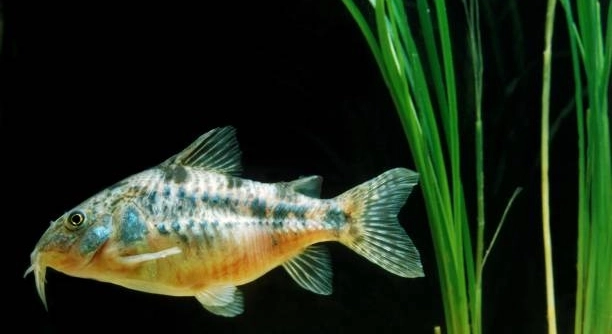
Corydoras catfish are popular for their peaceful nature, but sometimes they dart around the tank. This behavior can leave aquarium owners puzzled, wondering what’s causing the sudden bursts of activity.
Corydoras catfish may dart around the tank for various reasons, including stress, excitement, or the presence of environmental triggers such as water quality issues or predators. Understanding these causes can help create a healthier, more comfortable environment for your fish.
Learning the underlying factors can help you prevent unnecessary stress and ensure a better tank experience for your fish.
Water Quality Issues
When your Corydoras catfish starts darting around, one of the first things to check is the water quality. These fish are sensitive to changes in water conditions, and poor water quality can trigger stress. Elevated levels of ammonia, nitrites, or nitrates, as well as fluctuations in pH, temperature, and oxygen levels, can all lead to erratic swimming behavior. If the water parameters are not ideal, Corydoras may feel stressed or unsafe, causing them to swim around quickly in an attempt to escape the discomfort. Keeping the tank clean and regularly testing the water can prevent this.
If your water quality is off, it’s crucial to take corrective action. Regular water changes, proper filtration, and monitoring parameters can help keep your Corydoras healthy and calm.
Maintaining good water quality not only promotes a more peaceful environment for your Corydoras but also helps prevent other health problems. Invest time in setting up a proper filtration system and test the water regularly to ensure it stays within the safe range for your fish.
Temperature Fluctuations
Corydoras catfish thrive in stable temperatures. If the water is too hot or too cold, they may dart around the tank in discomfort. Their ideal water temperature is between 72°F and 78°F (22°C to 26°C).
Rapid temperature changes can cause stress and disrupt their normal behavior. A thermometer in the tank is an easy way to track the temperature and avoid sudden shifts.
If the temperature fluctuates often, you should consider investing in an aquarium heater with a temperature control system. It helps maintain a steady environment and reduces the chances of your Corydoras reacting with erratic movements. Ensuring that the water temperature stays within the right range is key to keeping your fish calm and comfortable.
Tank Mates
Corydoras catfish are peaceful creatures and prefer a calm environment. Aggressive or overly active tank mates can cause them to feel threatened, leading to darting behavior. If you have fish that chase or nip at your Corydoras, this stress may result in their sudden bursts of movement.
It’s important to choose tank mates that are non-aggressive and will not provoke your Corydoras. Species like tetras, guppies, and peaceful rasboras make great companions. Avoid keeping them with fish that are known to be territorial or predatory. A peaceful community tank is essential for their well-being.
If you notice any signs of aggression, such as nipping or chasing, you might need to separate the more aggressive fish. Rearranging tank decor or providing more hiding spaces can also help create a more secure environment for your Corydoras. Ensuring that your fish get along can minimize stress and calm their movements.
Lack of Hiding Spots
Corydoras catfish enjoy having places to hide, especially when they feel insecure. If your tank lacks hiding spots, they may feel exposed, leading to erratic swimming. Corydoras are bottom dwellers and prefer to hide in caves, plants, or any structures that allow them to retreat when needed.
Adding more hiding spots, like caves or driftwood, gives them the security they crave. If they feel they have a safe place to retreat, their behavior will calm down, and they’ll be less likely to dart around the tank. Ensure there are multiple hiding spots to prevent overcrowding.
Providing these hiding spaces is a simple way to reduce stress in your Corydoras. It’s important to remember that they need time to rest and feel secure. If they have places to hide, they are more likely to engage in their natural behaviors, such as foraging or socializing with other peaceful fish in the tank.
Overfeeding
Overfeeding your Corydoras can cause more than just water quality issues. Leftover food in the tank leads to poor water conditions, and fish may swim erratically due to digestive discomfort. It’s best to feed them only what they can consume in a few minutes.
A balanced feeding schedule ensures that there’s no leftover food rotting in the tank. Overfeeding can also contribute to bloating and other health problems, which may cause Corydoras to swim frantically as they try to relieve discomfort. Monitor their food intake to keep them healthy.
If you notice excess food in the tank after feeding, reduce the portions to avoid overfeeding. This will not only help with tank cleanliness but also prevent stress from undigested food.
Stress from Sudden Changes
Corydoras catfish are sensitive to sudden changes in their environment, whether it’s lighting, decorations, or even tank maintenance. When something in the tank changes abruptly, Corydoras may react by darting around as a way to express their stress.
Even small alterations in the tank layout or frequent water changes can unsettle them. Try to make adjustments gradually and avoid disturbing them too often. Keeping a consistent environment is essential for their comfort.
Create a stable environment to reduce stress by limiting sudden changes. This will help your Corydoras settle into their space and reduce erratic swimming behavior.
Insufficient Oxygen Levels
Corydoras catfish need well-oxygenated water to thrive. If the oxygen levels are too low, they may swim quickly or dart around to reach oxygen-rich areas. Ensuring proper aeration is vital for their health and behavior.
If you notice your Corydoras swimming at the surface or gasping, check the water flow and aeration equipment. It’s important to have a good filtration system and air pumps to maintain a steady oxygen supply. Improving oxygen flow can calm their behavior and keep them active.
Consider adding an air stone or adjusting the filter to create better water circulation and oxygenation.
FAQ
Why is my Corydoras catfish darting around the tank?
Corydoras catfish can dart around the tank for several reasons, including stress, poor water quality, or sudden changes in their environment. This behavior is often triggered by discomfort or a threat in their surroundings. Ensure that water parameters like ammonia, nitrate, and pH are within the safe range. Aggressive tank mates, lack of hiding spots, or rapid temperature fluctuations may also cause Corydoras to swim erratically. Addressing these factors can help reduce this anxious behavior.
How can I stop my Corydoras from darting around the tank?
The first step is to ensure that the water quality is optimal. Perform regular water tests to check for ammonia, nitrites, and nitrates. Keep the tank clean and make regular water changes to prevent pollution. Additionally, make sure the tank has peaceful companions, as aggressive fish can stress Corydoras. Provide ample hiding spots with plants, rocks, or caves. Stable water temperature and proper aeration are also essential for keeping them calm.
Can overfeeding cause Corydoras to dart around?
Yes, overfeeding can lead to uneaten food in the tank, which can decay and negatively affect water quality. This poor water quality can make Corydoras feel uncomfortable, leading them to swim erratically. It’s important to feed your fish only the amount they can consume in 2 to 3 minutes. Avoid leaving excess food in the tank as it can deteriorate the water and cause stress.
What are the signs of stress in Corydoras catfish?
In addition to darting around the tank, signs of stress in Corydoras include erratic swimming, hiding more often, gasping at the surface, or lethargy. If your Corydoras is swimming near the surface, it could indicate low oxygen levels. Additionally, if they’re hiding constantly or not interacting with tank mates, it could suggest stress from poor water quality, aggressive fish, or a lack of hiding spots.
How often should I change the water for my Corydoras tank?
It’s recommended to change 25% to 30% of the water every week to maintain good water quality. If you have a heavily stocked tank or are dealing with water quality issues, you may need to do more frequent water changes. Regular water changes help keep ammonia, nitrites, and nitrates under control, which is crucial for the well-being of Corydoras catfish.
Is it okay to have Corydoras with other fish?
Yes, Corydoras catfish generally do well with other peaceful species. They are bottom dwellers and tend to stay out of the way of most mid- or top-dwelling fish. However, it’s important to avoid aggressive or territorial species that could stress or bully them. Ideal tank mates include small tetras, guppies, and peaceful livebearers.
Can I keep Corydoras in a small tank?
Corydoras can be kept in tanks as small as 20 gallons, but it’s important to consider their need for space and the number of fish in the tank. They should not be kept in tanks smaller than this, as they need room to swim and explore. A larger tank provides better water quality, more hiding spots, and less stress. If you plan to keep several Corydoras, opt for a bigger tank to ensure they have enough space to feel secure.
Why is my Corydoras staying at the top of the tank?
Corydoras are bottom-dwelling fish, and it’s unusual for them to stay near the surface for long periods. If your Corydoras is staying near the top, it may be a sign of poor water quality, low oxygen levels, or stress. Check the water temperature, oxygen levels, and filtration. Ensure the water is well-oxygenated, and consider adding an air stone or improving filtration.
How can I make my Corydoras feel more comfortable?
To make your Corydoras feel more comfortable, ensure the tank has plenty of hiding spots, such as caves or plants. Provide a soft substrate, as Corydoras like to burrow. Keep the water temperature stable, between 72°F and 78°F (22°C to 26°C). Regularly test the water to ensure that the ammonia, nitrites, and nitrates are at safe levels. Also, choose peaceful tank mates to avoid stressing your fish.
Are Corydoras sensitive to light?
Yes, Corydoras catfish are sensitive to light, especially bright or direct lighting. They are more active during dawn and dusk, so harsh lighting can cause them to become stressed. It’s a good idea to use soft, subdued lighting in their tank and provide plenty of hiding spots to give them a sense of security. If the tank is exposed to too much light, Corydoras may become inactive or hide.
Do Corydoras need to be in groups?
Corydoras are social fish and thrive best when kept in groups of at least 3 to 6. Being in a group helps reduce stress and provides a sense of security. They are more likely to exhibit natural behaviors like foraging and interacting with each other when kept in groups. A group of Corydoras will also be more active and less likely to dart around out of anxiety.
Why does my Corydoras keep flipping upside down?
If your Corydoras is flipping upside down, it could be a sign of a health problem, such as swim bladder disorder. This condition affects the fish’s buoyancy and can cause them to have trouble swimming. If this behavior persists, it’s important to check for signs of illness and provide appropriate care. Make sure the water quality is good and observe their behavior to see if they need medical attention.
Final Thoughts
Corydoras catfish are generally peaceful and easy to care for, making them a popular choice for many aquarium owners. However, if you notice your Corydoras darting around the tank, it’s important to address the underlying cause. This behavior is often a sign of stress or discomfort, and understanding what triggers it can help you create a better environment for your fish. Whether it’s water quality, temperature fluctuations, or stress from tank mates, there are simple steps you can take to calm your Corydoras and improve their well-being.
Maintaining a healthy tank environment is key. Regular water changes, proper filtration, and monitoring the tank’s temperature are essential. Corydoras are particularly sensitive to changes in water conditions, so ensuring that the water parameters stay within safe ranges is critical for their health. Additionally, providing plenty of hiding spots and peaceful tank mates will give your Corydoras a sense of security and reduce their need to dart around the tank. Keeping these factors in check can help your fish thrive and create a more stable aquarium environment.
Remember, small adjustments to your tank can make a big difference in the behavior of your Corydoras catfish. By maintaining good water quality, minimizing stress, and creating a comfortable environment, you’ll not only prevent darting behavior but also improve the overall health and happiness of your fish. Regular monitoring and care can ensure that your Corydoras stay calm, active, and content in their aquatic home.

Hello,
If you enjoy the content that we create, please consider saying a "Thank You!" by leaving a tip.
Every little bit helps us continue crafting quality advice that supports the health, happiness, and well-being of pets around the world, for pets of all shapes, sizes, and species.
We really appreciate the kindness and support that you show us!