
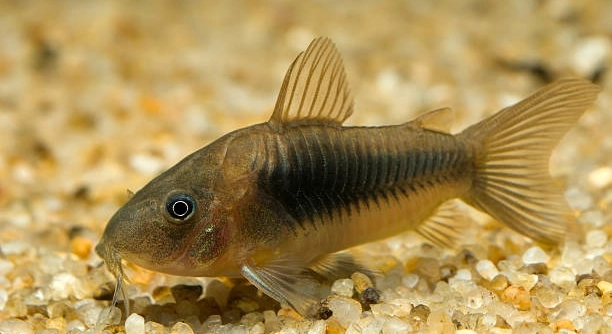
Corydoras catfish are fascinating creatures that often display a unique behavior: they like to dig. This action is not only instinctive but also beneficial to their well-being. Understanding why they do this can help aquarium enthusiasts better care for them.
Corydoras catfish dig primarily to search for food and create hiding spots. Their natural behavior includes scavenging and burrowing through substrates, which helps them feel more secure and active in their environment.
This behavior is not just random; it serves important purposes. Exploring these will help you understand how digging benefits your catfish and enhances their habitat.
Why Do Corydoras Catfish Dig?
Corydoras catfish are bottom dwellers, and they naturally dig to fulfill their instincts. In the wild, these fish forage through substrates to search for food. This behavior is important because it mimics their natural habitat, helping them stay active and engaged. Digging helps them find food like small invertebrates, detritus, and plant matter, which forms a large part of their diet. Additionally, it provides them with a sense of security by allowing them to create hiding spots. This digging behavior often involves using their barbels to sift through the gravel or sand, which can help them locate food they might otherwise miss.
These behaviors are a reflection of the Corydoras’ survival instincts, as their natural environment typically has lots of debris and organic matter on the floor. The more active and comfortable they feel while digging, the more likely they are to stay healthy and vibrant in an aquarium setup.
The physical and mental stimulation from digging is essential for their well-being. It provides exercise and reduces stress by allowing them to express their natural instincts.
Digging Helps With Cleaning the Tank
As Corydoras dig, they naturally stir up the substrate, which helps clean the tank by preventing debris from settling at the bottom.
When they dig, the fish disturb uneaten food, fish waste, and organic matter that might otherwise build up. This action encourages beneficial bacteria in the tank to break down organic waste. Corydoras catfish also help in reducing algae growth by making the environment cleaner. Their consistent movement and activity keep the bottom of the tank from becoming stagnant. This leads to a healthier aquarium ecosystem overall.
Their digging also allows for better oxygenation in the substrate, especially in tanks with fine gravel or sand. This is important because it helps promote a healthy environment for other species living in the tank. The more active they are, the less likely harmful bacteria or dead spots in the substrate are to develop. By doing this, Corydoras catfish contribute to a more balanced and stable aquarium system.
Digging Supports Healthy Digestion
Corydoras catfish often dig to find small food particles and detritus. This behavior helps them maintain a well-rounded diet, improving their digestion. By sifting through the substrate, they find nutrients that might not be available in their immediate environment.
This scavenging helps to supplement their primary food source, which consists of sinking pellets, frozen foods, or small live prey. By constantly searching for food, they can satisfy their nutritional needs in a more natural way. Their barbel-like whiskers are key in helping them detect food, allowing them to process nutrients more efficiently.
Additionally, digging promotes better digestion because it encourages them to be more active. This physical movement helps keep their digestive system working properly. It also prevents them from becoming sedentary, reducing the risk of digestive issues that can occur when they are not as engaged.
Digging Creates a Safe Environment
Digging allows Corydoras catfish to create small burrows or hideouts within the substrate, offering them a sense of security. These hiding spots protect them from perceived threats in the tank, whether from other fish or sudden changes in the environment.
The catfish’s natural instinct is to seek shelter when they feel threatened, and by digging, they can create a space where they feel safe. This behavior is essential for reducing stress and ensuring they remain healthy. A calm fish is more likely to thrive, as they won’t be constantly in a state of alertness.
By offering a safe place, digging also keeps them comfortable. This gives them the chance to rest and hide whenever needed. Whether during the day or at night, these spots help Corydoras catfish feel at ease, reducing their anxiety.
Digging Helps with Breeding
Corydoras catfish may dig to prepare a breeding spot. Female Corydoras often choose areas with clean, undisturbed substrates to lay their eggs. Digging helps create a proper environment for egg placement, ensuring they’re protected.
In some cases, males will also dig to help establish a suitable breeding area. The digging activity aids in clearing the area of debris, which could otherwise interfere with the eggs’ development. This behavior is crucial for successful breeding, as it ensures that the eggs are laid in a clean, safe space.
By creating a natural breeding spot through digging, Corydoras catfish increase their chances of raising healthy offspring. This behavior encourages both males and females to engage in the process, ensuring a higher likelihood of reproduction.
Digging Reduces Stress
Digging provides a way for Corydoras catfish to release stress. Constant physical activity in the form of digging helps them stay busy, avoiding anxiety or boredom.
A stressed-out fish can lead to health problems. By digging, Corydoras can relieve tension and stay more relaxed, ultimately leading to a happier aquarium life.
Digging Promotes Tank Stability
Digging helps keep the substrate loose, preventing it from becoming compacted. This ensures better water flow and maintains the overall health of the tank. By constantly disturbing the bottom, Corydoras catfish prevent the buildup of toxic gases and waste.
FAQ
Why do Corydoras catfish dig so much?
Corydoras catfish dig to replicate their natural habitat. In the wild, they forage for food in the substrate, using their barbels to sift through the sand or gravel. This behavior helps them find small invertebrates, detritus, and other food sources that may not be immediately visible. Digging also gives them a sense of security by creating hiding spots. It allows them to explore, stay active, and reduce stress, which leads to better overall health and well-being.
Is it necessary for Corydoras catfish to dig?
While not absolutely necessary, digging is an instinctive behavior for Corydoras. It helps them fulfill natural instincts like foraging and hiding. Without the opportunity to dig, they may become less active, stressed, and potentially unhealthy. Allowing them to dig is important for maintaining their physical and mental health in an aquarium setting.
How can I provide a substrate that encourages digging for Corydoras?
To support digging behavior, provide a fine-gravel or sand substrate. Corydoras catfish prefer soft, smooth materials that they can easily sift through with their barbels. Avoid sharp rocks or large gravel, as they can injure the fish. A depth of at least 2-3 inches of substrate is recommended, giving them enough space to dig and create hiding spots. Make sure to clean the substrate regularly to prevent it from becoming compacted or overly dirty.
Can I keep Corydoras in tanks without a substrate?
While it’s possible to keep Corydoras catfish in tanks without a substrate, it’s not ideal. Without a substrate, they lose the opportunity to engage in their natural digging behavior. It can lead to stress and inactivity. If you need a tank without substrate, consider providing hiding spots using decorations or caves, although these won’t fully replace the benefits of digging. Ideally, a fine-gravel or sand substrate should be included to maintain their well-being.
Do Corydoras catfish dig in all types of tanks?
Yes, Corydoras catfish will dig in most types of tanks, as long as the substrate allows for it. They enjoy digging in tanks with gravel, sand, or similar materials. However, in tanks with hard or rocky surfaces, they may not engage in digging as much. It’s essential to provide a substrate that suits their natural behavior to ensure they can thrive.
How does digging help with tank cleanliness?
Corydoras catfish dig to stir up the substrate, which can help prevent organic matter from settling and decomposing. By digging, they naturally disturb any uneaten food, fish waste, or dead plant matter, making it easier for beneficial bacteria to break it down. This reduces the risk of harmful toxins building up in the tank. Additionally, by constantly moving through the substrate, they help oxygenate it, promoting a healthier environment for all aquarium inhabitants.
Do Corydoras catfish dig during the day or night?
Corydoras catfish are mostly active during the evening and night, but they can dig during both day and night. Their digging behavior is most noticeable during periods when they are foraging for food. In the daytime, they might dig less frequently, as they often rest or seek shelter. However, they are still capable of digging whenever they feel the need to search for food or hide. This activity can vary based on their environment and tank conditions.
How does digging affect other fish in the tank?
Digging is generally harmless to other fish, but it can create some disturbances. Corydoras catfish may stir up the substrate, which could cloud the water temporarily or shift tank decorations. If you have delicate plants or decorations, it may be worth ensuring they are securely placed to avoid any damage. However, in a properly set-up tank, the disturbance caused by digging usually won’t harm other fish and can even contribute to a cleaner environment.
Should I worry if my Corydoras catfish digs too much?
If your Corydoras catfish is digging excessively, it might be a sign of stress or discomfort. Over-digging could indicate that the fish is trying to escape a perceived threat or is looking for food. Ensure the tank is providing enough hiding spots, food, and a comfortable environment. Excessive digging could also suggest that the fish is bored or feels insecure, so it’s worth checking the overall tank setup and making any necessary adjustments to improve their comfort.
What if my Corydoras catfish doesn’t dig?
Not all Corydoras catfish will dig with the same frequency. If your catfish isn’t digging, it might not be stressed, but it could be more comfortable in the current tank setup. However, if the tank lacks a suitable substrate or if the fish is feeling unwell, it might reduce its digging activity. Make sure the tank has appropriate substrate, hiding spots, and a comfortable environment for the catfish. If the lack of digging persists, it could also be worth evaluating its diet or tank mates to ensure it’s not experiencing any issues.
Can Corydoras catfish live without digging?
Corydoras catfish can survive without digging, but they thrive when they can engage in this behavior. Digging is a natural instinct that helps them find food and create hiding spaces. Without the ability to dig, they might experience higher levels of stress, become less active, and potentially develop health issues. Providing them with a tank that allows digging is one of the best ways to ensure their well-being in captivity.
Final Thoughts
Corydoras catfish are fascinating creatures that bring unique behaviors to your aquarium. Their natural instinct to dig not only helps them find food but also provides them with a sense of security. This behavior is deeply rooted in their biology and is something they naturally do to mimic their environment in the wild. While digging can be messy, it is an essential part of their daily routine and is beneficial for both the fish and the tank’s overall health.
Allowing your Corydoras to dig in a tank with the right substrate, like sand or fine gravel, can significantly improve their quality of life. It helps reduce stress, encourages natural behaviors, and contributes to the overall cleanliness of the aquarium. They will feel more comfortable, safe, and active, and this will help maintain a balanced environment for all tank inhabitants. Even though it may seem like a small behavior, digging has a big impact on their well-being.
However, while digging is natural and beneficial, it’s important to make sure your tank is set up properly to support this behavior. Offering a soft, clean substrate, along with hiding spots, will give your Corydoras the freedom to engage in their instincts without harming other parts of the tank. By understanding why they dig and how it benefits them, you can create a more enriching and stable environment for your catfish. Whether foraging for food, creating safe spaces, or simply exploring their home, digging remains a vital part of their lives.

Hello,
If you enjoy the content that we create, please consider saying a "Thank You!" by leaving a tip.
Every little bit helps us continue crafting quality advice that supports the health, happiness, and well-being of pets around the world, for pets of all shapes, sizes, and species.
We really appreciate the kindness and support that you show us!