
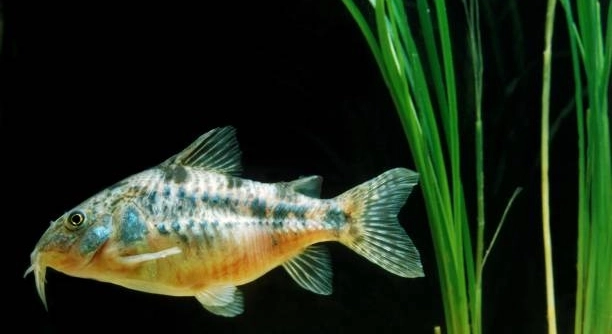
If you have a Corydoras catfish and notice it has a swollen belly, it’s important to understand why this may happen. There are various potential causes, some of which require immediate attention.
A swollen belly in Corydoras catfish can be caused by several factors, including overfeeding, constipation, internal parasites, or even issues related to water quality. These factors can cause bloating and distress, which may require different approaches for treatment.
Identifying the cause of the swelling is key to helping your fish feel better and preventing further issues.
Overfeeding and Improper Diet
One of the most common causes of a swollen belly in Corydoras catfish is overfeeding. If you’re providing more food than your catfish can consume, the extra food may lead to digestive issues or even bloating. Fish are generally good at eating only what they need, but overfeeding can disrupt this balance. It’s also important to note that overfeeding often results in uneaten food sinking to the bottom of the tank, which can increase the risk of poor water quality, adding stress to your catfish and contributing to its swelling.
Overfeeding can lead to constipation, which makes digestion slower and may result in a swollen belly. For healthy catfish, always monitor portion sizes and avoid feeding them excessively. It’s essential to feed your Corydoras only what they can finish in a few minutes.
The right portion size also contributes to overall water quality and reduces the chance of issues like bloating. To ensure your catfish stay healthy, consider adjusting their feeding schedule based on their size and activity level.
Constipation in Corydoras
Constipation is another common reason for bloating in Corydoras catfish. When your fish aren’t able to properly digest or pass food, it can lead to a swollen belly. A lack of proper fiber in their diet can make digestion difficult.
To help alleviate constipation, you can fast your catfish for a day or two, allowing their digestive system to reset. In some cases, offering them foods like blanched peas can help to clear up their system. These foods contain fiber that encourages healthy digestion and helps with constipation.
It’s important to monitor your fish after making dietary changes. If constipation persists, the issue could be more severe, such as internal blockages, and may require veterinary attention. Regularly providing a balanced diet can prevent future issues and help your Corydoras stay healthy.
Internal Parasites
Internal parasites are another common issue for Corydoras catfish. These parasites can cause swelling in the belly as they interfere with the fish’s digestive system. Parasites may also lead to other symptoms like loss of appetite and sluggish behavior.
To treat internal parasites, you will need to use a specific medicated treatment. Most pet stores carry medications designed to target these parasites. Follow the instructions carefully to avoid over-treatment. It’s important to maintain a clean tank to help prevent future infestations, as parasites thrive in poor water quality.
Water Quality Issues
Poor water quality can significantly affect your fish’s health. High levels of ammonia, nitrites, or nitrates can cause stress and bloating in Corydoras catfish. It’s essential to perform regular water changes to keep these levels in check.
Test the water regularly to ensure that the levels of harmful substances remain safe for your catfish. If necessary, invest in a high-quality filtration system to help maintain good water quality. Clean water is key to preventing issues like swollen bellies and supporting the overall well-being of your Corydoras.
FAQ
Why does my Corydoras catfish have a swollen belly?
A swollen belly in Corydoras catfish can be caused by several factors, including overfeeding, constipation, internal parasites, or poor water quality. These issues disrupt digestion and cause bloating. It’s important to check your catfish’s diet, ensure good water conditions, and observe for any signs of illness.
How can I prevent my Corydoras from getting a swollen belly?
To prevent bloating, feed your Corydoras only the amount of food they can consume in a few minutes. Avoid overfeeding, as this leads to uneaten food decomposing in the tank and harming water quality. Also, regularly perform water changes and keep the tank clean.
What should I do if my Corydoras has a swollen belly from overfeeding?
If overfeeding is the issue, reduce the amount of food offered and fast your fish for a day or two to help their digestive system reset. Make sure they are eating a balanced diet, and provide a variety of appropriate foods like high-quality pellets or live food.
Can internal parasites cause a swollen belly?
Yes, internal parasites are a common cause of bloating in Corydoras. They can affect digestion and lead to abdominal swelling. If you suspect parasites, consult a veterinarian or use an anti-parasitic medication designed for fish to treat the condition.
How do I treat constipation in Corydoras?
If constipation is suspected, give your Corydoras a day or two without food. After that, offer them blanched peas, as they help with digestion due to their high fiber content. Make sure the food is small enough to avoid further digestive issues.
Is it possible that poor water quality is causing the swelling?
Poor water quality can stress fish and lead to bloating, among other health problems. Regular water testing is essential to ensure that ammonia, nitrites, and nitrates are within safe levels. Frequent water changes and proper filtration can help maintain healthy water conditions.
What are the signs of internal parasites in Corydoras?
Internal parasites may cause symptoms such as swollen bellies, lethargy, loss of appetite, or visible weight loss. If your catfish is not eating and shows signs of bloating, parasites might be the issue. In such cases, using medicated treatments is necessary to clear the infection.
Can Corydoras recover from bloating?
Yes, Corydoras can recover from bloating if the cause is addressed promptly. Whether it’s due to overfeeding, constipation, or parasites, treating the issue and maintaining proper water conditions will help the fish recover. In more severe cases, veterinary intervention may be needed.
How can I improve water quality in my tank?
Improving water quality involves regular water changes, using a high-quality filtration system, and avoiding overfeeding. Test the water regularly to monitor ammonia, nitrite, and nitrate levels. Installing live plants can also help absorb excess nutrients and maintain a healthy tank environment.
Can overfeeding cause long-term damage to my Corydoras?
Overfeeding can lead to poor water quality and health problems in the long term. The buildup of uneaten food can cause harmful toxins to accumulate in the water, leading to stress and digestive issues in your fish. Stick to recommended feeding amounts to avoid long-term harm.
What are the signs that my Corydoras may be suffering from constipation?
Signs of constipation in Corydoras include a swollen belly, lethargy, and lack of interest in food. If your catfish is having trouble passing food or is not eating, it could be constipated. Fasting for a few days followed by a fiber-rich diet can help.
How can I tell if my Corydoras is suffering from a disease or infection?
Look for signs such as abnormal swimming behavior, discoloration, visible lesions, or a lack of appetite. If your fish shows these signs along with a swollen belly, it could indicate a disease or infection. Early diagnosis and treatment are essential for a quick recovery.
Are there specific foods that can help prevent bloating in Corydoras?
Feeding your Corydoras a balanced diet that includes high-quality pellets and occasional live or frozen foods can help prevent bloating. High-fiber foods, such as blanched peas, also aid in digestion and can reduce the risk of constipation and bloating.
Should I isolate a bloated Corydoras from the rest of the tank?
If you suspect that your Corydoras has a contagious condition, such as internal parasites, it’s a good idea to isolate it in a quarantine tank. This will help prevent the spread of illness to other fish. Otherwise, maintaining good water quality in the main tank is crucial for all fish.
Can stress cause bloating in Corydoras?
Yes, stress from poor water quality, overcrowding, or incompatible tankmates can lead to bloating in Corydoras. Stress weakens the immune system and disrupts normal bodily functions, making it more likely for your catfish to develop digestive issues and other health problems.
Final Thoughts
A swollen belly in Corydoras catfish can be caused by various factors, including overfeeding, constipation, internal parasites, or poor water quality. Understanding the root cause is essential to addressing the issue effectively. Overfeeding is a common problem, as it can lead to undigested food in the stomach, causing bloating. It’s important to monitor the amount of food given and adjust based on your fish’s needs. Reducing the feeding frequency and providing a balanced diet can prevent digestive issues and help maintain overall health. Regularly checking the tank for leftover food and removing it quickly can also help improve water quality and prevent future problems.
Constipation is another common cause of bloating. Corydoras are sensitive to diet changes, and a lack of fiber can lead to digestive blockages. To help clear up constipation, fasting for a day or two can allow the fish’s system to reset. Afterward, introducing foods like blanched peas can help clear out any remaining blockages. If constipation continues, it’s important to monitor the fish closely and consider consulting a vet. In some cases, persistent bloating may be a sign of more serious health issues that require professional treatment. Early intervention is key to helping your catfish recover and avoid long-term complications.
Lastly, internal parasites and poor water quality should not be overlooked. Both can cause significant health issues for your Corydoras. If you suspect parasites, using a medicated treatment specifically designed for fish can help clear the infection. Poor water quality is often a hidden cause of bloating, as it leads to stress and weakens the fish’s immune system. Regular water changes, maintaining proper filtration, and ensuring the water parameters are in the safe range will help create a healthy environment for your fish. Consistent care and attention to diet and tank conditions will ensure your Corydoras remain happy and healthy.

Hello,
If you enjoy the content that we create, please consider saying a "Thank You!" by leaving a tip.
Every little bit helps us continue crafting quality advice that supports the health, happiness, and well-being of pets around the world, for pets of all shapes, sizes, and species.
We really appreciate the kindness and support that you show us!