
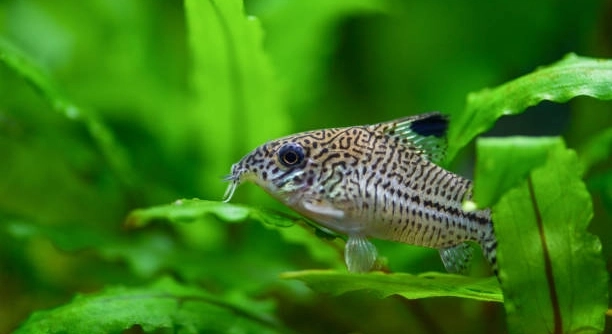
Corydoras catfish are popular aquarium fish, known for their peaceful nature. However, like all pets, they can experience moods that may affect their behavior. Understanding how to identify when they are upset can help keep them healthy and comfortable.
The best way to tell if your Corydoras catfish is in a bad mood is by observing its behavior. Signs such as hiding, erratic swimming, and lack of appetite may indicate stress or discomfort. Environmental factors, such as water quality, play a crucial role.
Recognizing these clues will help you ensure the well-being of your Corydoras catfish, making it easier to provide the right care.
Common Signs That Your Corydoras Catfish Is in a Bad Mood
Corydoras catfish are known for being peaceful, but they are not immune to stress. When in a bad mood, they may show a few clear signs. One of the first things to watch for is their swimming behavior. A stressed Corydoras may swim erratically or stay in one spot for extended periods. Lack of appetite is another red flag. When they are unhappy, they may refuse food or show little interest in eating. This could be a sign of an issue with water quality or a possible illness. It’s important to check if your catfish is staying hidden more often than usual. If they’re hiding in a corner or beneath decorations, it could be an indication that they are feeling insecure or stressed. Understanding these signs early can help prevent larger problems.
It’s essential to address water quality first, as poor water conditions can trigger these mood changes. Regularly check the temperature, pH levels, and ammonia levels in the tank. Any irregularities can cause stress.
One common mistake is overlooking the importance of a good tank setup. Corydoras catfish prefer a soft, well-maintained substrate and plenty of hiding spots. If their environment lacks these features, they may feel exposed or threatened, leading to changes in behavior. Additionally, too much activity or loud noises can also contribute to stress. Providing a calm environment with soft lighting and minimal disturbances can help your fish stay comfortable. Keep the tank clean and ensure the water is filtered correctly. If you notice your catfish hiding more than usual, give them a chance to adapt to their environment.
How Water Quality Affects Your Corydoras Catfish’s Mood
Water quality is a key factor in your Corydoras catfish’s well-being. Poor water conditions can lead to behavior changes, stress, and illness.
Maintaining proper water conditions is crucial. Corydoras catfish are sensitive to changes in temperature, pH, and ammonia levels. It is essential to use a water test kit regularly to check these levels. Clean, filtered water ensures your fish can thrive and helps reduce the chance of stress-related issues.
Stress from Tankmates
Tankmates can significantly affect the behavior of your Corydoras catfish. They are social fish but can become stressed if housed with aggressive or overly active species.
If you notice signs of stress like hiding or erratic movements, assess the compatibility of your tankmates. Corydoras are peaceful and thrive best in a calm, cooperative environment. Consider separating aggressive species or reducing the number of active fish in the tank. They are particularly sensitive to rapid movements or chase behaviors. A tank that fosters harmony between its inhabitants will keep your Corydoras catfish more comfortable and less prone to stress-related issues.
Another important factor is the size of the tank. Overcrowding can increase competition for space and resources, creating a stressful environment. Be mindful of stocking levels to avoid crowding, ensuring that every fish has enough space to swim freely. A spacious, peaceful tank setup promotes a stress-free atmosphere and keeps your Corydoras healthy.
Tank Maintenance and Routine
Regular tank maintenance helps ensure a stable environment for your Corydoras catfish. Neglecting to clean the tank can lead to an unhealthy habitat that increases stress.
Performing weekly water changes, checking filter performance, and removing waste promptly will help maintain water quality. Over time, waste can build up in the substrate, leading to high ammonia levels, which are stressful for fish. Regular vacuuming of the substrate will keep the tank clean and your fish happy.
Ensure your tank filter is running efficiently to avoid water stagnation. Stagnant water can trap debris and increase toxins, which contributes to an environment that feels unsafe for your catfish. With the right maintenance routine, your Corydoras will feel secure, reducing the risk of stress-related behavior changes.
Water Temperature
Corydoras catfish are sensitive to water temperature fluctuations. If the water becomes too hot or cold, they may show signs of distress.
It’s essential to keep the water temperature stable, ideally between 72°F and 78°F. Sudden changes can stress your catfish, making them hide or behave unusually. Using a reliable heater with a thermostat will help maintain a consistent temperature.
Diet and Feeding Routine
Corydoras catfish require a balanced diet to stay healthy and in a good mood. Overfeeding or underfeeding can lead to stress.
Feed them small amounts of food regularly, ensuring they get a variety of nutrients from high-quality pellets, frozen foods, or live food. A consistent feeding routine will help them feel secure.
Overcrowding in the Tank
Overcrowding in the tank can increase stress levels in Corydoras catfish. Too many fish in a confined space make it difficult for them to feel safe.
If your tank feels too crowded, your Corydoras may start displaying signs of stress, like hiding or erratic swimming. Reducing the number of fish may help them feel more comfortable.
FAQ
How can I tell if my Corydoras catfish is stressed?
Corydoras catfish show several signs of stress, such as hiding for long periods, erratic swimming, or refusal to eat. They may also stay at the surface of the water or be less active than usual. These behaviors usually indicate discomfort or an issue with their environment.
What is the ideal water temperature for Corydoras catfish?
Corydoras catfish thrive in water temperatures between 72°F and 78°F (22°C to 26°C). Temperatures outside of this range can cause stress, leading to poor health or mood changes. It’s important to use a reliable heater and thermometer to maintain stability.
Can Corydoras catfish live with other species?
Yes, Corydoras are peaceful fish and can live with many species, but they should not be housed with aggressive or overly active fish. Species like tetras, guppies, and peaceful shrimp are good tankmates. Avoid fish that may chase or nip at them, which can cause stress.
Why is my Corydoras catfish staying at the bottom of the tank?
Corydoras catfish naturally spend most of their time at the bottom of the tank, searching for food. However, if they stay there excessively and show other signs of distress, it could indicate poor water quality, stress from tankmates, or illness. Check the tank environment to ensure it’s suitable.
How often should I feed my Corydoras catfish?
Feed your Corydoras small portions twice a day. Overfeeding can cause water quality issues and stress, while underfeeding can lead to malnutrition. Providing high-quality pellets, frozen or live foods, and occasional supplements will help them maintain good health and mood.
Do Corydoras catfish require special tank conditions?
Yes, Corydoras need a soft substrate, like sand, to avoid damaging their delicate barbels. They also prefer a well-maintained, calm environment with gentle water flow. Regular water changes and proper filtration are essential to keep them comfortable and stress-free.
Why is my Corydoras catfish not eating?
If your Corydoras catfish isn’t eating, it could be due to water quality issues, temperature fluctuations, or stress. Check the tank’s conditions, including pH, ammonia levels, and temperature. If the problem persists, illness may be the cause, and a veterinarian should be consulted.
Can I add decorations to my Corydoras tank?
Yes, adding decorations can provide hiding spots and help reduce stress. Just be sure they don’t have sharp edges that could injure your Corydoras. Smooth rocks, caves, and plants are ideal, as they mimic natural environments and offer security for your fish.
What should I do if my Corydoras catfish is showing signs of illness?
If your Corydoras is showing unusual behavior, such as fading colors, clamped fins, or abnormal swimming, it could be sick. First, check the water conditions and perform a water change. If there is no improvement, consult an aquarium professional or veterinarian to diagnose the issue and recommend treatment.
Can Corydoras catfish live alone?
While Corydoras are social fish, they can live alone if necessary. However, they are happiest in groups of at least three to five. Having companions helps reduce stress and promotes natural behaviors. If you only have one, be sure to keep the tank environment as stable as possible.
How can I reduce stress in my Corydoras catfish?
To reduce stress, maintain stable water conditions, provide a peaceful tank environment, and avoid overcrowding. Ensure they have plenty of hiding spots and a gentle water flow. Regularly check the tank’s temperature, pH, and ammonia levels to keep them stress-free.
Why is my Corydoras catfish acting aggressively?
Corydoras are not typically aggressive, but stress can cause them to act out. Aggression can occur if they feel threatened by tankmates or if the tank is overcrowded. Reducing stressors, adding more hiding spots, and ensuring compatible tankmates can help alleviate aggression.
Final Thoughts
Corydoras catfish are generally peaceful, low-maintenance fish that thrive in calm, stable environments. When stressed, they may show signs such as hiding, erratic swimming, or changes in appetite. Understanding the factors that contribute to stress, like water temperature, tankmates, and overcrowding, is essential for maintaining their well-being. Keeping a stable environment that meets their needs will help ensure that they remain happy and healthy.
Regular tank maintenance is critical for the health of Corydoras. Cleaning the tank, checking water quality, and providing a balanced diet will help prevent stress and other health issues. In addition, monitoring water temperature and providing a variety of foods can keep them active and engaged. Corydoras are bottom-dwelling fish, and ensuring they have smooth substrates and hiding spots will make them feel more secure and less likely to experience stress.
In conclusion, Corydoras catfish can be easy to care for as long as their environment is properly managed. By ensuring proper tank conditions, avoiding aggressive tankmates, and providing a suitable diet, you can reduce the chances of stress and encourage a happy, healthy fish. Observing your Corydoras regularly and making adjustments as needed will go a long way in maintaining their well-being.

Hello,
If you enjoy the content that we create, please consider saying a "Thank You!" by leaving a tip.
Every little bit helps us continue crafting quality advice that supports the health, happiness, and well-being of pets around the world, for pets of all shapes, sizes, and species.
We really appreciate the kindness and support that you show us!