
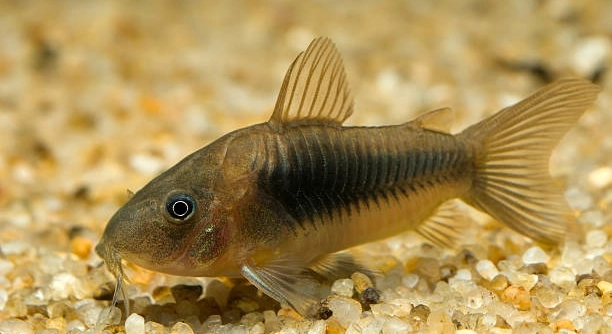
Corydoras catfish are popular for their peaceful nature and helpful role in cleaning aquariums. However, it can be concerning when they aren’t growing as expected. Understanding the causes behind this slowdown can help get your catfish back on track.
The primary reasons your Corydoras catfish may not be growing are inadequate diet, poor water conditions, and stress. These factors can significantly hinder their growth and overall health. Addressing these issues will improve their development and longevity.
With a few changes, you can provide your Corydoras with a better environment to grow and thrive. Let’s explore practical fixes to support their healthy growth.
Inadequate Diet Can Stunt Growth
A proper diet is essential for the healthy growth of Corydoras catfish. If they’re not getting the right nutrients, their growth can slow down or even stop entirely. Corydoras are omnivores, meaning they need a balanced diet consisting of both plant and animal-based foods. A common mistake is feeding them only one type of food, which can lead to nutritional deficiencies. It’s important to provide a mix of high-quality pellets, frozen or live foods like bloodworms, and some plant matter.
Without this variety, your Corydoras may not have the proper nutrients to grow at a healthy rate. Too much of one thing can also lead to obesity or poor health. This means you should rotate between different food types and pay attention to the amount you’re feeding. Overfeeding can also be a problem, leading to water quality issues.
Consider offering different foods like algae wafers, brine shrimp, and blanched vegetables. By diversifying their meals, your catfish will receive the nutrition they need for growth.
Water Quality Affects Growth
Water quality plays a critical role in the health of Corydoras catfish. Poor water conditions can lead to stress and stunted growth. Regular water changes and maintaining stable parameters, such as temperature, pH, and hardness, are crucial.
Water that is too acidic or too hard can prevent your fish from reaching their full potential. Corydoras thrive in soft, slightly acidic water, with a temperature range of 72°F to 78°F. Any significant fluctuation in temperature or pH can cause unnecessary stress, which hinders growth. Ensure you are testing your tank water regularly and adjust as needed.
To support optimal growth, it’s essential to maintain clean water by using a good filtration system and performing regular water changes. Poor water conditions can lead to diseases and affect the overall well-being of your catfish, preventing them from reaching their maximum size.
Stress Can Delay Growth
Stress is one of the most overlooked factors when it comes to stunted growth in Corydoras catfish. Whether it’s due to overcrowding, aggressive tank mates, or improper tank setup, stress can have serious effects on their development. Corydoras are peaceful fish, and they need a calm, stable environment to thrive.
High stress levels can cause Corydoras to become lethargic, eat less, and grow slowly. Overcrowding is a common issue, especially if your tank is too small for the number of fish you’re keeping. Aggressive tank mates can also stress them out, particularly if they are constantly being chased or nipped at.
Creating a peaceful tank environment with enough space for each fish to swim comfortably will reduce stress and encourage growth. Avoid aggressive species, and make sure your Corydoras have plenty of hiding spots to retreat to when they feel threatened.
Inadequate Tank Size
The size of the tank plays a big role in the growth of your Corydoras. If they’re living in a tank that’s too small, it can restrict their movement and lead to stress. Corydoras catfish are bottom dwellers and require a large space to swim and forage. A tank that’s too cramped will make it harder for them to find food and feel safe.
A small tank can also lead to water quality issues since it’s harder to maintain stable conditions in a confined space. With limited space, the filtration system may not be as effective, leading to an accumulation of waste and toxins. This poor water quality can further hinder their growth.
To ensure your Corydoras grow properly, make sure they have plenty of room to move. A tank size of at least 20 gallons is recommended for a small group of Corydoras. The more space they have, the better their chances of growing to their full size.
Temperature and Environment Stability
Temperature fluctuations can negatively affect Corydoras catfish, preventing them from growing properly. Corydoras are tropical fish and need stable, warm temperatures to stay healthy. Sudden drops or increases in temperature can cause stress, which in turn impacts their growth.
Maintaining a consistent temperature between 72°F and 78°F is ideal for these catfish. It’s a good idea to use a reliable aquarium heater and thermometer to ensure the tank stays within this range. Temperature instability can weaken their immune system, making them more susceptible to diseases and slowing their growth rate.
Besides temperature, the overall environment should be peaceful and well-maintained. Adding plants, caves, and soft substrate will allow your Corydoras to feel more secure. This setup helps reduce stress, which is essential for their health and growth.
Overfeeding Can Harm Growth
Overfeeding is a common mistake that many fish owners make. While it’s tempting to give your Corydoras a lot of food, too much can cause digestive issues and poor water quality, both of which can hinder growth.
When overfed, Corydoras can struggle with bloating, which may prevent them from swimming properly and foraging for food. Additionally, leftover food decays in the tank, creating toxins that affect water quality. High ammonia and nitrite levels can stress your fish and slow their development.
To avoid overfeeding, only give your Corydoras what they can eat in a few minutes. Remove any uneaten food to maintain water quality and prevent excess waste. This helps support their healthy growth.
Lack of Proper Filtration
Without a good filtration system, the water in your aquarium can quickly become polluted with waste, which leads to poor water conditions. Corydoras require clean water for optimal growth and health. If the tank has inadequate filtration, toxins like ammonia and nitrites build up, stunting their growth.
A good filter will keep the water clean and help circulate oxygen, which is essential for Corydoras. When choosing a filter, ensure it’s suitable for the size of your tank. It should provide efficient filtration without being too strong, as Corydoras prefer gentle water flow.
Regular maintenance of the filter and checking water quality are crucial for supporting their growth. Without proper filtration, your Corydoras will likely suffer from stunted growth, disease, and other health issues.
Tank Maintenance Is Key
Regular tank maintenance is essential to support your Corydoras’ growth. Keeping the tank clean and checking water parameters frequently will help create a healthy environment. If the tank is neglected, waste and debris can build up, leading to poor water conditions.
In addition to regular water changes, it’s important to clean the tank decorations, substrate, and filter. Accumulated waste can affect both water quality and your fish’s ability to grow. Pay attention to the temperature and pH levels as well, ensuring they are within the ideal range for Corydoras.
By maintaining a clean and stable environment, you provide the best possible conditions for your Corydoras to thrive and grow.
Incompatible Tank Mates
Some tank mates may cause stress or even harm your Corydoras, ultimately affecting their growth. Aggressive or overly active fish can intimidate or injure your Corydoras, leading to stress and poor health.
It’s best to house Corydoras with peaceful, calm fish species. Avoid keeping them with large, territorial fish that may bully or chase them. Too much competition for food can also prevent Corydoras from getting enough nutrition.
Ensure that your tank mates are compatible with Corydoras. Peaceful species, such as small tetras or rasboras, are ideal. This will reduce stress and promote better growth for your catfish.
Insufficient Oxygen Levels
Corydoras need adequate oxygen in the water to grow properly. If the oxygen levels are too low, they may become lethargic and unable to reach their full growth potential. Proper oxygenation supports their metabolism and overall health.
Make sure your aquarium has proper aeration to keep oxygen levels high. Use an air pump or sponge filter to improve oxygen flow, especially if your tank is densely stocked. Without enough oxygen, Corydoras will struggle to thrive, leading to stunted growth and weak immune systems.
Wrong Substrate Type
The type of substrate in your tank affects your Corydoras’ ability to forage and feel comfortable. Corydoras are bottom dwellers and prefer soft, fine sand or smooth gravel.
Sharp or large gravel can injure their sensitive barbels, affecting their ability to search for food. A substrate that’s too rough can also trap uneaten food, leading to poor water quality. By using soft sand or smooth gravel, you allow your Corydoras to forage naturally and reduce the risk of injury.
Inconsistent Feeding Schedule
Corydoras thrive on a consistent feeding schedule. Irregular feeding can lead to stress, as they may not know when to expect their next meal. Inconsistent feeding may also cause them to overeat at times, which can harm their digestion.
A regular, controlled feeding routine ensures your Corydoras stay healthy and grow at the right pace. Feed them small amounts two to three times a day, making sure they eat all the food within a few minutes.
FAQ
Why isn’t my Corydoras catfish growing as expected?
There are several reasons why your Corydoras may not be growing as expected. Common factors include poor water quality, incorrect tank size, inadequate diet, stress, or unsuitable tank mates. If any of these issues are present, they can hinder the proper growth of your fish. Regular water changes, providing a balanced diet, and reducing stressors are essential for encouraging healthy growth.
How can I improve the growth of my Corydoras catfish?
To improve the growth of your Corydoras, focus on their diet, water conditions, and overall environment. Feed them a varied diet of high-quality pellets, live or frozen foods, and some plant-based options. Ensure your water parameters (temperature, pH, and hardness) are optimal, and maintain clean water with proper filtration. Minimize stress by providing a peaceful tank with compatible tank mates.
What is the ideal water temperature for Corydoras catfish?
The ideal temperature for Corydoras catfish ranges between 72°F and 78°F (22°C to 25°C). Water temperatures outside this range can cause stress, weaken their immune system, and slow their growth. Keeping the tank temperature stable is crucial for their health.
Can Corydoras catfish grow in a small tank?
While Corydoras can survive in smaller tanks, they thrive best in larger aquariums. A tank that is at least 20 gallons is recommended for a small group of Corydoras. Overcrowding in a small tank can lead to poor water quality, stress, and hinder their growth. More space allows for better water circulation and a healthier environment.
How often should I feed my Corydoras catfish?
Feed your Corydoras catfish two to three times per day, offering only as much food as they can eat within 2-3 minutes. Avoid overfeeding, as excess food can lead to water quality issues and digestive problems. It’s essential to maintain a consistent feeding schedule for optimal health and growth.
What do Corydoras catfish eat?
Corydoras catfish are omnivores, meaning they need both plant and animal-based foods. Offer a variety of foods such as high-quality sinking pellets, bloodworms, brine shrimp, and occasional blanched vegetables. They also graze on algae and detritus in the tank, so make sure they have access to both animal protein and plant matter.
Can Corydoras grow in hard water?
Corydoras catfish prefer soft to slightly acidic water, with a pH of around 6.5 to 7.0. Hard water, especially with a high mineral content, can stress them out and affect their growth. It’s important to test and adjust the water’s hardness to meet their needs. Softening the water can help them thrive and grow properly.
What is the best substrate for Corydoras catfish?
The best substrate for Corydoras catfish is fine, soft sand. Corydoras have sensitive barbels, which they use to sift through the substrate in search of food. Sharp or rough gravel can injure their barbels, leading to infection or difficulty finding food. Soft sand is the safest and most natural choice for them.
Are Corydoras catfish social fish?
Yes, Corydoras catfish are social creatures that prefer to live in groups. It’s best to keep at least three or more Corydoras together to avoid stress and encourage natural behaviors. A group also allows them to feel more secure, which helps reduce stress and promote healthy growth.
How can I reduce stress for my Corydoras catfish?
To reduce stress, ensure your Corydoras are housed with peaceful tank mates. Avoid aggressive or overly active species. Provide hiding spots with plants or caves where they can retreat when they feel threatened. Maintaining stable water conditions and a regular feeding routine also helps keep them calm.
Can Corydoras catfish grow in a heavily planted tank?
Yes, Corydoras catfish can thrive in a heavily planted tank. Plants provide hiding spots and create a more natural environment. However, it’s important to ensure that the plants do not overcrowd the tank and reduce swimming space for your Corydoras. Having a well-planted tank with open swimming areas is ideal.
Why do my Corydoras catfish stay at the bottom of the tank?
Corydoras are bottom-dwelling fish, so it’s completely normal for them to stay at the bottom of the tank. They are scavengers and spend most of their time foraging for food along the substrate. As long as they are healthy, active, and eating properly, staying at the bottom is not a cause for concern.
How do I know if my Corydoras catfish are stressed?
Signs of stress in Corydoras catfish include hiding more than usual, loss of appetite, rapid breathing, or abnormal swimming behavior. If your fish are constantly swimming erratically, staying in one spot, or appear lethargic, it may indicate stress due to poor water conditions, aggression from tank mates, or improper environmental factors.
Can I add more Corydoras catfish to my tank?
You can add more Corydoras catfish to your tank as long as the tank is large enough to accommodate them. Ideally, you should keep them in groups of at least three to five. Adding too many can lead to overcrowding and affect the water quality, so ensure your tank is sufficiently spacious.
How long do Corydoras catfish live?
Corydoras catfish typically live for 5 to 10 years with proper care. Their lifespan can vary depending on water quality, diet, and overall tank conditions. Maintaining a healthy environment will help your Corydoras reach their full lifespan and grow to their maximum size.
Do Corydoras catfish need a filter?
Yes, Corydoras catfish need a filter to maintain clean water in the tank. A good filtration system helps remove waste and keeps water parameters stable. Make sure to choose a filter that is suitable for your tank size and doesn’t produce a strong current, as Corydoras prefer calm waters.
Final Thoughts
Corydoras catfish are relatively easy to care for, but their growth can be affected by a variety of factors. Ensuring they have a proper diet, good water quality, and a stress-free environment is key to helping them thrive. When one of these aspects is neglected, it can lead to stunted growth or even health problems for your fish. Regular monitoring and adjustments to the tank setup can go a long way in supporting their development.
It’s also important to remember that Corydoras are social fish. Keeping them in groups will not only reduce stress but also allow them to engage in natural behaviors. A peaceful environment with compatible tank mates is crucial for their well-being. Corydoras are bottom dwellers and prefer to have enough space to swim and forage for food, so make sure the tank is large enough to accommodate them comfortably.
By following the recommended guidelines for diet, water conditions, and tank setup, you can help your Corydoras reach their full potential. It may take time, but with patience and care, your fish will grow healthy and strong. If you encounter any issues along the way, addressing them quickly can prevent long-term problems and ensure that your Corydoras continue to thrive in their aquatic home.

Hello,
If you enjoy the content that we create, please consider saying a "Thank You!" by leaving a tip.
Every little bit helps us continue crafting quality advice that supports the health, happiness, and well-being of pets around the world, for pets of all shapes, sizes, and species.
We really appreciate the kindness and support that you show us!