
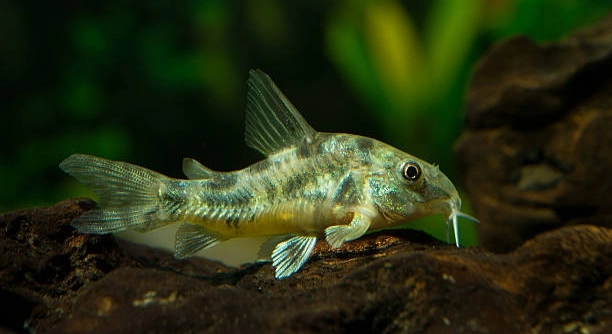
Are your Corydoras catfish always hanging out in one corner of the tank instead of swimming around like you expected them to? It can be a bit confusing when they don’t explore the whole space.
The main reason your Corydoras catfish won’t use the whole tank is poor tank conditions. Factors like water flow, substrate type, lighting, and hiding spots all play a role in where they feel comfortable and safe.
Understanding their needs will help you create an environment where they feel at ease and can move around freely without stress.
The Tank Setup Isn’t Right for Them
Corydoras catfish are bottom dwellers and need a tank that suits their natural behavior. If the substrate is rough or sharp, they may avoid moving around too much to protect their barbels. A soft, sandy bottom is ideal for their comfort and safety. Water flow also affects them—strong currents can stress them out, causing them to stay in calmer areas. Poor lighting or a lack of hiding places can make them feel unsafe, and they’ll stick to covered or shaded spots. Decorations that block pathways can also limit their movement. A well-arranged tank helps them feel more secure and active.
A crowded or cluttered tank can discourage your Corydoras from exploring. They like open space to move freely.
To help your Corydoras feel safe and active, try using soft sand and placing decorations in a way that creates both shelter and open paths. Avoid bright lights, and make sure the current isn’t too strong. A calm, stable tank will help them feel comfortable enough to use the whole space. With a few adjustments, they’re more likely to be seen moving around happily rather than hiding in one corner all the time.
They Don’t Like the Tank Mates
Aggressive or overly active tank mates can make Corydoras feel uneasy. These peaceful fish prefer a calm environment.
If they’re kept with fish that chase or nip at them, they’ll naturally avoid the areas those fish dominate. Fast-moving species, even if not aggressive, can startle Corydoras into staying hidden or in just one section of the tank. Schooling fish that dart around constantly might stress them out, especially if the Corydoras feel they can’t rest undisturbed. It’s best to house them with other gentle, bottom-dwelling species or peaceful mid-to-top dwellers that don’t interfere with their space. Corydoras also thrive in groups of their own kind, so keeping at least six together helps them feel more secure and confident. When they feel safe, they’re much more likely to explore the tank fully and display their natural behaviors, such as digging through the sand or swimming in little spurts together.
The Water Parameters Are Off
If the water quality isn’t right, Corydoras may avoid exploring. Poor conditions can make them sluggish or cause stress, and they’ll stick to small areas where they feel safest.
Ammonia, nitrite, and high nitrate levels are harmful to Corydoras. These fish are sensitive and need clean, stable water. A pH that’s too high or too low can also cause discomfort. Sudden changes in temperature or hardness can stress them, making them less active. Regular testing helps you catch problems early. Keeping the temperature between 72°F and 78°F, and pH between 6.0 and 7.8, supports their health. Always treat tap water properly and avoid overfeeding to prevent waste buildup. A good filter and consistent maintenance can go a long way in creating a healthy space they’ll feel good exploring.
Even if your tank looks clean, water issues might still be present. Uneaten food and waste can quickly cause a buildup of harmful substances. Corydoras, being bottom feeders, are more exposed to poor substrate conditions. Regular vacuuming of the substrate and partial water changes each week can make a big difference. Also, avoid adding chemicals or medications unless absolutely necessary—they can mess with water balance. When your water conditions stay consistent and within safe ranges, your Corydoras will feel less stressed and more likely to explore the tank without hesitation.
The Tank Is Too Small
Corydoras need enough space to feel comfortable and move around. A small tank can make them feel cramped, reducing their natural behavior.
A small tank limits swimming space and increases stress. These fish enjoy scooting along the bottom and moving together in small groups. In a tight tank, there’s not enough room for this, and they may end up huddled in corners. Limited space also means more waste builds up quickly, lowering water quality faster. A 20-gallon tank or larger is ideal, especially if you’re keeping a group of six or more. Space gives them the chance to swim, forage, and feel secure. A tank that’s too short in length doesn’t allow them to roam as they naturally would. The layout also matters—use the footprint wisely and avoid overcrowding with decorations or too many tank mates. A roomy, clean tank lets them show their true personality.
They’re Not in a Big Enough Group
Corydoras are social fish and do best in groups of at least six. When kept alone or in pairs, they can become shy and inactive.
Without enough of their own kind around, they may not feel secure enough to explore. A proper group helps them feel safe and more playful.
They’re Not Comfortable With the Lighting
Corydoras prefer dim or soft lighting. Bright lights can make them feel exposed, especially in tanks with little cover. When lighting is too intense, they’ll stick to darker corners or under decorations to hide. Adding floating plants or adjusting the brightness helps create a space where they’ll feel more at ease and active.
They’re New to the Tank
Corydoras need time to adjust to a new environment. During the first few days or even weeks, they may stay in one area as they get used to the space and settle in.
FAQ
Why do my Corydoras only swim in one area of the tank?
Corydoras may limit their movement to one area due to stress or a lack of comfort. Common causes include poor water quality, unsuitable tank mates, insufficient hiding spots, or strong water currents. When they feel insecure or uncomfortable, they’ll choose a familiar corner where they feel safe. Checking water parameters and ensuring that your tank is peaceful, with soft lighting and a sandy bottom, will encourage them to move around more. Make sure their environment meets their needs so they feel confident enough to explore.
How can I help my Corydoras feel more comfortable?
To make your Corydoras feel more comfortable, focus on creating a calm and safe environment. Use soft sand as the substrate to avoid harming their sensitive barbels. Add hiding spots, such as caves or plants, to give them places to retreat when they feel stressed. Ensure that the lighting is soft, and the water flow is gentle. Also, keeping them in a group of at least six will help them feel secure, as they are naturally social and thrive in schools. Regular water changes and a good filtration system are also essential for maintaining a healthy environment.
Can Corydoras live with other types of fish?
Yes, Corydoras can live with a variety of peaceful fish. Avoid keeping them with aggressive or overly active species that may stress them out. Best tank mates are other peaceful, bottom-dwelling fish or peaceful species that stay near the top or middle. Species like guppies, tetras, and small livebearers usually do well with Corydoras. It’s important that the tank is not overcrowded, as that can increase stress. Always observe their behavior to ensure they are getting along with other fish.
What’s the ideal tank size for Corydoras?
Corydoras need a tank of at least 20 gallons for a group of six or more. A small tank can limit their movement and make them feel cramped. Larger tanks offer more space for swimming and foraging, which will keep them active and healthy. A larger tank also makes it easier to maintain stable water conditions. The more space they have, the better their chances of feeling secure and happy, leading to more natural behavior like swimming across the tank.
Do Corydoras need a heater in the tank?
Yes, Corydoras are tropical fish and need warm water to thrive. The ideal temperature for them is between 72°F and 78°F (22°C–26°C). A heater ensures the water stays within this range, preventing temperature fluctuations that could stress them. Always check the water temperature regularly to make sure it’s consistent, as Corydoras can become inactive or even sick in water that’s too cold or too hot.
What type of water do Corydoras prefer?
Corydoras prefer slightly acidic to neutral water, with a pH range of 6.0 to 7.8. They also prefer soft to moderately hard water. It’s important to monitor the hardness and pH levels to ensure they’re within this range. Regular testing of the water helps you maintain these parameters. Using a water conditioner to remove chlorine or chloramine from tap water can prevent any adverse effects on your fish. Corydoras are sensitive to poor water quality, so keeping the tank clean and performing regular water changes is essential.
Can Corydoras live with snails?
Yes, Corydoras can live with snails. They are peaceful bottom dwellers and will not typically bother snails. In fact, snails can help keep the tank clean by eating algae and leftover food. However, larger snails may compete for space in the tank, so make sure there’s enough room for both. Avoid aggressive snails or species that might outcompete Corydoras for food. If you have a snail problem, be sure to monitor their populations to avoid overpopulation in your tank.
Why aren’t my Corydoras eating?
If your Corydoras aren’t eating, it could be due to a few different reasons. First, check if the water conditions are ideal, as poor water quality can cause them to lose their appetite. Additionally, stress from tank mates, too much light, or lack of hiding spaces could also reduce their feeding. Corydoras may also be picky eaters; they prefer sinking pellets, frozen or live foods like bloodworms, and small pieces of vegetables. If they’re not eating after a few days, consider testing the water and adjusting the environment to make them feel more comfortable.
Are Corydoras active at night?
Corydoras are generally more active during dawn and dusk, though they may also forage during the night if they feel comfortable. These catfish are nocturnal to some degree and may come out to explore when the tank is quieter. However, if they’re not moving much at night, it could be a sign that something in the tank is stressing them, such as poor water quality or aggressive tank mates. Keeping the tank environment stable and secure encourages them to be more active throughout the day and night.
How often should I feed my Corydoras?
Corydoras should be fed once or twice a day. Overfeeding can cause water quality issues, so it’s important to provide only what they can eat within a few minutes. A balanced diet is key, with a combination of sinking pellets, live or frozen foods like brine shrimp, and occasional vegetables such as zucchini. These fish are scavengers, so they will happily eat leftover food from other tank mates, but it’s important not to rely on that alone. Keep their feeding consistent to ensure they get enough nutrition without overfeeding.
Final Thoughts
Corydoras catfish are peaceful, social fish that thrive in the right environment. If you’ve noticed that your Corydoras aren’t exploring the whole tank, it could be due to a variety of factors. Water quality, tank size, tank mates, and the setup of the tank itself all play a part in their comfort and activity level. These fish are naturally curious and love to swim and explore, but only if they feel safe and secure. When their environment is not suited to their needs, they are more likely to stay in one spot, often near the bottom or in corners where they feel protected.
Making a few adjustments can encourage your Corydoras to move around more freely. First, check the water parameters and make sure they are within the optimal range. Clean water is essential for Corydoras to stay healthy and active. You should also focus on creating a tank layout that provides open swimming spaces along with plenty of hiding spots for when they need a break. Soft, sandy substrates and gentle water flow will also make a big difference. Adding a few more Corydoras to the tank can help them feel more comfortable, as these fish are social creatures that thrive in groups.
It’s important to be patient with your fish as they adjust to their environment. Sometimes it takes time for Corydoras to settle in, especially if they’re new to the tank or if any changes have been made. By ensuring that the conditions are ideal and that they have plenty of space and companions, you’ll give your Corydoras the best chance to explore the tank and show their natural behavior. A little effort in making these adjustments will go a long way in keeping your Corydoras happy and healthy.

Hello,
If you enjoy the content that we create, please consider saying a "Thank You!" by leaving a tip.
Every little bit helps us continue crafting quality advice that supports the health, happiness, and well-being of pets around the world, for pets of all shapes, sizes, and species.
We really appreciate the kindness and support that you show us!