
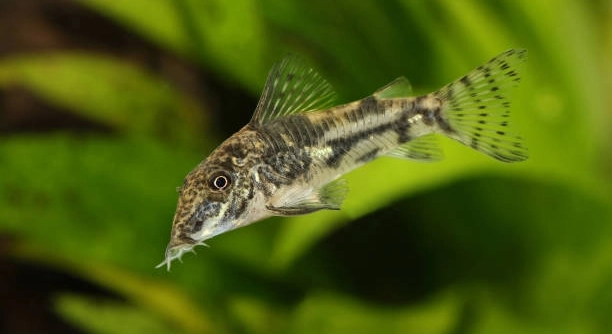
Is your Corydoras catfish always swimming in the corner, making you wonder if something might be wrong with its tank setup?
Corydoras catfish often swim in the corner due to stress, poor water conditions, tank mates, or lack of stimulation. These behaviors may also stem from natural habits, breeding behavior, or searching for food in familiar spaces.
Understanding these reasons can help improve your catfish’s well-being and create a more balanced and comfortable aquarium environment.
Poor Water Quality
When Corydoras catfish swim in a corner, poor water quality is often to blame. These fish are sensitive to toxins like ammonia, nitrite, and high nitrate levels. If the tank hasn’t been cleaned regularly or if the filter isn’t working properly, it can quickly affect their behavior. They may seek out a small, stable area where they feel slightly safer or less stressed. Test the water weekly and make sure parameters stay within the right range. Aim for ammonia and nitrite at 0 ppm, and nitrates below 20 ppm. Frequent water changes, ideally 25–30% weekly, help prevent this problem. Also, avoid overfeeding, as uneaten food can decay and affect water conditions. A high-quality sponge filter can improve oxygen flow, which Corydoras love. When water quality improves, you’ll often notice a change in behavior right away. They become more active, social, and less likely to hide in corners.
Keep up with maintenance so they can feel safe and comfortable.
Clean, oxygen-rich water keeps Corydoras healthy and encourages natural swimming patterns and interactions with other tank mates.
Stress from Tank Mates
Aggressive or overly active tank mates can stress your Corydoras catfish.
These bottom-dwellers are peaceful and thrive with gentle species. When housed with fast or territorial fish, they may retreat to corners or remain hidden most of the time. This behavior is a sign they don’t feel safe. Fish like barbs or large cichlids may chase or outcompete them for food, making feeding times stressful. Consider choosing calm companions like small tetras, rasboras, or other peaceful bottom feeders. Corydoras also feel safer in groups of their own kind, so aim for at least six in a group. Rearranging tank decor can help break line of sight and reduce dominance from other fish. Providing plenty of hiding spots with plants, caves, or driftwood will also offer safe areas. If behavior doesn’t improve after adjusting tank mates or environment, it might be necessary to rehome more aggressive species for the well-being of your Corydoras.
Lack of Hiding Spots
Corydoras need secure areas to rest and feel protected. Without enough hiding spots, they may stick to corners where they feel less exposed. A bare tank can leave them feeling stressed and unsettled.
Adding plants, caves, and driftwood can change their behavior for the better. These fish appreciate having places to tuck into during the day. Even artificial decorations can offer comfort if placed thoughtfully. Spread hiding spots throughout the tank instead of bunching them up, so your Corydoras have options. Avoid sharp objects that could damage their delicate barbels. Use soft substrates like sand to keep their undersides safe and encourage natural foraging. When they feel secure, they’re more likely to explore openly and interact with each other. A well-decorated tank supports both their health and their natural instincts, helping them feel more at home and less drawn to one quiet corner all day.
Hiding spaces also help reduce tension caused by other tank mates. If Corydoras feel chased or overstimulated, a tucked-away plant or shaded corner can act as a temporary escape. The more they know there are safe zones, the more confident they become in navigating the tank. This balance encourages healthier, more relaxed behavior throughout the day.
Searching for Food
Corydoras are bottom scavengers and often explore corners while looking for leftover food. This foraging is normal unless it becomes obsessive or happens only in one area repeatedly.
They use their barbels to sift through the substrate for bits of uneaten food. If you feed floating pellets or flakes, your Corydoras may not get enough. Over time, they may resort to patrolling one corner where food occasionally collects. Switch to sinking pellets or wafers designed for bottom feeders to ensure they’re getting their share. Scatter food across the bottom instead of in one spot to prevent competition. It’s also helpful to watch their feeding habits—if only top-dwelling fish are eating, the Corydoras may be missing out. Consider feeding when the lights are dim or using a feeding ring that drops food to the floor. Balanced nutrition supports better energy levels and even improves color and social behavior.
Breeding Behavior
Sometimes, corner swimming is related to spawning activity. Corydoras may gather near surfaces like glass or leaves to prepare for laying eggs. This behavior is more likely if you notice frequent chasing or nudging between them.
Breeding often happens after a water change or shift in temperature. If the corner activity includes circling or nudging motions, it may just be part of their mating routine. Providing flat surfaces like broad leaves or tank walls will encourage safer spawning if they’re ready. Watching for patterns helps tell breeding behavior apart from stress.
Strong Water Flow
Strong currents can push Corydoras into corners where the flow is calmer. They prefer gentle water movement to forage and rest comfortably. A filter that’s too powerful may leave them seeking shelter in quiet spots. Adjust the flow using a spray bar or sponge filter for better comfort.
Natural Behavior
Corydoras sometimes rest or gather in corners simply out of habit. They’re social fish that feel safer in groups, and certain tank areas may just feel more secure to them. As long as they’re eating well and not showing stress, it’s usually nothing to worry about.
FAQ
Why is my Corydoras constantly swimming against the glass in the corner?
This behavior often points to stress or discomfort. It can happen if the tank is too small, if water quality is poor, or if they feel unsafe. Check for high ammonia or nitrite levels, as these can cause irritation. Make sure the tank has enough hiding places, calm water flow, and that your Corydoras have tank mates that aren’t aggressive. If they’re kept alone or in too small of a group, they may also act unsettled. Corydoras are social and need a group of at least five or six to feel secure and behave normally.
Can Corydoras be happy in a bare-bottom tank?
They can survive, but they’re not likely to thrive. Corydoras naturally sift through soft substrate to forage for food. In a bare-bottom tank, they lose that activity. It can lead to boredom and more pacing or corner-swimming behavior. Plus, their barbels are sensitive, and rough or hard surfaces can lead to injuries. A better choice is a fine sand substrate. It’s easier on their barbels and encourages natural scavenging. If you do need a bare-bottom tank for specific reasons like breeding or quarantine, make sure to add lots of hiding spots and feed them properly with sinking food.
Is it normal for Corydoras to stay in one corner all day?
It’s not ideal. While Corydoras do rest occasionally, staying in one corner all day might mean something’s wrong. It could be stress, poor water quality, or boredom. Observe their breathing—if it seems fast or labored, that’s a sign of stress. Also, take note of tank mates. If they’re being chased or bullied, they may stay hidden. Check for water issues, test ammonia, nitrites, and nitrates, and make sure they’re not dealing with temperature swings. If the rest of the tank looks good, adding more companions and improving tank layout might help encourage them to explore more.
What kind of tank mates stress Corydoras out?
Fast or aggressive fish can make Corydoras nervous. Species that nip, chase, or outcompete them for food can create stress. Avoid keeping them with large cichlids, barbs known for fin-nipping, or very active swimmers like danios that dominate the mid and lower sections of the tank. Ideal companions are peaceful fish like tetras, rasboras, or other calm bottom dwellers. Corydoras prefer a quiet environment with enough space to forage without being disturbed. Tank mates that respect their space and feeding time allow them to stay active and relaxed, reducing unwanted behaviors like corner swimming.
Do Corydoras get bored in their tank?
Yes, they can. While they’re not as interactive as some other species, Corydoras still benefit from mental stimulation. If the tank is too bare or lacks variety, they may spend time aimlessly swimming or hiding in corners. Simple additions like live plants, driftwood, or rearranging decorations occasionally can help. A group of six or more keeps them socially engaged. Feeding them a variety of foods and scatter-feeding also mimics natural behavior. When they’re mentally stimulated, they explore more, interact with each other, and show healthy activity levels throughout the day.
Is corner swimming a sign of illness?
Sometimes. If it’s paired with other signs like clamped fins, rapid breathing, or color loss, illness may be the cause. Internal parasites, bacterial infections, and poor water conditions can all trigger this behavior. Pay close attention to their overall appearance. If one fish is affected and others are normal, isolate and observe it. Keep water clean and stable. Treat only after confirming the issue—adding medications without a clear cause can sometimes worsen things. A healthy Corydoras should be active, curious, and show interest in food. When something’s off, corner behavior is usually just one of many signs.
How can I encourage my Corydoras to explore more of the tank?
Start by improving their environment. Use soft sand as substrate, and scatter hiding spots evenly around the tank. Feed sinking pellets or wafers, and spread them out to draw your Corydoras across different areas. Keep them in groups of at least six to reduce shyness. Make sure the water current isn’t too strong, as that can restrict their movement. Regular maintenance and stable water conditions also play a big role. If all of their basic needs are met, they’ll feel confident and begin using the whole tank rather than sticking to just one spot.
Final Thoughts
If your Corydoras catfish keeps swimming in the corner, there’s usually a reason behind it. This behavior is often linked to stress, boredom, or discomfort with their surroundings. While it might seem harmless at first, repeated corner swimming should be taken seriously. Corydoras are active bottom dwellers that enjoy foraging and socializing. When something in their tank environment doesn’t feel right, they may isolate themselves or act restless. Paying attention to their behavior and making small changes can lead to noticeable improvements in how relaxed and engaged they become.
Water quality is one of the most important things to check. Even slight changes in ammonia, nitrites, or pH can affect how your fish behave. Regular testing, consistent cleaning, and proper filtration help keep their environment stable. Tank size also plays a big role. A small or crowded tank can make fish feel trapped or uneasy. Corydoras do best when they have enough room to swim, rest, and explore at their own pace. A group of at least six is ideal for keeping them comfortable and socially active. When they’re in a healthy environment, they’re much more likely to behave normally.
Think about how the tank is set up too. A good layout with soft substrate, hiding spots, and gentle water flow makes a big difference. Avoid sharp decorations or strong filters that might scare or injure them. Give them places to rest but also room to move freely. Keep tank mates peaceful and calm, and make sure everyone is getting enough food. Feeding variety, such as sinking pellets, frozen bloodworms, and occasional live food, keeps things interesting for your Corydoras. Observing them closely and making adjustments over time will help you figure out what works best for your setup. Even small changes can help your fish feel safer and more at ease. When everything is in balance, your Corydoras will act naturally, spending more time exploring the whole tank instead of hiding away in a corner.

Hello,
If you enjoy the content that we create, please consider saying a "Thank You!" by leaving a tip.
Every little bit helps us continue crafting quality advice that supports the health, happiness, and well-being of pets around the world, for pets of all shapes, sizes, and species.
We really appreciate the kindness and support that you show us!