
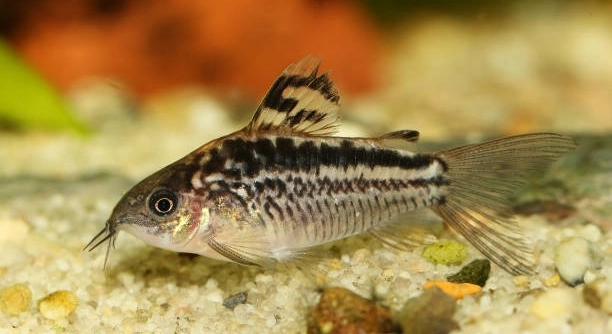
Are your shrimp constantly hiding or going missing when housed with other peaceful fish in your aquarium setup? You’re not alone in wondering how compatible these two popular species really are.
Corydoras catfish can live with shrimp, but there are important considerations. While Corydoras are peaceful and bottom-dwelling, shrimp can still be at risk if conditions aren’t ideal. Monitoring space, hiding spots, and feeding habits is essential.
Proper planning can help both species live safely, but there are key things to watch for that could affect their survival.
What to Expect When Keeping Corydoras with Shrimp
Corydoras catfish and shrimp can often share a tank without serious problems, but it depends on your tank’s setup and the personalities of your fish. Corydoras are peaceful bottom-dwellers that usually don’t show interest in hunting. However, shrimp—especially babies—can become accidental snacks if they wander too close during feeding time. To lower this risk, provide plenty of hiding spots using plants, moss, and decorations. Shrimp feel safer when they can retreat, and Corydoras benefit from cover too. Keeping both species well-fed and comfortable reduces conflict. Always monitor your tank closely after introducing new animals. Compatibility may vary from one aquarium to another.
A well-planted tank with lots of cover gives shrimp a better chance to thrive, even with active Corydoras present.
Use a soft substrate to protect Corydoras’ barbels, and make sure your shrimp have constant access to food and shelter. Balanced feeding keeps both species calm.
7 Things to Watch For
Make sure to observe how your Corydoras behave when shrimp are introduced, especially during feeding and hiding times.
- Shrimp Fry Disappearing: Baby shrimp are often mistaken for food by curious Corydoras. This doesn’t mean they’re aggressive, just opportunistic. A thick layer of moss or fine-leaf plants will help baby shrimp hide until they’re big enough to be safe.
- Crowded Tank Conditions: When space is limited, shrimp may struggle to avoid interaction. A tank of at least 20 gallons with spread-out hiding areas helps both species stay stress-free. Overcrowding leads to competition and increases risks.
- Feeding Habits: Corydoras scavenge constantly. If food lands near shrimp, they may get pushed aside. Offer food in separate areas, and feed sinking pellets for Corydoras while providing algae wafers or shrimp-specific food in hidden spots.
- Water Parameters: Both shrimp and Corydoras prefer stable, clean water. Make sure ammonia and nitrite levels stay at zero. Slightly acidic to neutral pH works well for both.
- Aggressive Tankmates: Even if Corydoras are peaceful, other fish in the tank might stress or eat shrimp. Keep the tank community mellow and shrimp-friendly.
- Molting Vulnerability: Shrimp are vulnerable during molting. Extra cover and a calm tank environment keep them safe while they shed.
- Unbalanced Diets: If shrimp don’t get enough food, they become weak and stressed. Make sure they’re not just eating leftovers—supplement with quality shrimp pellets or blanched veggies.
Creating the Right Environment
Shrimp and Corydoras need stable water conditions, soft substrate, and plenty of cover to feel safe. A peaceful setup helps prevent stress and allows both species to thrive without competition or unwanted encounters during feeding or rest.
Choose fine sand or smooth gravel as your substrate to protect Corydoras’ delicate barbels. Rough gravel can injure them over time. Add dense live plants like Java moss, Anubias, or floating plants for shrimp to hide and explore. These also help maintain water quality by reducing nitrate levels. Use driftwood and rock caves to create shaded areas. Keep lighting moderate and avoid sudden changes. A sponge filter or gentle flow filter is ideal, as it protects shrimp fry and doesn’t disturb Corydoras. Maintain consistent parameters: pH between 6.5 and 7.5, and temperatures around 72–78°F. Frequent small water changes will keep your tank healthy and stable for both species.
Overfeeding can lead to poor water quality and stress. Feed small amounts twice a day, adjusting based on how much food is left after 2–3 hours. Corydoras like sinking pellets, while shrimp will benefit from algae wafers, blanched spinach, or shrimp-specific food. Drop shrimp food near hiding spots to give them access without competition. Monitor leftover food to avoid ammonia spikes. Balanced feeding keeps your tank cleaner and both species satisfied. Keeping everyone well-fed lowers the chances of accidental aggression or stress between species, especially during breeding or molting periods. Observing feeding time helps you spot behavior changes early.
Breeding Considerations
Breeding shrimp in a tank with Corydoras can be tricky. Adult shrimp are usually safe, but their young are vulnerable. Without heavy plant cover or hiding zones, baby shrimp won’t survive long near active Corydoras searching for food along the bottom.
If your goal is to grow a stable shrimp population, consider setting up a breeding tank or sectioning off a planted area with mesh. Dense plants like moss walls and fine-leaf stems give baby shrimp a better chance to hide. Avoid gravel vacuums near these areas to prevent sucking up fry. Once the babies are larger, they can coexist with Corydoras more safely. Make sure your water parameters remain stable during this time, as both shrimp and Corydoras are sensitive to spikes in ammonia or nitrites. Avoid strong filters or fast current, since shrimp fry can get caught. Patience is key—shrimp breed often, but survival depends heavily on safe space.
Feeding Tips for Mixed Tanks
Feed your Corydoras and shrimp separately when possible. Drop sinking pellets in one area and place shrimp food closer to plant cover. This helps reduce competition and keeps everyone fed without stress or confusion during mealtime.
Avoid overfeeding, as uneaten food can harm water quality. Offer small amounts twice daily, and remove any leftovers within a few hours. Monitor how much each species eats and adjust accordingly to maintain a clean and stable tank.
Watching for Signs of Stress
Stress in shrimp or Corydoras can show through hiding more than usual, loss of color, or refusing to eat. Check water parameters, tank mates, and feeding habits regularly to address issues early.
Tank Size and Grouping
Start with at least a 20-gallon tank to give both shrimp and Corydoras enough space. Keep Corydoras in groups of at least six to reduce stress, and allow room for shrimp to spread out and stay hidden when needed.
FAQ
Can Corydoras Catfish Eat Shrimp?
Corydoras catfish typically won’t eat adult shrimp, especially if they are well-fed and have plenty of space. However, baby shrimp can be at risk, particularly in a smaller tank where they can easily get caught in Corydoras’ search for food. Corydoras are scavengers and will nibble on anything small enough to fit in their mouths, so it’s important to ensure that shrimp fry have plenty of hiding spaces like dense plants or caves. Keeping the tank well-fed with plenty of food for both species can reduce the chances of predation.
Can Shrimp Live with Corydoras in a Small Tank?
Shrimp can live with Corydoras in a small tank, but there are challenges. In a smaller aquarium, it may be harder to provide enough hiding spaces for shrimp to escape from Corydoras when they’re feeding. A 10-gallon tank is typically too small for both species to thrive together comfortably. A 20-gallon or larger tank is recommended to give shrimp space to hide and avoid being accidentally eaten. Keeping the water quality high and providing dense plant cover helps create a safer environment for shrimp.
What’s the Best Substrate for Corydoras and Shrimp?
The best substrate for Corydoras and shrimp is fine sand or smooth gravel. Corydoras have delicate barbels that can be damaged by rough gravel, so a softer substrate protects them. Shrimp also prefer fine sand as it allows them to sift through it without injury. Avoid sharp-edged materials like crushed coral or jagged rocks that can harm both species. Fine sand also makes it easier to spot uneaten food and waste, keeping the tank cleaner.
Do Corydoras Catfish Hurt Shrimp?
Corydoras are generally peaceful fish and are unlikely to intentionally harm shrimp. However, if the shrimp are very small, especially during their juvenile stage, they could be mistaken for food. Corydoras may accidentally harm shrimp during feeding, but they do not actively hunt them. Providing plenty of hiding spaces and ensuring that shrimp are well-fed helps reduce the risk of aggression. Keeping the tank environment stable and stress-free also encourages peaceful cohabitation.
How Do I Prevent Corydoras from Eating Shrimp Fry?
To prevent Corydoras from eating shrimp fry, ensure the tank has plenty of hiding spaces like dense plants, moss, and decorations where baby shrimp can take refuge. You can also use a breeding box or mesh to create a separate area for the fry until they grow large enough to be safe. Providing consistent food for both species helps ensure that Corydoras aren’t as interested in targeting shrimp fry. Keep the water parameters stable and avoid overfeeding, as excess food can attract both species to the bottom of the tank.
What Are the Ideal Water Parameters for Corydoras and Shrimp?
Corydoras and shrimp share similar water requirements. A slightly acidic to neutral pH (6.5–7.5) and water temperatures between 72°F and 78°F (22°C–26°C) are ideal. Both species prefer clean, well-oxygenated water with low levels of ammonia and nitrites. Regular water changes (about 20% weekly) help maintain water quality and ensure a healthy environment for both. Use a sponge filter to provide gentle filtration without harming shrimp fry or disturbing the bottom-dwelling Corydoras.
Can Corydoras Live with Other Fish and Shrimp?
Yes, Corydoras can live with many peaceful species, including shrimp. They do well in community tanks with other non-aggressive species. It’s essential to choose tank mates that won’t compete for space or food, and make sure the tank is large enough to accommodate everyone comfortably. Corydoras can coexist peacefully with shrimp, as long as there is enough space and cover. Avoid aggressive or large fish that may stress or harm the shrimp.
How Often Should I Feed Corydoras and Shrimp?
Feed Corydoras and shrimp twice a day, offering small amounts of food that they can consume within 2-3 hours. For Corydoras, sinking pellets or wafers are ideal, as they are bottom-dwellers. Shrimp will benefit from algae wafers, blanched vegetables, or shrimp-specific food. Avoid overfeeding, as excess food can pollute the water and stress both species. Monitor the tank to ensure food isn’t left uneaten for too long, and remove any leftovers to keep the environment clean.
What Are the Best Tankmates for Corydoras and Shrimp?
The best tankmates for Corydoras and shrimp are peaceful, small fish that won’t outcompete for food or space. Species like small tetras, guppies, or rasboras are good options. Avoid larger, aggressive fish or predatory species, as they may harass shrimp or stress Corydoras. Shrimp do well with other peaceful invertebrates, like snails, and will thrive in a tank that offers plenty of hiding spots. The key is to choose non-aggressive fish that allow both species to thrive without conflict.
Can Corydoras and Shrimp Share a Tank Long-Term?
Yes, Corydoras and shrimp can share a tank long-term if the environment is right. A spacious, well-planted tank with stable water parameters is essential for long-term cohabitation. Shrimp should always have enough cover to stay safe from Corydoras, especially when they are young. Regular tank maintenance, including water changes and feeding, is necessary to keep both species healthy. By ensuring plenty of food, space, and hiding places, you can create a peaceful and thriving environment for both Corydoras and shrimp.
Final Thoughts
Corydoras catfish and shrimp can live together successfully in a well-maintained tank. The key to a peaceful coexistence lies in the size of the tank, the number of hiding spots available, and proper care for both species. A 20-gallon tank or larger is recommended, as it provides enough space for both to move around without feeling crowded. Adding plenty of plants, caves, and decorations creates hiding places for shrimp, which helps reduce the risk of them being accidentally eaten. Keeping the water clean and stable is crucial for the health of both species, ensuring a balanced environment where they can thrive.
Feeding is another important factor. Make sure to provide enough food for both Corydoras and shrimp, but avoid overfeeding. Overfeeding leads to water pollution, which can cause stress for both species. It’s best to feed them in separate areas, with sinking pellets or wafers for Corydoras and algae or shrimp-specific food for the shrimp. Regular feeding routines will help ensure they get the nutrients they need without competing for food. Removing any uneaten food after a few hours also keeps the tank clean and prevents water quality issues.
Overall, with the right care and attention, Corydoras and shrimp can live harmoniously. Monitoring their behavior, watching for signs of stress, and maintaining the tank’s cleanliness will help ensure both species are happy and healthy. By creating an environment that suits the needs of both species, you can enjoy the beauty and peace of a tank filled with Corydoras and shrimp.

Hello,
If you enjoy the content that we create, please consider saying a "Thank You!" by leaving a tip.
Every little bit helps us continue crafting quality advice that supports the health, happiness, and well-being of pets around the world, for pets of all shapes, sizes, and species.
We really appreciate the kindness and support that you show us!