
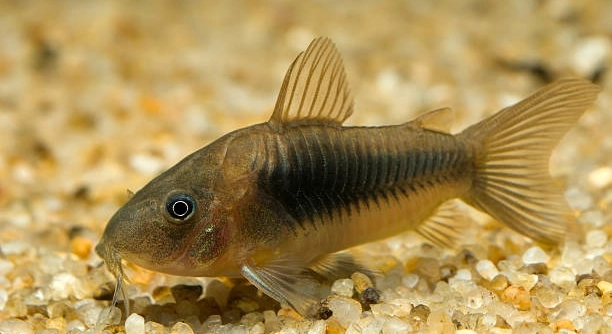
Corydoras catfish are popular aquarium fish known for their peaceful nature and ease of care. Observing their health is important to ensure their well-being. Learning the signs of a healthy fish can help maintain a thriving tank.
To assess the health of your Corydoras catfish, observe their swimming patterns, appetite, and physical condition. Healthy fish are active, have clear eyes, and maintain a balanced posture. Abnormal behavior or physical changes may indicate underlying health issues.
Understanding the basic signs of health will allow you to identify potential problems early and take action to maintain your fish’s well-being.
How to Assess the Behavior of Your Corydoras Catfish
Healthy Corydoras catfish are typically active and social. They tend to swim in schools and are constantly moving about the tank. If your catfish is staying in one spot or swimming in erratic patterns, it may indicate stress or illness. Additionally, a healthy Corydoras will actively search for food, often near the tank bottom. A lack of movement or disinterest in feeding is another red flag. Watch for changes in behavior like hiding for extended periods, as this can signal problems such as poor water quality or a parasite infection.
When monitoring your catfish, observe how it interacts with others in the tank. Corydoras are communal fish and prefer to be with their own kind. If your fish is isolating itself from the group, it might be feeling unwell.
Maintaining a stable environment is key to keeping your fish healthy. They thrive in tanks with consistent water conditions. Poor water quality can lead to stress, affecting their behavior and overall health. Regular water changes and appropriate filtration help ensure a safe environment for them to stay active and healthy.
Examining the Physical Condition of Your Corydoras
A healthy Corydoras catfish has smooth scales and clear eyes. The skin should be free from sores, lesions, or discoloration. Keep an eye on the fins, as they should be intact and spread out while swimming. Any visible damage to the fins or skin can indicate injury or disease.
Physical abnormalities, such as bloating or sunken sides, suggest potential internal health issues. Regularly check for any changes in their appearance. If something seems off, a closer inspection might be necessary. Even small changes can be early indicators of underlying issues.
Importance of Consistent Feeding Habits
Feeding is an essential part of keeping your Corydoras healthy. They are scavengers, naturally feeding on algae, leftover fish food, and other organic matter. It’s important to feed them high-quality food that meets their dietary needs. Offering them a variety of sinking pellets, live or frozen food like bloodworms, and occasionally blanched vegetables helps maintain their health. Overfeeding can lead to water pollution, which harms the tank’s ecosystem.
A healthy Corydoras should have a steady appetite and eagerly consume food. Any lack of interest in eating should be taken seriously, as it may be a sign of illness or stress. If your catfish is ignoring its meals, it’s a good idea to monitor it closely for any other symptoms or changes in behavior.
Checking for Proper Swimming Patterns
Corydoras catfish are known for their calm and smooth swimming behavior. They should move in a gentle, rhythmic manner, often near the bottom of the tank. If they are swimming erratically or appearing lethargic, it could indicate an issue.
It’s important to note the consistency of their swimming patterns. Healthy Corydoras catfish will swim actively with short bursts of energy, but they won’t struggle to stay upright or move around the tank. If you notice them swimming on their sides or constantly darting around, they might be dealing with stress or illness. This could be caused by poor water quality or an infection, so check the environment carefully.
Another sign of distress is when a Corydoras catfish stays at the surface or hides for long periods. Healthy fish will explore the tank floor, using their barbels to search for food. A lack of movement or hiding away indicates a problem with their well-being.
Monitoring Water Quality
Water quality plays a huge role in the health of your Corydoras. These fish are sensitive to toxins and require clean, well-maintained water. Poor water conditions often lead to stress, which can make them more prone to illness.
Regular water changes are essential. Aim for 25-30% of the water replaced every 1-2 weeks. Keep an eye on parameters like pH, ammonia, and nitrate levels. Corydoras prefer slightly acidic to neutral water (pH between 6.5 and 7.5). Any deviation from these levels can negatively impact their health. In addition to monitoring these levels, use a good filtration system to remove waste and debris from the water.
If water quality is poor, you may notice Corydoras becoming less active, with some fish retreating to the corners or staying near the bottom of the tank. Stress from poor water can also lead to diseases like skin lesions or bloating. Test your water regularly and adjust it as necessary to keep your fish thriving.
Checking for External Signs of Illness
Look for any visible changes in your Corydoras’ body, including white spots, sores, or swelling. Healthy fish should have clear, smooth skin.
Any change in appearance can indicate a potential issue. Common external signs of illness include cloudy eyes, skin lesions, and fins that appear clamped or damaged.
Inspecting for Fin Damage
Damaged fins can be a sign of injury or disease. Check if the fins are torn, frayed, or appear abnormally stiff.
Fins that are clamped or have ragged edges may indicate poor water quality or stress. Proper tank conditions and gentle handling help prevent fin damage. Monitor the fish closely to ensure healing.
FAQ
How often should I feed my Corydoras catfish?
Corydoras catfish are scavengers and enjoy frequent, small meals throughout the day. It’s important to feed them 1-2 times a day, providing a variety of sinking pellets, live or frozen food, and occasional vegetables. Overfeeding can pollute the water, so avoid excess food. Make sure they consume everything within a few minutes to keep the tank clean.
Can Corydoras catfish live with other fish?
Yes, Corydoras are peaceful and social fish. They typically do well in community tanks with other non-aggressive species. Avoid keeping them with larger or more aggressive fish that might harass them. They prefer to be in groups of at least three, as they feel safer and more comfortable when surrounded by their own kind.
What should the water temperature be for Corydoras?
Corydoras catfish thrive in water temperatures between 72°F and 78°F (22°C to 26°C). Maintaining a stable temperature within this range helps reduce stress and supports their immune system. Sudden temperature fluctuations can lead to illness, so invest in a reliable heater and thermometer to keep the conditions consistent.
Do Corydoras catfish need a filter?
Yes, a filter is essential for maintaining clean water in your aquarium. Corydoras catfish are sensitive to poor water quality, and a proper filtration system helps remove waste and toxins. Ensure the filter is not too strong, as Corydoras prefer slower water movement. A gentle filter that provides efficient mechanical and biological filtration is ideal.
How do I know if my Corydoras are stressed?
Signs of stress in Corydoras catfish include erratic swimming, hiding frequently, loss of appetite, or breathing heavily at the surface. Stress can be caused by poor water conditions, overcrowding, or incompatible tankmates. Monitoring water quality and ensuring a peaceful environment are key to preventing stress.
How long do Corydoras catfish live?
With proper care, Corydoras catfish can live for around 5-10 years. The lifespan can be influenced by factors like water quality, diet, and tank conditions. Ensuring a healthy environment and keeping them free from stress can help them live a longer, healthier life.
Are Corydoras catfish easy to care for?
Yes, Corydoras are relatively low-maintenance and beginner-friendly fish. They require a well-maintained tank with stable water parameters and a proper diet. While they are hardy, regular monitoring of water quality and providing an appropriate environment will keep them healthy. Regular cleaning and water changes are essential for long-term success.
Can Corydoras catfish survive in hard water?
Corydoras catfish can tolerate a range of water hardness, but they do best in soft to moderately hard water. Extremely hard water can cause stress and affect their health over time. Test your water’s hardness and adjust it if necessary to keep your Corydoras comfortable and healthy.
Do Corydoras catfish require a substrate?
Yes, Corydoras are bottom-dwelling fish that rely on a substrate to forage for food. A fine, smooth substrate, like sand, is ideal. Avoid sharp gravel, as it can injure their barbels. Providing the right substrate also promotes natural behavior, helping them feel secure while they search for food.
Why are my Corydoras not swimming?
If your Corydoras catfish is not swimming or is lying on the bottom of the tank, it could be a sign of illness, stress, or poor water quality. Check the water parameters and make sure the tank is clean. If conditions are appropriate, but the issue persists, it could be a health problem that requires attention.
Final Thoughts
Caring for Corydoras catfish can be a rewarding experience. These fish are peaceful, easy to care for, and can thrive in a well-maintained tank. Regular monitoring of their environment, including water quality and temperature, is essential to their health. Keeping the tank clean, providing a balanced diet, and ensuring they have enough space to swim and explore will help them live a long, healthy life.
It’s important to remember that Corydoras catfish are sensitive to poor water conditions. Consistently test the water for ammonia, nitrate, and pH levels to make sure they stay within safe ranges. Regular water changes, a gentle filter, and proper feeding habits will go a long way in keeping your Corydoras happy and active. Stress is one of the biggest threats to their well-being, so maintaining a peaceful, stable environment is key to preventing illnesses.
Overall, Corydoras catfish are hardy fish, but their well-being depends on proper care. A suitable tank setup with gentle filtration, a varied diet, and a stress-free environment will help ensure that your Corydoras remain healthy for years. By paying attention to their behavior, checking for any signs of illness, and making necessary adjustments to their care routine, you can enjoy watching these delightful fish thrive in your aquarium.

Hello,
If you enjoy the content that we create, please consider saying a "Thank You!" by leaving a tip.
Every little bit helps us continue crafting quality advice that supports the health, happiness, and well-being of pets around the world, for pets of all shapes, sizes, and species.
We really appreciate the kindness and support that you show us!