
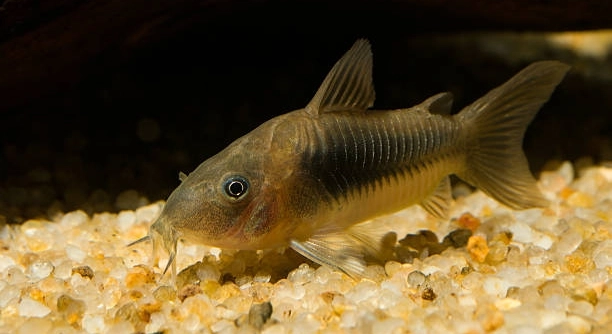
Corydoras catfish are popular freshwater aquarium fish known for their peaceful nature. Many fish owners are concerned about the well-being of their fish, particularly when it comes to the possibility of loneliness.
Corydoras catfish are not considered social loners but thrive best in groups. They are known to feel more comfortable and secure when kept with others of their kind, which reduces stress and encourages natural behavior.
Understanding how Corydoras catfish express loneliness can help ensure they live happily and healthily. Keep reading to learn about the signs to watch for and how to create a supportive environment for your fish.
Why Corydoras Catfish Prefer to Live in Groups
Corydoras catfish are naturally social animals, and in the wild, they are often found swimming in schools. This behavior helps them feel safer and more confident, as they rely on each other for protection. When kept in a home aquarium, they benefit greatly from the companionship of other Corydoras catfish. Without a group, these fish may experience stress, which can affect their health and behavior. Stress can lead to reduced activity levels, a lack of appetite, and even a weakened immune system, making them more vulnerable to illness.
Providing at least three to five Corydoras catfish in your tank is essential for their mental and physical well-being. A larger group will help them feel more secure, allowing them to engage in their natural behaviors, such as foraging together and swimming around the tank. Additionally, being part of a group allows them to interact more, which can lead to a more active and entertaining aquarium experience for you.
Corydoras catfish also have a natural instinct to “school” with their species, and when in a group, they are much more likely to engage in playful or curious behaviors. Keeping them with a few others helps them feel less isolated and encourages a sense of community that they are accustomed to in their natural environment.
Signs That Your Corydoras Might Be Lonely
There are several clear signs that your Corydoras catfish may be feeling lonely.
If you notice your fish acting lethargic, staying at the bottom of the tank, or not engaging in activities like scavenging or interacting with tank mates, these may be signs of loneliness. Stress from isolation can cause Corydoras to appear less active and even avoid swimming altogether.
How Isolation Affects Corydoras Catfish
Corydoras catfish are social creatures, and isolation can lead to negative effects on their well-being. When kept alone, these fish may become stressed, leading to poor health. Loneliness can cause a decrease in appetite, lethargy, and more visible signs of discomfort, such as constant hiding or lack of movement.
Without the companionship of other Corydoras, they may not feel secure enough to exhibit natural behaviors like scavenging for food or exploring the tank. Stress from loneliness can weaken their immune system, leaving them more prone to disease. Additionally, a lonely catfish might become more vulnerable to other aggressive tank mates or environmental changes.
If you notice that your Corydoras is hiding more than usual or swimming alone, it’s a good idea to introduce more of their species to the tank. A group will encourage your catfish to feel safe, less stressed, and more likely to show their natural, playful behaviors.
How Many Corydoras Should You Keep Together?
It’s important to keep Corydoras in groups of at least three to five. This will help them feel more secure and allow them to socialize with others of their species. When Corydoras are in a group, they tend to engage more, reducing their stress levels and improving their overall health.
A larger school will give them the chance to interact more naturally, as they prefer to swim together in close proximity. Having multiple Corydoras also helps when it comes to foraging for food, as they enjoy scavenging the tank bottom together. Without enough companions, they might not feel comfortable exploring the tank, which can negatively affect their activity and appetite.
Having a group also ensures that they can display their social behaviors, such as swimming in patterns and interacting with one another. If you’re unsure whether your catfish is lonely, try adding a few more to your tank to see how they respond. You may notice a positive change in their behavior and overall health.
Signs of Loneliness in Corydoras Catfish
Lonely Corydoras may become unusually still, spending most of their time at the tank’s bottom. They may not interact with their environment or show interest in food. A lack of movement can indicate stress, and you may see them hiding more than usual.
Another sign of loneliness is if your Corydoras is staying away from any tank mates. They prefer the company of their own kind, so if your fish is constantly isolated from others, it could be a sign they need more social interaction. Lack of engagement is often a red flag.
How to Encourage Your Corydoras to Interact
Adding more Corydoras to the tank is the best way to encourage social behaviors. They naturally feel more secure in groups and are less likely to hide or appear inactive. The more Corydoras in the tank, the more likely they will swim together, reducing their stress levels.
Creating a peaceful tank environment helps them thrive. Avoid aggressive fish that could intimidate them. Corydoras are bottom dwellers, so ensure there’s enough space for them to move around comfortably and access their food. With the right conditions, they’ll feel more at ease.
Maintaining Tank Conditions for Happy Corydoras
To keep your Corydoras healthy and social, ensure the water is clean and stable. Frequent water changes, proper filtration, and a temperature between 72-78°F are important. These conditions promote a stress-free environment, helping your Corydoras feel more secure.
Avoid overcrowding your tank. Too many fish can cause stress and lead to competition for food, making it harder for your Corydoras to thrive. Proper tank size and water conditions will help them live comfortably, encouraging natural behaviors and better overall health.
FAQ
Do Corydoras Catfish Get Lonely?
Yes, Corydoras catfish can feel lonely if they are kept alone. These fish are social creatures that thrive in groups. When kept in isolation, they can become stressed, which may lead to health issues such as lethargy, loss of appetite, and an increased risk of illness. It’s recommended to keep at least three to five Corydoras together to mimic their natural behavior. A group setting allows them to feel safer, reduces stress, and promotes overall health. Without companions, they may show signs of distress, including hiding at the bottom of the tank or swimming erratically.
Can Corydoras Catfish Live Alone?
While Corydoras can technically live alone, it is not ideal. These fish prefer to be in the company of others of their kind. Living alone can cause them to feel stressed and anxious. Corydoras are bottom dwellers that thrive in groups, where they feel more secure and are able to interact naturally. It’s better to introduce more Corydoras to your tank if you notice signs of loneliness in your fish. Keeping them in groups can reduce the chances of them becoming lethargic or withdrawn, as they’ll have companions to swim and interact with.
How Many Corydoras Should Be Kept Together?
To ensure your Corydoras feel comfortable, it’s recommended to keep at least three to five individuals. A small group allows them to interact and form a natural bond. However, if you have space in your tank, a larger group can encourage even more active behaviors, such as foraging and swimming together. A group setting also reduces stress and gives them the opportunity to display their natural behaviors. When considering how many Corydoras to keep, make sure the tank is large enough to accommodate their needs.
What Happens If I Don’t Keep Corydoras in a Group?
If you don’t keep Corydoras in a group, they may experience stress, which can affect their overall health. They may become more sedentary, hiding at the bottom of the tank and not engaging in typical activities like scavenging for food. Stress can also weaken their immune system, making them more susceptible to illness. In some cases, lonely Corydoras may stop eating altogether, further affecting their well-being. By keeping them in a group, they will feel safer and more comfortable, leading to healthier and more active fish.
How Can I Tell If My Corydoras Is Stressed?
Signs of stress in Corydoras can include hiding more often, staying at the bottom of the tank, and appearing lethargic. They may also stop eating or show disinterest in their surroundings. If your Corydoras is swimming erratically, has a dull color, or is avoiding interaction with other fish, it could be a sign of stress. Stress in Corydoras can be caused by loneliness, poor water conditions, or aggression from other tank mates. Regularly monitoring their behavior and water quality can help prevent stress-related issues.
Can Corydoras Live With Other Fish?
Yes, Corydoras can live with a variety of other peaceful fish species. They are non-aggressive and usually get along well with other bottom dwellers and fish that are not too aggressive. It’s best to avoid keeping them with larger, more territorial fish that may bully them or compete for food. Corydoras are peaceful and thrive in a community tank where the other fish are equally calm. When choosing tank mates, consider the size and temperament of other fish to ensure a peaceful environment.
Do Corydoras Need a Filtered Tank?
Yes, Corydoras do best in tanks with proper filtration. A good filter helps maintain clean and oxygenated water, which is essential for their health. Since Corydoras are bottom dwellers, they are sensitive to poor water quality, and a filtration system helps keep the water free of harmful waste products. Regular water changes are also crucial for maintaining a healthy environment. Without proper filtration, the water can become toxic, leading to stress and illness for your Corydoras.
What Is the Best Tank Setup for Corydoras?
The best tank setup for Corydoras includes soft, slightly acidic water and a substrate that is smooth and fine, like sand or rounded gravel. They have sensitive barbels, and rough or sharp gravel can injure them. Providing plenty of hiding spots and plants can help them feel secure. Corydoras also prefer a well-planted tank, which provides both shelter and places to explore. A moderate water flow is ideal, as it mimics their natural habitat. Keep the temperature between 72-78°F, and ensure the tank is large enough to accommodate the number of Corydoras you plan to keep.
How Long Do Corydoras Live?
Corydoras catfish typically live for 5 to 10 years when properly cared for. Their lifespan can vary based on water quality, diet, and tank conditions. Providing a stable, clean environment and a balanced diet will help extend their lifespan. Stress from poor tank conditions or loneliness can shorten their life, so it’s important to monitor their behavior and health closely. Regular water changes, proper filtration, and consistent feeding are key to keeping your Corydoras healthy throughout their life.
Do Corydoras Need Special Care?
Corydoras are relatively low-maintenance fish, but they do need a few specific care requirements. They thrive in clean water with a stable temperature and avoid rough substrates that can damage their barbels. While they don’t require special diets, they do benefit from a variety of food, including pellets, frozen foods, and vegetables. It’s also important to ensure they are kept with peaceful tank mates to prevent stress. As long as their tank conditions are properly maintained, Corydoras are hardy and easy to care for.
Final Thoughts
Corydoras catfish are social animals that thrive best in groups. While they can technically survive alone, they are happiest when kept with others of their species. These fish are naturally inclined to live in schools, which provides them with a sense of security and helps reduce stress. When Corydoras are kept isolated, they may become more vulnerable to health issues, as stress can weaken their immune system and lead to behaviors like lethargy and a lack of appetite. To ensure your Corydoras are living a happy, healthy life, it’s important to provide them with the company of other Corydoras.
The simplest way to prevent loneliness in your Corydoras is to keep at least three to five of them together in a well-maintained tank. This group size will allow them to interact, swim together, and feel secure in their environment. A larger group can be even more beneficial, as it will provide more opportunities for natural social behaviors and create a more dynamic, engaging aquarium. By keeping them in groups, you’re encouraging natural behaviors like scavenging for food and swimming together, which will help keep them active and healthy.
Maintaining proper tank conditions is also crucial for the well-being of Corydoras catfish. Ensuring that the water quality is good, the temperature is stable, and the tank is large enough for the number of fish you have can make a big difference. Corydoras are bottom dwellers, so providing a smooth substrate, such as sand or rounded gravel, will help protect their sensitive barbels. Regular water changes and a good filtration system will keep the tank clean and free from toxins, which is essential for their health. With the right care, Corydoras catfish will thrive in your aquarium, bringing joy to your tank with their playful and social nature.

Hello,
If you enjoy the content that we create, please consider saying a "Thank You!" by leaving a tip.
Every little bit helps us continue crafting quality advice that supports the health, happiness, and well-being of pets around the world, for pets of all shapes, sizes, and species.
We really appreciate the kindness and support that you show us!