
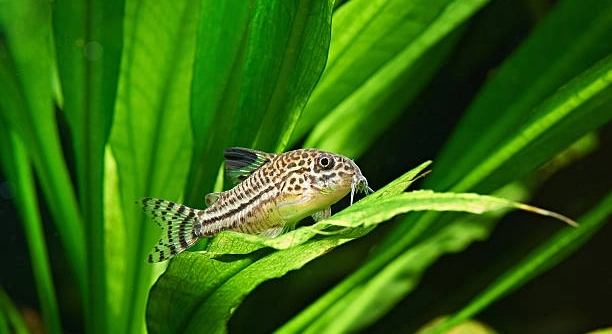
Corydoras catfish are peaceful, gentle creatures that add charm to any aquarium. However, if you notice your catfish scratching its fins, it might be a sign of something troubling. Understanding the cause can help address the issue.
Scratching of fins in Corydoras catfish is commonly due to external factors like parasites, poor water quality, or stress. Identifying the root cause allows for effective treatment to prevent further harm to the fish.
By learning about the reasons behind this behavior, you can take steps to create a healthier environment for your catfish. Keep reading to explore the potential causes and solutions for this issue.
Poor Water Quality
One of the main reasons your Corydoras catfish might be scratching its fins is poor water quality. Corydoras are sensitive to changes in their environment, particularly the water conditions. If the water is too dirty or the levels of ammonia, nitrites, or nitrates are high, it can cause irritation to their skin, making them scratch their fins. Dirty water also leads to the buildup of toxins that can stress the fish and weaken its immune system, making it more susceptible to diseases. Regular water changes and keeping the tank properly filtered are essential for their well-being.
Water testing kits are useful in ensuring that the tank’s water remains safe. Frequent water changes and proper filtration can significantly improve your fish’s health and prevent scratching behavior caused by poor water quality.
Maintaining optimal water quality is crucial for the health of your Corydoras. The fish thrive in clean, well-oxygenated water, and poor conditions can quickly lead to fin irritation. Keep the water pH, hardness, and temperature within the appropriate range for your species to minimize stress and health issues.
External Parasites
External parasites are another common cause of fin scratching in Corydoras. These parasites attach themselves to the fish’s skin or fins, causing discomfort. The most common parasites are ich, gill flukes, or external protozoa. They irritate the skin and create a strong itching sensation, leading the fish to scratch against surfaces in the tank.
To treat external parasites, consider using medicated treatments designed for fish, available at most pet stores. These treatments will target and eliminate parasites, helping to ease your catfish’s discomfort.
It’s important to observe your fish for other signs of parasitic infection, such as visible white spots on their body (for ich) or excessive rubbing. Quick action is necessary to avoid further damage to your fish’s fins. Treating the problem early can prevent complications and ensure your fish heals faster.
Stress or Anxiety
Stress can cause Corydoras catfish to scratch their fins. Changes in the environment, new tank mates, or too much noise can cause your fish to feel anxious. Stress leads to physical symptoms, including rubbing or scratching against objects in the tank. This behavior often signals that your catfish is trying to relieve discomfort caused by stress.
Providing a stable environment with consistent water parameters and a peaceful atmosphere can reduce stress. Avoid adding too many fish at once, as overcrowding can lead to territorial disputes. Also, minimize loud noises or sudden movements around the tank.
Stress is often hard to pinpoint, but it’s crucial to recognize and address it. Your Corydoras will feel safer in a calm, stable environment. Keeping the tank clean, providing hiding spots, and maintaining a peaceful atmosphere can help reduce anxiety and stop scratching behaviors.
Skin Injuries
Skin injuries, caused by sharp objects or rough surfaces in the tank, can also lead to scratching. Corydoras have delicate skin that can tear or become irritated easily. This leads them to rub against objects to relieve the itching sensation. Scratches may not always be immediately visible but could cause enough discomfort for them to scratch frequently.
Check the aquarium for any rough rocks, plastic decorations, or equipment that might be causing harm. Sharp objects or improperly placed items in the tank should be removed to prevent injury. After eliminating the cause, observe your fish to see if the scratching decreases.
It’s important to ensure the tank environment is free from potential hazards. Providing soft, smooth surfaces in the tank and avoiding sharp decorations helps protect the fish from skin injuries. Regular tank maintenance will also prevent any hidden risks that could affect your Corydoras.
Water Temperature
Incorrect water temperature can cause your Corydoras to scratch its fins. Fish are highly sensitive to temperature changes, and if the water is too warm or too cold, it can cause stress or skin irritation. Corydoras thrive in a temperature range between 72°F and 78°F (22°C – 26°C).
Maintaining a steady water temperature within this range will help prevent scratching. Sudden fluctuations in temperature can weaken your fish’s immune system and make them more susceptible to stress and illness. Use a reliable aquarium heater to regulate the temperature in your tank.
Fungal Infections
Fungal infections are another reason why your Corydoras catfish may scratch its fins. These infections appear as white, cotton-like growths on the skin or fins. Fungi can thrive in dirty or poorly maintained tanks, leading to irritation and causing the fish to scratch itself.
Treating fungal infections requires removing the infected fish and using antifungal treatments. These treatments are usually available in pet stores and can help eliminate the infection. Keeping the tank clean and maintaining proper water conditions can also prevent the growth of fungi.
Overcrowding
Overcrowding in the tank can contribute to scratching behavior. When there are too many fish in a small space, they can feel stressed, and territorial disputes can occur. This leads to the catfish rubbing or scratching against objects to relieve discomfort.
To avoid overcrowding, make sure your tank has enough space for all of your fish. This will reduce stress and prevent aggressive behavior. Proper stocking levels will allow each fish to have its territory and minimize the chances of scratching due to overcrowding.
FAQ
Why is my Corydoras catfish rubbing against objects?
Rubbing against objects is usually a sign of irritation or discomfort. It can occur due to external parasites, fungal infections, skin injuries, or poor water quality. Stress or anxiety can also lead to this behavior. Ensuring that your tank environment is clean, stable, and free from hazards can help reduce scratching.
What should I do if my Corydoras has scratched its fins?
First, check the water quality. If ammonia, nitrates, or nitrites are too high, perform a water change. Test the water regularly to make sure it remains within safe levels. If the fish is still scratching, inspect for external parasites or injuries. You might need to treat the tank with medications designed to target parasites or fungal infections.
Can Corydoras catfish scratch themselves to the point of injury?
Yes, persistent scratching can lead to physical injury. Fish with weakened immune systems or existing wounds are more likely to scratch until they cause further damage. It’s important to treat the underlying cause of the scratching to prevent injury and infection.
What is the best way to reduce stress in my Corydoras catfish?
Stress can be reduced by maintaining stable water parameters, such as pH, temperature, and hardness. Additionally, provide hiding spots in the tank using plants or decorations, which can help your fish feel secure. Avoid sudden changes in the environment and limit any loud noises or activities near the tank. Reducing overcrowding will also create a more peaceful atmosphere.
How can I prevent parasites from affecting my Corydoras catfish?
To prevent parasites, keep your tank clean and ensure water quality is good. Quarantining new fish before introducing them to the main tank is also important. Regularly clean the tank and use a reliable filtration system to maintain a healthy environment. If you notice any signs of parasites, treat the water with appropriate medications right away.
What water temperature is best for Corydoras catfish?
Corydoras thrive in temperatures ranging from 72°F to 78°F (22°C to 26°C). Consistent temperatures are key to keeping your catfish healthy. Rapid changes in temperature can lead to stress and make your fish more susceptible to illness and fin scratching. Use a reliable aquarium heater to regulate the temperature if needed.
Is it necessary to remove scratching Corydoras from the tank?
Removing a scratching Corydoras is not always necessary unless you suspect an infectious disease. If the cause is external parasites or a fungal infection, treatment can often be done in the main tank. However, if there are visible wounds or signs of severe injury, isolating the affected fish for treatment may be the best course of action.
Can overfeeding cause Corydoras to scratch?
Overfeeding can lead to poor water quality, which in turn may cause your Corydoras to scratch its fins. Excess food decomposes in the water, creating ammonia and nitrate spikes that irritate the fish’s skin. Ensure you’re feeding the right amount, removing uneaten food, and performing regular water changes to maintain a healthy environment.
How often should I clean the tank to prevent scratching in my Corydoras?
Cleaning your tank once a week is usually sufficient to maintain water quality. Regular maintenance includes removing uneaten food, cleaning the filter, and changing around 20-30% of the water. Keeping the tank clean reduces the risk of harmful bacteria, parasites, or fungal infections, all of which can lead to scratching behavior.
Are there any specific treatments for Corydoras scratching due to fungal infections?
Fungal infections are usually treated with antifungal medications available at most pet stores. Follow the instructions carefully and make sure to quarantine infected fish to avoid spreading the infection. Maintain proper water conditions during treatment to prevent further stress and ensure the infection does not recur.
What are the signs of a parasitic infection in Corydoras?
Common signs of parasitic infections in Corydoras include visible white spots on the body (ich), excessive scratching, clamped fins, or rapid gill movement. These symptoms indicate that the fish might be infested with parasites, and prompt treatment with a suitable medication is necessary to address the issue.
Final Thoughts
When your Corydoras catfish starts scratching its fins, it’s important to pay attention to the signs. Scratching can be caused by many different factors, such as poor water quality, external parasites, stress, or even fungal infections. Identifying the root cause early is key to treating the issue effectively. It’s always a good idea to check the water parameters regularly and ensure that the environment is stable for your fish. Clean water and proper filtration can prevent many common problems that cause discomfort for your Corydoras.
Another crucial aspect of keeping your Corydoras healthy is providing a stress-free environment. Corydoras are peaceful fish that thrive in calm, well-maintained tanks. Stress from overcrowding, aggressive tankmates, or sudden changes in their environment can lead to health problems. Creating a habitat with enough hiding spots and maintaining a peaceful atmosphere will help reduce stress. If your fish are scratching, consider if any environmental factors could be causing anxiety and try to eliminate them to improve their well-being.
Taking proactive measures, such as quarantining new fish, ensuring proper water temperature, and observing your fish regularly, can help prevent many of the causes behind fin scratching. With the right care, Corydoras can live a long and healthy life. It’s important to treat any issues you notice promptly and avoid letting small problems become bigger ones. By staying vigilant and maintaining a clean, stable tank, you’ll provide your fish with a better quality of life and reduce the chances of them scratching their fins.

Hello,
If you enjoy the content that we create, please consider saying a "Thank You!" by leaving a tip.
Every little bit helps us continue crafting quality advice that supports the health, happiness, and well-being of pets around the world, for pets of all shapes, sizes, and species.
We really appreciate the kindness and support that you show us!