
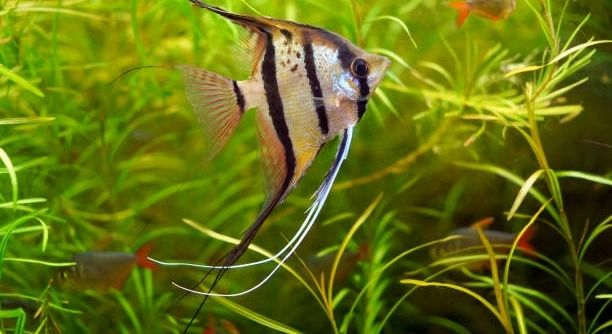
Angelfish are beautiful and captivating pets. However, like all fish, they can experience stress-related illnesses that can affect their health and behavior. It’s important to know the signs so you can take action if needed.
Angelfish can show signs of stress in various ways, including changes in behavior, appearance, and activity levels. Identifying these signs early can help prevent serious health issues and ensure your angelfish stays happy and healthy.
Understanding stress symptoms is key to keeping your angelfish healthy. This article will help you recognize early signs of stress and give you tips on how to improve their environment and well-being.
Stress from Poor Water Conditions
Water quality is one of the most important factors in keeping your angelfish healthy. If the water in the tank is dirty or has incorrect temperature or pH levels, your fish can become stressed. They may appear lethargic or hide more than usual. High levels of ammonia or nitrites can be harmful to them, leading to a variety of symptoms like faded colors or loss of appetite.
Keeping the water clean is essential for your angelfish’s well-being. Regular water changes, checking the temperature and pH, and making sure the filtration system is working correctly will help maintain a stable environment.
If you notice your angelfish acting unusually, test the water quality. Even small changes in the tank’s environment can affect their health. It’s a good idea to invest in a reliable water testing kit to monitor ammonia, nitrate, and pH levels regularly. This way, you can spot potential issues before they cause harm.
Overcrowding in the Tank
Too many fish in a tank can lead to overcrowding, which stresses out your angelfish. When there’s not enough space, fish can become territorial, and constant competition for food and space can lead to aggression and illness.
Angelfish are peaceful but need enough room to swim freely. If your tank feels cramped, consider reducing the number of fish or upgrading to a larger tank. Giving each fish enough space is key to their comfort and health.
Inadequate Diet
A poor diet can stress out your angelfish and lead to various health problems. Angelfish require a balanced diet with a variety of nutrients, including protein, vitamins, and minerals. Without proper nutrition, they may become lethargic, lose color, or even develop illnesses.
Feeding them the wrong type of food can also be harmful. Avoid feeding them only one kind of food, like flakes, and try to offer different options such as frozen or live food. This will help them get all the nutrients they need. It’s important to feed your angelfish in moderation to avoid overfeeding, as this can lead to poor water quality and further stress.
Monitor your fish’s eating habits closely. If they show no interest in food or seem to be struggling to eat, it could be a sign of stress or illness. Try offering a variety of foods and be consistent with feeding times. Healthy eating habits will help your angelfish thrive.
Sudden Changes in Environment
Angelfish are sensitive to sudden changes in their environment. Whether it’s a change in water temperature, lighting, or even the rearrangement of decorations, these changes can cause them stress. Fish like to have a stable and familiar environment, and when something shifts, they can become anxious or disoriented.
This kind of stress can show up in their behavior, like hiding or staying in one spot for extended periods. You may also notice that they’re not swimming around as much or seem to be acting strangely. It’s important to minimize any sudden changes to the tank environment. When rearranging decorations or making adjustments to the tank, do it gradually so your fish can adjust without feeling overwhelmed.
Give your angelfish time to adjust after any changes. Keep an eye on them for a few days to ensure they aren’t showing signs of stress. By maintaining a stable tank environment, you’ll help keep your fish comfortable and happy.
Aggressive Tank Mates
Angelfish can be peaceful, but when placed with aggressive or overly active tank mates, stress can set in. This can cause them to hide or become overly defensive. If you notice your angelfish acting skittish or darting away from certain fish, aggression may be the issue.
It’s important to research compatible tank mates before adding them. Fish like bettas or large, territorial species can cause stress to more peaceful fish. If aggression is noticed, consider moving the aggressive fish to a separate tank or reevaluating the tank’s overall dynamics.
Poor Tank Maintenance
If you neglect the maintenance of your tank, your angelfish may start showing signs of stress. Dirty tanks with excessive algae, uneaten food, or poor filtration systems can harm their health. Make sure to clean the tank regularly and replace the water often.
Proper maintenance keeps your fish healthy and happy. Regularly check your tank’s filters, replace the water every week, and remove any debris. This ensures a stable environment where your angelfish can thrive without stress from unsanitary conditions.
Improper Lighting
Angelfish, like many fish, can get stressed by improper lighting. Too much light can cause them to hide, while too little can disrupt their daily rhythms. It’s important to find a balance to keep them comfortable.
Ensure that your angelfish’s tank gets enough light, but not too much. Using a timer for the lights can help keep the tank’s light cycle consistent, mimicking natural day and night cycles. This helps your fish maintain healthy routines and reduces stress.
FAQ
How can I tell if my angelfish is stressed?
You can spot stress in your angelfish through changes in their behavior and appearance. If they start hiding more than usual, stop eating, or become less active, these are signs they might be stressed. Their colors may also fade, and they might start swimming erratically or breathing heavily. Pay attention to any changes in their normal routines and look for signs like clamped fins or abnormal swimming patterns.
What should I do if my angelfish isn’t eating?
If your angelfish stops eating, it could be a sign of stress or illness. Start by checking the water quality. Poor water conditions can cause fish to lose their appetite. If the water is fine, try offering different types of food to see if they respond. It’s also a good idea to remove any uneaten food promptly to prevent the water from becoming polluted. If your fish still refuses to eat, consider consulting a vet who specializes in fish.
Can my angelfish become stressed from too much light?
Yes, too much light can stress your angelfish. Angelfish prefer a moderate light cycle. Constant bright lighting can disrupt their natural rhythms, causing stress. Aim for 10-12 hours of light per day, followed by a dark period to mimic natural day and night cycles. Using a timer for your tank’s lights can help maintain consistency.
Is it okay to keep angelfish with other species?
Angelfish can live peacefully with other species, but it’s important to choose tank mates carefully. Avoid aggressive or territorial fish, as they may cause stress. Species like tetras, corydoras, or peaceful barbs are good choices. Make sure the tank has enough space for all the fish to avoid overcrowding, which can also lead to stress.
What are the best water conditions for angelfish?
Angelfish thrive in warm water with a temperature range of 76-84°F (24-29°C). The pH level should be between 6.5 and 7.5, and the water hardness should be medium. Regular water changes and good filtration are essential to maintain these conditions. Test your water frequently to ensure it stays within the ideal range to prevent stress-related illnesses.
How do I prevent my angelfish from becoming aggressive?
Angelfish are generally peaceful, but they can become territorial, especially if there’s not enough space or if they feel threatened. Provide plenty of hiding spots and live plants in the tank to give them places to retreat. Avoid overcrowding the tank and make sure each fish has enough space to swim comfortably. Introducing angelfish to the tank when they are young can also help reduce territorial behavior.
Can angelfish experience stress from tank cleaning?
Yes, angelfish can experience stress if tank cleaning is too frequent or abrupt. Cleaning should be done gradually, removing debris and vacuuming the substrate without disturbing the fish too much. Over-cleaning can also disrupt the beneficial bacteria in the tank, leading to unstable water conditions that can stress your fish. Clean the tank once a week, but avoid major changes during cleaning.
Why is my angelfish hiding all the time?
Hiding is often a sign that your angelfish is feeling stressed, scared, or unwell. It could be due to poor water conditions, aggressive tank mates, or an environmental change. Check the water quality and make sure there are no aggressive fish causing distress. If the hiding persists, consider consulting a vet for further advice.
How often should I feed my angelfish?
Feed your angelfish 2-3 times a day, offering small amounts of food that they can consume within a few minutes. Overfeeding can lead to poor water quality, which can stress your fish. Offering a varied diet with pellets, flakes, and live or frozen foods will ensure they get a balanced diet. Remove any uneaten food to prevent it from decaying in the tank.
Can I use a heater for my angelfish tank?
Yes, a heater is essential to maintain a stable temperature for your angelfish. Since they are tropical fish, they require warm water to stay healthy. Ensure the heater is set to maintain a temperature between 76-84°F (24-29°C). Avoid sudden temperature changes, as they can cause stress and health problems. Always use a reliable thermometer to monitor the water temperature.
Final Thoughts
Taking care of angelfish requires attention to detail, especially when it comes to their environment. Stress can affect their health and behavior, but by recognizing the signs early, you can prevent serious issues. The main factors that contribute to stress are poor water conditions, overcrowding, and aggression from other tank mates. Keeping your tank clean, maintaining the right water parameters, and providing a peaceful environment are key to ensuring your angelfish stay healthy and comfortable.
It’s also important to remember that angelfish are sensitive creatures, and any sudden changes to their environment can cause stress. Whether it’s a change in the tank setup, water quality, or even the lighting, these changes should be made gradually to give your fish time to adjust. Be mindful of their feeding habits and ensure they get a balanced diet. If your fish stop eating or behave strangely, it’s often a sign that something in their environment needs attention. Regularly monitor their health, and if needed, consult a professional for advice.
Caring for angelfish can be a rewarding experience, but it does require consistency and patience. By paying close attention to their needs and creating a stress-free environment, your angelfish will thrive. Regular maintenance, a balanced diet, and a calm atmosphere will ensure your fish live a long and healthy life. If you ever notice signs of stress, take action quickly to address the problem before it leads to more serious health issues. Keeping your angelfish happy isn’t difficult, but it does require being observant and proactive.

Hello,
If you enjoy the content that we create, please consider saying a "Thank You!" by leaving a tip.
Every little bit helps us continue crafting quality advice that supports the health, happiness, and well-being of pets around the world, for pets of all shapes, sizes, and species.
We really appreciate the kindness and support that you show us!