
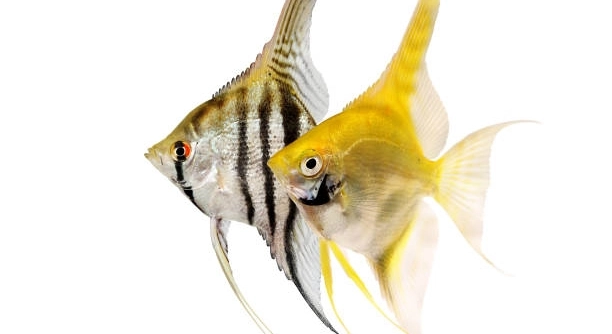
Introducing a new angelfish to your tank can be a thrilling experience. However, these beautiful creatures can also face stress when placed in a new environment. Understanding how to reduce their stress is essential for their well-being.
To reduce stress for newly introduced angelfish, maintaining water quality, avoiding overcrowding, creating hiding spots, ensuring a proper diet, and minimizing sudden tank changes are essential. Proper acclimation procedures also help angelfish adjust smoothly to their new surroundings.
Making these adjustments will help your angelfish feel more comfortable in their new home. By following these steps, you can provide a stress-free environment for your new aquatic friend.
1. Keep Water Quality Stable
Newly introduced angelfish are very sensitive to changes in water quality. Ammonia, nitrite, and nitrate levels should be checked regularly to ensure a safe environment. Poor water conditions are one of the quickest ways to stress out your fish. Angelfish thrive in clean, slightly acidic water with a temperature range of 76-82°F.
To maintain proper water quality, it’s important to perform regular water changes and keep the filtration system in good condition. Consider using a water test kit to monitor pH, hardness, and other essential factors. Keep in mind that sudden shifts in temperature or water chemistry can make your angelfish feel insecure, causing them to hide or become lethargic. A stable environment will ease their transition.
A tank filter that keeps the water circulating is vital to the health of your fish. When introducing angelfish, try not to make drastic changes to the water, such as altering its temperature or adding new chemicals. Gradual adjustments help the fish acclimate and prevent unnecessary stress. Keeping a consistent routine for water care can ensure long-term success in your aquarium.
2. Avoid Overcrowding the Tank
Overcrowding the tank can quickly overwhelm your angelfish. These fish require space to swim freely and feel comfortable. When too many fish are kept in one tank, it creates unnecessary stress and competition for food and territory.
If you’re planning on adding other fish to the tank, be mindful of the size of your aquarium and how many fish it can comfortably hold. Angelfish need room to swim, so give them enough space to establish their territory. A tank with plenty of room allows for a less stressful environment.
Choosing tank mates carefully is crucial for reducing stress levels. Keep in mind that angelfish are generally peaceful but can become territorial, especially when breeding. Avoid aggressive fish that could intimidate them. It’s also important to avoid keeping too many other species that might outcompete your angelfish for food. By managing the tank population, you can create a calmer environment for your fish.
3. Create Hiding Spots and Safe Zones
Angelfish, like many fish, can get stressed without hiding spots. These areas give them a place to retreat when they feel threatened or scared. Adding rocks, plants, or decorations to your aquarium helps angelfish feel more secure in their new surroundings.
Hiding spots help angelfish adjust to their new tank by providing them a place where they can take refuge. When they first enter the tank, they might feel vulnerable due to the unfamiliar environment. You can use plants or driftwood to create natural hiding spaces. These spaces will help your fish adapt and feel safe.
Be sure that the hiding spots are large enough for the angelfish to fit inside but not so big that they can’t establish their territory. The placement of decorations is also important—ensure that they don’t block water flow or make the tank feel cramped. By balancing open swimming space with hiding spots, you allow your angelfish to feel secure while still having room to move around.
4. Provide a Proper Diet
A proper diet is essential for reducing stress in angelfish. Feed them high-quality fish food designed for their species. Avoid overfeeding, as uneaten food can pollute the water and cause stress. It’s also important to offer a varied diet for better health and behavior.
Providing angelfish with a mix of flakes, pellets, and occasional live or frozen food can meet their nutritional needs. High-protein foods like bloodworms, brine shrimp, or daphnia can stimulate their appetite and encourage natural foraging behavior. Be sure to feed in small amounts, as overfeeding can lead to water quality issues and an unhealthy environment.
A balanced diet not only supports their physical health but also affects their behavior. Poor diet can lead to weakness, lethargy, and vulnerability to disease. Regular feeding schedules will help maintain a stable routine for your angelfish, making it easier for them to settle into their new tank.
5. Limit Stressful Tank Changes
Sudden changes to the tank environment can trigger stress in angelfish. It’s important to limit disruptions, such as moving tank decorations, changing the lighting, or altering the water temperature. Small, gradual changes are less likely to cause stress.
When introducing new items or altering the tank setup, allow your angelfish to adjust before making additional changes. This gives them time to feel secure in their surroundings. If you need to adjust the water temperature, make gradual changes over several hours to avoid shocking your fish. Avoid rearranging decorations often, as it can cause confusion and stress.
Angelfish are sensitive to rapid changes, so it’s vital to keep their environment as consistent as possible. Stick to a regular maintenance routine, and be mindful of factors like light levels and water conditions. Stability will make your angelfish feel at ease and allow them to adapt more quickly.
6. Acclimate Gradually
Introducing angelfish to their new tank slowly helps reduce stress. Start by floating the bag containing the fish in the tank for about 15-20 minutes. This will help them adjust to the temperature. Then, slowly add small amounts of tank water to the bag to help them acclimate.
When you release the fish into the tank, do so gently and without sudden movements. Quick movements can startle the fish and cause unnecessary stress. Gradual acclimation minimizes shock, allowing the angelfish to adjust to their new environment with less risk of illness or injury.
The process should be done over a couple of hours to give the fish enough time to adapt. Keeping the tank lights dim during this time can also help reduce their stress levels. Gradual acclimation is key to ensuring that your angelfish have a smooth and healthy transition into their new home.
7. Avoid Aggressive Tankmates
Aggressive fish can easily stress out your angelfish. Keeping peaceful tankmates that are not overly territorial is essential. Aggressive fish might nip at the fins of angelfish or chase them, leading to anxiety and injury.
Choose tankmates that share similar water temperature and pH preferences. Angelfish are calm and peaceful but can become stressed by overly assertive fish. Smaller, less aggressive species like tetras or peaceful catfish are ideal companions for your angelfish. Avoid species that are too competitive for food or space.
By choosing compatible tankmates, you can maintain a peaceful environment where angelfish feel safe. Avoid adding any fish known for their aggressive tendencies, as they will only heighten stress levels for your angelfish, making them more vulnerable to health issues.
FAQ
How long does it take for angelfish to adjust to a new tank?
The time it takes for angelfish to adjust can vary. On average, it takes a few days to a couple of weeks for them to fully settle. Factors like water quality, tankmates, and acclimation processes can affect this timeline. Angelfish are sensitive, and they need time to get used to their new surroundings. During this period, you may see them hiding or swimming cautiously, which is normal.
Can I keep angelfish with other species?
Yes, angelfish can coexist with many other species, but it’s important to choose peaceful tankmates. Avoid aggressive fish or those that might bully the angelfish. Species like tetras, gouramis, and peaceful catfish work well. Be mindful of tank size and overcrowding, as these factors can also cause stress.
How often should I feed angelfish?
Angelfish should be fed once or twice a day. Offer them small portions that they can eat within a few minutes. Overfeeding can pollute the water, which leads to stress and poor health. It’s better to feed them smaller amounts more frequently than a large meal.
What temperature should the tank be for angelfish?
Angelfish thrive in water temperatures between 76°F and 82°F (24°C – 28°C). Keeping the water within this range ensures they remain healthy and stress-free. Use a reliable aquarium heater and thermometer to monitor and maintain the temperature. Sudden temperature fluctuations can cause them significant stress.
Can angelfish live in freshwater only?
Yes, angelfish are freshwater fish. They do not require saltwater environments and will do best in a well-maintained freshwater tank. Ensure that the water is clean, properly filtered, and within the correct pH and temperature range to keep them healthy.
Do angelfish need a filter?
Yes, angelfish require a filter to keep the water clean and oxygenated. A filter helps remove excess waste and debris, which can cause poor water quality and stress for your fish. Make sure the filter’s flow isn’t too strong, as angelfish prefer a gentler current.
Can angelfish be kept alone?
Angelfish can be kept alone, but they are social fish and will benefit from the presence of other peaceful tankmates. Keeping one angelfish alone might lead to loneliness or boredom, but as long as it’s in a well-maintained tank, it will do just fine.
What is the best tank size for angelfish?
A minimum of a 20-gallon tank is recommended for a single angelfish. However, if you plan on keeping more than one or adding other species, a larger tank (30 gallons or more) is ideal. The more space they have, the less likely they are to feel stressed.
How can I tell if my angelfish is stressed?
Signs of stress in angelfish include unusual swimming patterns, hiding for long periods, loss of appetite, and fin clamping. They may also show faded or darkened colors. If these signs appear, check the water quality, temperature, and tank environment for any possible issues.
What should I do if my angelfish is not eating?
If your angelfish refuses to eat, it could be stressed, ill, or adjusting to its new tank. First, ensure that water conditions are optimal. If the tank conditions are fine, try offering different types of food such as live or frozen food. If the problem persists, consider consulting an aquarium vet.
Can I add new fish to the tank while angelfish are still adjusting?
It’s best to give your angelfish a few days to a week to settle in before introducing new fish. Adding new tankmates too soon can cause extra stress for your angelfish. Make sure the tank is fully cycled, and the water parameters are stable before adding any new fish.
Is it necessary to have plants in the tank for angelfish?
While not absolutely necessary, plants are beneficial for angelfish. They offer hiding spots and help create a more natural, less stressful environment. Plants also help maintain water quality by absorbing excess nutrients. Opt for live plants that can thrive in your tank’s water conditions.
How can I reduce stress from aggressive tankmates?
If you notice your angelfish is stressed due to aggressive tankmates, it’s best to separate them. You can rearrange the tank to disrupt territorial behavior or add more hiding spots to provide a safe space for your angelfish. In extreme cases, removing the aggressive fish may be necessary.
Why is my angelfish staying near the surface?
If your angelfish is spending a lot of time near the surface, it could be a sign of low oxygen levels or water temperature fluctuations. Ensure that the filter is working correctly and that the water isn’t too warm. Also, check for signs of illness if this behavior persists.
Can I use aquarium salt for angelfish?
While aquarium salt can sometimes help with certain health conditions, it is generally not needed for angelfish unless they are sick. Always use salt with caution, as it can alter water conditions and stress out your fish if not used properly. Stick to freshwater-specific treatments when possible.
Are angelfish prone to any diseases?
Angelfish are susceptible to common freshwater diseases like ich, fin rot, and velvet. Maintaining good water quality, feeding them a balanced diet, and avoiding stress can help prevent these issues. If you notice symptoms like white spots, faded colors, or loss of appetite, treat the problem early.
Can angelfish live with bettas?
Bettas and angelfish can sometimes live together, but caution is needed. Betta fish are known for their aggression, especially toward other long-finned fish like angelfish. It’s important to monitor their behavior carefully. If any aggression occurs, they should be separated.
Final Thoughts
Taking care of angelfish can be a rewarding experience, but it requires attention to detail and patience. These fish are sensitive, and their well-being depends on maintaining a stable environment. By ensuring good water quality, providing enough space, and offering the right tankmates, you can help your angelfish feel comfortable and reduce stress. It’s important to monitor their health regularly, make gradual changes to the tank, and avoid sudden disruptions. Stress can affect their immune system, making them more susceptible to diseases, so it’s crucial to keep their living conditions as stable as possible.
Acclimating your angelfish to their new home is a slow process. Allowing them to adjust gradually will help them settle in without experiencing too much stress. The introduction of new fish should be done carefully, and it’s best to avoid overcrowding the tank. Keep in mind that angelfish are territorial, especially when breeding, so providing hiding spots and creating a peaceful environment is key. Over time, your angelfish will become more confident in their surroundings and exhibit natural behaviors. With a little effort, you can create a stress-free environment that promotes their health and happiness.
Finally, remember that angelfish are unique and individual creatures. Some may adjust to their new environment quickly, while others may need more time. It’s essential to be patient and observant, making sure that their needs are met while respecting their natural instincts. Keeping a balanced tank, monitoring water conditions, and offering a varied diet will support their overall health. By following these guidelines, you will help your angelfish thrive and enjoy their time in your aquarium.

Hello,
If you enjoy the content that we create, please consider saying a "Thank You!" by leaving a tip.
Every little bit helps us continue crafting quality advice that supports the health, happiness, and well-being of pets around the world, for pets of all shapes, sizes, and species.
We really appreciate the kindness and support that you show us!