
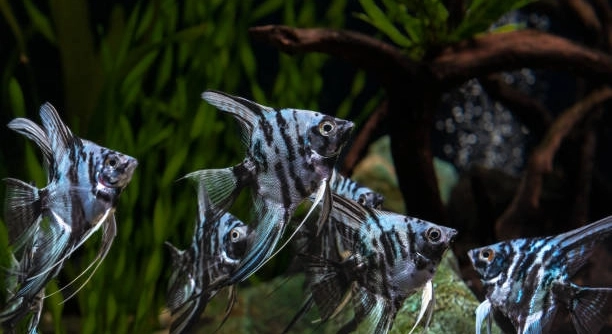
Sometimes, watching your angelfish swim in strange patterns can leave you concerned. It may seem odd, but this behavior is often a sign of something going on with your fish. Understanding the cause can help restore peace to your aquarium.
Angelfish may swim in odd patterns due to various factors, such as water quality issues, stress, illness, or changes in their environment. This behavior can be a way of signaling discomfort or a reaction to an underlying problem.
From water parameters to possible tank mates, there are several reasons behind these unusual swimming patterns. Understanding the root causes will help you improve the well-being of your angelfish and restore calm to your tank.
Poor Water Quality
One of the most common reasons for strange swimming patterns in angelfish is poor water quality. If the tank water is dirty, contains high levels of ammonia, nitrites, or nitrates, your fish might become stressed. This stress can lead to erratic swimming behavior as the angelfish try to find a way to escape discomfort. It’s important to regularly test the water parameters and keep up with routine water changes to maintain a healthy environment for your fish.
The best way to avoid water quality issues is by using a good filtration system and cleaning the tank frequently. If you notice your angelfish swimming abnormally, testing the water should be your first step.
If the water is too acidic or basic, your angelfish might show signs of distress by swimming oddly. Keeping your tank’s pH, hardness, and temperature within ideal levels is crucial for their comfort. If the water is cloudy, it could be a sign that the filter isn’t working properly, which can cause your fish to behave unusually. Regular testing and adjustments will ensure your fish remain healthy and calm in their environment.
Stress From Tank Mates
Aggressive or overly active tank mates can also stress your angelfish, leading to odd swimming patterns. Fish that harass or chase your angelfish can make them feel unsafe, causing them to swim erratically. This stress can affect their behavior and overall health.
It’s important to choose compatible tank mates for your angelfish to prevent stress. Keeping peaceful species with similar temperament can help your angelfish feel secure and swim normally. When selecting tank mates, research their behavior and ensure they don’t pose a threat to your angelfish.
Illness or Disease
Fish affected by illness or disease may swim in strange patterns. Conditions like swim bladder disorder or parasites can impact their balance, causing them to swim in circles, upside down, or erratically. Recognizing signs of illness early can prevent further complications and ensure your angelfish gets proper treatment.
If your angelfish is sick, you may notice other signs like faded color, loss of appetite, or unusual body swelling. For swim bladder problems, this could cause difficulty staying upright. Medications are available to treat most fish illnesses, but the sooner you identify the issue, the better. Always quarantine any new fish before introducing them to your tank to prevent the spread of diseases.
Ensuring a stress-free environment and a balanced diet is crucial for your angelfish’s overall health. Sick fish are more vulnerable to poor water quality and aggressive tank mates. Take action immediately when signs of illness appear. Maintaining a clean tank and performing regular water tests helps in preventing many health issues.
Tank Size and Space
Angelfish require enough space to swim comfortably. If your tank is too small or overcrowded, your fish may display abnormal swimming patterns. Inadequate space can cause your angelfish to become stressed, making them less likely to behave naturally. Providing enough room is key for their well-being.
The minimum recommended tank size for angelfish is 20 gallons for a single fish, with an additional 10 gallons for each additional angelfish. Overcrowding not only stresses the fish but also leads to poor water quality. Be mindful of the number of fish in your tank to maintain a peaceful, healthy environment.
With ample space, angelfish are more likely to swim normally and exhibit calm behavior. If you notice your angelfish swimming erratically, it could be a sign that they need more space. A larger tank will allow for more natural movement and reduce stress caused by confinement, leading to happier and healthier fish.
Temperature Fluctuations
Angelfish are sensitive to sudden changes in water temperature. If the temperature drops too low or rises too high, they may exhibit erratic swimming behavior. Consistent temperature control is essential to prevent stress and discomfort in your fish.
Maintaining a stable temperature between 75°F and 82°F (24°C to 28°C) is ideal for angelfish. A reliable aquarium heater can help keep the water temperature steady. Avoid placing the tank in drafty areas or near direct sunlight, as this can cause temperature shifts that affect the fish’s behavior.
Inadequate Diet
An imbalanced diet can also lead to unusual swimming patterns in angelfish. If your fish is underfed or not receiving proper nutrition, it might show signs of stress or lethargy. A healthy, varied diet is essential to maintain their energy and overall health.
Angelfish thrive on a diet that includes high-quality flakes, pellets, and occasional live or frozen foods. A lack of essential nutrients, such as protein or vitamins, can affect their swimming and behavior. If the fish is not eating properly, it might exhibit signs of stress like erratic movements or refusal to swim normally.
Tank Maintenance
Neglecting regular tank maintenance can result in water quality issues that affect your angelfish’s swimming behavior. Dirty tanks, clogged filters, or an excess of uneaten food can lead to stress and abnormal swimming patterns. Keeping the tank clean is vital for their health.
Routine water changes, filter cleaning, and algae removal are essential tasks to ensure a healthy environment. When the tank is properly maintained, your angelfish will have a safer and cleaner habitat, reducing the likelihood of stress-related swimming patterns. Regular checks on the water parameters can help prevent potential problems.
FAQ
What are the signs that my angelfish is stressed?
Stressed angelfish often display erratic swimming, such as darting around the tank, swimming in circles, or staying at the surface for extended periods. They may also show signs like hiding, reduced appetite, or faded colors. Stress can be caused by poor water quality, aggressive tank mates, or environmental changes.
How can I improve water quality for my angelfish?
To improve water quality, test the water regularly for ammonia, nitrites, and nitrates. Keep the levels of these substances as low as possible, and perform water changes regularly—typically 20% to 25% once a week. Make sure the tank has an effective filtration system to remove waste and debris, and remove any uneaten food promptly. Adding live plants can also help maintain water balance.
Is it normal for angelfish to swim upside down or in circles?
No, it’s not normal for angelfish to swim upside down or in circles. These behaviors are typically associated with health issues like swim bladder disease or stress. If your angelfish is swimming in these ways, you should investigate water quality, diet, and tank conditions. In some cases, you may need to treat the fish with medication or consult with an aquarium specialist.
How often should I change the water in my angelfish tank?
Water changes should be done weekly, typically 20% to 25% of the tank’s total volume. This helps maintain good water quality by removing waste, excess nutrients, and pollutants. If you have a high number of fish, you might need to change the water more frequently. Always make sure the new water is the correct temperature and properly treated to remove chlorine or chloramine.
What temperature should the water be for angelfish?
Angelfish thrive in water temperatures between 75°F and 82°F (24°C to 28°C). Keeping the water within this range helps them stay healthy and reduces stress. Temperatures outside this range can cause health problems and abnormal swimming behavior. A good aquarium heater and thermometer can help maintain consistent water temperature.
How do I know if my angelfish is sick?
If your angelfish is sick, it may exhibit unusual swimming behavior, like erratic movements or difficulty maintaining balance. You might notice physical signs such as white spots, lesions, swollen areas, or faded colors. Other symptoms include a lack of appetite, rapid gill movement, or lethargy. If these signs appear, it’s crucial to check the water quality and, if necessary, treat the fish with appropriate medication.
Can angelfish live with other fish?
Yes, angelfish can live with other fish, but it’s essential to choose compatible tank mates. Angelfish do well with peaceful species like tetras, plecos, or small catfish. Avoid keeping them with aggressive fish or species that may nip at their fins. Make sure there’s enough space in the tank to reduce territorial behavior.
What should I feed my angelfish?
Angelfish require a varied diet, including high-quality flakes, pellets, and occasional live or frozen foods like brine shrimp, bloodworms, and daphnia. A balanced diet ensures they get the necessary nutrients for optimal health. Avoid overfeeding, as leftover food can pollute the water and contribute to poor water quality.
Why does my angelfish swim at the top of the tank?
Angelfish swimming at the top of the tank can indicate several things. It could be due to low oxygen levels in the water or water temperature problems. Alternatively, they might be looking for food or feeling stressed due to poor water quality. Ensure proper aeration and monitor the tank’s temperature to keep your fish comfortable.
Is it okay to keep angelfish in a smaller tank?
While angelfish can survive in smaller tanks, it’s not ideal. A tank that is at least 20 gallons for one angelfish is recommended. Overcrowding can lead to stress, poor water quality, and health problems. A larger tank gives your angelfish more space to swim and reduces the risk of aggression from tank mates.
Final Thoughts
Understanding why your angelfish swims in odd patterns is key to ensuring its health and happiness. While it may be concerning to see your fish swimming erratically, there are many common reasons behind this behavior. Whether it’s water quality issues, stress from tank mates, illness, or improper tank conditions, identifying the problem early can help you resolve it quickly. By maintaining a clean tank, checking water parameters, and observing your angelfish closely, you can improve their environment and reduce the chances of abnormal swimming.
Proper care is essential for keeping your angelfish healthy and stress-free. Regular water changes, consistent tank maintenance, and a balanced diet are all important factors. Additionally, providing your fish with enough space and compatible tank mates will help create a peaceful and comfortable environment. When you keep these aspects in mind, your angelfish will be more likely to swim normally and thrive in their habitat.
If you notice your angelfish displaying unusual swimming patterns, don’t panic. Most of the time, it’s simply a sign that something needs attention, whether it’s water quality or tank conditions. Taking quick action by improving the tank setup or addressing any health issues can make a significant difference. A healthy, well-maintained tank will help your angelfish live a long and happy life, swimming freely without any odd behavior.

Hello,
If you enjoy the content that we create, please consider saying a "Thank You!" by leaving a tip.
Every little bit helps us continue crafting quality advice that supports the health, happiness, and well-being of pets around the world, for pets of all shapes, sizes, and species.
We really appreciate the kindness and support that you show us!