
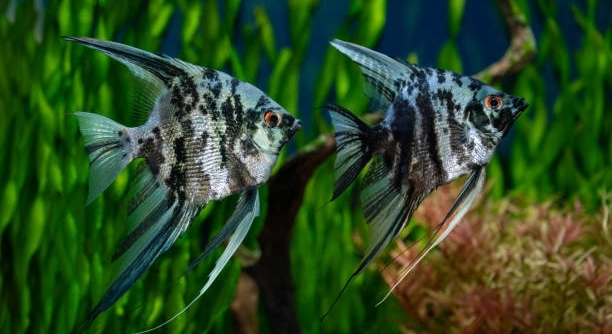
Angelfish are beautiful and popular aquarium pets, but sometimes they develop health issues like fin rot. This condition can be alarming for any fish owner, but understanding its causes is the first step to preventing and treating it.
Fin rot in angelfish is commonly caused by poor water quality, overcrowding, injury, improper diet, or stress. Bacterial or fungal infections often follow these triggers, causing the fins to deteriorate. Immediate care and a clean environment can help prevent further damage.
In this article, we’ll explore the main causes of fin rot in angelfish and offer tips for maintaining their health.
Poor Water Quality
One of the biggest reasons angelfish get fin rot is poor water quality. When the water in the aquarium becomes dirty, it creates a stressful environment for your fish. High levels of ammonia, nitrites, or nitrates can harm their immune systems, making them more susceptible to infections. Angelfish need clean, well-filtered water to stay healthy.
To maintain proper water quality, you should do regular water changes, clean the tank, and monitor the levels of harmful substances. Using a reliable filter is key to keeping the water clean. It’s also important to avoid overfeeding, as leftover food can quickly pollute the water.
Testing the water regularly is also essential for detecting potential problems early. If you notice any signs of poor water quality, such as cloudy water or unpleasant smells, take immediate action to correct it. Keeping your angelfish’s environment clean and balanced will reduce the risk of infections like fin rot and keep your fish happy and healthy.
Overcrowding and Stress
Overcrowding can lead to stress, which weakens your angelfish’s immune system. When fish are packed too closely together, they’re more likely to injure each other and develop infections. Additionally, stress can make it harder for your fish to fight off illnesses. It’s important to make sure your tank is not overcrowded, as this will give your fish enough space to thrive.
Stress can also be caused by rapid changes in the environment, such as temperature fluctuations or loud noises. Keep the tank in a quiet area and maintain a stable temperature. This helps prevent your angelfish from becoming stressed and vulnerable to fin rot.
Injuries
Injuries from fighting, sharp objects in the tank, or even careless handling can lead to fin rot. Angelfish may tear their fins, creating an entry point for bacteria or fungi. A damaged fin can become infected, causing further tissue decay.
To avoid this, make sure your tank has no sharp objects or decorations that can harm the fish. Also, keep an eye on their behavior. If you notice aggression between your fish, consider rearranging the tank to reduce territorial disputes.
If an injury occurs, clean the water immediately and treat the fish with an appropriate medication. A salt bath or anti-fungal treatment can help prevent infection. Injuries can heal if the environment is clean and peaceful.
Poor Diet
A poor diet can weaken your angelfish’s immune system, leaving them vulnerable to infections like fin rot. Angelfish need a balanced diet with the right nutrients to stay strong and healthy. Without proper nutrition, their fins may not regenerate properly if they get damaged.
Feeding your fish a variety of foods, like high-quality pellets, flakes, and occasional live or frozen food, can ensure they get the vitamins and minerals they need. Be sure to avoid overfeeding, as uneaten food can pollute the water and contribute to poor water quality.
A balanced diet is vital not just for preventing fin rot but also for their overall health. Regularly change their food to keep them interested and ensure they get a full range of nutrients.
Stress from Tank Mates
Aggressive tank mates can cause stress and lead to fin rot. Angelfish are peaceful by nature, but they can be intimidated or injured by more aggressive fish. This stress weakens their immune system and makes them more prone to infections.
To prevent this, choose tank mates that are calm and compatible with angelfish. Avoid placing them with fin-nippers or overly territorial species. Keep the tank peaceful and ensure there’s enough space for everyone to avoid fights and injury.
Poor Tank Conditions
Angelfish need specific tank conditions to thrive. If the water temperature, pH, or hardness is off, it can stress your fish and make them more vulnerable to illness. Maintaining stable conditions helps support their immune system.
Make sure your tank’s temperature is between 76-82°F (24-28°C), with a pH level around 6.8 to 7.8. Regularly test the water to ensure it’s within the correct range and adjust accordingly. Also, avoid sudden changes in conditions, as this can cause unnecessary stress.
Lack of Proper Maintenance
Not maintaining the tank regularly can lead to poor water quality, which can contribute to fin rot. Skipping water changes or not cleaning the filter can allow harmful substances to build up in the water.
Make it a habit to do weekly water changes and check the filter for clogs. Clean the substrate and remove any debris to keep the water fresh. This will prevent harmful bacteria or fungi from thriving, reducing the chances of your angelfish developing infections like fin rot.
FAQ
What are the first signs of fin rot in angelfish?
The first signs of fin rot usually include frayed or discolored fins. The edges of the fins may appear ragged, turning black or brown. As the condition worsens, the fins may deteriorate, and the tissue might begin to rot away. If untreated, it can spread to the body.
How can I prevent fin rot in my angelfish?
To prevent fin rot, you need to maintain excellent water quality. Regular water changes, using a good filtration system, and testing the water frequently will help keep harmful bacteria at bay. Avoid overcrowding the tank and ensure that the fish aren’t stressed. Providing a proper diet also strengthens their immune system.
Can I treat fin rot at home?
Yes, fin rot can often be treated at home. Start by isolating the infected fish in a separate quarantine tank if possible. Keep the water clean and add aquarium salt to help with healing. You may also want to use an antibacterial or antifungal medication, depending on the severity.
What should I do if my angelfish’s fins start rotting?
If your angelfish’s fins start rotting, immediately check the water quality. Poor water conditions are often the cause, so make sure to do a partial water change. Add a salt bath to treat the fish and monitor it closely. If necessary, use specialized medication to treat the infection.
Is fin rot contagious to other fish?
Yes, fin rot is contagious. Bacteria or fungi that cause fin rot can spread to other fish, especially if the water quality is poor. If you notice one fish showing symptoms of fin rot, it’s important to quarantine it to prevent further spread. Maintaining good tank hygiene will also help keep other fish safe.
Can poor diet cause fin rot in angelfish?
A poor diet can indirectly contribute to fin rot. Angelfish with a weakened immune system due to lack of nutrients are more susceptible to infections like fin rot. Ensure your angelfish receives a balanced diet with a variety of food, such as pellets, flakes, and occasional live or frozen options.
How long does it take for fin rot to heal in angelfish?
The healing time for fin rot depends on how severe the infection is and how quickly you address the issue. Minor cases can start to improve within a few days, while more severe infections may take weeks to fully heal. Consistent treatment and proper water conditions will speed up recovery.
Should I remove the dead tissue from my angelfish’s fins?
It’s not necessary to remove dead tissue manually unless it’s causing the fish significant distress. In some cases, removing tissue can make the situation worse by introducing more bacteria. Instead, focus on keeping the water clean and using treatments that will help the tissue heal naturally.
What can cause sudden fin rot in angelfish?
Sudden fin rot in angelfish is often triggered by a rapid change in water conditions or stress. This could be caused by overcrowding, a sharp increase in ammonia levels, or a sudden temperature drop. Poor diet, injury, or poor tank maintenance are also common factors.
Can I use aquarium salt to treat fin rot?
Yes, aquarium salt can help treat fin rot by improving the fish’s osmoregulation and reducing stress. It also acts as a mild disinfectant. You can dissolve salt in the quarantine tank, but ensure you’re using the right amount for your tank size to avoid harming the fish. Be sure to remove salt once the treatment is complete.
What medications should I use to treat fin rot?
The type of medication depends on whether the cause of fin rot is bacterial or fungal. For bacterial infections, antibiotics like erythromycin can be used. For fungal infections, antifungal treatments like formalin or copper-based medications may be necessary. Always follow the instructions on the medication label and monitor your fish closely.
Can fin rot cause death in angelfish?
Yes, if left untreated, fin rot can lead to death. The infection can spread to the body and cause sepsis, ultimately affecting the fish’s internal organs. If you notice signs of fin rot, it’s crucial to address the problem promptly by improving water quality, isolating the fish, and using appropriate treatments.
Do I need to change the water if my angelfish has fin rot?
Yes, you should change the water frequently if your angelfish has fin rot. Clean, fresh water will help reduce the bacteria and toxins that can worsen the infection. Make sure to keep the water temperature stable and test the water to ensure it’s within the ideal range for angelfish.
Can I prevent fin rot by adding more plants or decorations in the tank?
While adding plants or decorations may enhance the aesthetic of the tank, they don’t directly prevent fin rot. However, they can provide hiding spots and reduce stress by creating a more natural environment for your angelfish. Just make sure that any decorations are smooth and free from sharp edges to avoid injuries.
Is it safe to treat fin rot in a community tank?
Treating fin rot in a community tank can be tricky, as some treatments may affect other species. If you need to treat with medications, it’s best to move the infected fish to a quarantine tank to avoid harming other fish. If that’s not possible, make sure the treatment is safe for all species in the tank.
Final Thoughts
Fin rot in angelfish is a serious condition, but with the right care and attention, it’s often preventable and treatable. The most important step is ensuring your fish live in a clean and stable environment. Poor water quality is the main cause of fin rot, so regular water changes and maintaining the right water parameters are essential. By keeping the tank clean, you help your angelfish avoid the harmful bacteria or fungi that can lead to fin rot.
In addition to water quality, keeping your angelfish stress-free is another key factor. Stress weakens their immune system, making them more vulnerable to diseases like fin rot. Overcrowding the tank, placing aggressive tank mates with your angelfish, or having sudden changes in temperature can all increase stress levels. By providing a calm, peaceful environment with appropriate tank mates, you can help prevent stress-related issues that may lead to fin rot.
Lastly, a balanced diet is crucial for the health of your angelfish. Poor nutrition can weaken their immune systems, making it harder for them to fight off infections. Ensure your fish receive a variety of food types and high-quality nutrients. In cases where fin rot does occur, addressing it early can make all the difference. Promptly treating the issue with proper medication, salt baths, or quarantining affected fish can help them heal. Keep monitoring your tank and your fish, and remember that consistency in care is key to ensuring your angelfish live a long, healthy life.

Hello,
If you enjoy the content that we create, please consider saying a "Thank You!" by leaving a tip.
Every little bit helps us continue crafting quality advice that supports the health, happiness, and well-being of pets around the world, for pets of all shapes, sizes, and species.
We really appreciate the kindness and support that you show us!