
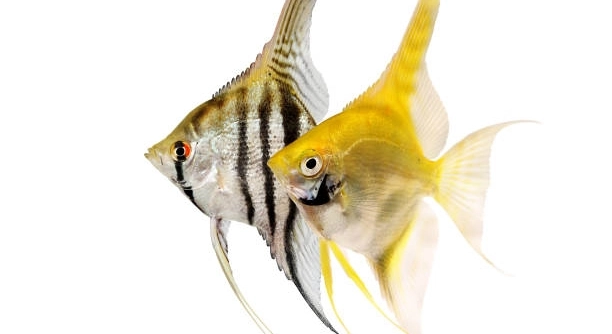
Angelfish are beautiful and popular aquarium fish, but maintaining proper water flow in their tank is essential for their well-being. Proper circulation helps prevent stagnant water, encourages natural behaviors, and ensures a healthier environment for your fish.
The best ways to improve water flow in an angelfish tank include adjusting the filter, using a water pump, creating surface agitation, and properly positioning decorations. Each technique promotes better water circulation and minimizes dead spots, contributing to a healthier tank.
Understanding these methods will help you optimize your tank’s environment, creating a more suitable habitat for your angelfish. Keep reading to find out how to enhance your tank’s water flow effectively.
Adjust the Filter for Better Circulation
The filter is one of the most effective tools for improving water flow in an angelfish tank. It’s important to choose a filter that suits your tank size and provides the correct flow rate for your fish. Too much flow can stress out the angelfish, while too little flow can cause the water to stagnate, creating an unhealthy environment. Ensure the filter is properly cleaned and maintained so it can function optimally. The filter should be positioned near the tank’s surface to create surface agitation, which will help oxygenate the water.
Proper filter placement can significantly improve water flow and help your angelfish thrive. When you clean the filter, check the impeller and other components to ensure they’re not clogged. If necessary, replace parts to maintain its efficiency.
In some cases, you may want to use a filter with adjustable flow settings, so you can customize the strength of the water current to match the needs of your angelfish. The right balance ensures healthy water circulation without stressing your fish.
Use a Water Pump for Increased Flow
Water pumps are an easy way to boost water movement in your tank. They can be used to direct water to areas where flow may be lacking. Adding a water pump will help create a more even distribution of water throughout the tank. If your aquarium has dead spots where water doesn’t circulate well, a pump can eliminate these stagnant areas.
Adding a pump will help push water through the tank more efficiently. This increased circulation prevents debris from accumulating in one area, which can lead to poor water quality. It also helps ensure that oxygen is distributed evenly throughout the tank.
Make sure the pump is appropriately sized for your tank. Too large a pump can cause too much current for the angelfish, while too small a pump may not be effective in creating the desired flow. Position it carefully to avoid creating excessive turbulence that could stress the fish.
Position Decorations to Promote Flow
Tank decorations are not just for looks. They play a role in directing and breaking up water flow. Large items like rocks, plants, and driftwood can disrupt water currents and help create flow patterns that suit the angelfish. When arranging decorations, try to avoid blocking the flow from the filter or pump. Instead, use them to guide the water into different areas of the tank.
A well-planned decoration layout ensures that water circulates more effectively without leaving any stagnant areas. When using plants, especially live ones, place them where they can help filter the water naturally and encourage movement. Avoid overcrowding the tank, as too many items can obstruct the flow.
Remember that the positioning of your decorations can also affect your angelfish’s swimming habits. Providing a mix of open spaces and areas with mild currents lets the fish move freely without stress. Take time to adjust the layout for optimal water flow.
Consider Surface Agitation for Oxygenation
Surface agitation is a simple way to improve water quality and oxygen levels in your tank. This process is key to ensuring that oxygen is exchanged at the water’s surface, which is vital for your angelfish’s health. Adding a surface skimmer or adjusting the filter to create gentle waves on the surface helps achieve this.
The importance of surface agitation cannot be overstated. In stagnant water, oxygen can become depleted, which negatively impacts the health of your fish. Angelfish, like many tropical species, rely on oxygen-rich water to thrive. Therefore, encouraging water movement at the surface will keep the tank’s oxygen levels balanced.
To create surface agitation, avoid overly strong currents that could stress your fish. A slight ripple is often enough to help oxygenate the water without causing turbulence. Make adjustments as needed to keep the environment comfortable for your angelfish.
Add a Sponge Filter for Gentle Flow
Sponge filters are a great option if you need a gentle flow in your angelfish tank. They create minimal water movement, making them ideal for angelfish, who prefer calmer currents. These filters also provide biological filtration, helping to maintain water quality by removing harmful substances.
Place the sponge filter in an area of the tank where it can circulate water without disturbing the angelfish. It should be positioned close to the substrate but not directly in the path of the fish. By doing so, you ensure that the water stays clean while still maintaining a peaceful environment.
Sponge filters are particularly beneficial in tanks with young or delicate fish. Their gentle movement won’t stress out the fish and can help maintain a stable environment for breeding or rearing. It’s also easy to maintain, requiring minimal cleaning compared to other filter systems.
Use a Powerhead for Targeted Flow
Powerheads are versatile tools that allow you to create targeted water flow in specific areas of your tank. They can be used to improve circulation without creating strong currents that might stress your angelfish. This helps to ensure that water moves evenly throughout the entire tank.
When using a powerhead, position it near areas that tend to get stagnant. This might be corners or spots where your filter or pump can’t reach effectively. The powerhead helps to push water into these areas, eliminating dead zones and keeping the tank cleaner.
The powerhead should be set to a low flow rate to prevent unnecessary turbulence. Adjust the direction of the nozzle to ensure that the flow isn’t too harsh for your angelfish. This way, you create balanced water movement throughout the tank while keeping the fish comfortable.
Redirect Flow with a PVC Pipe
Using PVC pipes can help redirect water flow without overwhelming your angelfish. These simple devices can be attached to your filter or pump to guide water to specific parts of the tank. By directing the flow, you can improve circulation and reduce areas of stagnation.
The pipe should be angled in such a way that it doesn’t create direct current in the areas where your fish typically swim. Redirecting the flow helps to ensure even water movement across the tank. This allows for better distribution of oxygen and prevents debris from collecting in the corners.
PVC pipes are a low-cost, simple solution for improving water flow. They’re especially useful in larger tanks, where achieving proper circulation can be more difficult. This approach ensures that all parts of your tank benefit from consistent water movement.
Check Tank Placement for Better Flow
The position of your tank can impact water flow. If your tank is placed in an area with poor airflow or too much direct sunlight, it can affect the movement of water inside. Ensure your tank is in a location that allows the equipment to work properly.
Avoid placing the tank in corners or near walls, as this can restrict airflow and water circulation. Make sure there’s enough space around the tank for water to move freely and for filtration devices to function effectively. A well-placed tank allows for better overall water flow.
Use Water Flow Deflectors
Water flow deflectors are simple tools that can be attached to filters or powerheads to redirect water flow in your tank. These deflectors help control the direction of the current, making it gentler for your angelfish. They are especially useful if you want to minimize direct water movement.
Deflectors are easy to install and can be adjusted to redirect the current where needed. By using a deflector, you can prevent strong currents from affecting the fish while still ensuring proper circulation throughout the tank. This helps create a more balanced environment for your angelfish.
Maintain Regular Tank Cleaning
Regular tank maintenance is crucial for optimal water flow. When algae, debris, or excess waste accumulate in the tank, it can hinder water movement and cause filtration systems to become less effective. Clean your tank regularly to ensure all equipment works efficiently and that water circulates properly.
Removing debris, cleaning filters, and ensuring that water is properly oxygenated helps to maintain a healthy environment for your fish. It also prevents the buildup of harmful substances that could affect the flow and quality of the water. Regular cleaning ensures your tank’s systems stay effective and your angelfish remain healthy.
FAQ
How can I tell if my angelfish tank has good water flow?
Good water flow in an angelfish tank can be judged by observing a few key factors. The water should move consistently, with no areas of stagnation. Angelfish should swim comfortably throughout the tank, not avoiding certain parts where the current may be too strong or too weak. If you notice that debris or food particles are collecting in one spot, it could mean that the water flow isn’t circulating properly. Additionally, a gentle ripple at the water’s surface is a good sign that oxygen is being exchanged, helping maintain healthy water conditions.
Is too much water flow bad for angelfish?
Yes, too much water flow can stress your angelfish. Angelfish are not strong swimmers and prefer calm, slow-moving water. Excessive current can prevent them from swimming comfortably and may cause them to hide or become more stressed, which can lead to health issues. It’s important to create a balanced water flow that allows for circulation without overpowering the fish. If you find that your angelfish are constantly being pushed around or seem fatigued, it’s a sign the flow may be too strong, and adjustments should be made.
Can I use a strong filter for my angelfish tank?
Using a strong filter can work, but it’s essential to make sure it’s adjustable. A powerful filter can provide excellent filtration, but it may also create a current that’s too strong for angelfish. You can install a filter with adjustable flow settings so that you can fine-tune the strength of the current. If the filter’s flow is too strong, you can try adding a flow deflector or redirect the flow with decorations to prevent overwhelming the fish. A balanced filtration system will ensure both clean water and a comfortable current for your angelfish.
What type of filter is best for angelfish?
For angelfish, a sponge filter or a gentle hang-on-back (HOB) filter is often ideal. Sponge filters provide biological filtration while keeping water flow mild and gentle. They’re also great for breeding tanks or smaller aquariums. A hang-on-back filter can also work well if it has an adjustable flow rate, allowing you to control the strength of the current. It’s important to choose a filter that fits the size of your tank and can efficiently filter the water without creating too much turbulence.
Should I use a powerhead in an angelfish tank?
A powerhead can be useful in an angelfish tank if placed carefully. While powerheads are great for increasing circulation, they can generate strong currents that may not be suitable for angelfish. If you use a powerhead, ensure that it’s positioned where it won’t directly affect the fish. You can also use a powerhead with a diffuser or flow deflector to reduce the intensity of the current and direct it where it’s needed most. The goal is to enhance circulation without creating disruptive currents that stress your angelfish.
How do I know if my angelfish are stressed by the water flow?
Signs that your angelfish are stressed by water flow include hiding more than usual, having difficulty swimming, or avoiding certain parts of the tank. Angelfish that are being pushed around by strong currents may appear lethargic, and their fins might be clamped or held close to their bodies. They may also become less active, swimming only in sheltered areas where the current is weaker. If you notice these behaviors, it’s likely that the water flow is too strong, and you should adjust the current or filter settings accordingly.
How can I prevent dead spots in my angelfish tank?
Dead spots are areas where water doesn’t circulate well, leading to a buildup of waste, debris, and uneaten food. To prevent them, make sure your filtration system is properly sized and positioned. Consider adding a water pump or powerhead to boost circulation in areas that are hard to reach with the main filter. You can also rearrange decorations or rocks to ensure they aren’t blocking the flow. Regular water movement is essential, so check that your filter and water pumps are clean and functioning properly to keep all areas of the tank well-circulated.
Is surface agitation necessary in an angelfish tank?
Yes, surface agitation is necessary to maintain proper oxygen levels in your tank. Angelfish require oxygen-rich water to thrive, and surface agitation helps facilitate the exchange of gases, ensuring that oxygen enters the water and carbon dioxide escapes. A gentle ripple on the surface will keep the water oxygenated without causing excessive current that could stress the fish. You can achieve this through a properly positioned filter, air stone, or surface skimmer. Surface agitation also prevents the accumulation of oils and debris on the surface, which can reduce water quality.
What should I do if the water flow is too strong for my angelfish?
If the water flow is too strong for your angelfish, there are a few things you can do to reduce the current. First, check if your filter has adjustable settings, and lower the flow rate if possible. If you’re using a powerhead or pump, you can add a flow deflector or adjust the direction of the current to make it gentler. You can also position decorations or plants in a way that breaks up the current, creating calmer areas where your fish can rest. Reducing the flow will help your angelfish feel more comfortable and reduce stress.
Can I use live plants to help with water flow?
Yes, live plants can help with water flow by naturally filtering the water and creating more gentle currents. Plants like Anubias, Java Fern, and Amazon Sword can be used strategically to break up strong currents and create areas of calm water. They also help oxygenate the water and absorb excess nutrients, contributing to better overall tank health. When using plants to improve water flow, be mindful of their placement so that they don’t block the filter’s flow or impede circulation in critical areas.
How often should I clean my angelfish tank for optimal water flow?
Regular tank cleaning is essential to maintain good water flow. You should clean the tank’s filter at least once a month to prevent clogging and ensure efficient filtration. In addition, perform partial water changes every one to two weeks, removing debris from the substrate and wiping down decorations to prevent waste buildup. Cleaning the tank regularly ensures that your filtration system works properly, and it also helps maintain healthy water quality, which is essential for optimal water flow and overall tank health.
Final Thoughts
Maintaining proper water flow in your angelfish tank is crucial for their health and well-being. These fish thrive in environments where the water is clean, oxygenated, and free from stagnant areas. Proper circulation helps prevent the buildup of harmful substances, ensuring that your angelfish live in a comfortable and safe environment. By making simple adjustments to your tank setup, such as choosing the right filter, using water pumps, and arranging decorations strategically, you can create an optimal flow for your fish. Regular maintenance, such as cleaning the filter and doing water changes, will also help maintain consistent water flow.
Remember, it’s important to balance the flow in your tank. Angelfish prefer calm water, so a flow that’s too strong can cause stress and discomfort. On the other hand, a tank with poor circulation can lead to stagnant areas where debris and waste accumulate. Finding the right balance may take some trial and error, but it’s worth the effort to ensure that your angelfish remain happy and healthy. The goal is to create a gentle yet effective flow that mimics their natural habitat without overwhelming them.
With the right approach, improving water flow in your angelfish tank is achievable and can greatly benefit the overall tank environment. Whether you’re using filters, water pumps, or simply rearranging decorations, small changes can make a big difference. Be patient and adjust the flow as needed. Keeping an eye on your angelfish’s behavior will also help you determine if the current is too strong or too weak. A well-maintained tank with optimal water flow will not only support your angelfish’s health but also make your aquarium more enjoyable to care for.

Hello,
If you enjoy the content that we create, please consider saying a "Thank You!" by leaving a tip.
Every little bit helps us continue crafting quality advice that supports the health, happiness, and well-being of pets around the world, for pets of all shapes, sizes, and species.
We really appreciate the kindness and support that you show us!