
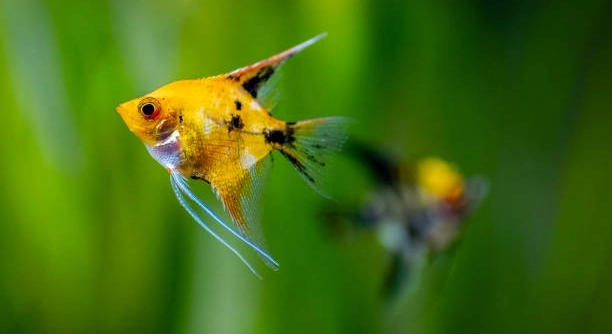
Angelfish are beautiful and captivating creatures, but they can sometimes display odd behaviors, such as avoiding bubbles. This can leave fish owners wondering what might be causing their fish to act this way.
Angelfish may avoid bubbles due to various reasons, including stress, health issues, or an unfavorable environment. Factors like water quality, tank mates, and bubble intensity could contribute to this behavior, making the fish uncomfortable or frightened.
Understanding these potential causes will help ensure your angelfish thrives in a healthy environment, free from unnecessary stressors.
Water Quality and Temperature
Poor water quality is one of the main factors influencing your angelfish’s behavior. When the water parameters are off, fish can become stressed and may avoid areas with bubbles. Angelfish are sensitive to changes in water temperature, pH, and ammonia levels. If the water is too warm or cold, or if the tank contains harmful toxins, they will try to stay away from stressful areas. Proper filtration and regular water changes are key to maintaining a healthy environment for your fish.
Testing your tank’s water regularly is essential to ensure that levels of ammonia, nitrites, and nitrates remain low. This can prevent your angelfish from becoming anxious and avoiding bubbles. Additionally, the water temperature should be kept at a consistent range of 76-82°F (24-28°C) to keep your fish comfortable.
If your fish seems to be avoiding bubbles, check the water parameters first. Correcting these issues can quickly alleviate the problem and improve their overall health.
Tankmates and Stress
Sometimes, the behavior of tankmates can lead to your angelfish avoiding bubbles.
Aggressive or overly active tankmates can cause stress for angelfish, making them hesitant to explore areas with bubbles. Fish like cichlids or fast swimmers may disrupt your angelfish’s routine, creating an environment where they feel constantly threatened. If your angelfish is constantly on alert, it may avoid certain tank features, like bubble walls or aerators, to seek shelter and safety.
If possible, separate aggressive fish or add more hiding spots for the angelfish to feel secure. This can help reduce stress levels and allow them to behave more naturally in the tank. Over time, the fish may become more comfortable with bubbles once they feel safer in their environment.
Bubble Intensity
The intensity of bubbles in the tank can affect your angelfish’s comfort level. Too many bubbles or excessively strong air pumps can create a chaotic environment that disrupts their peace.
Angelfish prefer calm water with gentle movement. High-intensity bubbles from aerators or air stones can overwhelm them, making them avoid these areas. If the bubbles are too strong, it may cause physical stress or force them to swim in places where they feel safer.
Adjusting the bubble output can make a significant difference. Ensure the aerator or pump is set to a low or moderate flow. This adjustment allows your angelfish to enjoy the bubbles without the discomfort of being overwhelmed. By controlling the intensity, you can create a balanced, stress-free environment.
Health Issues
Illness can sometimes cause your angelfish to avoid certain areas in the tank, including where the bubbles are located.
If your angelfish is unwell, it may exhibit unusual behavior, like avoiding bubbles. Illnesses such as parasites, fin rot, or swim bladder problems can make your fish more sensitive to changes in their environment. This discomfort could lead them to swim away from active areas, including places with bubbles.
If you suspect your angelfish is ill, it’s important to monitor for other signs, such as changes in swimming patterns, appetite, or physical appearance. Treating the underlying health issue can restore normal behavior. By ensuring your fish is healthy, it will feel more comfortable and less likely to avoid bubbles in the tank.
Tank Size
An overcrowded tank can cause your angelfish to avoid bubbles. When fish are packed too closely together, the available swimming space shrinks, and the overall environment becomes more stressful.
Angelfish require adequate space to move freely. In a cramped tank, they may feel trapped and anxious, which can make them more likely to avoid areas with bubbles. It’s crucial to ensure your tank is large enough for your fish to thrive.
A general rule is to provide at least 20 gallons for a pair of angelfish, with additional space for each new fish added. This will give them room to swim and reduce stress, making it easier for them to interact with all tank features, including bubbles.
Water Flow
Angelfish prefer slow to moderate water flow. A high water current can make them avoid certain areas, including those with bubbles.
If the water flow in your tank is too strong, angelfish may find it difficult to swim comfortably. They may avoid areas where the current or bubbles are most intense, staying in calmer parts of the tank. Adjusting the filter or aerator flow to a gentler setting will allow your fish to move freely. This adjustment will make the environment more comfortable for them.
Environmental Changes
Sudden changes in the environment can cause stress and make angelfish avoid bubbles.
Whether it’s a shift in water parameters or changes in the tank setup, angelfish may become confused or anxious. Fish can take time to adjust to new conditions, so it’s important to give them time to adapt before making more changes.
FAQ
Why do angelfish avoid bubbles?
Angelfish may avoid bubbles for several reasons, including stress from strong water currents, poor water quality, or the presence of aggressive tankmates. They also might avoid areas with bubbles if they feel unwell or overwhelmed by the intensity of the bubbles. Since angelfish prefer calmer water, the bubbles might disrupt their peace, leading them to stay away from these areas.
How do I reduce stress for my angelfish?
To reduce stress, make sure your angelfish’s environment is stable and calm. Provide ample swimming space and ensure there are enough hiding spots for them to retreat when they feel threatened. Regularly check the water quality and maintain a steady temperature. Additionally, avoid overcrowding the tank and remove aggressive fish.
Can bubble intensity affect angelfish?
Yes, excessive bubble intensity can cause stress. If the air pump is too strong, it can create turbulence in the water, making angelfish uncomfortable. They prefer calm environments, and bubbles that are too intense may disrupt their natural behavior. Adjusting the air pump to a lower setting will help reduce the stress caused by high bubble intensity.
Is the tank size important for angelfish?
Yes, the tank size is very important. Angelfish need enough space to swim freely and avoid overcrowding. A cramped tank can increase stress and cause them to avoid certain areas, including those with bubbles. A minimum of 20 gallons is recommended for a pair of angelfish, with extra space for each additional fish.
Can angelfish be affected by other tankmates?
Tankmates can significantly affect the behavior of angelfish. Aggressive fish or overly active species can create a stressful environment, causing your angelfish to avoid certain parts of the tank, including areas with bubbles. It’s important to choose peaceful and compatible tankmates to ensure the well-being of your angelfish.
How can I improve water quality for angelfish?
To improve water quality, perform regular water changes, ideally 25-30% every two weeks. Check the levels of ammonia, nitrites, and nitrates to ensure they are within safe limits. Use a reliable filtration system to keep the water clean, and monitor the temperature to stay within the recommended range of 76-82°F (24-28°C).
Why is my angelfish swimming in circles?
Swimming in circles can indicate stress, illness, or poor water quality. If your angelfish is swimming in circles, check the water parameters first to ensure they are stable. It can also be a sign of swim bladder disorder, so observe the fish for any other signs of illness. A stressed fish may exhibit erratic swimming behavior, and treating the cause will help the angelfish return to normal behavior.
Should I adjust the filter flow for my angelfish?
Yes, adjusting the filter flow is crucial for angelfish. They prefer slow or moderate water flow, as strong currents can stress them out and lead to them avoiding certain areas, including where the bubbles are. Lowering the filter flow can help create a more comfortable environment for your fish.
How can I tell if my angelfish is stressed?
Signs of stress in angelfish include erratic swimming patterns, hiding more than usual, loss of appetite, or changes in coloration. A stressed angelfish may also exhibit rapid gill movement or appear to be gasping for air near the surface. Regularly monitor water conditions and remove any aggressive tankmates to help alleviate stress.
Can poor health cause my angelfish to avoid bubbles?
Yes, poor health can make your angelfish more sensitive to their environment, including bubbles. If your fish is sick, it may feel weak or disoriented and avoid areas with high water movement or bubbles. Monitor for other signs of illness, such as changes in appearance or behavior, and treat accordingly.
How do I maintain a stable environment for my angelfish?
To maintain a stable environment, regularly check the water temperature, pH, ammonia, and nitrate levels. Avoid sudden changes in the tank setup and introduce new fish gradually. Keep the tank clean by performing water changes and ensuring the filtration system is working properly. Stability is key to your angelfish’s health and comfort.
Can I use bubble walls for my angelfish tank?
Bubble walls can be used, but it’s important to adjust the air pump to a gentle setting. Angelfish don’t typically enjoy strong water movement, so a low-intensity bubble wall will provide a gentle flow without causing stress. Ensure there are still areas of calm water where your fish can retreat if needed.
How can I help my angelfish feel more secure in their tank?
Adding plants, rocks, and other hiding spots can help your angelfish feel more secure. These areas provide shelter and places to rest. The addition of these elements helps reduce stress and gives the angelfish a sense of safety, allowing them to move around the tank without fear of being chased or disturbed.
Is there a way to reduce bubbles in my tank without removing them?
Yes, you can reduce bubbles by adjusting the air pump to a lower setting or using an air stone with smaller holes to reduce the output. Consider using a sponge filter that provides gentle water movement. These changes will keep your tank environment calm while still providing aeration.
Final Thoughts
Understanding why your angelfish avoids bubbles is key to maintaining a healthy and comfortable tank environment. There are several reasons your angelfish may be avoiding bubbles, such as stress from high-intensity water flow, an overcrowded tank, or even illness. Angelfish are naturally calm creatures and tend to shy away from areas where the water movement is too intense. The intensity of the bubbles in your tank may cause them to feel overwhelmed, pushing them to seek more peaceful spots. Ensuring a balanced flow of water and giving them enough space can help reduce their stress and encourage them to engage with the tank’s features, including bubbles.
To help your angelfish feel comfortable and at ease, focus on providing a stable environment with optimal water conditions. Regular water changes, appropriate tank size, and monitoring water parameters are essential for keeping your angelfish healthy. Additionally, the presence of calm, compatible tankmates plays a significant role in their well-being. Aggressive fish or those that disrupt the tank’s balance can make your angelfish more anxious and less likely to interact with certain areas. By addressing these factors, you can create a peaceful environment where your angelfish can swim freely and safely.
Finally, it’s important to remember that each angelfish is unique, and their behavior may vary. While some may enjoy interacting with bubbles, others may avoid them due to personal preferences or discomfort. By paying attention to your fish’s behavior and adjusting the environment accordingly, you can ensure their health and happiness. A little observation and care go a long way in making sure your angelfish feel at home in their aquatic space. A comfortable tank setup is essential for encouraging natural behavior and improving the overall quality of life for your fish.

Hello,
If you enjoy the content that we create, please consider saying a "Thank You!" by leaving a tip.
Every little bit helps us continue crafting quality advice that supports the health, happiness, and well-being of pets around the world, for pets of all shapes, sizes, and species.
We really appreciate the kindness and support that you show us!