
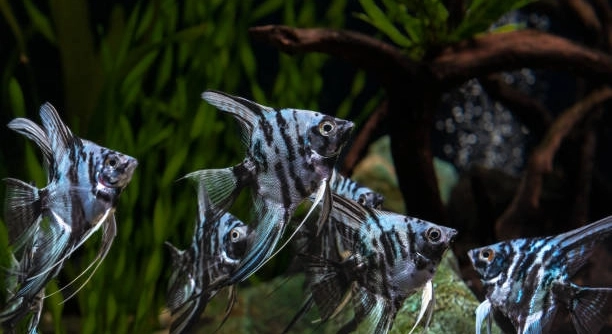
Is your angelfish spending more time in one area of the tank and avoiding another without any obvious reason? This kind of behavior can be concerning, especially if it continues for several days or more.
Angelfish may avoid specific areas of the tank due to stress, poor water conditions, territorial behavior, strong currents, incompatible tank mates, lighting issues, or the presence of reflective surfaces. Identifying the root cause is essential for correction.
Understanding the potential causes can help you create a more comfortable environment and reduce unwanted stress for your angelfish. Let’s take a closer look at what might be happening inside your tank.
Poor Water Quality
One of the most common reasons an angelfish avoids certain areas is poor water quality. If the water parameters are off, fish may feel discomfort or even pain, prompting them to stay in a safer or more stable area of the tank. Elevated levels of ammonia or nitrite, or low oxygen concentration, often create hotspots that angelfish instinctively avoid. Regular testing and monitoring can help you identify these problems early. Clean your tank regularly, perform partial water changes, and ensure the filter is functioning properly. Always dechlorinate tap water before adding it to the tank. Poor water conditions affect angelfish health quickly, so it’s important to act fast.
Ammonia pockets and low-oxygen zones usually develop in under-filtered or overcrowded aquariums. Watch for slow movement or gasping near the surface.
Use a reliable water testing kit to check pH, ammonia, nitrite, and nitrate levels. Keep the tank clean, use quality equipment, and avoid overfeeding.
Territorial Behavior
Angelfish are known to become territorial, especially as they mature or if they are preparing to breed. In a shared tank, this can lead to some areas becoming “claimed” spaces where other angelfish, or even the same individual, will avoid to prevent conflict. This kind of behavior is more noticeable when there are limited hiding spots or the tank size is too small for the number of fish present. Rearranging decorations or adding more plants can disrupt territorial boundaries and reduce aggression. Providing visual barriers can help fish feel more secure and prevent them from locking into fixed zones. Observe their interactions closely to determine if aggression is the cause.
Always ensure there is enough space for each angelfish. Smaller tanks can make territorial issues worse.
A 30-gallon tank is typically recommended for a pair of adult angelfish. If you have multiple fish, increase the size accordingly and add vertical structures, such as tall plants or rocks. These features create natural boundaries, giving fish more options to escape or hide if needed. Avoid placing too many angelfish in one tank, as this increases competition for territory and can lead to persistent avoidance of certain areas. Watch for signs like chasing, fin nipping, or flaring to identify dominant behavior.
Strong Water Current
Angelfish prefer calm waters, so a strong current can make certain areas of the tank uncomfortable. If your filter output is too strong or poorly directed, it may create a flow they avoid.
You might notice your angelfish sticking to corners or hiding behind decorations. This behavior usually means they’re seeking shelter from strong movement. Use adjustable filters or baffles to control flow, especially near open areas. Adding tall plants or rocks can break up the current and create more resting zones. Check if they avoid only the area closest to the filter. If so, reduce the output speed or redirect the flow against the tank wall.
Calmer areas of the tank are important for angelfish to rest and feel secure. If you recently upgraded or cleaned your filter, it may now be pushing water more forcefully than before. Observe how your fish swim—if they seem to struggle or only hover in low-flow zones, it’s time to make adjustments. Use sponge filters or spray bars for gentler circulation, and spread out decorations to help diffuse the water flow. Consistently strong currents can lead to stress, reduced appetite, and eventually illness. Keeping the flow steady but soft supports healthier, more relaxed behavior.
Aggressive Tank Mates
Angelfish can become stressed or withdrawn when housed with overly active or aggressive fish. If another species is chasing or nipping at your angelfish, they may start to avoid shared spaces altogether for safety.
Even semi-aggressive fish like barbs or cichlids can cause trouble in a community tank. Watch for signs like fin damage, rapid swimming, or hiding. Angelfish are more passive and tend to back off rather than fight. Rearranging the tank, separating fish, or creating visual breaks can reduce the problem. Avoid keeping them with fish known for territorial behavior or constant movement, as this creates tension.
Try to match your angelfish with peaceful tank mates like corydoras, mollies, or platies. Monitor any new additions closely for a few days. If aggression continues, consider moving the offender to a separate tank. Aggressive interactions may not be constant but still enough to create fear. Fish have good memories when it comes to bullying, and angelfish will remember the areas where they were harassed. Stress from frequent chasing leads to hiding, color loss, and even illness. Preventing aggression early helps maintain a stable tank where all species feel secure and active.
Lighting Issues
Bright lights can make angelfish feel exposed, especially if there are no plants or decorations to provide shade. If one area of the tank is overly lit, they might avoid it to feel safer and more relaxed.
Uneven lighting can also cause confusion or stress. Fish may stick to dimmer areas where they feel hidden from view. Try using adjustable lighting and include floating plants to soften the effect.
Reflective Surfaces
Glass reflections can confuse or startle angelfish. If they see their own reflection repeatedly in a specific area, they might think it’s another fish and avoid that space.
Covering parts of the glass or adjusting the lighting angle can help reduce reflection. Adding background covers also makes a difference.
Lack of Hiding Spots
A tank without enough cover makes fish feel unsafe. Angelfish need plants, caves, or decorations to hide behind. If one side lacks these features, they may avoid it altogether.
Adding vertical structures or bushy plants encourages natural movement and helps angelfish feel more at ease.
FAQ
Can angelfish become territorial over certain tank areas?
Yes, angelfish can become territorial, especially during breeding periods or if they’ve claimed a spot as their safe zone. They may chase away other fish or refuse to leave that area. This behavior often happens near flat surfaces where they might lay eggs. Even outside of breeding, some angelfish simply grow attached to familiar spots and show mild aggression when others come close. Providing multiple hiding places and visual barriers can help reduce this territorial behavior. If space allows, consider separating aggressive pairs from the community tank to maintain a more peaceful environment.
Why does my angelfish hide behind the filter or heater?
Angelfish may hide behind equipment if they feel threatened, stressed, or overwhelmed. These spots often feel secure due to reduced water movement or shadowed lighting. If the rest of the tank feels too bright or open, they’ll gravitate toward darker, enclosed areas. Bullying, loud noises, or sudden environmental changes can also trigger hiding. Check if any other fish are being aggressive or if the lighting is too strong. Softening the tank lights, adding plants, and minimizing noise or motion around the tank can help your angelfish feel more secure and visible throughout the space.
Can sudden changes in the tank cause angelfish to avoid areas?
Yes, changes like new decorations, shifting the filter, rearranging plants, or cleaning can alter a fish’s comfort level. Angelfish are sensitive to their surroundings and may become wary of areas that look or feel unfamiliar. A sudden shift in layout might feel unsafe to them. Gradually introducing changes instead of doing everything at once gives them time to adjust. Observe where they feel comfortable and make small modifications based on their behavior. If avoidance lasts more than a few days, review the new setup to see if anything is casting shadows, producing reflections, or blocking access to calmer zones.
Is it normal for angelfish to avoid corners or specific tank sides?
Yes, some angelfish may avoid corners or specific sides of the tank depending on flow, lighting, or other factors. If there’s a strong filter output, they might stay clear of that area to avoid the current. Bright lighting or visible reflections may also discourage them from entering that space. Additionally, if aggressive fish tend to linger in certain spots, your angelfish will likely avoid them. Make small adjustments—redirect water flow, use dimmer lighting, or add decorations—to make that area feel more comfortable and accessible. Their swimming pattern should improve once the tank conditions are balanced.
How can I tell if stress is the reason for avoidance?
Signs of stress include clamped fins, dull colors, erratic swimming, or loss of appetite. If your angelfish avoids a space and also shows any of these signs, stress may be the cause. Check tank parameters first—ammonia, nitrites, and temperature must be stable. Then, observe interactions with other fish, light levels, and current strength. Often, a combination of minor stressors leads to avoidance behavior. Addressing just one factor may not be enough. Creating a calm, predictable tank environment with plenty of cover usually helps. Keep a routine and avoid making too many changes at once.
Do angelfish eventually adjust to new tank setups?
They usually do, but it can take a few days to a couple of weeks. Angelfish prefer consistency, so even small changes might seem unsettling at first. Avoid rearranging everything at once. If you introduce new decor or move the filter, leave familiar items in place to create a sense of stability. Allow time for the fish to explore on their own terms. Monitor their behavior and gradually add more elements if needed. Over time, most angelfish will begin exploring new areas once they feel safe and less exposed.
Can poor water quality cause area avoidance in angelfish?
Yes, poor water quality can lead to uneven oxygen distribution or unpleasant smells that make fish avoid specific zones. If uneaten food or waste gathers in one spot, it may create localized ammonia spikes or cause oxygen to drop. Regular water changes, gravel vacuuming, and filter maintenance help reduce these issues. Check for dead spots in circulation where debris might settle. A well-balanced tank with even flow keeps water parameters stable across all areas. Testing water weekly and adjusting based on results can prevent discomfort and help angelfish feel comfortable throughout the tank.
Final Thoughts
When an angelfish avoids a certain area in the tank, it’s usually a sign that something in the environment is bothering them. This can range from strong water flow and aggressive tank mates to poor lighting or unfamiliar changes. Understanding how angelfish respond to their surroundings helps identify what might be causing the issue. While it may seem like a small behavior, consistent avoidance of a specific space often points to discomfort, stress, or even fear. Taking a closer look at the tank’s layout, conditions, and daily routines can often reveal the problem.
Angelfish are sensitive to movement, light, sound, and changes in water quality. Their behavior often changes in response to shifts in these factors. Adding new plants, decorations, or equipment should be done slowly to give them time to adjust. If the tank feels too open, they might seek shelter; if the current is too strong, they may avoid certain corners. A peaceful and stable environment makes a big difference in how angelfish move around the tank. Watching their daily patterns, feeding habits, and interactions can tell you a lot about what they’re feeling and whether something needs to be changed.
Creating a balanced tank takes time and small adjustments. Adding plants, adjusting the filter flow, or rearranging decor can help your angelfish feel safer. Regular water tests and tank cleanings are just as important as watching behavior. If your angelfish seems healthy but still avoids an area, try simple changes before assuming something serious is wrong. Be patient and give them time to get used to any updates. Most of the time, their comfort improves once the environment feels calm and familiar again. Paying attention to their needs helps them stay active, curious, and comfortable in every part of the tank.

Hello,
If you enjoy the content that we create, please consider saying a "Thank You!" by leaving a tip.
Every little bit helps us continue crafting quality advice that supports the health, happiness, and well-being of pets around the world, for pets of all shapes, sizes, and species.
We really appreciate the kindness and support that you show us!