
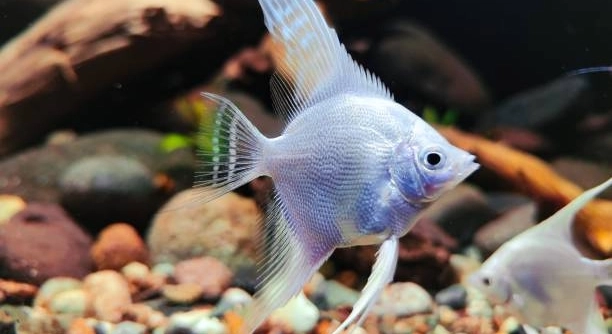
Angelfish are known for their beautiful colors, which often change throughout their lives. Many fish owners notice their angelfish undergoing noticeable shifts in hue. Understanding why this happens can help you care for your fish better.
The color changes in angelfish can result from various factors, including stress, water conditions, and diet. Environmental influences such as lighting and tank mates may also play a role. Each change can indicate different aspects of their health and well-being.
These shifts in color are often harmless but can sometimes signal a need for attention. The following explanations will help you identify the cause and ensure your angelfish is happy and healthy.
Stress from Tank Environment
Angelfish are sensitive to changes in their environment, and stress can lead to noticeable changes in color. Factors like sudden changes in water temperature, incorrect pH levels, or an overcrowded tank may cause your fish to feel stressed. When under stress, angelfish may become darker or show pale spots. They may also display more subdued colors, which could indicate they’re struggling to adapt. The presence of aggressive tank mates or insufficient hiding spaces can exacerbate these stress levels, further affecting their color. Stress can also make angelfish more prone to illnesses, which can intensify the color changes.
If you notice that your angelfish appears stressed, consider adjusting the tank conditions. Make sure the water temperature is stable and check the pH levels regularly. Overcrowding should also be avoided, as each angelfish needs space to feel secure. In some cases, adding plants or decorations can provide much-needed hiding spots to reduce stress.
In addition to the environment, the behavior of other fish in the tank plays a role. If there are aggressive fish present, they may target your angelfish, leading to further stress. It’s essential to carefully monitor interactions and create a peaceful tank environment for all inhabitants.
Diet and Nutrition
A poor diet can also impact an angelfish’s appearance, including its color. Angelfish require a balanced diet with enough vitamins and minerals to maintain healthy skin and vibrant colors. Without proper nutrition, their colors can become dull or pale. A varied diet that includes high-quality flakes, pellets, and live foods ensures your angelfish gets the nutrients it needs. Foods rich in carotenoids, like brine shrimp, can enhance the fish’s color by boosting the orange and red hues. Regularly feeding your angelfish a nutritious diet can prevent color fading and help them stay healthy.
Diet is closely linked to the overall health of your fish. Providing a wide range of foods will allow them to thrive, contributing to better coloration and energy levels.
Lighting Conditions
Lighting plays a significant role in the color of your angelfish. Too much light can cause them to become stressed, leading to color changes. On the other hand, inadequate lighting can cause your angelfish to lose vibrancy. Your tank should have a light cycle that mimics natural daylight, about 10-12 hours a day. This can help your fish maintain their natural colors.
If the light is too harsh, angelfish may display darker colors to protect themselves from excessive light exposure. A softer, more diffused light can help maintain a healthy color balance. Regularly adjusting the light intensity and placement can prevent this issue.
Angelfish naturally adapt to their environment, and the right lighting can help showcase their true colors. If you have artificial lighting, make sure to place it in a way that doesn’t create hotspots or shadows. Consider using low-wattage bulbs or LED lights designed for aquarium use to create a balanced lighting system.
Water Quality
Water quality is crucial for maintaining your angelfish’s health and color. Poor water conditions, such as high levels of ammonia, nitrites, or nitrates, can stress your fish and cause them to lose their vibrant colors. Regular water changes and proper filtration help keep the water clean and clear. Angelfish thrive in slightly acidic to neutral water, with a temperature range of 76-82°F.
Monitoring water parameters is essential to avoid color changes due to poor water quality. Ammonia and nitrites should always be at zero, and nitrates should stay below 20 ppm. Regular testing of the water is the best way to ensure it remains within these safe limits. When the water quality is good, your angelfish will have the right environment to display their natural beauty.
By keeping your water conditions stable and consistent, you ensure your angelfish can thrive without the stress of fluctuating parameters. Healthy water quality supports their overall well-being, including vibrant coloration, and helps prevent any potential health issues.
Genetics
Genetics are a key factor in determining an angelfish’s color. Different breeds and varieties of angelfish may have distinct color patterns. Some fish naturally have brighter or more vibrant colors, while others may be duller. These genetic traits can sometimes cause unexpected color changes.
Even with the same care and environment, genetically different angelfish may show variations in color intensity. Understanding the genetic makeup of your angelfish helps set expectations for their appearance. Some genetic traits may also result in your fish developing new color patterns over time, further highlighting their unique features.
Age
As angelfish age, their color can change. Young angelfish often have brighter colors, while older fish may experience duller or lighter hues. This is a natural part of their life cycle. Age-related color changes are typically gradual, and the shifts can be subtle.
Older angelfish may also experience a more muted tone as they reach full maturity. This fading can be due to less intense pigmentation as they age. However, this is generally not a cause for concern and is just a normal part of their growth.
Illness
Illness can be a major cause of sudden color changes in angelfish. Fish suffering from disease or infections may appear pale, discolored, or have blotches. Diseases such as velvet, ich, or bacterial infections can all lead to these symptoms.
If your angelfish shows signs of illness, such as faded or abnormal coloring, it’s crucial to treat them promptly. Infected fish may also exhibit other symptoms, such as abnormal swimming or lethargy. Early intervention can help prevent the spread of illness and protect the rest of the tank inhabitants.
FAQ
Why is my angelfish turning black?
Angelfish turning black could be a sign of stress or poor water quality. Blackening often happens when the fish are exposed to unfavorable conditions, such as high ammonia or nitrite levels in the tank. The presence of aggressive tank mates can also contribute to this change. Stress can cause dark pigmentation as a way of showing distress. Checking your water parameters and ensuring a peaceful tank environment can help resolve this issue.
Can my angelfish change color naturally?
Yes, angelfish can naturally change color throughout their life. Color changes can occur as they grow or adapt to their environment. For example, younger angelfish may have more vivid colors, while older fish might display more muted tones. The fish’s color can also shift with seasonal changes in lighting or when introduced to new tank conditions. Genetics also play a role, with some fish naturally being more prone to color changes.
How can I prevent my angelfish from losing color?
To maintain your angelfish’s color, it’s essential to provide stable water conditions. Regular water changes and proper filtration can prevent the build-up of harmful substances in the tank. A balanced diet rich in nutrients, particularly carotenoids, can help enhance their natural hues. Keep stress levels low by providing enough space and hiding places. If you notice any changes in their color, assess their environment, diet, and overall health.
What can cause my angelfish to lose their bright colors?
Bright color loss can occur due to poor water quality, stress, or inadequate lighting. If your angelfish isn’t getting enough light, its colors may fade. Stress from overcrowded tanks, incompatible tank mates, or environmental changes can also cause them to lose vibrancy. Additionally, a lack of proper nutrition can lead to duller colors. Regular maintenance and careful observation can help you maintain their color.
Do angelfish change color based on their mood?
Yes, angelfish can change color based on their mood, particularly when they are stressed or threatened. When agitated, they may darken as a response to stress. Similarly, when they are in a calm or relaxed state, their colors may appear brighter and more vivid. This is a natural defense mechanism that helps them adapt to different conditions.
Can angelfish lose their color permanently?
Angelfish can lose their color temporarily due to stress or illness, but if the conditions improve, they should regain their normal color. However, prolonged stress, poor water quality, or a severe disease can lead to permanent color loss. Maintaining a healthy environment and ensuring proper care will prevent such permanent changes.
How often should I feed my angelfish to keep them healthy and colorful?
Feeding your angelfish two to three times a day is usually sufficient. You should offer small portions of high-quality food, such as flakes, pellets, and live or frozen foods like brine shrimp or bloodworms. A balanced diet ensures they get the necessary nutrients to maintain vibrant colors. Overfeeding should be avoided, as it can lead to water quality problems.
Is it normal for my angelfish to change color when breeding?
Yes, it is normal for angelfish to change color during breeding. Female angelfish often become darker or more intense in color when they are ready to spawn. Males may also display brighter or more pronounced hues as part of their courtship behavior. These color changes are temporary and are part of their natural reproductive cycle.
Can water temperature affect the color of my angelfish?
Yes, water temperature can influence your angelfish’s color. Angelfish thrive in warm water, typically between 76-82°F. If the temperature is too low or fluctuates too much, it can cause stress, leading to changes in color. Maintaining a stable temperature within this range will help your angelfish maintain their vibrant colors.
Why are my angelfish pale all of a sudden?
Sudden paleness in angelfish can be caused by stress, illness, or poor water quality. Infected fish may appear pale due to a weakened immune system. If your angelfish are pale, it’s crucial to check the water parameters and monitor them for any signs of illness. A change in diet or lighting can also impact their coloration.
Can I add more fish to my tank if my angelfish are changing colors?
If your angelfish are changing colors due to stress, adding more fish could further exacerbate the situation. Ensure your tank is large enough and that the fish you add are compatible. Overcrowding can lead to increased stress levels, which will likely worsen the color changes. Always monitor the behavior of your angelfish to ensure their well-being.
What are the best tank mates for angelfish to prevent color changes?
The best tank mates for angelfish are peaceful species that won’t stress or harm them. Other non-aggressive fish such as tetras, gouramis, or corydoras are good choices. Avoid adding fish that are territorial or overly active, as they may stress your angelfish, leading to color changes. It’s important to consider the size of your tank and the behavior of the other fish when choosing tank mates.
Is there a connection between lighting and my angelfish’s color?
Yes, lighting has a significant effect on the coloration of angelfish. Bright, direct light can cause them to become stressed, leading to darkened or dull colors. Soft, diffused lighting allows them to display their natural colors more effectively. Adjusting the light levels in the tank can help maintain the fish’s vibrancy.
Can a change in tank environment cause angelfish to change colors?
Yes, a sudden change in tank environment, such as moving to a new tank or altering water parameters, can cause angelfish to change colors. Fish may darken or become pale as they adjust to new conditions. It’s essential to acclimate angelfish gradually to new environments to minimize stress and color changes.
Final Thoughts
Angelfish are beautiful creatures that display a wide range of colors, but it’s important to understand why their colors may change. There are several factors at play, including genetics, age, health, and environmental conditions. In most cases, color changes are not a cause for concern, especially when they occur gradually. However, sudden or extreme changes should prompt you to check your tank’s water quality and the overall health of your fish. The key to maintaining vibrant colors is consistent care and monitoring.
Providing a stable, clean environment is essential for your angelfish. Regular water changes and monitoring of temperature, pH levels, and ammonia levels can prevent many of the issues that lead to color changes. Overcrowding, poor filtration, and stress from tank mates can all contribute to changes in coloration. Ensuring that your angelfish have enough space and are in a peaceful, balanced environment is crucial. Their colors will reflect their well-being, and healthy angelfish are more likely to maintain their natural hues.
Remember, a balanced diet is just as important as a clean environment. Feed your angelfish high-quality food that includes essential nutrients, such as carotenoids, to enhance their color. Proper nutrition can support their overall health and help them maintain their natural vibrancy. By taking these steps, you can keep your angelfish looking their best and ensure that any color changes are either temporary or easily addressed.

Hello,
If you enjoy the content that we create, please consider saying a "Thank You!" by leaving a tip.
Every little bit helps us continue crafting quality advice that supports the health, happiness, and well-being of pets around the world, for pets of all shapes, sizes, and species.
We really appreciate the kindness and support that you show us!