
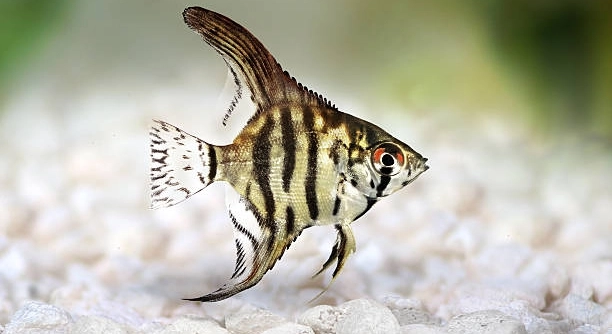
Angelfish are known for their graceful movements, but if yours keeps shaking, it can be concerning. This unusual behavior can signal various underlying issues. Understanding the reasons behind it can help you ensure your fish stays healthy.
Shaking in angelfish can be caused by several factors, including stress, water quality issues, parasites, or improper tank conditions. It’s important to observe their behavior carefully and check for signs of illness or environmental imbalances.
Addressing these issues promptly will help your angelfish recover and thrive in a stable environment. Keep reading to learn more about potential causes and solutions.
Stress from Environmental Changes
Stress is one of the most common reasons for shaking in angelfish. When their environment changes too quickly, angelfish can react by shaking or exhibiting erratic behavior. Factors like sudden temperature fluctuations, new tank mates, or a change in water conditions can trigger this response. Stress weakens the fish’s immune system, making them more susceptible to diseases.
Fish are sensitive to their surroundings, and it’s important to create a stable environment. A gradual adjustment in tank conditions can help reduce stress. Ensure the water temperature is consistent and within the appropriate range. If introducing new fish, do so slowly to avoid overwhelming your angelfish. A good filtration system and regular water changes also help maintain a healthy tank environment.
If your angelfish is shaking due to stress, addressing the changes in their environment should help resolve the issue. Monitoring their behavior closely will allow you to pinpoint any specific factors causing discomfort.
Poor Water Quality
Angelfish are sensitive to water quality. A sudden change in pH levels, high ammonia, or nitrite levels can make them feel unwell. Poor water quality often leads to shaking and other signs of distress. It’s crucial to maintain clean water and monitor its parameters regularly.
To maintain proper water quality, test the water regularly for ammonia, nitrite, and nitrate levels. Keep the water temperature stable and ensure proper filtration. Overcrowded tanks can also lead to poor water quality, so make sure the tank is large enough for your fish. Regular water changes are essential for preventing these issues.
Parasites or Infections
Parasites and infections can lead to shaking in angelfish. External parasites like Ich or internal parasites can cause physical discomfort and abnormal movements. These tiny invaders often irritate the skin, making fish shake as a response.
To check for parasites, look for visible signs like white spots, lesions, or unusual markings on the fish’s body. If you suspect an infection or parasites, consult with a vet or treat your tank with medications specifically designed for these issues. Always follow the instructions carefully to avoid further stressing your angelfish.
Proper tank maintenance and quarantine procedures for new fish can help prevent parasite outbreaks. Regularly inspect your fish for any signs of distress, and act quickly if you notice any unusual behavior.
Overfeeding
Overfeeding is another cause of shaking in angelfish. When fish are given too much food, it can lead to digestive problems and bloating. This can cause discomfort and make the fish act unusually.
Angelfish should be fed in small amounts that they can consume within a few minutes. Overfeeding can also pollute the water, making it harder to maintain clean conditions. It’s important to adjust feeding routines based on your angelfish’s size and activity level to avoid excess food in the tank. If the fish appear bloated or lethargic, it’s a sign to reduce the amount of food you’re providing.
Properly managing feeding habits not only prevents shaking but ensures your fish stays healthy and your tank remains clean.
Tank Size and Space
A small tank can lead to stress and shaking in angelfish. If your fish feels cramped or confined, it will often display signs of distress. Angelfish need space to swim freely, and overcrowding can cause anxiety.
Ensure your tank is large enough for the number of fish you have. Angelfish do best in a tank that’s at least 20 gallons, with more space if you have multiple fish. The more room they have, the less likely they are to experience stress and exhibit shaking behavior. Proper tank size is key to their well-being.
Improper Water Temperature
Angelfish are sensitive to water temperature changes. A temperature that’s too high or too low can cause them to shake. They thrive in a water temperature range of 76 to 82°F (24-28°C), and deviations from this can cause stress and discomfort.
To avoid temperature-related stress, invest in a reliable heater and thermometer. Make sure the temperature stays consistent and falls within the recommended range. Sudden changes, such as moving the tank or a malfunctioning heater, should be corrected immediately to avoid putting your angelfish in a state of shock.
Poor Tankmates
Aggressive or incompatible tankmates can stress your angelfish, leading to shaking. If they feel threatened by other fish, they may exhibit defensive behaviors like shaking. It’s important to carefully choose tankmates that get along well with angelfish.
Avoid placing angelfish in tanks with overly aggressive fish. Angelfish tend to do best with peaceful species like tetras, gouramis, or small catfish. Always research fish compatibility before adding new tankmates. If your angelfish is shaking, it may be due to stress caused by their tank companions.
FAQ
Why is my angelfish shaking?
Shaking in angelfish can be caused by several factors, including stress, poor water quality, parasites, or even improper tank size. It’s important to monitor their environment carefully and look for any signs of illness. If the behavior persists, checking the tank conditions, such as water temperature and pH, as well as ensuring your fish are not overcrowded, is key. Sometimes, stress from sudden changes or the introduction of new fish can trigger shaking. If parasites or infections are suspected, seek treatment immediately.
How can I reduce stress in my angelfish?
To reduce stress, make sure your angelfish’s environment is stable and peaceful. Keep the water temperature consistent, avoid overcrowding, and ensure that the tank is large enough. Providing hiding spots, like plants or rocks, can help angelfish feel secure. Additionally, minimize any sudden changes to their environment, as fish are sensitive to quick shifts in water quality, lighting, or tank mates. Regular water changes and proper filtration will help maintain a healthy habitat. Always introduce new fish slowly to avoid overwhelming the existing ones.
Can poor water quality cause shaking in angelfish?
Yes, poor water quality is a common cause of shaking in angelfish. Elevated levels of ammonia, nitrites, or nitrates can lead to stress and health problems for your fish. It’s crucial to regularly test your tank water for these chemicals and maintain a proper filtration system. Frequent water changes will help keep the water clean and the fish healthy. Additionally, keeping the pH, hardness, and temperature levels within an appropriate range is vital to prevent distress.
What should I do if my angelfish is shaking from an infection?
If you suspect an infection, start by isolating the affected angelfish in a quarantine tank. This helps prevent the spread of the illness to other fish. Depending on the type of infection, you may need to treat your fish with medications designed for fungal, bacterial, or parasitic infections. Always follow the instructions on medication carefully to avoid harming the fish further. Make sure to monitor your fish closely and continue to maintain good water quality throughout the treatment process. Consult with a vet if necessary for a more accurate diagnosis.
How can I tell if my angelfish is shaking because of parasites?
Parasites like Ich (white spot disease) are often the cause of shaking in angelfish. If you notice white spots or lesions on your fish’s skin, fins, or gills, this could be a sign of parasitic infection. Other symptoms to look for include lethargy, rubbing against objects, and rapid gill movement. If parasites are the cause, quarantine the fish and treat with appropriate medications. Ensure that the tank water is properly heated and clean, as parasites thrive in poor conditions. Always consult with a vet for the best course of action.
Could overfeeding cause my angelfish to shake?
Yes, overfeeding can cause your angelfish to shake. When fish are fed more than they can consume, it leads to digestive issues and bloating. Overfeeding also leads to poor water quality as uneaten food decays. To prevent this, feed your fish in small amounts that they can eat within a few minutes. It’s also essential to remove any leftover food from the tank to prevent water contamination. Regularly check your angelfish for signs of bloating or discomfort, and adjust feeding schedules accordingly.
How much space do angelfish need to avoid shaking?
Angelfish require a minimum of 20 gallons of water per fish to feel comfortable and avoid stress-related shaking. If your tank is too small or overcrowded, angelfish can become stressed, leading to abnormal behavior, including shaking. Providing enough space for swimming and hiding spots will help reduce stress and promote a healthier environment. For multiple angelfish, you’ll need a larger tank to prevent territorial disputes and ensure that each fish has its own space. Additionally, ensuring proper filtration and water quality is essential in larger tanks.
Is it normal for angelfish to shake when introduced to a new tank?
It’s common for angelfish to experience stress when introduced to a new tank. Shaking, along with hiding or reduced activity, may occur as the fish adjusts to the new environment. However, if the shaking continues for an extended period or worsens, it could indicate an underlying issue such as poor water quality or an illness. To ease the transition, try to match the new tank’s water conditions (pH, temperature, etc.) as closely as possible to the fish’s previous environment. Gradually acclimate the fish by floating the bag or container they arrived in before releasing them into the tank.
How can I prevent my angelfish from shaking in the future?
To prevent shaking in the future, focus on providing a stable and healthy environment for your angelfish. Regularly test the water and maintain good water quality by performing routine water changes and ensuring proper filtration. Keep the tank at a consistent temperature and avoid sudden changes. Provide enough space and hideouts for your angelfish, and ensure compatible tank mates. Monitor their behavior closely and address any changes in the tank environment promptly. Reducing stress and maintaining overall health will significantly decrease the chances of your angelfish shaking.
Can shaking indicate something more serious with my angelfish?
In some cases, shaking can indicate a more serious health issue, such as an infection, parasites, or organ dysfunction. If your angelfish continues to shake despite adjustments to its environment, it’s crucial to investigate further. Consider looking for other signs of illness like changes in appetite, abnormal swimming, or visible lesions. If necessary, seek advice from a professional or veterinarian to get a proper diagnosis. Addressing potential issues early on can help prevent further complications and ensure the long-term health of your angelfish.
Final Thoughts
Angelfish are beautiful and peaceful creatures, but their shaking can often be a sign of stress or health issues. Identifying the cause early on is important to ensure your fish remain healthy and comfortable. From improper water conditions to overcrowding or even the presence of parasites, several factors could lead to this behavior. The most crucial step is to maintain a clean and stable environment for your fish, addressing any water quality issues as soon as possible. Ensuring that the tank is the right size for your fish and that there are no aggressive tankmates can also help alleviate stress.
When it comes to their diet, make sure you’re not overfeeding, as this can lead to digestive problems and poor water quality, both of which can contribute to shaking. Regular water changes and a reliable filtration system will also go a long way in preventing issues. Monitoring your angelfish’s behavior and acting quickly when changes occur can prevent minor problems from becoming serious health concerns. If shaking continues despite improving their environment, consider consulting a professional to rule out infections or parasites.
Taking proactive steps to address the causes of shaking in your angelfish will help ensure they live a long, healthy life. A little effort in maintaining their tank and observing their behavior can make a big difference in their overall well-being. With the right care, your angelfish will thrive and show no signs of stress, including shaking. By focusing on water quality, appropriate tank size, and compatible tankmates, you can prevent stress-related behaviors and enjoy watching your angelfish live comfortably in their habitat.

Hello,
If you enjoy the content that we create, please consider saying a "Thank You!" by leaving a tip.
Every little bit helps us continue crafting quality advice that supports the health, happiness, and well-being of pets around the world, for pets of all shapes, sizes, and species.
We really appreciate the kindness and support that you show us!