
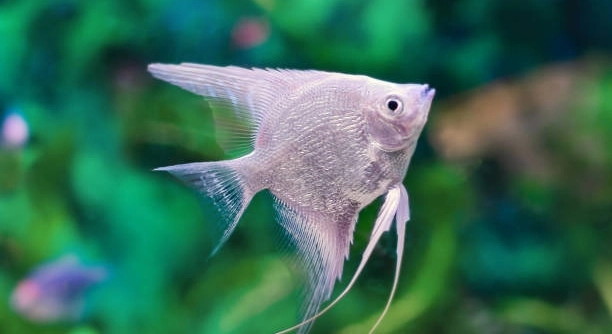
Algae growth can be a common problem in angelfish tanks, often resulting from imbalanced conditions. Maintaining a healthy aquarium requires addressing factors that contribute to excess algae. Knowing how to manage algae is key for a thriving environment.
Controlling algae growth in an angelfish tank involves monitoring light exposure, regulating nutrient levels, and ensuring proper water circulation. Regular water changes and the use of algae-eating organisms can also help prevent excess algae buildup and maintain tank balance.
By following these tips, you can ensure your tank stays clear and healthy for your angelfish to thrive. Let’s explore practical solutions to reduce algae growth effectively.
Reduce Light Exposure
Excess light is one of the primary contributors to algae growth in angelfish tanks. Algae thrive in environments with prolonged light exposure, especially when the tank receives direct sunlight. If your tank is positioned near a window, it’s a good idea to move it to a more shaded area. Additionally, use aquarium lights with a timer to control how long your tank is exposed to light each day. Around 8-10 hours of light per day is generally sufficient for the health of your fish and plants without encouraging unwanted algae.
If you want to limit light even further, consider using a dimmer or adjusting the light’s intensity. Low-light aquariums are often less prone to algae overgrowth and help create a more balanced environment for angelfish. Reducing light exposure not only helps control algae but also reduces the frequency of cleaning your tank.
Make sure to observe the tank and adjust accordingly. If you notice algae still growing despite light control, check other factors like water quality. Less light won’t completely stop algae growth, but it makes a difference over time.
Regular Water Changes
Maintaining water quality is essential for reducing algae growth. Regular water changes help remove excess nutrients such as nitrates and phosphates, which algae thrive on. Aim to change about 20-30% of the water every two weeks. This keeps the water clean and lowers the nutrient levels that encourage algae.
Water changes also allow you to vacuum the substrate, removing any leftover food and organic waste. This reduces the chances of these materials breaking down and feeding algae. Consistency is key, so make water changes part of your regular tank maintenance routine.
The cleaner the water, the less algae will grow. Keeping the water fresh and balanced will not only benefit your fish but also reduce the need for constant cleaning and scraping of algae from the surfaces of your tank.
Use Algae-Eating Fish
Introducing algae-eating fish is one of the easiest and most natural ways to control algae growth. Species like Siamese algae eaters, plecos, and Otocinclus catfish are great at helping keep algae in check. These fish naturally feed on algae, reducing its spread in your tank.
However, be mindful of the types of algae they consume. Some fish might only eat certain types of algae, so it’s essential to choose species that match your tank’s algae problem. Also, ensure these algae-eaters are compatible with your angelfish to avoid aggression or overcrowding.
Algae-eating fish are a great addition to your tank as long as their needs are met. Keep in mind that they need proper food and care. Over-relying on them isn’t a solution, but they can certainly help reduce the amount of algae you have to scrub off your tank’s surfaces.
Adjust Water Flow
Water flow plays a significant role in reducing algae growth. If your tank has stagnant areas, algae will thrive in those spots due to the lack of movement. Adding a good filtration system or adjusting your filter’s flow can help ensure the water circulates throughout the tank.
Proper circulation not only disrupts algae but also keeps waste and nutrients moving, preventing them from settling in one place. Areas with strong water flow will experience less algae buildup, as it’s harder for algae to anchor itself in moving water. A well-filtered tank ensures a more balanced environment for your angelfish.
Consider placing the filter or powerhead in areas where algae buildup is most problematic. This will help to ensure that water flow reaches those spots while maintaining a clean, balanced tank overall. It also encourages your fish to stay active and healthy.
Use of Live Plants
Live plants can help out with algae control by competing for nutrients. They absorb nitrates and phosphates from the water, reducing the amount available for algae to grow. When planted correctly, they can thrive without being overshadowed by algae, giving your tank a healthier ecosystem.
Keep in mind that live plants need proper lighting and substrate to grow well. In a tank with angelfish, choose plants that don’t require high light levels to avoid encouraging algae. The plants you select should also be safe for angelfish, as some may nibble on them.
Healthy plants can outcompete algae for resources, and over time, you’ll notice less algae buildup. Be sure to trim your plants regularly to prevent them from becoming overcrowded. This will help them thrive and ensure they don’t contribute to excess waste that could fuel algae growth.
Reduce Overfeeding
Overfeeding is a major contributor to algae growth in aquariums. When you feed your angelfish too much, uneaten food breaks down into excess nutrients that algae thrive on. Reducing the amount of food you give them will prevent these nutrients from accumulating in the tank.
Ensure you’re feeding your fish in controlled amounts and remove uneaten food promptly. This keeps your water cleaner and reduces the food source for algae. It’s important to establish a feeding schedule so that your angelfish get the nutrients they need without excess waste.
By cutting down on overfeeding, you are not only preventing algae but also ensuring your angelfish remain healthy. Your fish will also benefit from the cleaner water, which leads to a happier tank environment.
FAQ
How do I know if my angelfish tank has an algae problem?
Algae growth is easy to spot, as it usually appears as green or brown patches on the tank walls, decorations, and plants. If the water looks cloudy or murky, that’s another sign of excess algae. Additionally, if you notice your filter working harder than usual or seeing algae on the surface of your substrate, your tank might have an algae problem. Regular tank checks will help you identify and address algae growth before it gets out of hand.
What causes algae to grow in my angelfish tank?
Algae grow when there is an excess of nutrients, such as nitrates and phosphates, in the water. This is often caused by overfeeding your fish, inadequate filtration, or too much light. If your tank has a lot of waste buildup, stagnant water, or receives direct sunlight, it can create the perfect environment for algae to thrive. Regular maintenance and proper feeding habits are essential for controlling algae growth.
Can algae hurt my angelfish?
Algae itself generally won’t harm your angelfish unless it becomes excessive and leads to poor water quality. When algae covers the surface of your tank, it can reduce the oxygen levels and block out light, both of which are crucial for your angelfish. Also, when algae die and decompose, they can release harmful substances back into the water, leading to poor water conditions that can stress your fish.
Are there any fish that can help control algae in my tank?
Yes, certain fish are great at helping control algae. Species like plecos, Siamese algae eaters, and Otocinclus catfish feed on algae and help keep your tank cleaner. However, keep in mind that these fish only control algae to a certain extent. They shouldn’t be relied on entirely, and you should still maintain a regular cleaning schedule. Make sure the algae-eating fish you choose are compatible with your angelfish.
What type of lighting should I use to prevent algae growth?
Reducing the amount of light your tank receives is a key factor in preventing algae growth. Use a timer to limit the light exposure to 8-10 hours a day. Opt for LED or fluorescent lights that provide low to moderate light for your tank. You can also adjust the position of your tank to avoid direct sunlight, which can encourage algae to grow faster. Keep in mind that some plants also require light, so be mindful of the balance between providing light for them and limiting algae growth.
Can I use chemicals to remove algae in my tank?
While there are chemical treatments available for algae removal, they should be used with caution. Many of these products can harm your fish or disrupt the tank’s balance. It’s usually better to address the root cause of the algae problem, such as light exposure, water quality, or overfeeding, rather than relying on chemicals. If you do use an algae treatment, make sure it’s safe for angelfish and follow the instructions carefully.
How often should I clean my angelfish tank to prevent algae?
It’s important to clean your angelfish tank regularly to prevent algae buildup. Perform partial water changes every 1-2 weeks, vacuum the substrate to remove any uneaten food, and wipe down the tank walls to remove any algae that’s starting to form. The more consistent you are with your maintenance routine, the less likely algae will have the chance to grow and spread.
Is it safe to remove algae manually from the tank?
Yes, removing algae manually is a safe and effective way to keep your tank clean. You can use an algae scraper or sponge to gently scrub the tank walls, decorations, and any other surfaces with algae buildup. Just be sure to clean any equipment you use afterward, as it may pick up harmful bacteria or debris. Manual removal should be part of your regular tank maintenance.
How do live plants help prevent algae growth?
Live plants are beneficial because they absorb excess nutrients like nitrates and phosphates, which algae need to grow. By adding more live plants, you can reduce the amount of nutrients available for algae, helping to keep the tank in balance. Plants also provide shelter and a natural environment for your angelfish, which improves the overall health of the tank.
How can I improve water flow in my angelfish tank?
Improving water flow can help reduce algae growth by preventing stagnant areas where algae can thrive. Consider adding a higher-flow filter or placing a powerhead in strategic areas to promote better circulation. Make sure the water flow isn’t too strong for your angelfish, as they prefer calm waters. Adjusting the filter and adding decorations that guide the flow can help distribute the water evenly throughout the tank.
What is the role of water changes in controlling algae?
Regular water changes are crucial in controlling algae because they remove excess nutrients from the tank. These nutrients, primarily nitrates and phosphates, fuel algae growth. By changing 20-30% of the water every 1-2 weeks, you’ll dilute the nutrient levels, making it harder for algae to thrive. Water changes also help to keep the overall tank environment clean and healthy.
Do algae-eating fish need special care?
Yes, while algae-eating fish can help reduce algae growth, they still need proper care. They require a suitable tank environment, including compatible tankmates, appropriate water conditions, and enough food. Even if they’re eating algae, they still need supplemental feeding, especially if algae levels are low. Proper care ensures they stay healthy and continue to contribute to your tank’s balance.
What is the best way to prevent algae from growing on the tank glass?
To prevent algae on your tank glass, ensure the tank is placed in a location that avoids direct sunlight. Use a timer to control the aquarium light cycle, keeping it between 8-10 hours a day. Regularly wipe down the glass with an algae scraper to prevent buildup. Maintaining good water quality and flow will also help prevent algae from growing on the glass surfaces.
Can overfeeding affect algae growth?
Yes, overfeeding can contribute to algae growth. When excess food is left in the tank, it decomposes and releases nutrients like nitrates and phosphates into the water. These nutrients feed algae, encouraging their growth. To prevent overfeeding, follow a feeding schedule and only provide your fish with what they can consume in a few minutes. Removing any uneaten food promptly also helps maintain a cleaner tank.
Final Thoughts
Controlling algae growth in an angelfish tank requires consistent effort and attention to detail. Algae can quickly take over a tank if the right conditions are present, but by keeping a balanced environment, you can prevent it from becoming a major problem. Simple measures like adjusting lighting, managing feeding habits, and maintaining water quality can make a big difference in reducing algae growth. Live plants can also play an important role by absorbing excess nutrients that algae thrive on. By making small changes to your routine and being proactive, you can maintain a healthier tank for your angelfish.
Regular cleaning is essential in keeping algae under control. Performing routine water changes, vacuuming the substrate, and wiping down the tank walls help to keep algae growth at bay. It’s important to stay on top of this maintenance, as letting algae go unchecked can cause more problems, such as reduced oxygen levels and poor water quality. If you notice algae starting to form, removing it manually is often an effective solution. Combining this with good filtration and water flow will help create a stable environment for your angelfish and any other tank inhabitants.
While managing algae can feel like an ongoing task, it’s worth the effort. Your angelfish will thrive in a clean, well-maintained environment, and you’ll enjoy a more visually appealing tank. By understanding the causes of algae growth and taking steps to minimize them, you can create the best possible living conditions for your fish. Keep in mind that no single method will completely eliminate algae, but a combination of approaches will help you maintain control. With the right care, your angelfish tank will remain healthy, clean, and algae-free.

Hello,
If you enjoy the content that we create, please consider saying a "Thank You!" by leaving a tip.
Every little bit helps us continue crafting quality advice that supports the health, happiness, and well-being of pets around the world, for pets of all shapes, sizes, and species.
We really appreciate the kindness and support that you show us!