
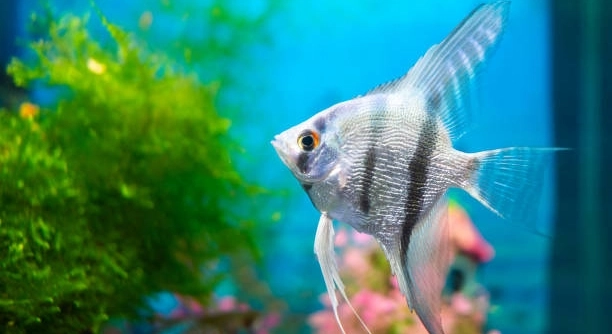
Angelfish are popular aquarium pets known for their graceful swimming and beautiful appearance. However, if you’ve noticed your angelfish biting its own tail, it can be a troubling sight. Understanding the cause of this behavior is important for their well-being.
Angelfish may bite their own tails due to various reasons such as stress, illness, or poor water conditions. In some cases, aggression or boredom can also trigger this behavior, causing them to target their own fins.
By identifying the root cause of the issue, you can take steps to improve your angelfish’s environment. Addressing factors like tank conditions and potential stressors can help prevent further damage.
Stress and Anxiety
Angelfish can become stressed by various factors, such as overcrowding, incompatible tankmates, or constant disturbances in their environment. When stressed, they may start biting their own tails as a way to cope. It’s important to assess your tank setup and ensure that your angelfish has enough space to swim freely. Also, be mindful of other fish in the tank, as aggressive or overly active species can create a stressful environment.
Creating a peaceful tank environment with proper hiding spots can help reduce stress. Keeping water quality at optimal levels is another way to help your angelfish feel more secure.
Stress can also result from sudden changes in the water temperature or a tank’s light cycle. Angelfish are sensitive to fluctuations, so maintaining a stable environment is key. If you notice that your fish are constantly biting their tails, it might be worth examining their living conditions and making adjustments. Ensuring a calm, safe space is one of the best ways to reduce this behavior.
Poor Water Conditions
Water quality plays a critical role in your angelfish’s health. If the water is too dirty or improperly balanced, your fish may become irritated and start engaging in unusual behavior, such as biting their tail. Regularly testing and adjusting the water’s pH, temperature, and hardness is crucial.
Angelfish thrive in clean, well-maintained tanks. Ammonia and nitrite levels should be closely monitored, as high concentrations can lead to stress and aggression. Poor water quality can cause your fish to become uncomfortable, resulting in tail-biting as a response to the irritation they feel.
Keeping the tank clean is equally important. Accumulation of waste or uneaten food can worsen water conditions. Performing regular water changes and cleaning the tank helps maintain a healthy environment where your angelfish can live without the urge to bite itself. Additionally, using a good filtration system ensures that toxins are removed from the water, promoting the overall well-being of your fish.
Aggression from Other Fish
Sometimes, angelfish may bite their own tails due to aggression from other fish in the tank. If your angelfish is being bullied, it might resort to this behavior as a way to cope. Aggressive tankmates can cause stress and make the fish feel threatened, leading to self-inflicted injury.
It’s important to observe the tank’s social dynamics. Certain species may not get along with angelfish, especially if the tank is too small or overcrowded. Ensure that fish with similar temperaments are housed together. If aggression from another fish is the issue, separating the aggressive fish can help.
Additionally, adding plants or hiding spots in the tank can provide your angelfish with a sense of security. These safe areas allow the angelfish to retreat when feeling threatened. Keeping a peaceful tank environment reduces the chances of aggression, lowering the likelihood of self-biting behavior.
Boredom and Lack of Stimulation
Angelfish need mental stimulation and variety in their environment. If they are not properly entertained, they may begin to bite their own tails out of boredom. This can happen especially in tanks that lack enough decorations, plants, or space for them to explore.
Adding items like plants, rocks, or driftwood to your tank can keep your angelfish engaged. Moving decorations around or introducing new elements occasionally will also provide fresh stimulation. Angelfish, like other pets, can get restless without activities to occupy their time. If they don’t have anything to do, they might turn to tail-biting as a way of passing the time.
Another way to reduce boredom is by varying the feeding routine. Providing different types of food can spark your fish’s interest and give them something to look forward to. Keeping the tank dynamic helps ensure that your angelfish’s mental needs are met.
Illness or Infection
Angelfish may bite their own tails if they are suffering from illness or infection. Conditions like fin rot or skin parasites can cause discomfort, prompting them to bite at their tails in an attempt to relieve the irritation.
If your angelfish’s behavior changes suddenly, check for signs of illness, such as discoloration or lesions. A visit to the vet or treatment with appropriate medications can help. Keeping the water clean and maintaining good tank conditions also aids in preventing infections.
Poor Diet
A poor or unbalanced diet can lead to various health issues in angelfish, including self-biting behavior. If your fish is not getting enough nutrients, it might become weak or stressed, causing it to bite its own tail.
Feeding a varied diet that includes high-quality pellets, flakes, and live or frozen food ensures your fish stays healthy. A well-balanced diet supports immune health, reducing the likelihood of stress or illness that may cause tail-biting.
FAQ
Why is my angelfish biting its tail?
There are several reasons your angelfish might be biting its tail. Stress, poor water conditions, boredom, aggression from other fish, or even illness can all cause this behavior. Angelfish are sensitive creatures, and when they feel stressed or uncomfortable, they may turn to self-harming behaviors like tail-biting. The key is to figure out what is causing the stress and address it.
How can I stop my angelfish from biting its tail?
To stop your angelfish from biting its tail, first assess the tank environment. Ensure the water conditions are optimal, including proper temperature, pH levels, and cleanliness. If the water quality is poor, perform regular water changes and install a better filtration system. Adding hiding spots or plants to reduce stress can also help. If you suspect aggression from other fish, you may need to rearrange the tank or separate aggressive fish.
Can poor water quality cause my angelfish to bite its tail?
Yes, poor water quality can lead to tail-biting in angelfish. When the water is contaminated with excess waste, ammonia, or nitrites, it irritates their skin and gills. This can lead to stress, causing your angelfish to bite its own tail as a way to cope. Regular water changes and a good filtration system will help prevent this.
How do I know if my angelfish is stressed?
Signs of stress in angelfish include rapid breathing, hiding, loss of appetite, faded colors, or excessive swimming in circles. If your angelfish is showing any of these signs along with tail-biting, it’s likely experiencing stress. Identify and remove the source of stress, whether it’s from tankmates, water quality, or the tank environment itself.
Can I fix tail-biting by adding more fish to the tank?
Adding more fish to the tank may not necessarily stop the tail-biting. In fact, overcrowding can cause more stress for your angelfish, worsening the situation. If your angelfish is biting its tail due to aggression or territorial behavior, adding more fish could lead to more competition for space and food, which can increase stress. It’s better to address the root cause of the problem, such as separating aggressive fish or improving water quality, rather than simply adding more fish.
Should I separate my angelfish if it’s biting its tail?
If your angelfish is constantly biting its tail, it might be a good idea to separate it from any aggressive tankmates. Sometimes, the presence of another fish can trigger stress, leading to tail-biting. Providing a more peaceful environment with proper hiding spots and space may reduce the need for separation, but if the behavior persists, isolation for a short period might help.
Can fin rot cause my angelfish to bite its tail?
Yes, fin rot can cause angelfish to bite at their tails. Fin rot is a bacterial infection that affects the fins and can cause them to deteriorate. As the condition worsens, it may cause pain or irritation, leading the fish to bite its own tail. If you suspect fin rot, treating the tank with antibacterial medication is necessary, along with improving water quality.
What is the best way to improve water quality for my angelfish?
Improving water quality involves several steps: perform regular water changes, use a good-quality filter, and ensure the water parameters are appropriate for your angelfish. Test the water regularly for ammonia, nitrites, and nitrates, and adjust accordingly. Keeping the tank clean by removing uneaten food and debris also helps maintain optimal water conditions.
Can a lack of space in the tank cause tail-biting?
Yes, a lack of space can cause stress for angelfish. If your tank is overcrowded or too small, your angelfish may feel trapped, leading to stress that can result in tail-biting. Make sure the tank is large enough to accommodate your fish comfortably and avoid overcrowding. A general guideline is to provide at least 10 gallons of water per adult angelfish.
How do I tell if my angelfish is just playing or actually harming itself by biting its tail?
If your angelfish is gently nibbling at its tail without showing signs of distress, it might simply be playing or cleaning itself. However, if the biting becomes aggressive or frequent, and you notice visible damage to the tail or changes in behavior, it’s likely harming itself. Constant tail-biting that results in injury should be addressed immediately.
Could my angelfish be bored and that’s why it’s biting its tail?
Yes, boredom can lead to tail-biting. Angelfish are intelligent and curious, so if their tank lacks enough stimulation, they may start biting their tails out of frustration. To prevent boredom, add plants, rocks, or other decorations to the tank. Changing the environment and adding variety to their diet can also keep them mentally stimulated and prevent self-harming behaviors.
Final Thoughts
Understanding why your angelfish is biting its tail is crucial to maintaining their health and well-being. There are several reasons behind this behavior, ranging from stress, poor water conditions, and illness, to boredom and aggression from other fish. Identifying the cause early is important because it allows you to address the issue before it worsens. Sometimes, it may take a bit of trial and error to determine what exactly is bothering your angelfish, but the effort is well worth it in the long run. A calm, stable, and properly maintained tank can greatly reduce the chances of your angelfish engaging in self-harming behavior like tail-biting.
When dealing with tail-biting, the key is to focus on the tank environment. Ensure that water conditions are optimal and monitor your angelfish’s behavior closely. Regular water changes, proper filtration, and ensuring the water temperature and pH are within the right range can go a long way in preventing stress. Additionally, providing enough space, plants, and hiding spots in the tank can help your angelfish feel secure and less likely to resort to self-inflicted harm. Avoid overcrowding, as this can increase stress and lead to aggression, which may also cause tail-biting. If the cause is aggression from tankmates, consider separating the aggressive fish or adjusting the tank setup to minimize conflicts.
Finally, addressing the health and diet of your angelfish is just as important. A poor diet can contribute to stress and weaken their immune system, making them more susceptible to illness and self-biting. Providing a balanced and nutritious diet can help your angelfish stay strong and healthy, reducing the chances of them developing behavioral issues. If your angelfish continues to bite its tail despite making adjustments, it might be time to seek advice from an aquarium expert or a veterinarian to rule out any underlying health problems. By staying observant and proactive, you can help ensure your angelfish remains happy and healthy in its environment.

Hello,
If you enjoy the content that we create, please consider saying a "Thank You!" by leaving a tip.
Every little bit helps us continue crafting quality advice that supports the health, happiness, and well-being of pets around the world, for pets of all shapes, sizes, and species.
We really appreciate the kindness and support that you show us!