
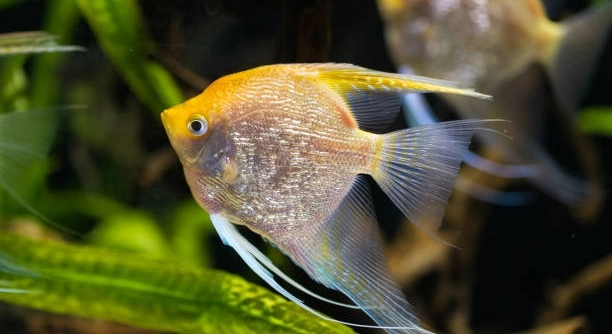
Angelfish are known for their unique personalities, and sometimes their behavior can leave owners scratching their heads. If you’ve noticed your angelfish constantly changing its favorite spot in the aquarium, you’re not alone.
The behavior of an angelfish moving to different spots in the tank can be linked to factors such as changes in water quality, environmental comfort, or social interactions with tank mates. These movements are natural and may vary based on their needs and preferences.
Understanding why this occurs can help ensure your angelfish stays healthy and happy in its environment. By considering the factors behind this behavior, you’ll be better equipped to support your pet’s needs.
1. Changes in Water Quality
Angelfish are highly sensitive to their environment, and water quality plays a significant role in their behavior. When the water’s temperature, pH, or nitrate levels fluctuate, your angelfish may change its favorite spot. Poor water conditions can stress your fish, causing it to seek out areas that feel safer or more comfortable.
Small shifts in water parameters can be enough to trigger this behavior. Your fish may move to different corners of the tank where they feel more secure or find better conditions. Monitoring the water regularly and ensuring it stays within the ideal range for angelfish can help reduce stress and keep them content in their habitat.
If your angelfish is suddenly acting differently, check for any changes in the water quality. It’s a good idea to test the tank for ammonia, nitrate, and nitrite levels, as well as monitor temperature fluctuations. Keeping the water stable will help your fish settle in its favorite spot.
2. Social Dynamics and Tank Mates
Angelfish are social animals and interact with others in the tank. Their movements can be influenced by the presence of tank mates. If there are territorial fish, your angelfish may be pushed around or forced to relocate. It’s crucial to ensure the tank mates are compatible.
When an angelfish feels threatened by other fish, it may move to avoid confrontation. Larger or more aggressive fish might bully smaller ones, forcing them to change their resting spots. By adding hiding spots or rearranging the tank, you can reduce aggression and help your angelfish find a safer place to relax.
Creating a peaceful environment by providing plenty of space and hiding spots is essential. Having enough room for everyone will allow the fish to coexist without constant stress. Also, adding plants or decorations can help angelfish claim areas as their own, giving them a sense of security.
3. Light and Tank Placement
Angelfish prefer a certain amount of light exposure, and their movement could be a response to lighting changes. If your aquarium is exposed to direct sunlight or bright artificial lights, your angelfish may seek out darker or more shaded areas to feel more secure.
Over time, the fish may adapt its position in the tank depending on light intensity. If the light is too bright or changes frequently, it can cause discomfort, prompting your fish to relocate. Angelfish typically enjoy moderate lighting, so ensure your tank is placed in a spot that doesn’t get too much direct sunlight. Also, avoid frequent adjustments to the lighting schedule.
Keeping your aquarium light at a consistent level will help your angelfish find its comfort zone. Try to place the tank in a location that gets natural but indirect light and use a timer for your aquarium lights to ensure they follow a regular pattern. This minimizes stress and helps the fish feel at ease.
4. Temperature Fluctuations
Temperature changes in the tank can make your angelfish move to different spots. Angelfish are tropical fish and thrive in warmer water. If the temperature dips or becomes too hot, they may search for areas in the tank where the temperature feels more stable.
Fish often seek out areas where the water temperature feels most comfortable. If your aquarium has cooler or warmer spots, your angelfish may move frequently to find the perfect zone. Investing in a reliable heater and thermometer will help ensure the temperature remains steady, keeping your fish happy and in its preferred spot.
You may also notice your angelfish moving closer to the surface or down to the bottom if there’s a temperature gradient. Maintaining a consistent, warm water temperature is essential to prevent stress and ensure your angelfish feels safe.
5. Hunger or Feeding Habits
If your angelfish is hungry or hasn’t been fed enough, it might move around more to find food. Angelfish are known to explore their tank for potential snacks, which can lead them to change their usual resting spot.
Their behavior may also shift if you feed them at different times or if there’s a change in the type of food you provide. Consistent feeding times and amounts are essential in keeping your angelfish satisfied. Over time, they’ll get used to their feeding routine and remain more stable in their behavior.
6. Breeding Behavior
Angelfish may change spots when they are preparing to breed. During the breeding process, they tend to pick specific areas of the tank to lay eggs. This could be a secluded corner or a flat surface where they feel secure.
Breeding behavior often leads to territorial movements. They may actively guard their chosen spot, chasing away other fish. If you notice these changes, it’s likely a sign that your angelfish is in a breeding cycle. Providing them with quiet, low-stress surroundings will help during this time.
7. Illness or Stress
Health problems or stress can cause your angelfish to frequently change locations in the tank. When a fish is unwell, it often seeks out areas that provide comfort or lower stress. This could involve swimming to a different part of the tank or hiding in plants.
If your angelfish is not eating, hiding more often, or exhibiting other signs of illness, it’s important to check the water quality and tank conditions. Stress can also be triggered by poor water conditions, aggressive tank mates, or overcrowding. Keep an eye on your fish’s behavior to spot any health concerns early.
FAQ
Why is my angelfish always moving around?
Angelfish tend to be active swimmers, and they may move around to find the perfect spot for comfort, food, or safety. If your angelfish is constantly swimming or relocating, it could be reacting to changes in its environment, like water quality, temperature, or the presence of other fish. They might also be exploring for food or reacting to stress. Keeping the tank’s environment stable and consistent can reduce these movements.
Do angelfish change spots when they’re stressed?
Yes, stress is a common reason why angelfish may change their favorite spot. Factors like aggressive tank mates, poor water quality, or rapid changes in lighting or temperature can lead to stress, causing the fish to move more often. Stress can also make the angelfish hide or seek areas in the tank where it feels safer. Ensure your tank conditions are stable and peaceful to help reduce stress.
Is it normal for angelfish to change their favorite spot frequently?
Yes, it’s normal for angelfish to change their favorite spot from time to time. They may move based on changes in water quality, social dynamics with other fish, or even to find a better area for comfort. If the changes aren’t drastic or frequent, this behavior is usually harmless. However, if the fish seems stressed or unwell, it’s a good idea to check the tank conditions.
How can I tell if my angelfish is stressed?
Signs of stress in angelfish include erratic swimming, hiding more than usual, loss of appetite, or displaying defensive behaviors. You might notice your angelfish moving around the tank more often, trying to find a safe spot. It’s important to address the underlying cause of stress, such as improving water quality, rearranging the tank, or providing more hiding spaces for the fish.
Can the water temperature affect my angelfish’s behavior?
Yes, temperature fluctuations can affect your angelfish’s behavior. If the water is too cold or too warm, your fish may move around to find a more comfortable zone in the tank. Angelfish thrive in temperatures between 75°F and 80°F (24°C to 27°C). If the water temperature fluctuates outside this range, your fish may become stressed and move more frequently.
Should I be concerned if my angelfish is always at the surface?
If your angelfish is spending more time at the surface than usual, it could be a sign of several things. It might be searching for food, reacting to oxygen levels, or indicating that something is wrong with the water quality. A lack of oxygen, poor water quality, or even an improper tank setup could be factors. Ensure the water has proper aeration and that the temperature and pH are stable.
Why does my angelfish hide behind objects or plants?
Hiding is a common behavior, especially if your angelfish feels threatened, stressed, or unwell. It might be trying to find a place where it feels safe. Other fish, particularly aggressive ones, can make your angelfish feel the need to hide. Adding more plants or decorations can provide more hiding spots and reduce the likelihood of stress.
Can poor water quality make my angelfish move more?
Absolutely. Poor water quality is one of the most common reasons why an angelfish might change spots frequently. High levels of ammonia, nitrites, or nitrates can make the fish uncomfortable, causing it to seek out areas that feel cleaner or more suitable. Regular water changes and maintaining optimal water conditions will help reduce this behavior.
How often should I change the water in my angelfish tank?
Water changes should be done regularly to maintain good water quality. For an angelfish tank, it’s generally recommended to change 20-25% of the water every 1-2 weeks. This helps remove harmful substances and replenish the water with fresh nutrients. Regular water testing is also essential to ensure parameters are within safe ranges for your fish.
Does my angelfish need a specific light cycle?
Yes, angelfish thrive with a consistent light cycle. They need about 10-12 hours of light per day, followed by a dark period to rest. Too much light or sudden changes in lighting can cause stress or disrupt their sleep cycle, leading to erratic behavior. Keep your aquarium on a consistent schedule using a timer to ensure stability.
Can aggressive tank mates cause my angelfish to change spots?
Yes, aggressive or territorial tank mates can definitely cause your angelfish to move more. If other fish are bullying or chasing it, your angelfish may try to find a safer space or hide more often. Ensuring a peaceful environment by selecting compatible tank mates and providing enough space and hiding spots can help reduce this behavior.
Why does my angelfish always swim in one corner of the tank?
Swimming in one corner may indicate that the fish feels more secure there or is trying to find food. It could also be a sign of stress, where your angelfish is trying to avoid other fish or unfavorable conditions. Check the water quality, the number of tank mates, and the overall setup to ensure the fish’s comfort.
Do angelfish change their behavior during breeding?
Yes, angelfish often exhibit noticeable changes in behavior during breeding. They may claim a spot in the tank as their territory and guard it aggressively. You might notice increased swimming, chasing away other fish, or even changes in color. If you notice these behaviors, your angelfish may be preparing to breed.
How can I reduce stress in my angelfish tank?
Reducing stress involves maintaining good water quality, avoiding sudden changes in the tank, and providing a peaceful environment. Keep the temperature stable, test the water regularly, and ensure your fish have enough hiding spots. Avoid overcrowding the tank and select compatible tank mates to prevent territorial disputes.
What should I do if my angelfish isn’t eating and moving around a lot?
If your angelfish isn’t eating and moving excessively, it could be a sign of illness, stress, or poor water quality. First, check the water conditions and make sure the temperature and pH are within the ideal range. If the issue persists, consider consulting a veterinarian who specializes in fish for further diagnosis.
Final Thoughts
Angelfish are fascinating creatures, and understanding their behavior can help ensure they thrive in your aquarium. It’s normal for them to change their favorite spot from time to time. These movements are often linked to their need for comfort, security, and the right environment. If you notice your angelfish moving more frequently, it’s a good idea to pay attention to factors like water quality, temperature, and the presence of other fish. Small changes in their environment, such as stress from tank mates or lighting, can trigger these shifts in behavior.
By maintaining stable water conditions and providing hiding spots or safe spaces, you can reduce the likelihood of stress that leads to constant movement. Monitoring the tank’s temperature and keeping it within the ideal range will also help your angelfish feel more at ease. Additionally, offering a peaceful tank environment with compatible fish will reduce aggressive interactions and make your angelfish feel secure. Keeping the tank clean and feeding your fish regularly can also minimize behavior changes linked to hunger or poor water quality.
Overall, while it’s normal for angelfish to explore their tank and find new spots to rest, making sure they’re comfortable in their environment is key. If you notice drastic or frequent changes in their behavior, it’s important to investigate the tank conditions, as stress or illness could be at play. With some attention to detail and consistent care, your angelfish will feel safe, happy, and content in its space.

Hello,
If you enjoy the content that we create, please consider saying a "Thank You!" by leaving a tip.
Every little bit helps us continue crafting quality advice that supports the health, happiness, and well-being of pets around the world, for pets of all shapes, sizes, and species.
We really appreciate the kindness and support that you show us!