
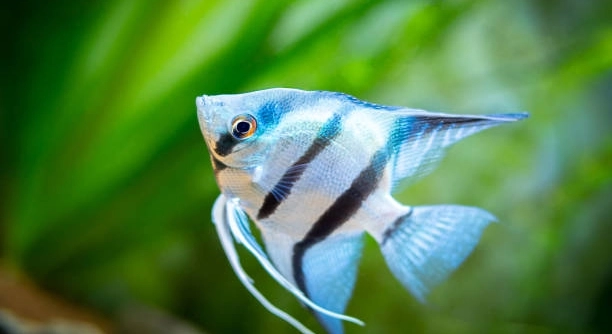
Angelfish are known for their graceful movements, but when they rest on their side, it can raise concerns. Understanding the reasons behind this behavior can help ensure your fish stays healthy and happy in its environment.
When an angelfish rests on its side, it may be due to factors like poor water quality, stress, illness, or injury. It’s essential to evaluate the tank’s conditions, check for signs of disease, and ensure the fish isn’t exhausted or stressed.
Identifying the root cause of this behavior will help you take the right steps to improve your angelfish’s well-being. With some attention to detail, you can provide a healthier environment for your fish.
Poor Water Quality
Water quality is crucial for the health of your angelfish. When levels of ammonia, nitrites, or nitrates are too high, fish may become stressed and exhibit abnormal behavior like resting on their side. It’s important to regularly test the water and keep it within the ideal range. A clean tank promotes a healthy environment and reduces stress. Ensure your filtration system is working well and change the water regularly.
A stable environment with proper water parameters is essential for any aquarium fish, including angelfish. Keeping the tank clean is a simple but effective way to prevent many health problems.
If you notice any signs of water issues, act quickly. Test the water, adjust filtration if needed, and perform water changes to restore balance. These simple steps can help your angelfish return to normal behavior. Taking care of water quality is the first step in maintaining a healthy fish tank.
Stress
Angelfish are sensitive creatures, and stress can easily cause them to act abnormally. Stress may be triggered by overcrowding, tankmates that are too aggressive, or sudden changes in their environment. They might rest on their side as a way to cope with this stress.
Angelfish are territorial and thrive in peaceful settings. Ensure the tank is not too crowded, and that tankmates are compatible with the angelfish. Overcrowding can create competition for food and space, both of which lead to stress.
To minimize stress, maintain a calm environment for your angelfish. Keep noise and disturbances to a minimum, and avoid sudden changes to the tank. Provide plenty of hiding spots and plants for them to retreat to.
Illness or Disease
If your angelfish is lying on its side, it could be a sign of illness. Fish diseases like swim bladder disorder or parasites can cause balance problems and unusual behavior. It’s important to watch for other symptoms like discoloration or bloating.
Swim bladder disorder is common in fish and may cause them to float sideways or struggle to maintain an upright position. If this is the issue, adjusting the fish’s diet or providing medication could help. Additionally, parasites can affect your angelfish’s ability to swim properly. A visit to an aquarium vet may be necessary if symptoms persist.
Quickly identifying and addressing illness is key to preventing further complications. Separate the sick fish from others to avoid spreading any potential disease. Maintain water quality and provide proper care to aid in recovery. Regular monitoring of your fish can help spot early signs of health issues.
Injury or Trauma
Physical injury can also cause an angelfish to rest on its side. If your fish has been harmed, such as by aggressive tankmates or accidental collisions, it may find it difficult to swim properly. Look for signs of physical damage.
Any visible wounds, bruising, or torn fins should be examined. Injuries can impair their ability to swim, forcing them to rest. Even if the injury seems minor, it could lead to further complications if left untreated. Keep the injured fish in a separate tank to prevent further harm from aggressive tankmates.
Offering a stress-free environment is crucial for the healing process. Maintain stable water conditions and feed nutritious food to support recovery. Over time, with proper care, most fish can heal from minor injuries. Monitoring the fish’s behavior during recovery helps ensure the injury does not lead to further complications.
Water Temperature
Water temperature plays a key role in your angelfish’s health. If the temperature is too high or low, it can cause stress and lead to abnormal behavior, such as resting on their side. Always ensure your tank is within the optimal range.
Angelfish thrive in temperatures between 76-80°F (24-27°C). If the water is too cold or too hot, it can affect their immune system, leading to stress and making them more vulnerable to illness. Check your heater and thermometer regularly to maintain the right temperature. Sudden temperature fluctuations should be avoided as they can cause shock to the fish.
Ensure the water temperature remains stable by using a reliable aquarium heater and thermometer. Gradual temperature changes are best for your fish, so make adjustments slowly over time. Proper temperature maintenance supports overall health and reduces the likelihood of stress-related behaviors.
Tank Size
An overcrowded tank can contribute to stress, leading to unusual behaviors in your angelfish. Ensure your tank is large enough for the number of fish you have. Overcrowding limits space and oxygen, making the fish anxious.
Angelfish need ample swimming space. A 30-gallon tank is recommended for a small group, with more space needed for additional fish. Crowding can cause territorial disputes, leading to stress and injury. If your tank is too small, consider upgrading to ensure each fish has enough room to move freely.
Provide plenty of space and avoid adding too many tankmates to prevent stress. Proper tank size allows for better filtration and water circulation, which supports overall fish health. Fish that feel cramped or trapped may exhibit abnormal behaviors like lying on their side.
Tank Maintenance
Regular tank maintenance is crucial for your angelfish’s well-being. A dirty tank can cause a build-up of harmful substances, like ammonia or nitrates, which can lead to health problems, including abnormal behavior.
Clean the tank regularly, changing at least 25% of the water every two weeks. Check the filter and replace the media as needed. Regular maintenance ensures that the tank remains a healthy environment for your fish. Keeping your tank free from debris and excess waste also helps in maintaining good water quality, preventing stress and illness.
Investing time in proper tank maintenance keeps your angelfish happy and healthy. It helps create a stable and clean environment that reduces the likelihood of issues like stress, injury, or illness that could cause your angelfish to rest on its side.
FAQ
Why is my angelfish lying on its side?
There are several reasons why your angelfish might rest on its side. Poor water quality, stress, illness, injury, or improper water temperature could all be factors. Angelfish may also lie on their side due to exhaustion or inadequate tank size. To help determine the cause, carefully examine the water parameters, the fish’s behavior, and any visible signs of damage or illness.
Can I fix swim bladder disorder in my angelfish?
Swim bladder disorder is a common issue that affects the fish’s ability to float properly. The condition can be caused by overfeeding, water temperature fluctuations, or internal infections. In many cases, swim bladder disorder can be treated by fasting the fish for a few days and offering them a small amount of cooked peas, which helps with digestion. If symptoms persist, medication or a visit to an aquarium vet may be necessary.
How can I tell if my angelfish is stressed?
Stressed angelfish may display behaviors like hiding, unusual swimming patterns, loss of appetite, or resting on their side. Factors like overcrowding, aggressive tankmates, sudden changes in the environment, or poor water quality can all contribute to stress. Watching for these behaviors can help you determine if stress is the cause of your angelfish’s abnormal behavior.
What is the best water temperature for angelfish?
Angelfish thrive in water temperatures between 76°F and 80°F (24°C to 27°C). Temperatures outside this range can stress the fish and make them more vulnerable to diseases. Sudden temperature fluctuations should be avoided, as they can cause shock. It’s important to monitor the tank’s temperature regularly and adjust it as needed to maintain stability.
Should I be concerned if my angelfish is not eating?
If your angelfish is not eating, it could be a sign of stress, illness, or poor water conditions. In some cases, angelfish may stop eating due to changes in their environment, such as new tankmates or poor water quality. It’s important to assess water parameters and observe the fish for signs of illness. If the issue persists for more than a few days, consult with an aquarium expert or veterinarian.
How do I treat parasites in my angelfish?
Parasites, such as external protozoa or internal worms, can cause your angelfish to behave abnormally, including lying on its side. To treat parasites, you should isolate the infected fish in a separate quarantine tank. Medications specifically designed to treat fish parasites are available at pet stores or online. Be sure to follow the instructions on the medication and ensure the water in the quarantine tank is clean and properly maintained.
Can my angelfish recover from an injury?
Angelfish can recover from minor injuries, but it depends on the severity of the damage. If your fish has a small tear or bruise, it’s important to maintain clean water and provide a stress-free environment to support healing. If the injury is more severe, consult with an aquarium vet. Injuries to the fins, gills, or body can be more difficult to recover from but providing the right care will increase the chances of recovery.
Is it necessary to quarantine new fish before introducing them to my tank?
Yes, it’s always a good idea to quarantine new fish before adding them to your main tank. This helps prevent the spread of potential diseases or parasites that could harm your existing fish. A quarantine tank provides a controlled environment to observe new arrivals for any signs of illness before they come into contact with your healthy fish. Quarantine for at least two weeks to ensure your new fish are healthy.
How often should I change the water in my angelfish tank?
Water changes are essential to maintaining a healthy tank for your angelfish. You should change about 25% of the water every two weeks. In tanks with higher stocking levels, more frequent water changes may be necessary to keep water quality in check. Regular water changes help remove waste, excess nutrients, and toxins, preventing poor water quality from harming your fish.
What should I do if my angelfish has damaged fins?
If your angelfish has damaged fins, make sure the water is clean and stress levels are low. It’s also important to remove any aggressive tankmates that might be causing the injuries. A salt bath can help promote healing, but be sure to consult an aquarium expert if you are unsure how to proceed. In more severe cases, it’s best to seek help from a veterinarian who specializes in fish.
Can angelfish live with other fish?
Angelfish are generally peaceful but can become territorial, especially during breeding. They can coexist with other peaceful fish, but it’s important to avoid aggressive species. Good tankmates include tetras, corydoras, and gouramis. Be sure to provide enough space and hiding spots in the tank to reduce territorial behavior. Avoid keeping angelfish with fish that may harass or bully them, as this can lead to stress and injury.
How can I prevent my angelfish from getting sick?
Preventing illness in angelfish involves regular water testing and maintaining proper tank conditions. Keeping the water clean, ensuring a proper diet, and monitoring the temperature will all help keep your fish healthy. Quarantining new fish before adding them to the tank is also essential. Avoid overcrowding and ensure that all tankmates are compatible to reduce stress.
What is the ideal tank size for angelfish?
Angelfish require a minimum of a 30-gallon tank for a small group. A larger tank is better, especially if you have multiple angelfish or other tankmates. Providing adequate space helps reduce stress and territorial disputes. The larger the tank, the more stable the water conditions will be, which is essential for the health of your angelfish.
Can I treat my angelfish without using chemicals?
In some cases, you can treat your angelfish using natural methods, such as improving water quality, adjusting the temperature, or using aquarium salt to help with minor injuries. However, for serious conditions like infections or parasites, chemical treatments may be necessary. Always carefully research treatments before using them, and consult an aquarium expert if unsure.
Why is my angelfish swimming upside down?
If your angelfish is swimming upside down, it could be a sign of a serious issue, such as swim bladder disorder or internal infection. Swim bladder disorder is often caused by overfeeding or water temperature issues. If your fish is consistently upside down, monitor its behavior closely and consider adjusting the tank conditions or seeking professional advice.
Final Thoughts
Angelfish are beautiful and peaceful creatures that can add charm to any aquarium. However, when they exhibit unusual behaviors like resting on their side, it’s important to address the issue promptly. Whether the cause is poor water quality, stress, illness, or a swim bladder issue, there are simple steps you can take to improve the situation. Regular monitoring of water parameters, providing a balanced diet, and ensuring the tank environment is suitable for your angelfish are essential.
Addressing the root cause of the problem will help your angelfish recover and thrive. It’s essential to be patient and observant, as some issues may take time to resolve. If your angelfish continues to show signs of distress or doesn’t improve despite your efforts, consulting with an aquarium professional or veterinarian may be necessary. They can help identify underlying problems and guide you in providing the proper care.
In conclusion, understanding the needs of your angelfish and providing a stable, healthy environment can prevent many common issues. By maintaining proper water quality, temperature, and offering a proper diet, you can minimize stress and help your angelfish lead a long, healthy life. Always remember that observing their behavior and taking prompt action when necessary is the key to ensuring their well-being.

Hello,
If you enjoy the content that we create, please consider saying a "Thank You!" by leaving a tip.
Every little bit helps us continue crafting quality advice that supports the health, happiness, and well-being of pets around the world, for pets of all shapes, sizes, and species.
We really appreciate the kindness and support that you show us!