
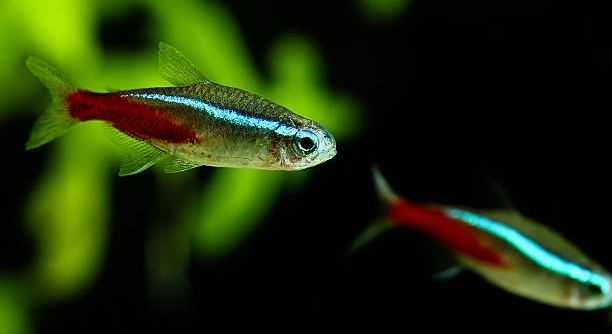
Neon Tetras are popular fish in home aquariums, known for their vibrant colors and active nature. However, you may notice them swimming near the glass more frequently, which can be a sign of different things.
Neon Tetras swimming near the glass can indicate several factors, such as seeking food, looking for hiding spots, or reacting to changes in water conditions. Stress, illness, or tank conditions may also lead to this behavior.
Understanding why your Neon Tetra exhibits this behavior can help you create a better environment for them. Several factors contribute to this behavior, from tank conditions to potential stressors.
Tank Size and Space Constraints
Neon Tetras are small fish, but they still need adequate space to thrive. A crowded tank can lead to stress, causing them to swim near the glass. When the tank is too small or overcrowded, fish are often confined to limited areas, making them feel more vulnerable. They may also try to escape the perceived limitations of their environment, resulting in behavior like swimming along the glass.
Even with proper filtration and water conditions, a cramped space doesn’t allow the fish to display natural behavior. Larger tanks with enough space help reduce anxiety and give your Neon Tetra the room it needs to explore. Without sufficient space, the fish may resort to swimming near the glass more often, which can negatively affect their health.
Increasing the size of the tank or reducing the number of fish can alleviate this stress. Providing hiding spots and plants also gives the Neon Tetra places to feel secure. This helps create a more natural and comfortable environment, reducing glass-surfing behavior and promoting the well-being of your fish.
Water Quality and Temperature
Water quality plays a vital role in the behavior of your fish.
Neon Tetras are sensitive to changes in water conditions. Poor water quality, such as incorrect pH levels, ammonia, or nitrate spikes, can lead to stress. In such situations, they may seek the safety of the glass. The water temperature must also be regulated. Neon Tetras thrive in warmer water, typically between 72°F and 80°F. If the water is too cold or fluctuates, it can cause distress.
Maintaining stable water parameters is key to preventing health issues. Regular testing for pH, ammonia, nitrites, and nitrates ensures the water is safe for your fish. Using a reliable filter and performing regular water changes will help maintain optimal water conditions. With a proper temperature range, your fish will be more relaxed and less likely to swim near the glass. Keeping the water stable and clean is an essential part of their care.
Stress and Environmental Changes
Neon Tetras are sensitive to changes in their environment, and any abrupt shift can trigger stress.
Whether it’s a new addition to the tank, a change in water conditions, or a sudden change in light, your Neon Tetras may react by swimming near the glass. Fish can become disoriented and anxious when their surroundings are altered too quickly. Even moving decorations or rearranging plants can cause them to feel insecure.
To avoid stressing your fish, make gradual changes to their environment. If you must add new elements, do so slowly, and give them time to adjust. Regularly monitoring water temperature and light cycles also helps keep stress levels low. Neon Tetras prefer a stable and predictable environment where they feel secure. Consistency is essential for reducing behavioral issues like glass-surfing.
Tank Mates and Aggression
Aggressive tank mates can cause stress and lead to unusual behavior.
Neon Tetras are peaceful fish, but when housed with more aggressive species, they may feel threatened. Fish that chase or nip at their fins can cause the Tetras to swim near the glass, seeking refuge. Even small, territorial fish can disrupt the calm nature of Neon Tetras.
When selecting tank mates, choose species that are compatible with the peaceful nature of Neon Tetras. Avoid overly aggressive or larger fish that may bully them. If you notice any signs of aggression, consider relocating the aggressor to another tank. A calm, non-threatening environment will encourage the Neon Tetras to swim more freely and comfortably. Properly selecting and monitoring tank mates helps ensure a harmonious environment for everyone.
Lighting Conditions
Lighting can have a significant impact on the behavior of your Neon Tetras.
If the lighting is too bright or too dim, they may swim near the glass more often. Neon Tetras are naturally found in shaded areas in the wild, so strong lighting can cause them stress. They tend to feel safer in lower, more diffused light conditions.
To keep your fish comfortable, ensure the lighting is not too intense. Use subdued lighting or place tank decorations to create shaded spots where your Neon Tetras can retreat when needed. Experiment with different lighting setups to find what works best for their comfort.
Hunger and Feeding
Neon Tetras, like most fish, will swim near the glass when they’re hungry.
They are often drawn to the glass because they associate it with food. If you feed them at the same spot regularly, they may wait there, hoping for more. Regular feeding habits can reinforce this behavior, making it more frequent.
To address this, vary feeding spots within the tank. Avoid feeding your fish at the glass or overfeeding them, as this can also create unhealthy habits. Consistent feeding schedules and monitoring portion sizes will ensure your Tetras remain healthy and reduce unnecessary behavior like glass-surfing.
Illness or Injury
A sick or injured Neon Tetra may swim near the glass in an attempt to escape discomfort.
If your fish is not feeling well, it might seek a corner or a space near the glass. Illnesses such as internal parasites or external injuries can cause the fish to appear lethargic or exhibit abnormal swimming patterns. Recognizing signs of distress early can help address potential health problems.
FAQ
Why are my Neon Tetras swimming in circles near the glass?
If your Neon Tetras are swimming in circles near the glass, they may be stressed or disoriented. This can happen if the tank is too small or if the fish are exposed to poor water conditions. It can also be a sign of aggression from other fish, or they might simply be trying to find food or a hiding spot. Check the tank size, water parameters, and the compatibility of your other fish. Adding plants or decorations can help provide hiding spaces and reduce stress.
Is it normal for Neon Tetras to swim near the glass all the time?
It’s not ideal for Neon Tetras to swim near the glass constantly. While occasional glass-surfing can be normal, continuous behavior may indicate issues with tank conditions, water quality, or other stressors. It’s important to assess the overall health of your fish and ensure they have enough space, proper water quality, and appropriate tank mates. If this behavior continues, consider adjusting the tank setup or checking for underlying problems like illness.
How can I reduce my Neon Tetras’ glass-surfing behavior?
To reduce glass-surfing, consider adjusting the tank’s environment. Ensure that the tank is large enough for the fish to swim freely. Provide plenty of hiding spots, plants, and decorations to create a more secure environment. Regularly check the water parameters and keep the tank clean. Also, make sure that the lighting is not too bright, as Neon Tetras prefer dimmer lighting. Proper tank maintenance and reducing stress factors can help discourage this behavior.
Can glass-surfing indicate Neon Tetra illness?
Yes, glass-surfing can sometimes be a sign of illness. Fish that are not feeling well may swim erratically or display abnormal behaviors like staying near the glass. If your Neon Tetra appears lethargic, has clamped fins, or exhibits unusual swimming patterns, it’s important to examine the fish for signs of illness. Make sure water quality is optimal and consider quarantining sick fish. Early detection of illness can prevent it from spreading to other fish in the tank.
Do Neon Tetras swim near the glass when they are hungry?
Yes, Neon Tetras may swim near the glass when they are hungry, especially if they associate the glass with food. If you regularly feed them near the glass, they will likely anticipate food in that area and wait there. To avoid this behavior, vary the feeding location in the tank and ensure you are not overfeeding your fish. A consistent feeding schedule and proper portion sizes are essential for maintaining their health.
Can lighting affect Neon Tetra behavior?
Yes, lighting can significantly impact Neon Tetra behavior. If the tank is too brightly lit, the fish may become stressed and swim near the glass. Neon Tetras prefer dim or subdued lighting, which mimics their natural environment in the wild. You can adjust the lighting in your tank by using a light with lower intensity or by placing plants and decorations that create shaded areas for the fish to retreat to when needed.
How can I tell if my Neon Tetra is stressed?
Stress in Neon Tetras can manifest in various ways, including erratic swimming, reduced activity, and spending time near the glass. Other signs of stress include clamped fins, loss of color, and excessive hiding. Check for potential stressors like overcrowding, poor water conditions, or aggressive tank mates. Reducing stress factors and creating a more peaceful environment can help restore your fish’s health and well-being.
Should I be concerned if my Neon Tetra is swimming near the surface?
Swimming near the surface may not necessarily be a cause for concern, but if your Neon Tetra is consistently staying there, it could indicate an issue with water quality or oxygen levels. Neon Tetras prefer swimming in the middle to lower levels of the tank. If the surface behavior is combined with signs of distress, check for potential issues like low oxygen, high ammonia, or poor filtration. Regular water changes and ensuring proper aeration in the tank can help improve oxygen levels.
Can water temperature affect Neon Tetra behavior?
Yes, water temperature can significantly impact Neon Tetra behavior. These fish thrive in warm water between 72°F and 80°F. If the water is too cold, your Tetras may exhibit sluggish behavior, and if it’s too warm, they might become stressed. Constant temperature fluctuations can also cause stress. Use a reliable heater and thermometer to maintain stable water conditions, and ensure the temperature remains within the ideal range for your Neon Tetras’ health.
How can I tell if my tank is overcrowded for Neon Tetras?
An overcrowded tank can lead to stress and cause Neon Tetras to swim near the glass. Signs that your tank is overcrowded include frequent glass-surfing, erratic swimming, and reduced water quality. To avoid overcrowding, make sure the tank size is appropriate for the number of fish you have. Neon Tetras need about 1-2 gallons of water per inch of fish, so ensure your tank is large enough to accommodate their needs without causing undue stress.
Why do my Neon Tetras only swim near the glass at night?
Neon Tetras may swim near the glass at night if they feel insecure or are looking for a place to rest. At night, fish are less active and more prone to seeking out areas that feel safe. If your fish are staying near the glass, consider providing more hiding spots or adjusting the lighting to create a more comfortable environment. If this behavior persists, check for stressors such as water quality or aggressive tank mates that could be affecting your fish’s comfort.
Final Thoughts
Understanding why your Neon Tetras swim near the glass can help you address potential issues in your tank setup. It’s important to remember that this behavior is often a sign of stress or discomfort. By carefully observing their behavior and checking the tank’s conditions, you can identify what might be causing this. Ensuring that the water quality is optimal, the lighting is appropriate, and the tank isn’t overcrowded will go a long way in improving the health of your fish.
If you find that your Neon Tetras are consistently swimming near the glass, it could be helpful to introduce more plants, decorations, or hiding spots to reduce their stress. Neon Tetras naturally enjoy environments with plenty of cover, and creating these areas can help them feel more secure. Regular water changes and monitoring the temperature will also ensure that they have the right environment for healthy growth and behavior.
In conclusion, while it’s not unusual for Neon Tetras to swim near the glass occasionally, persistent behavior should not be ignored. By maintaining a well-maintained tank with appropriate conditions, you can ensure your fish remain healthy and active. Keeping an eye on their behavior and adjusting your setup as needed will help you create a peaceful and comfortable environment for your Neon Tetras.

Hello,
If you enjoy the content that we create, please consider saying a "Thank You!" by leaving a tip.
Every little bit helps us continue crafting quality advice that supports the health, happiness, and well-being of pets around the world, for pets of all shapes, sizes, and species.
We really appreciate the kindness and support that you show us!